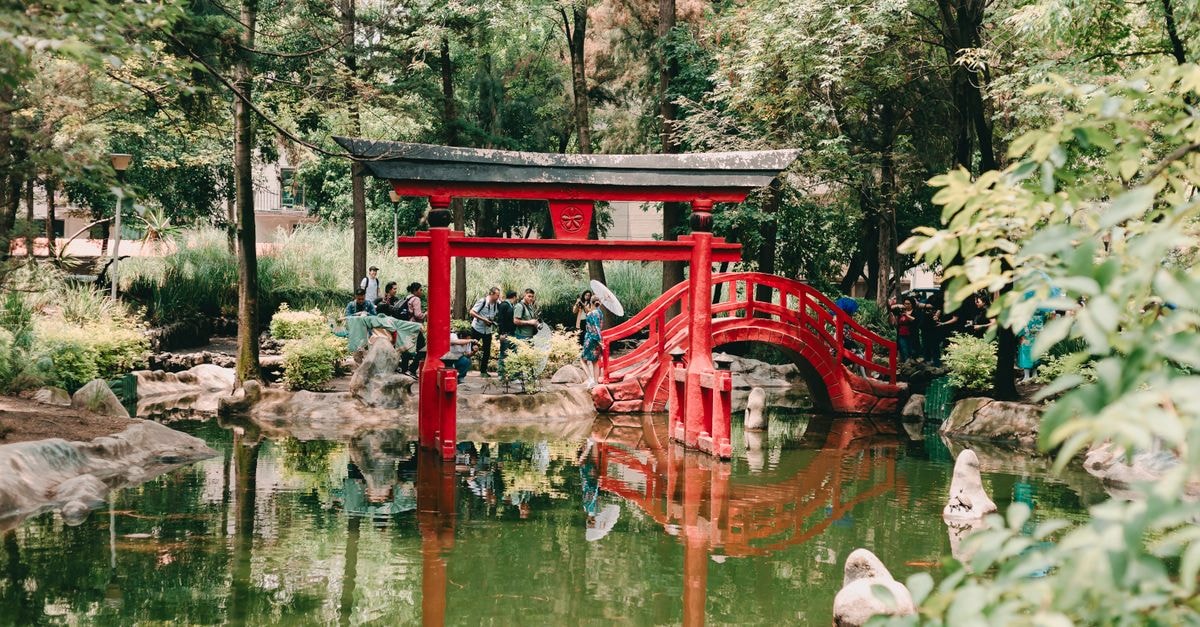
Destination overview

Tlaquepaque sits just outside Guadalajara in Jalisco and draws travelers looking for a slower, more artisan-paced alternative to a big city stay. The town is known for its craft tradition, its pedestrian-friendly core, and its easy connections into the wider metro area. If you are planning a trip, the practical baseline is simple: give yourself time to stroll, leave room for browsing, and think of the visit as a complement to (rather than a replacement for) the broader Jalisco region.
This guide focuses on what is supported by local sources: the pedestrian rhythm of the artisan streets, the layout of getting around, the cultural weight of the historic sanctuary, and the regional food traditions you are likely to encounter. It is written for independent travelers who want a grounded picture before they arrive.
Weather and seasonal context
Direct, month-by-month temperature and rainfall numbers for Tlaquepaque are not provided in the approved sources, so the only honest move here is to speak generally and point you to a deeper climate reference. Local visitor material notes that Tlaquepaque sits within Mexico's broader seasonal pattern and recommends checking a dedicated climate page for the most accurate, current picture before you pack.
In practical terms, that usually means thinking about how rain or heat changes the shape of your day rather than which dates to pick. Lightweight layers, a compact umbrella, and shoes that handle wet stone streets are sensible anywhere along this corridor. If your timing is flexible, a quick look at an authoritative monthly breakdown is worth the five minutes; it will help you decide whether to schedule the heaviest walking for the cooler parts of the day or lean into a long, leisurely afternoon under a patio roof.
Getting around
Tlaquepaque is set up for unhurried exploration. The artisan areas around Tlaquepaque and the neighboring suburb of Tonalá are organized around pedestrian-only streets, which means much of what you came to see is best enjoyed on foot. Plan to walk, browse, and stop often; the streets themselves are part of the experience.
If you are arriving from elsewhere in Mexico, the country's long-distance bus network is the most common way in, with comfortable and affordable service linking Tlaquepaque to other cities. That makes a bus-based arrival a reasonable choice even for travelers who would not normally choose ground transport for a regional trip.
Within the pedestrian core, your main transport choices are walking and short taxi rides; a rental car is usually more friction than benefit unless you are also planning day trips outside town, which is outside the scope of this guide.
Airport transfer
For the airport run, travelers sometimes confuse the Tlaquepaque-to-airport transfer with longer intercity journeys, even though the two require different transport choices. For cost-conscious travelers heading to GDL, the public bus is the cheapest way from Tlaquepaque.
Attractions and planning
The single most concrete cultural landmark in the town center is the Santuario de Nuestra Señora de la Soledad, an 18th-century church dedicated to Tlaquepaque's patron saint. It is the kind of stop that anchors a visit: a quiet interior, an active place of devotion, and a reference point you can use to orient the rest of your wandering. Pairing it with a slow loop through the surrounding streets gives the day a natural shape without requiring a strict timetable.
Long-form visitor coverage of the town frames Tlaquepaque around a full-day itinerary that loops the main points of interest, and a curated guide lists sixteen best things to do in Tlaquepaque, with must-see attractions and points of interest. Treat that kind of roundup as a starting menu rather than a checklist; the point of a pedestrian town is that the best moments are the unplanned ones, and rushing from stop to stop works against the rhythm the town is built for.
A simple planning frame: arrive with two or three must-sees in mind, leave generous gaps between them, and let the streets fill the rest. The sanctuary belongs on every list; everything else can flex around your energy and the weather.
Food and local context
Tlaquepaque sits inside a much larger Jalisco food tradition, and the regional style of cooking is worth understanding even if your meals are not the focus of the trip. One signature approach within the local Jalisco tradition is the long-practiced art of preparing meats in adobos — slow, seasoned marinades that have been handed down through generations. Visitors will encounter this style in many forms around the region, from everyday plates to more elaborate preparations, and it is part of why the area's tables feel distinct from the rest of the country.
Think of that background as context rather than a fixed list of must-order dishes. Tlaquepaque's restaurant scene is closely tied to its craft identity, so meals tend to pair with strolling, patio seating, and a sense of unhurried time. Ask locally about what is being served that week, follow the places that look busy with regulars, and treat regional adobo-style preparations as the baseline flavor profile you are likely to encounter again and again.
Practical notes before you go
A few small, well-supported reminders that often save travelers trouble:
- Within the artisan core, expect to do most of your moving on foot; comfortable shoes matter more than a transit plan. - For the airport run, the public bus is the budget option; weigh comfort, luggage, and time of day before deciding. - The sanctuary is a working religious site; dress and behave accordingly when you step inside. - Treat weather guidance as a starting point and check a current, dedicated climate reference for the latest conditions.
Because rates, schedules, and on-the-ground conditions can change, treat everything in this guide as a starting frame rather than a final answer. Confirm transport times, opening hours, and any entry details through official channels before you travel.
This guide is evergreen and built around what is consistently true about Tlaquepaque. If you want to layer in month-specific weather, festival timing, or a confirmed daily budget, plan to verify those details closer to your trip using current sources.
Share this article
TOOLS FOR THIS PLAN
Make the Tlaquepaque plan measurable
Choose a tool only when it answers the next question in your trip. Your values stay in the browser, and each tool offers a route back to this planning context.