A village spirit inside a megacity

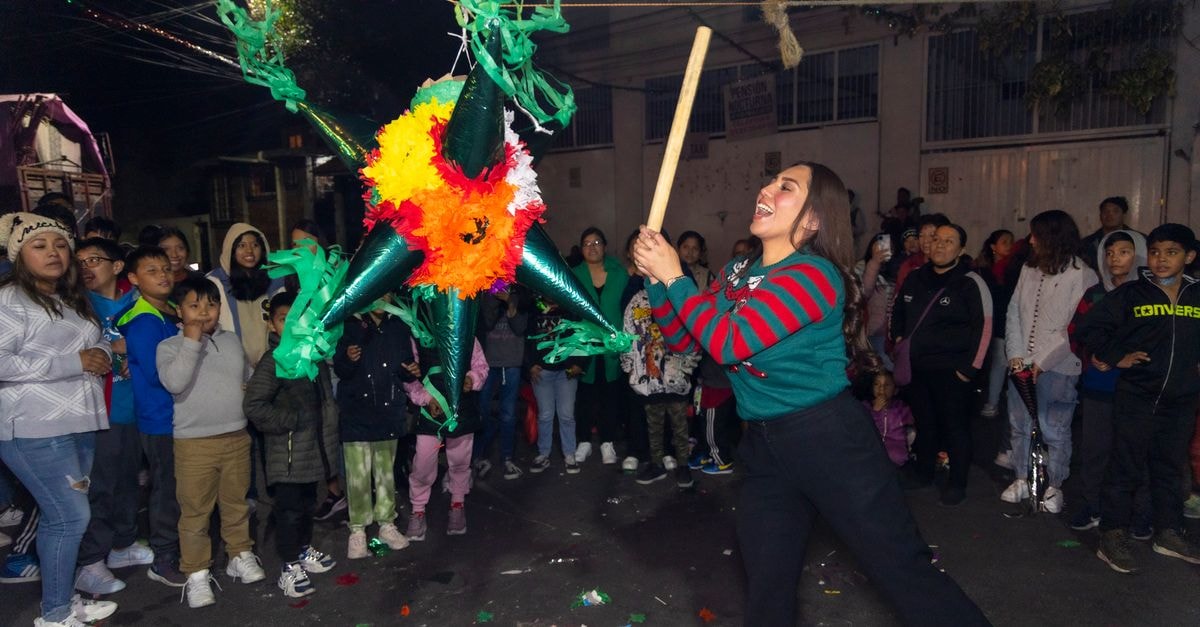
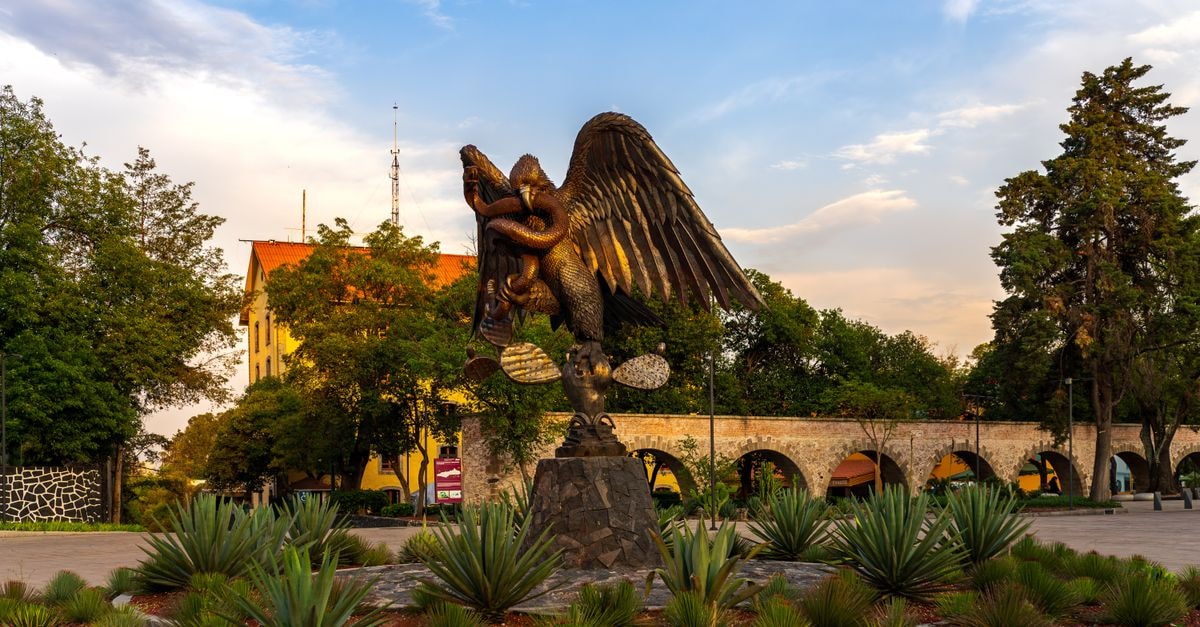
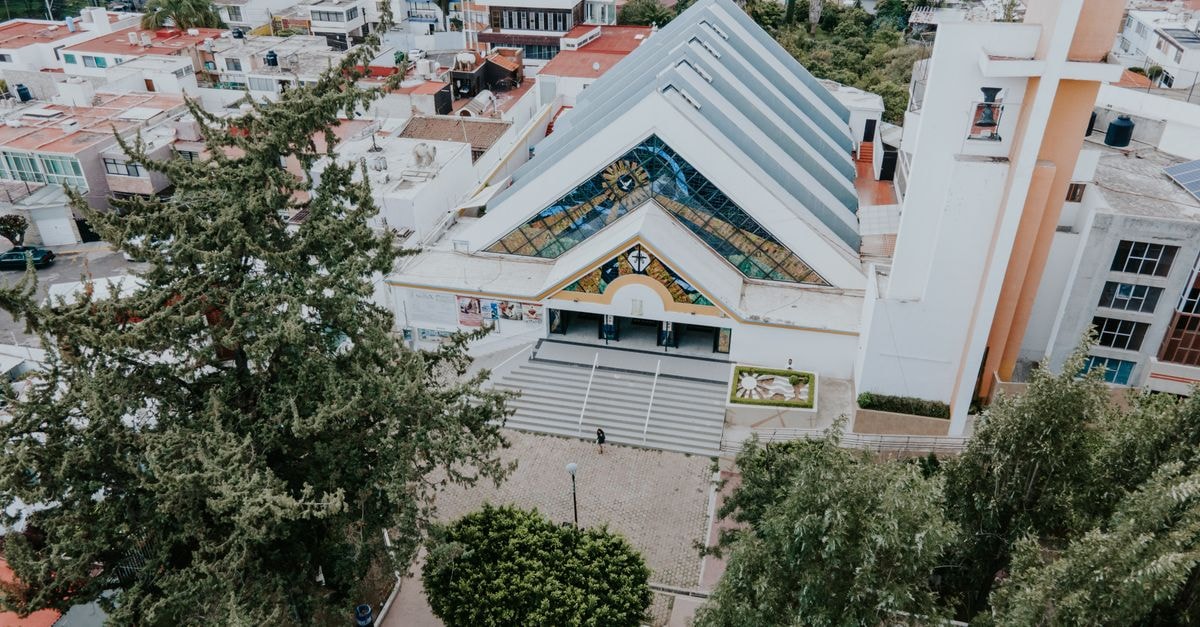
Coyoacán feels different the moment you step into it. The neighborhood was a separate village long before the modern capital swallowed it whole, and it still carries traces of that quieter origin. Its name comes from the Nahuatl word meaning "place of coyotes," a small reminder of the indigenous roots that run beneath its cobbled streets and leafy plazas.
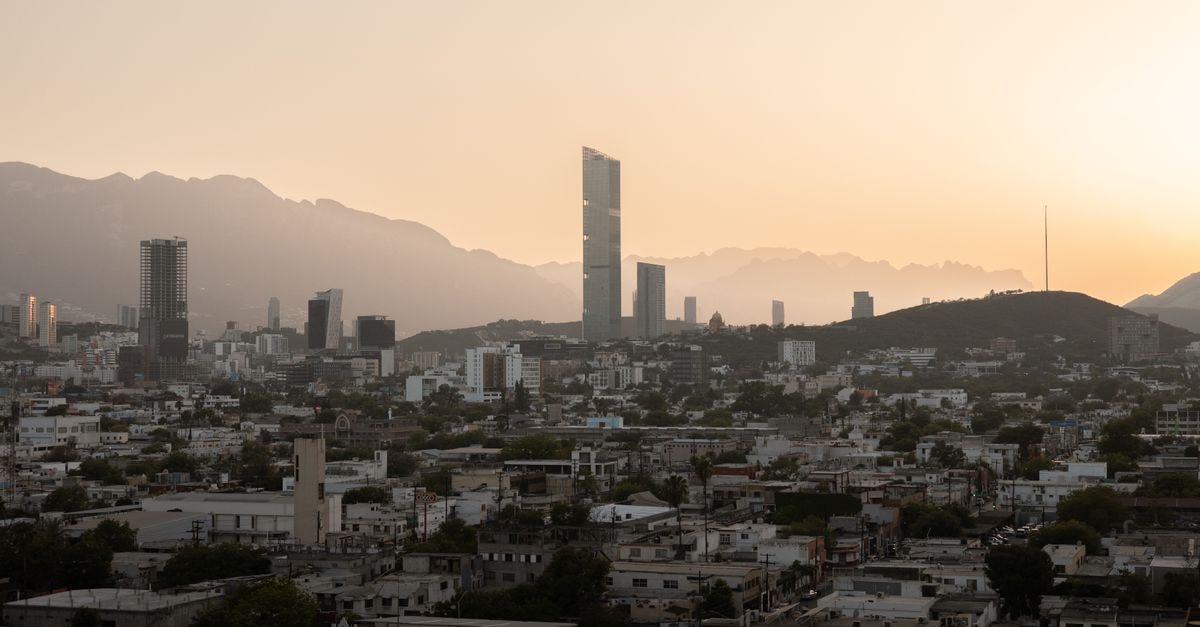
That older character is part of the appeal. The area maintains a relaxed and bohemian atmosphere that stands in contrast to the frenetic pace of central Mexico City, and it has long drawn writers, artists, and travelers looking for immersion in culture, history, and art rather than luxury. If you are visiting Mexico City and want a corner that rewards slow exploration, Coyoacán is one of those places that feels like it somehow escaped the chaos of the capital.
Weather and seasonal context
Coyoacán sits at a higher elevation than many travelers expect for Mexico, which shapes how its weather feels day to day. Average highs sit around 23°C with average lows near 13°C, a comfortable range that can feel pleasantly mild during the middle of the day and crisp once the sun drops. Evenings can call for a light layer, especially if you are lingering outdoors at a plaza café.
Rainfall is the more defining seasonal rhythm here, with a long-term pattern of around 259 mm spread across roughly 26 rainy days in the wettest stretch of the year. That does not mean the sky is constantly grey, but it does mean that showers can arrive suddenly and pass quickly. Sunshine readings around the same stretch can be modest, so the light often feels softer than tropical destinations further south.
A practical rhythm tends to serve visitors well. Mornings and early afternoons are a natural window for walking between plazas and gardens, while a late-afternoon pause for coffee or a meal can coincide with the more frequent rain bursts. Evenings typically settle into something cooler and easier for unhurried strolls. Pacing the day around the rain rather than fighting it is part of how Coyoacán is best enjoyed.
Getting around
Coyoacán is best treated as a walking neighborhood, and its compact center makes it easy to cover on foot. The historic core clusters around a few well-known plazas and gardens, and most of what visitors come for sits within a comfortable stroll of one another. That walkability is a large part of why the area feels different from the wider city.
The neighborhood also has good transit connections into the rest of Mexico City, so it works well as a base rather than just a stop. You can settle into Coyoacán for a few days, soak up its slower pace, and still reach central districts, museums, and other parts of the capital without much difficulty. For expats and longer-stay visitors seeking immersion in culture, history, and art rather than luxury, that combination of calm and connection is exactly what makes the area appealing.
For getting to and from the airport or other far-flung arrival points, plan on using the city's broader transit and taxi network rather than expecting to walk it. Inside the neighborhood itself, comfortable shoes and a general sense of direction are usually all you need.
Attractions and planning
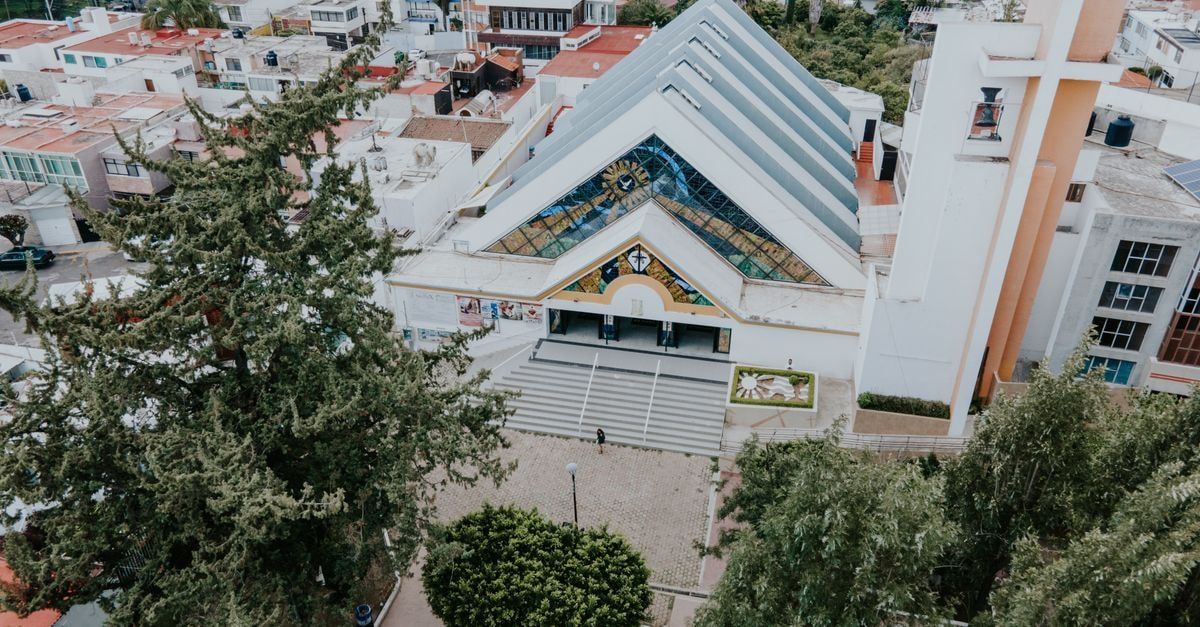
Coyoacán's identity is rooted in layers of history. The neighborhood was already a village when the Aztecs arrived in the 14th century, and it was still a village when Cortés made it his temporary capital after the fall of Tenochtitlán. That long arc, from pre-Hispanic settlement to colonial headquarters to modern bohemian enclave, gives the area a depth that rewards visitors who slow down and look.
A simple approach works best. Pick one or two anchor sights for the day, then let the plazas, markets, and side streets fill in the rest. The area rewards wandering as much as checklist tourism, and many of the most memorable moments come from unplanned detours into a quiet courtyard, a small gallery, or a bench under a jacaranda tree.
For travelers who like a little structure, anchoring a day around a single cultural institution and then walking outward through the surrounding streets tends to produce a satisfying rhythm without feeling rushed.
A few final notes for planning
Coyoacán suits travelers who would rather trade a packed itinerary for a slower, more textured experience. It works especially well for visitors who plan to spend several days in Mexico City and want a base that feels rooted in something older than the modern skyline. Independent travelers, culture-focused tourists, and anyone with an interest in art, literature, or Mexican history tend to find a lot to like here.
Because so much of the appeal is in the everyday texture of the neighborhood, leave room in your plans for unhurried time. A long lunch, an afternoon in a plaza, and an evening walk will tell you more about Coyoacán than any rush between checkpoints.
Travel conditions can change over time, and details such as opening hours, transit routes, and local services are best confirmed through official channels before you go. Treat this guide as a starting frame for your own research rather than a final word on the ground.
Share this article
TOOLS FOR THIS PLAN
Make the Coyoacán plan measurable
Choose a tool only when it answers the next question in your trip. Your values stay in the browser, and each tool offers a route back to this planning context.