A working port that rewards the curious traveller

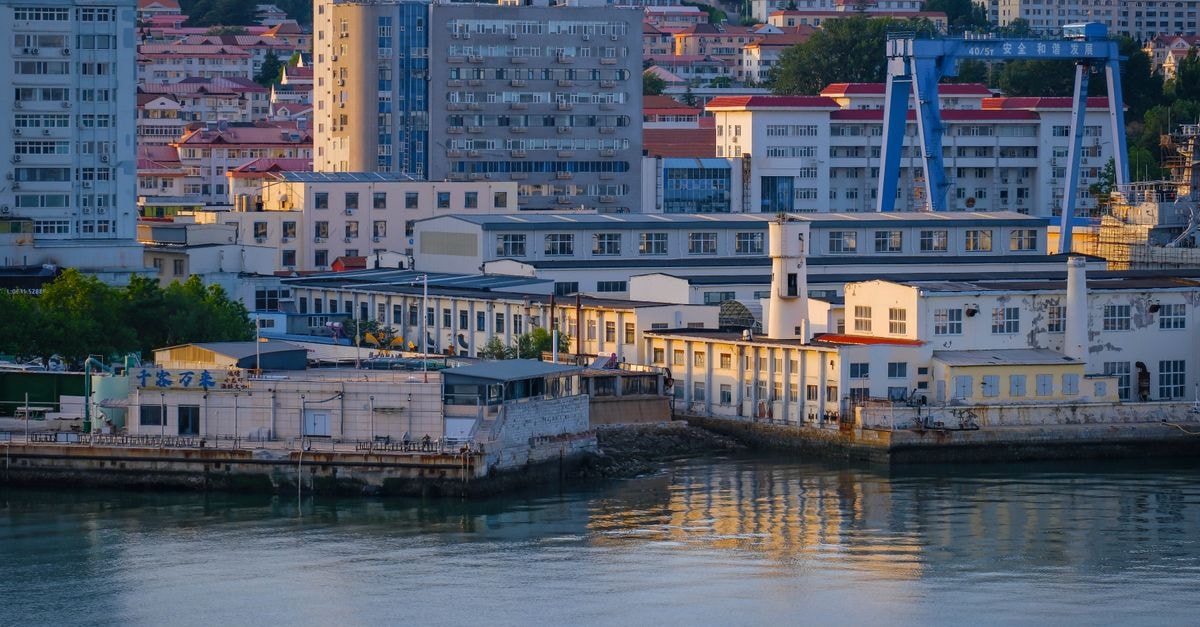
Toamasina sits on the east coast of Madagascar as the country's first port, and that single fact shapes almost every encounter here. The city has the texture of a real, working harbour town rather than a polished resort: container traffic, fishing pirogues, and a long, breeze-softened seafront. For travellers who enjoy places where daily life is the main event, that atmosphere is a large part of the appeal. Toamasina is also framed as a transit point by many larger guides, which quietly understates how much there is to notice if you slow down for a few days.
The city is widely known by its older colonial name, Tamatave, and you will see both names used on signage, in conversation, and in transport listings. Cruise ships can dock directly at the commercial quay rather than anchoring offshore, which makes Toamasina unusually easy to enter by sea compared with many Indian Ocean ports.
Weather and seasonal context
Toamasina's climate has a clear rhythm that visitors can plan around. The May–November stretch is widely described as the most comfortable period: humidity drops, the seas are calmer, and cyclone risk is low. The May–October window is also the cooler, drier spell, and these dry months are generally considered better for beaches and canal-based outings. Travellers who choose this stretch often find that walking around the city and spending time along the coast simply feels less exhausting than during the wetter months.
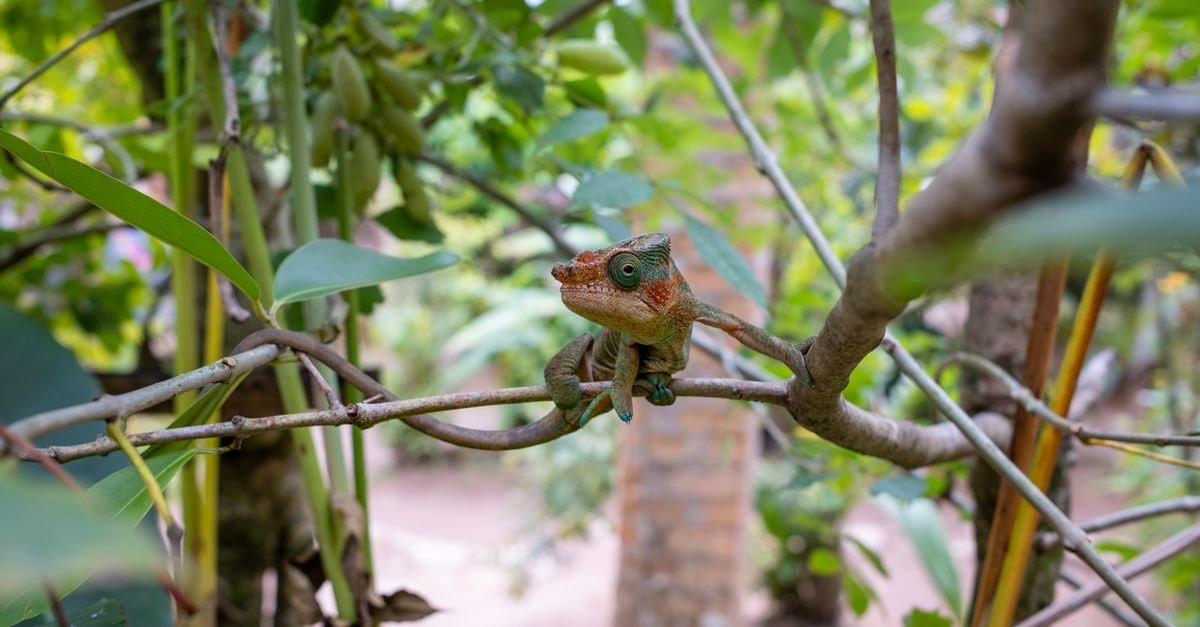
For anyone interested in wildlife photography, the calmer conditions during this period also pair well with one specific outing that keeps coming up in local recommendations: boat trips along the Ivoloina River that combine canal and forest in a single excursion. Calm seas and lower humidity make it a friendlier way to spend long hours with a camera.
It is worth being honest about the limits of that picture. General travel sources position Toamasina as a stop worth slowing down for, but the same material does not give precise daily temperatures, rainfall totals, or live sea conditions for any given month. Treat any specific forecast, tide table, or cyclone bulletin you find closer to your departure as the deciding source.
Getting around
Toamasina is a port city built for movement, and the practical rhythm of the day is shaped by how you arrive and how you choose to move once you are on the ground.
**Arriving by ship.** Cruise ships berth directly at the working commercial quay, so passengers step off the gangway rather than transferring by tender. That makes a one-day port call unusually efficient and reduces the friction of a short visit, which is useful if you are only passing through.
**Arriving by land or air.** The city is described as a regional hub for discovering Madagascar's east coast and its surroundings, which means it is connected to wider itineraries by road and by air. Practical connections, schedules, and current prices are the kind of detail you should confirm with an official carrier or travel office before you commit.
**Moving through the city.** Like most large Malagasy cities, Toamasina rewards travellers who keep their wits about them. Petty crime is common, and pickpocketing and theft are known to happen in markets and at night, so securing bags and keeping valuables discreet is simply part of moving through the day. Basic habits — keeping your phone out of sight at the market, choosing well-trafficked streets after dark, and not leaving bags unattended in vehicles — go a long way here.
**On foot and by taxi.** The city centre and the seafront boulevard are walkable in the cooler hours of the day, while taxis and shared transport cover longer distances. Because no fixed rates or timetables are documented in the approved material for this guide, ask locally what a ride should cost before you set off, and agree the price in advance where the system calls for it.
Attractions and planning
Toamasina is often described as a transit hub — a city travellers pass through on the way to somewhere else. That framing is fair for some itineraries, but it can also cause visitors to miss the texture of the place itself.
What the city genuinely offers is a layered coastal experience: a working harbour, a long seafront, fishing communities along the coast, and the inland canals and waterways that fan out toward the rainforest. These are not packaged attractions so much as the geography of the place. A few days spent walking the seafront at dawn, watching the port work in the morning, and then taking a boat trip that combines canal and forest landscapes is a more honest picture of Toamasina than a checklist of named sights.
For wildlife photographers and slow travellers, the combination of a calmer sea, lower humidity, and accessible river excursions makes the May–October stretch particularly rewarding.
Because the approved material for this guide does not catalogue specific named attractions, current opening hours, or entry fees, treat any list of "must-see" sights you find elsewhere as a starting point rather than a confirmed itinerary. Verify what is open, what is currently accessible by road or by boat, and what local guides recommend before you set out.
Planning a balanced stay
A useful Toamasina itinerary leans on the city's geography rather than fighting it. Mornings tend to be the most comfortable hours for walking the seafront and exploring the markets; the middle of the day is better for a shaded lunch, a slow coffee, or simply pausing; late afternoons open up again for boat trips, longer walks, or visits along the coast.
For travellers on a transit day, a short port call still has plenty of material: the harbour at work, the seafront boulevard, a meal of fresh fish, and a glimpse of the canal-side landscapes on the edge of town. For travellers staying two or three nights, the layered experience becomes much more rewarding, and the city starts to feel less like a waypoint and more like a destination in its own right.
This guide deliberately does not prescribe a fixed stay length, pair specific places into a guaranteed day plan, or recommend day trips outside the city. Those choices depend on your pace, your interests, and verified local information that is beyond the scope of this overview.
Costs, payments, and practical notes
The approved material does not include currency-specific guidance, so any Malagasy ariary amounts or exchange details you use should be treated as a reference only; check the live rate through a current source before you exchange money or pay for anything.
It also does not include published daily budgets, so this guide does not quote a per-person figure. Your real spend will depend on where you stay, how you move around, and whether you book excursions independently or through a local operator. Decide your own daily limit, keep small ariary notes for taxis and small purchases, and ask locally before committing to larger bookings.
Because general travel guides describe Toamasina as a stop worth taking seriously rather than a city with a polished tourist infrastructure, plan for a small degree of improvisation. That, in many ways, is the point of coming here.
A final note before you go
Factual travel conditions can change. Opening hours, transport schedules, market days, road conditions, and security conditions all shift over time, and the information in this guide reflects general, durable patterns rather than a live snapshot. Treat any specific detail as something to verify with an official channel, a current local contact, or your accommodation before you act on it. With that in mind, Toamasina remains one of the most genuinely interesting port cities on the east African seaboard, and a little preparation goes a long way toward enjoying it well.
Share this article
TOOLS FOR THIS PLAN
Make the Toamasina plan measurable
Choose a tool only when it answers the next question in your trip. Your values stay in the browser, and each tool offers a route back to this planning context.