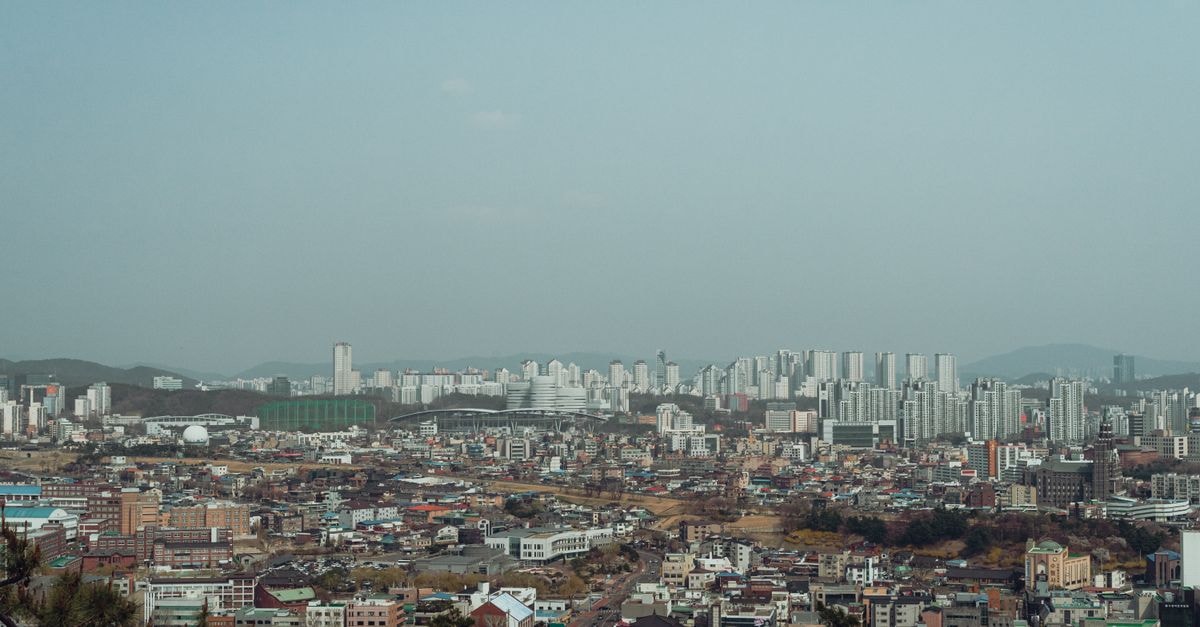
A first impression of Ulsan

Ulsan has the feel of a city that rewards unhurried wandering. Set along South Korea's southeastern coast, it carries a quieter rhythm than the capital, with industrial waterfront edges giving way to pockets of green space and a working harbor atmosphere. Visitors often arrive expecting a stopover point and end up appreciating the calm it offers between busier stops on a longer route. That slower pace is part of what makes Ulsan feel like its own destination rather than a transit city.
What gives the city its texture is the mix of everyday Korean life and the surrounding landscape. Locals move between markets, coastal viewpoints, and leafy parks with the kind of ease that suggests a place shaped more by residents than by visitors. For travelers, this translates into a city that is easy to step into without a packed schedule, where simply choosing a direction and walking can lead to a pleasant afternoon.
Weather and seasonal context
Ulsan's weather shifts noticeably across the year, and the differences are worth keeping in mind when planning days outside. The approved climate reference notes that January nights average around -3 °C (27 °F), while daytime temperatures rise to a more moderate 6 °C (43 °F). That kind of swing means mornings can feel crisp while afternoons invite a lighter layer. Because the reference focuses on January conditions, anything beyond that should be checked against a current forecast before packing or planning outdoor time. Layering tends to serve visitors well, since coastal cities can shift between cool and mild even within a single day.
Getting around
Ulsan's public transport network is designed around making daily movement straightforward for residents, which is good news for visitors as well. City buses cover most parts of the city, and the routes are laid out in a way that lets you travel within Ulsan without needing to think too hard about logistics. For many travelers, this means a simple city bus pass or a tap-based card is enough to move between neighborhoods, the harbor area, and nearby park spaces without relying on taxis for every short trip.
If you are arriving by rail, there is also a Limousine (Express) Bus linked to KTX Ulsan Station, which helps bridge the gap between high-speed rail arrivals and the rest of the city. The exact bus number and timetable can change, so it is worth checking the latest schedule at the station or through an official transport source on the day. Having that express link makes it easier to step off a long train ride and settle into Ulsan without an extra transfer.
Beyond the road network, Ulsan's coastal setting naturally raises the question of whether you can travel by boat or ferry to nearby islands from the city. The harbor and surrounding waters do support maritime connections, but specific routes, operators, and schedules are the kind of detail that should be confirmed locally before planning a trip, since ferry services can shift with season and demand.
Attractions and planning
Ulsan has a relaxed spread of places to spend an afternoon, and one of the most pleasant patterns to know about is how close green space is to everyday city life. Ulsan Grand Park, for example, sits within easy reach of the urban area, which makes it the kind of place where a weekend afternoon can turn into a slow walk, a picnic, or simply a stretch of time outdoors without a long journey out of town. Having that kind of accessible nature in the city is part of what shapes Ulsan's gentler pace, and it gives visitors a natural anchor for an unhurried day.
The wider mix of attractions in Ulsan ranges from coastal viewpoints to cultural stops and quieter neighborhood corners. Because the city is more about atmosphere than a checklist of headline sights, planning tends to work best when you leave room between visits. Choosing two or three places for a day, with time to sit in a park or by the water in between, usually feels more rewarding than racing across the city. For exact opening hours, ticket details, or seasonal closures, an official tourism source or local information center is the safest reference before you set out.
A few practical notes
A useful mindset for Ulsan is to treat the city as a place to settle into rather than to tick through. The buses make it easy to move around, the parks give you room to breathe, and the food culture rewards lingering over a meal. Packing layers is sensible because coastal weather can shift, and keeping a flexible plan makes room for the small discoveries that tend to define a visit here.
Factual travel conditions can change, and details such as bus routes, ferry schedules, park opening hours, and seasonal food availability should be checked through official channels before departure. A quick look at the local tourism site or a stop at an information center on arrival goes a long way toward making a Ulsan visit feel easy and well-paced.
Share this article
TOOLS FOR THIS PLAN
Make the Ulsan plan measurable
Choose a tool only when it answers the next question in your trip. Your values stay in the browser, and each tool offers a route back to this planning context.