A capital that rewards a slower pace

Ankara often gets skipped in favor of the coastal headline cities, which is part of what makes it appealing. It is the political center of Türkiye and one of the country's largest urban centers, with a layered story written through Byzantine and Ottoman-era archaeology, a youthful café and bar culture, and a working rhythm that feels distinctly its own. Travelers who prefer cities with depth over polish tend to find their footing here quickly.
If you arrive curious about Turkish history, modern civic life, or simply want a calmer base than the better-trodden tourist capitals, Ankara opens up in ways that feel earned rather than curated.
Weather and seasonal context
Ankara sits on the Central Anatolian plateau, and the climate shifts noticeably across the year. The coldest stretches bring sub-zero mornings, while high summer can feel genuinely hot with dry skies and moderate air quality. Spring and autumn tend to read as the gentlest windows, with daytime temperatures that suit long walking days and cooler evenings that make the café culture especially inviting.
The pattern most travelers describe is bright, dry skies and a wide swing between day and night temperatures. Mornings can feel brisk even when afternoons are warm, so layering tends to serve visitors better than packing for a single temperature. Air quality readings vary through the year, with cooler months typically showing higher numbers than the summer low.
Because conditions can change year to year, it helps to check a live forecast close to your trip and pace outdoor plans around the middle of the day when temperatures are at their most comfortable.
Getting around
Ankara is built around a central axis that is genuinely easy to navigate. The city has a metro network along with the older Ankaray light-rail line, and together they cover the main central corridors, including Kızılay, which functions as a key hub for both transit and daily life. For many visitors, the metro plus a few well-placed walks covers most of the sightseeing they have in mind.
If you are arriving from another Turkish city by rail or bus, travel guides have noted that it can be sensible to reserve popular departures ahead of time, as seats do sell out on busy routes. Once in the city, taxis and ride-hailing services fill the spaces between stations, and many of the headline sights cluster within a short ride of one another.
Travelers who prefer not to rely on a car for every outing may appreciate how much of Ankara's core sits within the metro catchment. A small amount of pre-planning around which station sits closest to your priorities tends to save both time and energy.
Attractions and planning
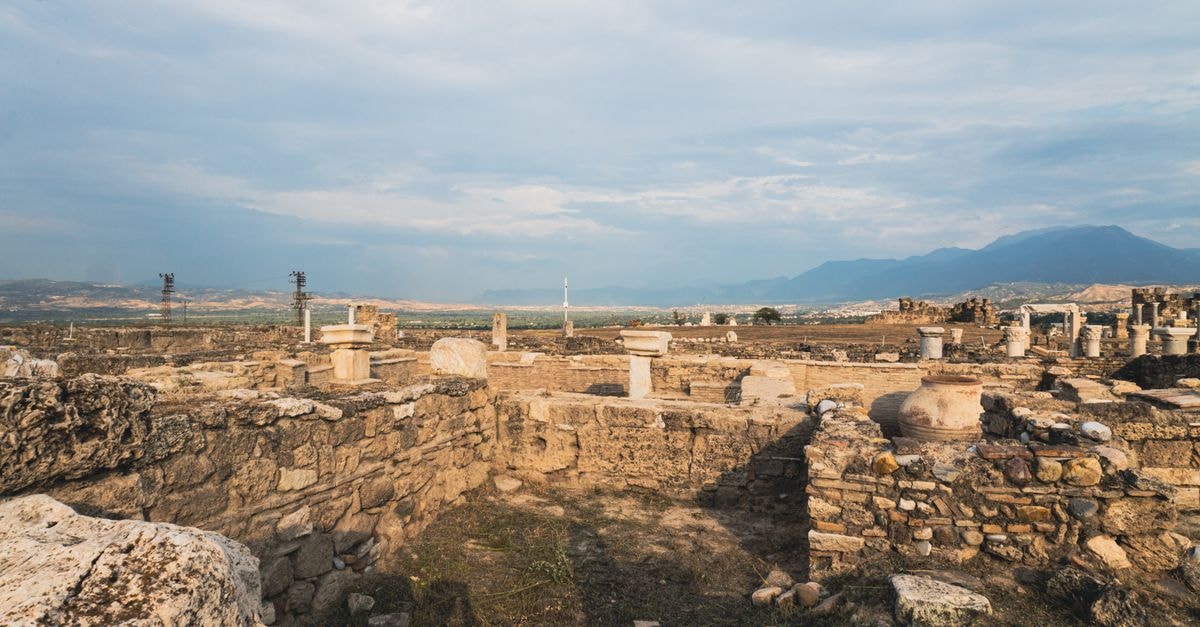
Ankara's appeal for many visitors is its archaeology. The city holds a number of archaeological sites that reach back through Byzantine and Ottoman eras, giving it a historical texture that is rare among modern capitals. Beyond the headline sites, there is a sense of layered history folded into everyday streets, from old quarters to civic landmarks.
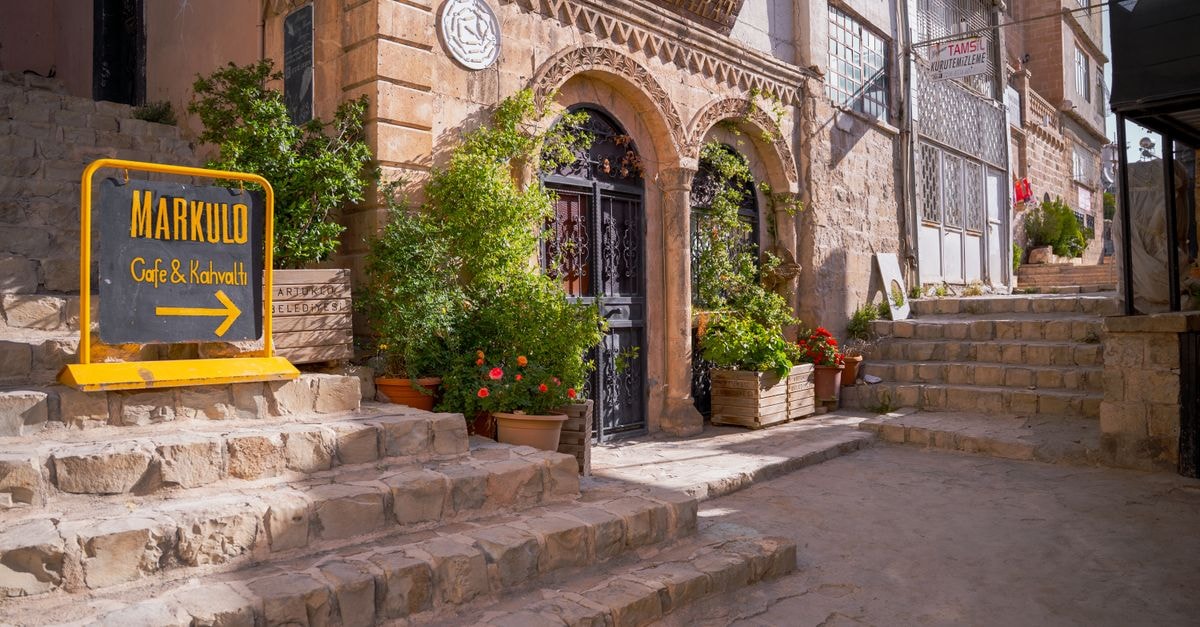
A booming youth-driven café and nightlife scene also shapes the city's rhythm, drawing a wide range of visitors who want a contemporary Turkish city rather than a museum piece. Students and younger travelers in particular seem to set the tone of many neighborhoods, and that energy translates into late-opening cafés, small bars and an informal welcome.
Ankara suits history-focused travelers who want a working capital without the crowds of the better-known Turkish cities. If you are the type who likes to read every museum panel and wander old quarters at a slow pace, the city rewards that approach. Visitors who need a constant stream of packaged sightseeing might prefer to pair Ankara with another stop, since the appeal here is more about texture than checklist.
Food and capital context
Ankara sits at the center of national civic life as the capital of Türkiye, and that role shapes the rhythm of the city's restaurants, cafés, and everyday food encounters. Visitors will find that the capital's dining scene reflects its status as a hub where people from many regions come and go, and asking for up-to-date recommendations locally or from your hotel is generally more useful than relying on a fixed set of named places. Those who enjoy simply following the neighborhood energy may find that the most rewarding meals arrive without much planning at all.
Choosing what fits the trip
Ankara tends to suit travelers who are curious about history and modern Turkish civic life, comfortable using a metro, and happy to let a city's atmosphere guide the day. It can feel like a quieter, more reflective alternative to the country's better-known tourism capitals, which is exactly the point for many visitors. If your priority is nonstop sightseeing or a beachside escape, you may want to balance Ankara with another destination rather than make it the whole trip.
A short verification question to keep in mind before you go: check the latest forecast and any updated transit information closer to your travel dates, since conditions and service details can shift.
Factual travel conditions can change, and official channels should always be checked before departure.
Share this article
TOOLS FOR THIS PLAN
Make the Ankara plan measurable
Choose a tool only when it answers the next question in your trip. Your values stay in the browser, and each tool offers a route back to this planning context.