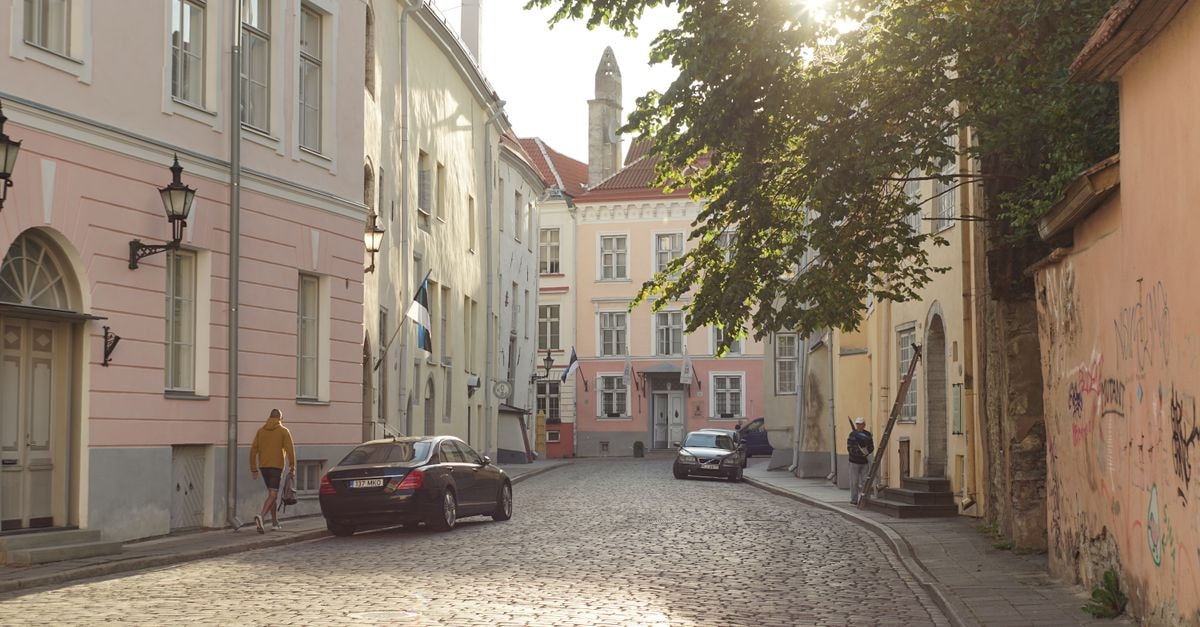
A city that reads like an old library

Uppsala carries itself like Sweden's fourth-largest city with a small-town temperament, weaving together student energy, Iron Age burial grounds, and a skyline shaped by cathedral spires and castle silhouettes. The pull of the place has always lived in that layering — a university town where Viking lore sits next to lecture halls, and where the river Fyris feels like a quiet main street connecting the past to the present. For travelers weighing a short Swedish stop beyond Stockholm, Uppsala offers a kind of intellectual calm that is rare for a city of its size.
Weather and seasonal context
Because the source offers general seasonal guidance rather than a forecast, treat any specific condition — wind, rain, sun — as something worth checking closer to departure rather than as a given. The upside of a September visit is that the busy summer crowd thins, the trees around the older parts of town start turning, and the city settles into a quieter, more reflective mood that suits long museum afternoons and long coffees by a window.
Getting around and the Stockholm link
Uppsala connects smoothly with Stockholm, which makes the city unusually flexible for travelers building a wider Swedish itinerary. Two rail options are commonly referenced for the roughly 40-minute hop: the SL pendeltåg commuter train at around 120 SEK return, and the SJ regional train at around 250 SEK return. Travel time is close between the two — about 40 minutes on the pendeltåg and about 35 minutes on the SJ service — so the decision often comes down to whether you want the cheapest fare, a faster express-style ride, or a specific departure time.
Within Uppsala itself, the city's compact scale rewards walking and cycling. Many of the headline sites — the Cathedral, the University quarter, the riverside walks — sit close enough together that a visitor can move between them on foot without needing a bus or taxi for a typical day. For longer stays, the local tourism office and InfoPoints around the city can hand out brochures and answer practical questions, which is useful if you arrive without a fixed plan and want to shape the day on the ground.
One framing that fits the season: April through October is generally described as the optimal window for visiting, and September sits firmly inside that band. That makes a September trip a reasonable choice for travelers who prefer the calmer end of the high season over the busiest summer weeks.
Attractions and planning around Kulturnatten
The single most date-specific reason to consider September in Uppsala is Kulturnatten — Culture Night — on 12 September 2026. Uppsala University organizes a wide range of events for that evening, and the university publishes an overview along with a curated selection of what is on. For visitors, this turns one night of the year into a dense sampler of lectures, performances, exhibitions, and behind-the-scenes openings that would normally require separate bookings on separate days.
Beyond the Culture Night window, Uppsala's attractions spread across museums, gardens, and historic houses. The longer list compiled by Destination Uppsala includes Uppsala Cathedral and its Treasury, Uppsala Castle and the Uppsala Castle Museum, the Uppsala Art Museum, the Uppland County Museum, Bror Hjorths Hus, Biotopia and the Museum of Evolution, the Gamla Uppsala museum, the Royal Mounds, Gustavianum, Carolina Rediviva, the Linnaeus Garden and Museum, Linnaeus Hammarby, the Museum of Medical History, and the runestone sites around Uppsala and Uppland. Skokloster Castle also sits within reach for those with extra time. Planning-wise, this is a city where a traveler can lean into one or two themes — Viking-era history, botanical heritage, medical and scientific collections, or art — and let the rest wait for a return trip.
Two practical notes that follow naturally from the evidence rather than from assumption: the tourism authority's official visitor guide is designed to point visitors toward must-see attractions and experiences, and a separate Destination Uppsala page lists museums, food experiences, and lighter activities like bowling and mini golf for evenings or rest-day hours. Use those as starting points rather than itineraries, because individual opening hours, ticketing, and reservation needs are not confirmed by the available sources and should be checked directly before visiting.
Food and the wider Swedish context
Uppsala's food scene exists inside a broader Swedish food and beverage culture that the national tourism authority describes as ranging from traditional dishes to the most current innovations in modern cuisine. Without city-specific venue or dish evidence in the ledger, the most honest framing is to treat eating in Uppsala as a slice of wider Sweden: visitors can expect both classic Swedish preparations and contemporary Nordic cooking, with the city's university character shaping which kinds of places stay open late and which lean into daytime café culture. Treat any specific restaurant recommendation, signature dish, or price point as something to verify locally rather than as a given.
Alongside food, Sweden has a wider set of customs and cultural etiquette cues that visitors tend to encounter while spending time in cities like Uppsala. Framing them as national context — the kind of behavior and small habits that shape everyday Swedish life — keeps the advice honest and useful without overclaiming what is specific to one city. As with any destination, observing how locals handle dining, queuing, and personal space is often the most accurate preparation.
A practical note on budgeting and verification
For travelers building a daily plan, the only directly price-supported element in the available evidence is the Stockholm–Uppsala rail return, which lands at roughly 120 SEK on the SL pendeltåg or 250 SEK on the SJ regional train. Anything beyond that — meals, local transport, museum entries, or a daily spending range — is not covered by the ledger, so a reliable daily budget would require current local information rather than the approved sources. Treat any figure you see elsewhere as a reference, not a guarantee, and check the live exchange rate before converting SEK into your home currency.
Two final reminders. First, Kulturnatten programming on 12 September 2026 is a strong anchor for a September visit, but the specific event list, venues, and entry conditions should be confirmed through Uppsala University's own Kulturnatten overview closer to the date. Second, factual travel conditions — train timetables, museum hours, and seasonal programming — can change, so cross-check the official channels before departure to make sure the guide still matches the city you are about to walk into.
---
**Disclaimer:** Travel conditions, prices, opening hours, and event details change frequently. Always verify with official sources and current local information before finalizing plans.
Share this article
TOOLS FOR THIS PLAN
Make the Uppsala plan measurable
Choose a tool only when it answers the next question in your trip. Your values stay in the browser, and each tool offers a route back to this planning context.