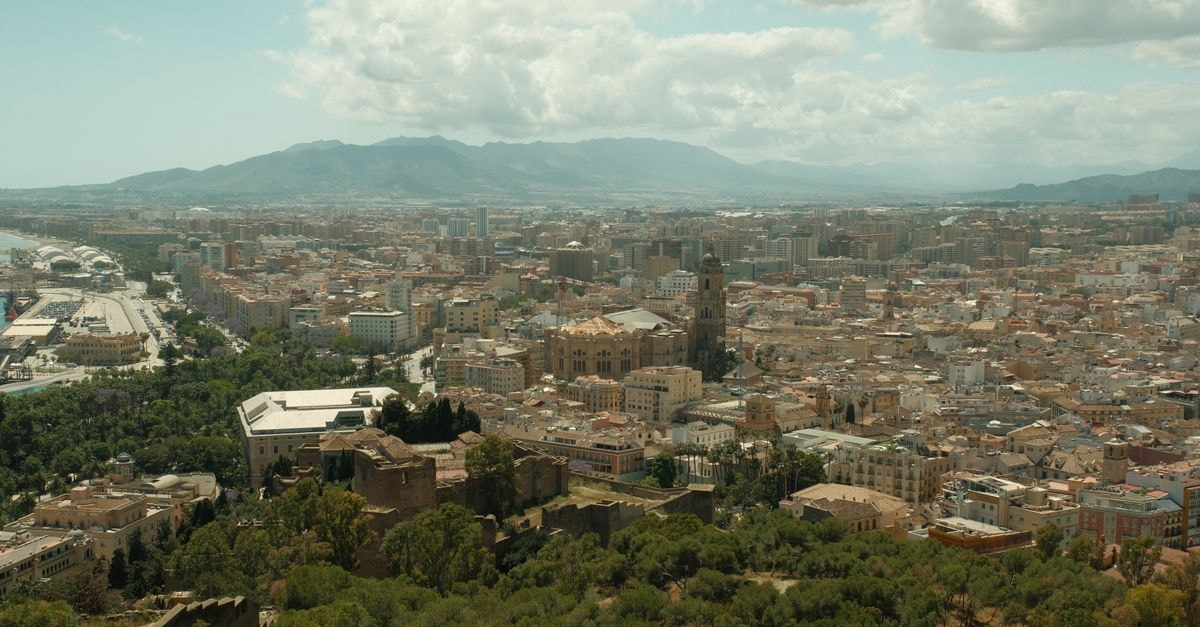
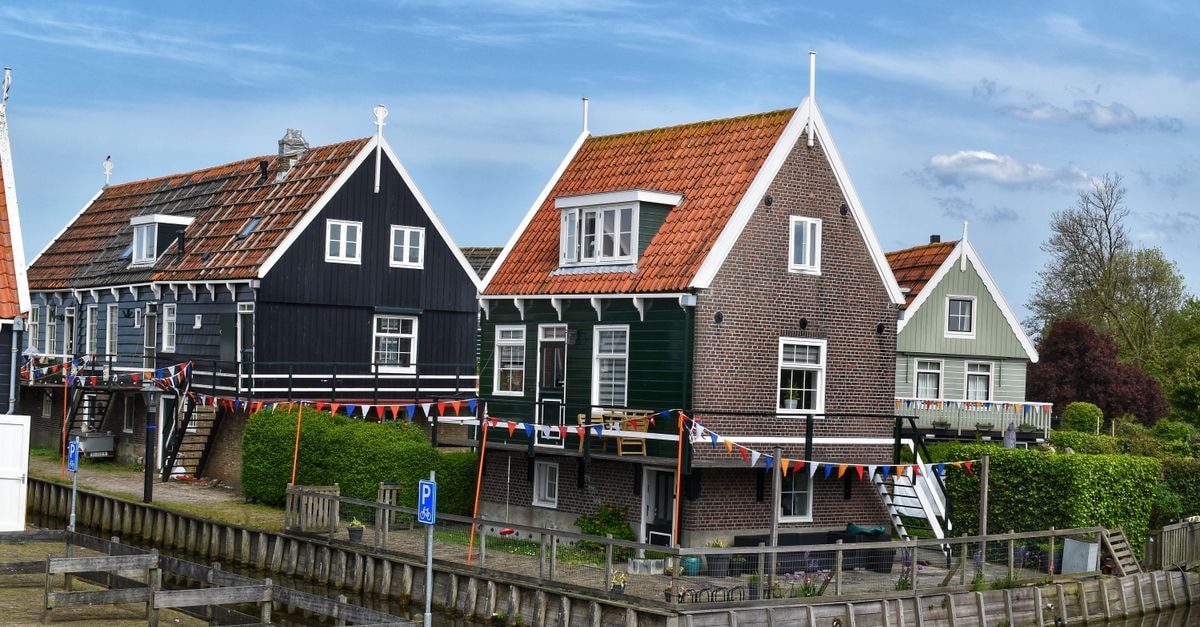
A city of spires and easy rhythm

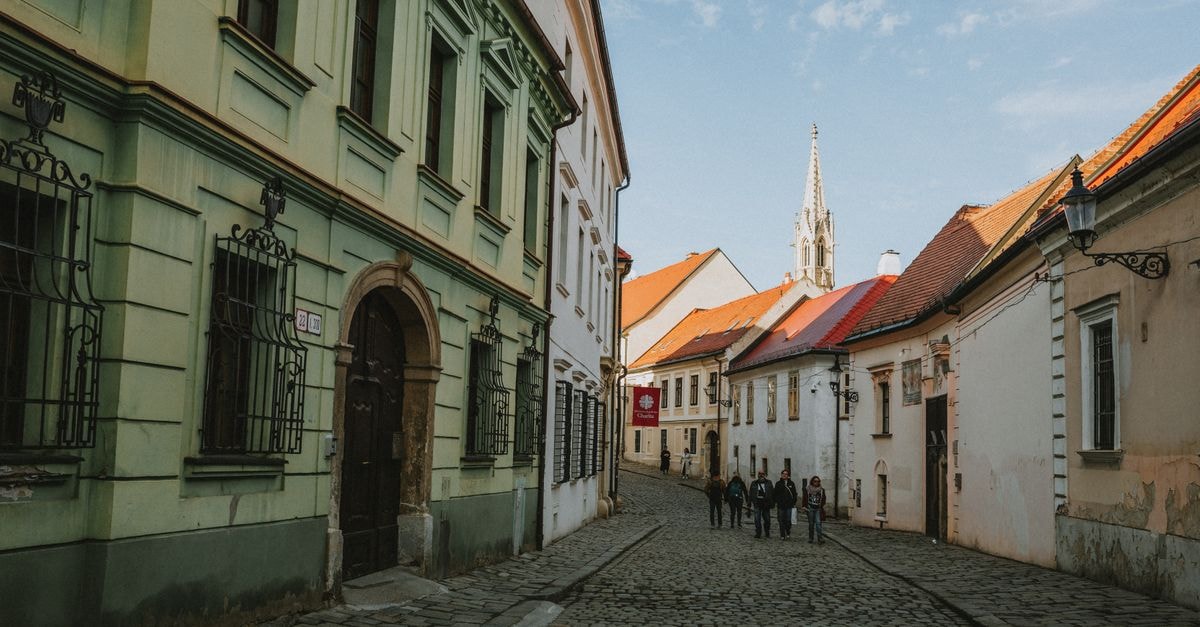
Some places earn their reputations through crowds and queue lines. Others earn them quietly, through the kind of atmosphere that settles in when you stop hurrying. Trnava, set roughly 50 kilometers from the Slovakian capital Bratislava, belongs firmly to the second group. It carries a nickname, the "Little Rome of Slovakia," tied to its impressive collection of churches and religious architecture, and that density of sacred stone gives even a short stroll a sense of layered history. The medieval core is well preserved, while a dynamic university presence keeps the streets from feeling like an open-air museum. The mix can appeal to travelers who want atmosphere without the pressure of a tightly packed sightseeing schedule, especially if a quieter, less touristed city is part of the appeal.
Weather and seasonal context
Trnava often gets overshadowed by bigger Slovak cities, which can be part of its charm for travelers who like places that still feel local. The seasonal story for the wider region tends to swing from warm, sometimes humid summers into cold, often gray winters, with spring and autumn offering gentler days in between. That means pacing can matter: a long afternoon wandering between churches can feel lighter on cooler, overcast days than during the height of summer, and visitors who dislike steep temperature swings may find the shoulder seasons more comfortable for slow exploration. Because specific day-to-day conditions vary, it is worth checking a current forecast close to your visit and dressing in layers, especially if you plan to move between sunlit courtyards and shaded stone interiors. The city's compact footprint also makes it easy to duck into a café if the weather turns, rather than fight the elements across long distances.
Getting around and orientation
A regional tourism board gathers regional attractions, trails, and practical information under one brand for visitors. For travelers, that has a simple, practical meaning: it can serve as a starting point for orientation, with maps, contact details, and curated regional content that helps you frame what you want to see on foot and what, if anything, you might want to plan beyond the historic core. The medieval center is walkable in feel, so comfortable shoes and a willingness to wander tend to matter more than a packed transit plan. If you are arriving from Bratislava or elsewhere in Slovakia, treat Trnava as a city best explored at street level, with that regional resource as a useful first stop for current brochures, walking route ideas, and seasonal event listings before you set out.
Attractions and planning
The Trnava area offers a range of attractions that can fill a day without rushing, and the variety tends to surprise first-time visitors who expected only churches. History enthusiasts and culture seekers are an obvious fit, given the well-preserved medieval architecture and the layered religious heritage of the city center. Beyond the cathedrals and chapels, the broader attraction mix is described as broad enough that "no matter your interests, this place has a surprise in store for you," which is a gentle way of saying the itinerary does not have to revolve around a single landmark. If you prefer to anchor a visit around a built environment, the historic core and its churches reward slow walking. If you prefer a more event-driven rhythm, the city has a tradition worth building around.
That tradition is the Trnavský jarmok, a long-running fair that has long been part of the city's identity. The fair is presented as a beloved recurring event, with editions described as adorned with the crown and privileges of Béla IV, a reference that ties the festivities back to the medieval roots the city is known for. Imagery around the event leans into pageantry: knights from notable houses competing in feats like spinning the quintain, charming a lady, or riding off as victors, with crowds lifting their heads and delighting in a joyful "tutti bene." For travelers who enjoy historic fairs and pageantry, this is the kind of event that can transform an ordinary city break into something memorable. If you would rather avoid the busiest days, planning around the fair's footprint, or checking dates in advance through the city's official channels, can help you choose between a lively shared experience and a quieter look at the same streets afterward. Either way, the fair is a reminder that Trnava's identity is not only architectural but also living, with traditions that still draw a crowd.
Choosing what fits the trip
Because the evidence here is broad rather than detailed, the most useful approach is to decide what kind of Trnava you want before you arrive. Travelers who prioritize medieval architecture, churches, and a compact walkable core will find the city easy to enjoy in a day or two, with extra time spent lingering in courtyards and side streets. Visitors drawn to pageantry and traditional fairs may want to look into whether their dates align with the Trnavský jarmok, since the city's atmosphere shifts noticeably around that event. Anyone who enjoys university towns will find the presence of students shaping the café and evening scene, adding a younger, more conversational tone to the old stones. If your preference is for a quieter pace with fewer scheduled stops, the smaller scale of Trnava compared to Bratislava is itself the attraction, and a slow, unhurried plan will suit you better than a checklist.
A note before you go
Treat the practical details above as a starting frame rather than a final plan. Event dates, opening hours, and local conditions can change, and official city and regional tourism channels are the most reliable source for anything that affects bookings, transit, or timed entries on the day you travel. Check those close to your departure, and let the city's relaxed rhythm set the tone once you arrive.
Share this article
TOOLS FOR THIS PLAN
Make the Trnava plan measurable
Choose a tool only when it answers the next question in your trip. Your values stay in the browser, and each tool offers a route back to this planning context.