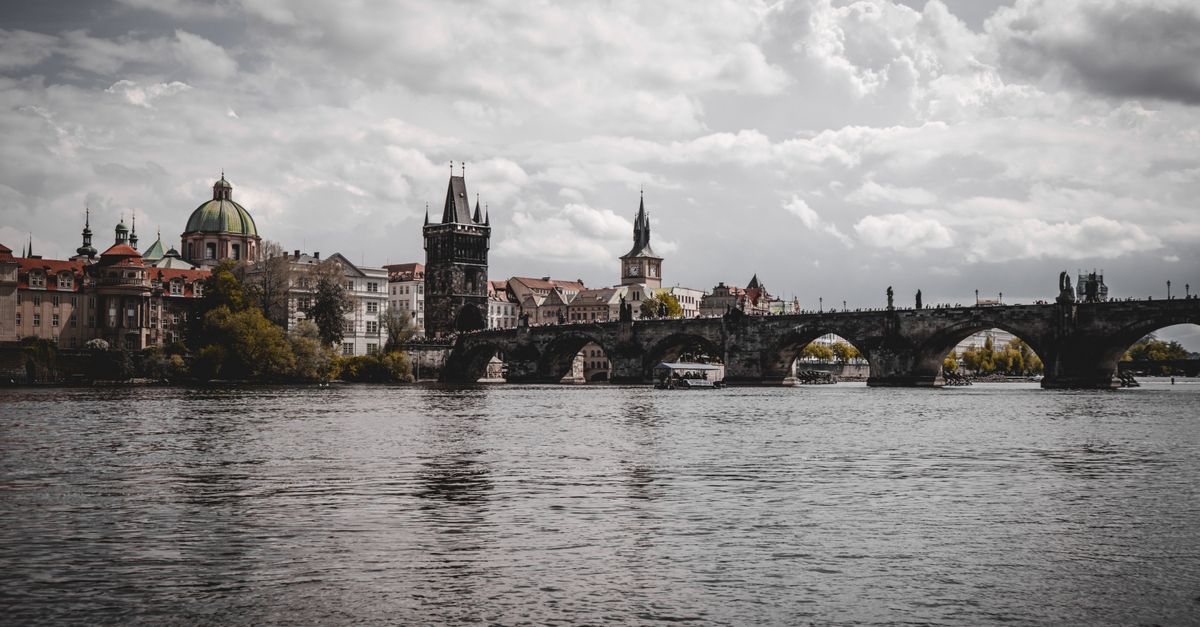
Destination Overview

Utrecht is the fourth-largest city in the Netherlands with around 362,000 inhabitants and one of the country's largest student populations. The medieval core wraps around the Oudegracht, a canal whose distinctive two-level layout lets you walk along the upper street level and step down into werfkelder (canal-side cellar) restaurants at the water's edge. Above the rooftops, the Dom Tower is the tallest church tower in the country at 465 steps. The compact centre sits next to Utrecht Centraal, the hub of the Dutch rail network and the largest train station in the Netherlands, making day trips to Amsterdam (about 30 minutes), Rotterdam and The Hague straightforward. Lonely Planet has included Utrecht in its Best in Travel 2026, and the city has been drawing attention for its canals, medieval architecture and student-driven energy.
July Weather and Daylight
July is one of Utrecht's warmest months. The July 2026 forecast for Utrecht (stad) puts daily highs between 21°C and 28.6°C, with overnight lows ranging from 11.5°C to 16.7°C; the monthly average high is 24°C and the average low is 15°C. Broader climate data for July lists typical daily temperatures between 13°C and 23°C, roughly six rain-affected days and around 3.5 inches of precipitation through the month, with about 13.7 hours of daylight at the peak. The Discover Utrecht summer guide describes July as the season of long terrace evenings, canoes and boats filling the canals, and weekend festivals. Pack layers for cool evenings, a light waterproof, sunscreen for the long days, and shoes comfortable for cobbled lanes.
Getting There and Moving Around
Utrecht Centraal is the hub of the Dutch rail network, with direct trains from Schiphol Airport and Amsterdam taking just over 30 minutes. International services include the ICE to Cologne and Frankfurt every two hours. Regional and city buses, plus trams, depart from stations on either side of the main train station; check the U-OV and 9292 route planners for connections. Long-distance Flixbus services stop on the western (Jaarbeurs) side of the station.
A particularly useful July promotion: from July 18 to August 30, 2026, U-OV caps all daily rides on its day buses and trams in the province of Utrecht at €5 per person per day, provided you check in and out with OVpay (the same debit card, credit card, mobile device or new OV-pass each time). The cap does not apply to OV-chipkaart users, does not cover night buses (which still cost €5 per trip), and applies only on U-OV daytime lines. Three children up to 11 years can travel free with each paying adult. Without the promotion, the standard U-OV Max daily cap is €10.
If you are driving, four P+R sites on the city edge near the A2, A12 and A28 motorways charge a flat €5 that covers a full day of parking plus public transport into the centre for up to five people. Inside the centre, parking garages run €3–€5 per hour, parking fines are around €70, and a low-emission zone restricts diesel cars that do not meet Euro 5 or higher standards. Cycling is the classic Utrecht way to move: roughly 90,000 cyclists a day use the city's main cycling routes. Bike rentals are available from the VVV tourist office and from OV-fiets pickup points; always lock to a rack and use a sturdy lock because bike theft is common.
July Events and Canal-Side Attractions
The city centre is walkable and most major sights sit within a 15-minute walk of the station. Two UNESCO-listed highlights anchor the sightseeing list: the Rietveld Schröder House, Gerrit Rietveld's 1924 experiment in flexible living space, and the Dom Tower, where summer daylight rewards the 465-step climb with panoramic views over the city. The Oudegracht wharves and the singel park loops are best explored slowly; canal cruises and canoe rental are the main summer ways to see the city from the water.
In July, the Discover Utrecht summer guide points to festivals almost every weekend and terraces packed with locals. Specific July events to plan around include:
- De Parade, a travelling theater festival that pitches a temporary tent village in Utrecht each July with theater, dance, music and visual arts across multiple venues. - The Utrechtse Fabriek design market, a curated monthly market of handmade fashion, jewellery, home décor and art from independent designers. - De Haar Castle, the largest castle in the Netherlands on the outskirts of the city at Kasteellaan 1, reachable from the centre by bus or bike for a half-day out.
Festival Oude Muziek and Le Guess Who? fall in late August and November respectively, so they are worth a later trip rather than a July visit.
Tickets, Opening Notes and Booking Pressure
July falls within the Dutch main summer holiday period, which is one reason the U-OV €5 promotion begins on July 18. Hotel demand peaks in July and August, and itinerary guides for 2026 recommend booking accommodation and any timed-entry tickets well in advance. Dom Tower climbs are weather dependent and ticketed; reserve ahead in peak weeks. The Rietveld Schröder House operates guided tours only and accepts limited numbers per slot, so book several days ahead during July.
If you are arriving by car, do not underestimate the environmental-zone checks: diesel passenger cars below Euro 5 and diesel vans or trucks that are not zero-emission can be fined in the inner-city zone, the Jaarbeurs area and several adjoining roads. Both zones expand from 2027, so rules may change after your trip.
Where to Eat: Signature Utrecht Dishes
Utrecht's food scene mixes Dutch classics with strong Indonesian and Surinamese influences, much of it accessed at canal-side werfelders or at the long-running Biologische Boerenmarkt on Vredenburgplein. Specific dishes and where to try them, with prices taken directly from the Table Journey Utrecht signature-dishes guide:
- Bitterballen (€4–€8 per portion): the deep-fried, breadcrumbed ragout ball at the heart of any Dutch borrel. Found at Kafe Belgie, Ledig Erf, Stadsbrouwerij Utrechts Bier and Belgisch Biercafe Olivier. - Stroopwafel (€1.50–€3 per wafel): warm caramel-filled waffle, best held briefly over a coffee cup to soften the syrup. Available at Biologische Boerenmarkt Vredenburg and the Twijnstraat Organic Market. - Hollandse Nieuwe and Broodje Haring (€3–€5 per herring, €4–€6 per broodje): raw Dutch new herring, eaten by the tail or chopped with onion and pickles, in a soft white roll at the Vismarkt and Boerenmarkt stalls. - Stamppot (€14–€18): mashed potato with kale, carrot-onion or sauerkraut, served with smoked rookworst sausage. - Erwtensoep (€8–€12): thick split-pea soup with rookworst that should hold a spoon upright. - Poffertjes (€5–€8 per portion): mini buckwheat pancakes with butter and icing sugar, cooked on cast-iron pans at the Boerenmarkt stalls. - Dutch Cheese kaasplank (€5–€18): gouda at young, medium, old and extra-old ages, often paired with mustard and bread. - Rijsttafel (€20–€35 per person): a Dutch-Indonesian feast of 12–20 small dishes with rice, a legacy of post-war Indo-Dutch migration. Restaurant Blauw is a long-standing address for this. - Dutch pancakes (€10–€16): large, thin pancakes, sweet with stroop and sugar or savoury with ham and cheese. Try Rocking Chair, NODA Eetbar and Deli, or De Bakkerswinkel. - Jenever (€3–€5 per shot): the original Dutch gin, malt-forward in its oude form, drier in its jonge form; the basis of a borrel.
Do not leave without trying the Sprits biscuit, a local buttery shortbread that Visit Utrecht Region lists as a defining regional product.
Budgeting, Costs and Saving Tips
Mid-range 2026 budget guidance suggests around €100–€150 per person per day covering accommodation, food and attractions. Using the July promotion and capping U-OV day rides at €5 instead of €10 saves meaningful money for anyone doing several hops a day. The P+R flat rate of €5 for up to five people means a car-based group of four or five pays roughly the same as a single day transit ticket each.
Other practical savings: stay slightly outside the historic centre (areas like Wijk C offer a more local feel and lower hotel rates), use the OV-fiets rental network rather than taxis, and cluster sights along the same tram line. Many werfkelder restaurants offer lunch menus that are noticeably cheaper than the same dishes at dinner. The Trajectum Lumen light trail along the canals is free and works well as an evening plan.
Safety and Practical Notes
Utrecht is generally safe for visitors, with normal big-city precautions applying. The most common nuisance is bike theft: use a sturdy lock, register the frame number, and park in a guarded bicycle parking facility (some are free for 24 hours). Park only in marked spots; bikes left in walkways or chained to railings can be removed by the municipality. If driving, watch for low-emission zone signs, pay at the meter inside the time window, and note that parking enforcement is strict and fines around €70 are routinely issued. Keep valuables out of sight on busy trams and at the station during peak hours.
Disclaimer
Conditions change: verify train and tram timetables, the U-OV promotion details, environmental-zone rules, attraction opening hours and ticket requirements on the official U-OV, gemeente Utrecht, NS and individual venue websites before you travel.
Prices, opening hours, schedules, reservation rules, and local conditions can change; verify them through official channels before departure.
Share this article
TOOLS FOR THIS PLAN
Make the Utrecht plan measurable
Choose a tool only when it answers the next question in your trip. Your values stay in the browser, and each tool offers a route back to this planning context.