A City Built on Hills, Color, and Sea Air

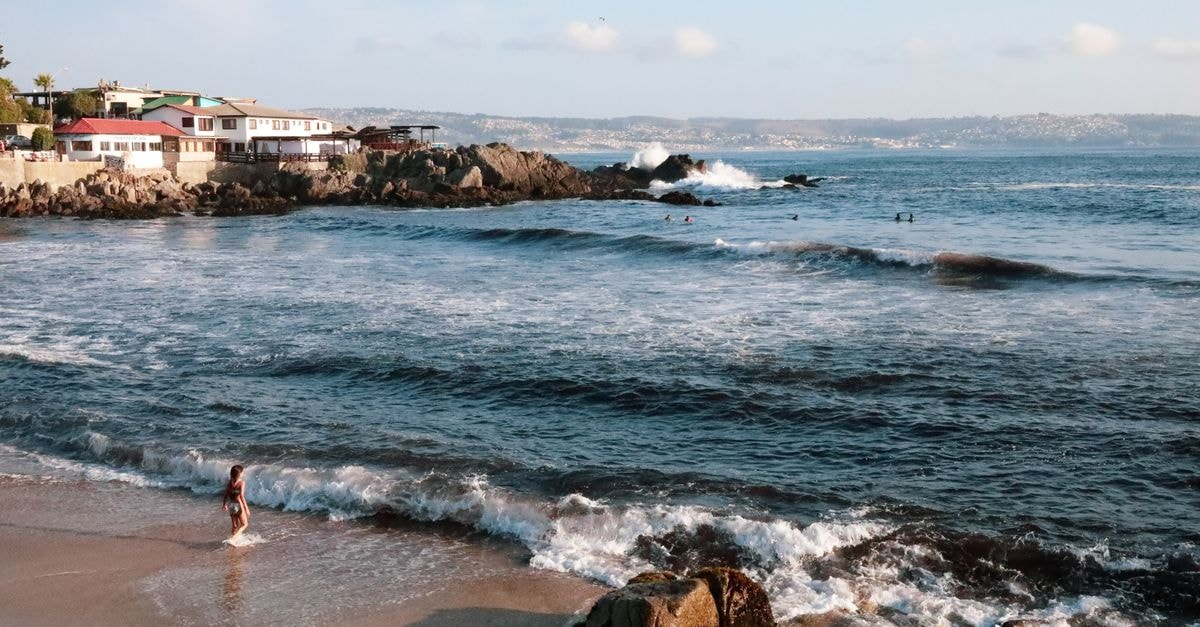
Valparaíso has a way of slowing you down, even when your legs are working hard. The city spills down a clutch of cerros (hills) toward the Pacific, and almost every corner rewards you with a sudden glimpse of bright clapboard houses, a funicular clattering uphill, or the wide blue horizon of the bay. There is no single way to "do" Valparaíso. The pleasure of visiting is in the layering: ascending staircases, doubling back through alleys painted with murals, pausing for a coffee on a terrace that overlooks the port, and trusting that the next steep block will reveal something quietly surprising.
If you are planning a trip, a few practical things shape the experience more than any checklist of attractions. Two of them are worth thinking about before you arrive: how the city's weather tends to behave across the year, and how you will actually move through those famously steep streets once you are on the ground.
Weather and Seasonal Context
Valparaíso sits on Chile's central coast, and the climate is generally mild and Mediterranean in feel, with cooler, wetter stretches and warmer, drier stretches across the year. Rather than treating any specific month as automatically "best," it is more useful to think of the city in terms of long-term patterns.
The bay area can feel breezy at almost any time of year, since sea air moves up through the narrow streets. Layering is consistently more useful than packing for a single temperature. Mornings can start cool and gray even when afternoons turn bright, and the hilltop viewpoints often feel a touch windier than the plan below. Because the weather shifts gently rather than dramatically, most visitors find they can pace their day around light and crowd rather than around a forecast: heavier exploring in the morning, a slower lunch, and then an evening walk along the lower streets when the light softens.
If you have flexibility, consider what you most want from the trip. Quieter walking days with cooler air call for comfortable shoes and a light jacket. Warmer, brighter stretches invite longer pauses on outdoor terraces and longer walks between cerros. There is no single right window; there is only the version of the city that suits the kind of trip you want to have.
Getting Around
Valparaíso is, above all, a walking city. The streets are short, the distances between neighborhoods feel modest on a map, and the reward of walking is exactly what makes the place memorable: the murals, the corner stores, the surprise view around the next bend. Walking is also the primary challenge, because the hills are steep and the staircases can be relentless. Comfortable, grippy shoes matter more here than in almost any other coastal city. Plan to climb more than you expect, and build in rests at the viewpoints rather than treating them as a goal.
For longer moves, especially between the plan, the upper cerros, and neighboring areas, the train is a useful piece of the transport picture. The EFE Valparaíso card is described as the primary travel document for anyone using the train regularly, and it is increasingly useful across other modes of transport as well. If you expect to ride more than once or twice, picking up the card early in your trip simplifies the rest of your stay; if you only plan a couple of journeys, buying single tickets as you go is also reasonable. Either way, having a small amount of local currency on hand for transport top-ups and small purchases makes the day run more smoothly.
A few practical rhythms help. Walk downhill where you can, and save the ascents for fresh legs in the morning. Use the train or a collective taxi to bridge the longer gaps between cerros rather than fighting the full route on foot. Keep your camera or phone accessible, because the views tend to arrive without warning, and try to end each day near the lower streets where restaurants and cafés cluster, so the walk back to your accommodation is gentler.
Where to Stay, in General Terms
The plan offers the densest concentration of services, restaurants, and transport connections, and many visitors prefer it for that convenience. The cerros offer more atmosphere and quieter nights, paired with steeper walks and fewer late-evening options. Either base works; the choice is really about how much vertical exercise you want to build into each day, and whether you value being able to step out for a late dinner or value waking up to a quiet street with a view.
Eating and Drinking, Without a List
Valparaíso does not demand a fixed eating itinerary. Small family-run restaurants, market-style lunch spots, and casual cafés are scattered through most of the walkable neighborhoods. Seafood features prominently along the coast, often prepared simply. In the city, expect to encounter classics such as empanadas, pastel de choclo, and ceviche in everyday menus; these are part of wider Chilean food culture that visitors may come across while spending time in the city, rather than dishes tied to a single local venue. The honest approach is to wander, read a few handwritten menus, and sit where the room feels right. Portions are often generous at lunch, and many places offer a menú del día, a set lunch that is usually the best value of the day.
A Note on Practical Travel Realities
Currency and costs move with the global economy, so any figure you read before departure should be treated as a reference rather than a guarantee. Check the current exchange rate closer to your trip, and budget with a small buffer for price changes between the time you plan and the time you actually travel. Within the city, public transport is affordable by international standards, and walking is free, which keeps day-to-day spending modest for travellers who are not chasing ticketed experiences.
Keep a little cash for small purchases and transport top-ups, since smaller shops and some transport sellers do not always accept cards. Save important numbers offline, including your accommodation address written down, because the hillside streets can be confusing after dark and mobile data can be patchy on certain climbs.
Final Thought
Valparaíso rewards travellers who treat it as a place to be walked through rather than a checklist to be completed. Plan around how you will move, choose a base that matches your energy, and leave room in the day for the slow upward walks, the sudden harbor view, and the long coffee on a steep terrace. That is where the city actually opens up.
*Travel conditions can change. Verify transport details, card acceptance, opening hours, and any local guidance through official channels before you depart.*
Share this article
TOOLS FOR THIS PLAN
Make the Valparaíso plan measurable
Choose a tool only when it answers the next question in your trip. Your values stay in the browser, and each tool offers a route back to this planning context.