A coastal city shaped by rail, sea, and resort culture

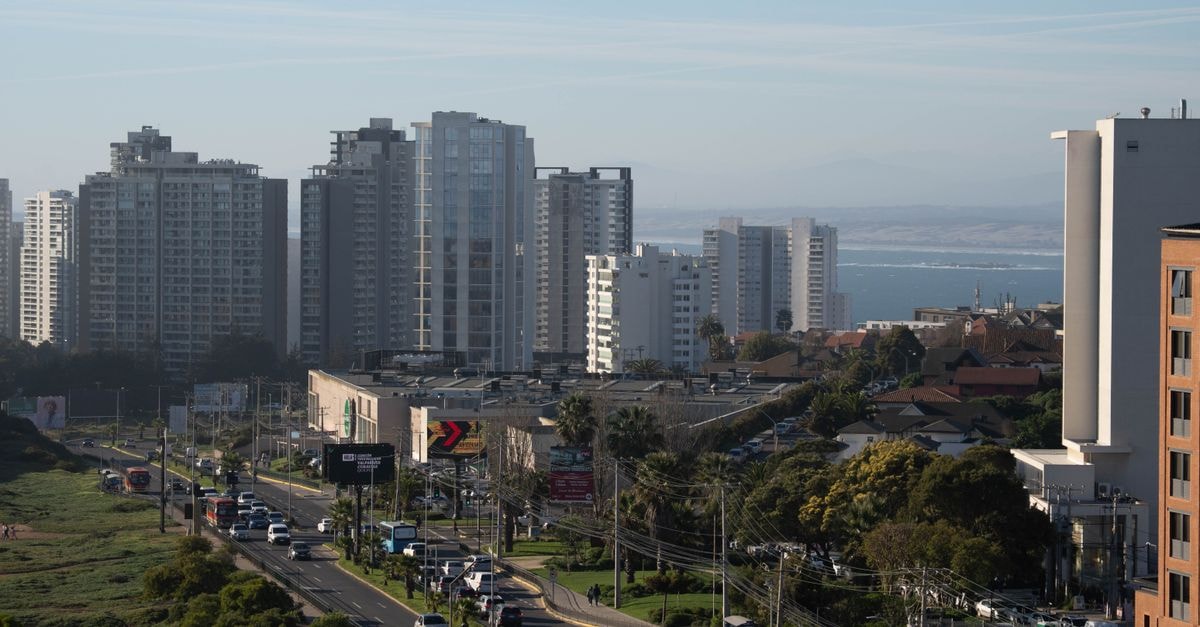
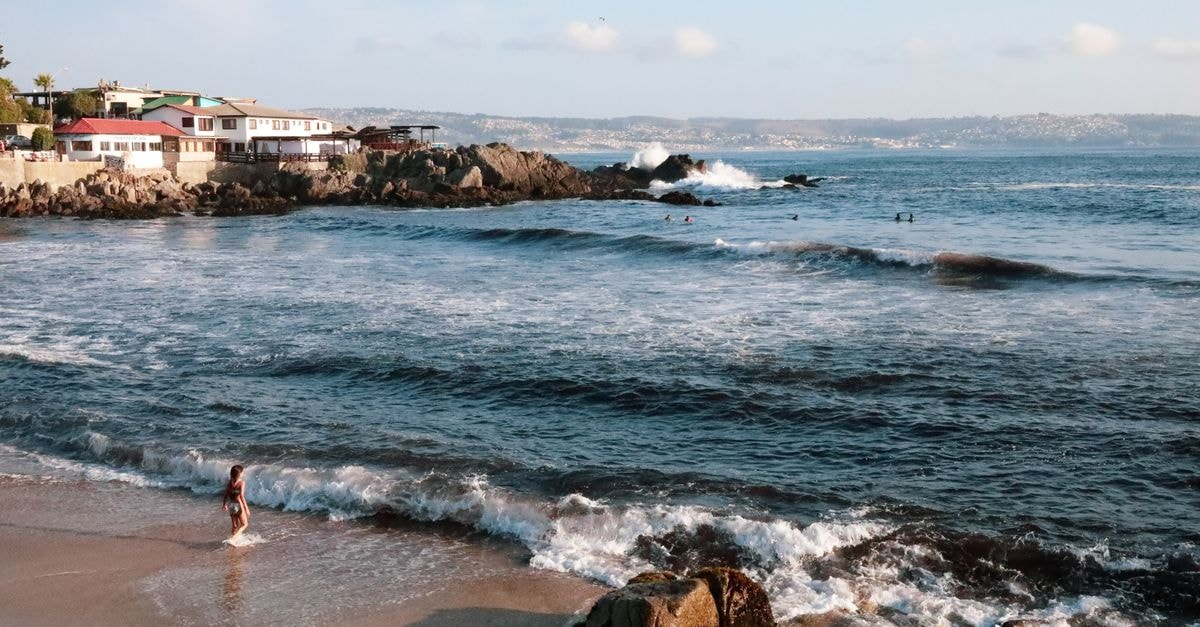
Viña del Mar has the easy rhythm of a place built for slow afternoons by the Pacific. Long stretches of coastline, leafy residential streets, and the breeze drifting in from the bay give the city a softer feel than its bustling neighbor, the Port of Valparaíso, just down the coast. Travelers often describe Viña del Mar as the more polished, resort-style counterpart to Valparaíso's hillside port character, and the two cities share a transport and tourist ecosystem rather than competing with each other.
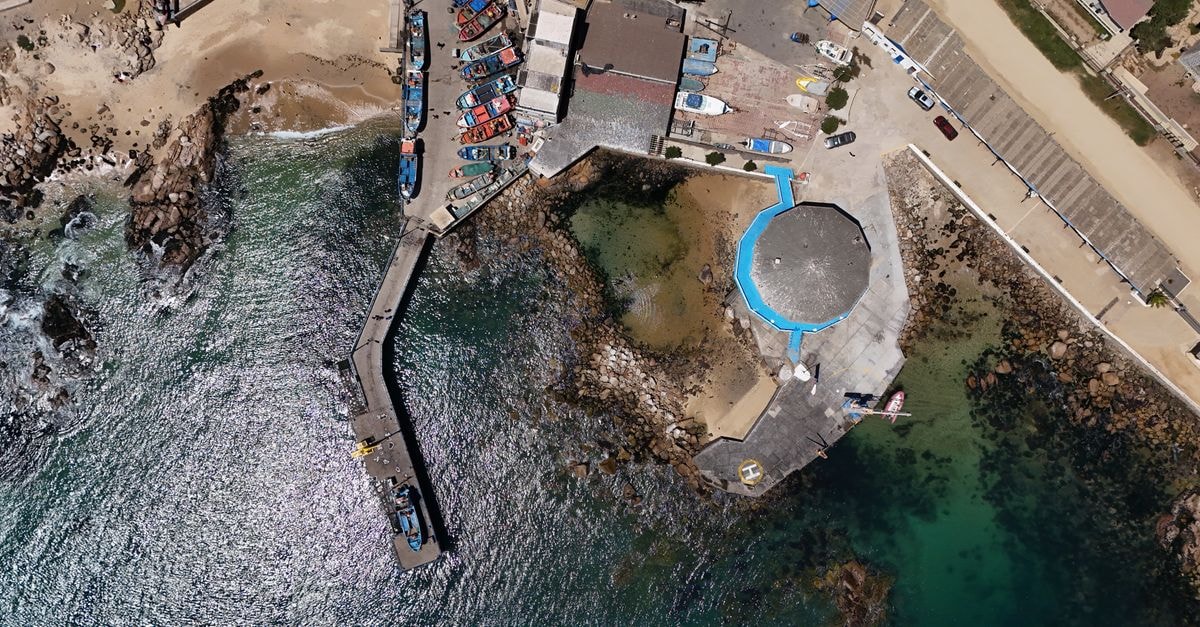
The story of how the city became a destination is closely tied to the railway. It was the opening of the railroad connecting Santiago to Valparaíso in 1855 that marked the real beginning of Viña del Mar's development. Once that line was running, the town grew around industries such as shipyards and arsenals, where iron bridges were built to carry the railway south from Santiago and to serve the Muelle Vergara along the waterfront. That mix of maritime industry and easy rail access from the capital shaped the city into the place visitors encounter today.
Getting around by bus from Santiago and the wider region
For most independent travelers, the simplest way to reach Viña del Mar is by long-distance bus. The two main lines that travel to Viña del Mar are Turbus and Pullman Bus. Buses arrive at Viña del Mar Station, which sits about three blocks east of the downtown area, making it a short and manageable walk into the center of the city.
Food and local context across the coastal cities
Exploring Viña del Mar's culinary scene through markets and restaurants is widely considered an essential part of any visit. The city sits within a broader Chilean food culture, and visitors will notice that kitchens operate on a noticeably later schedule than in many other countries. Across both Viña del Mar and Valparaíso, Chileans typically eat dinner late, and most kitchens do not get busy until around 9 pm. Adjusting to that rhythm can actually improve a trip: a slow late afternoon, a sunset walk, and then dinner when the restaurants come alive tends to match the local pace better than an early sit-down.
Local coastal cuisine reflects the maritime character of the region, and locos, a distinctive Chilean sea snail preparation, is part of that tradition for visitors who want to try something characteristic of the Pacific coast rather than a generic restaurant dish.
For travelers deciding where to focus their dining time, the two cities offer a useful contrast. Cerro Alegre's small, hillside restaurants in Valparaíso fill up faster on weekends than anywhere in Viña del Mar, which means weeknight diners tend to find a calmer table in Viña, while weekend evenings often pull more people toward the Valparaíso hills. That pattern is worth keeping in mind when choosing which night to spend where, especially if a specific type of atmosphere is part of the trip.
A few practical notes for the road
For independent travelers who enjoy cities with a clear sense of place, a walkable center, and a strong food culture, Viña del Mar offers exactly that. The railway-built downtown, the paired port energy of Valparaíso next door, and the late-evening dining rhythm come together into a coastal experience that feels distinctly Chilean.
Prices, opening hours, schedules, reservation rules, and local conditions can change; verify them through official channels before departure.
Share this article
TOOLS FOR THIS PLAN
Make the Viña del Mar plan measurable
Choose a tool only when it answers the next question in your trip. Your values stay in the browser, and each tool offers a route back to this planning context.