A Quiet Riverside Welcome: A Travel Guide to Viedma

There is a particular kind of Argentine city that travellers tend to pass through rather than plan around, and Viedma, the capital of Río Negro province, sits firmly in that category. Set on the southern bank of the Negro River, with its twin city Carmen de Patagones visible across the water, Viedma rewards visitors who arrive curious rather than rushed. It is a place of wide skies, long avenues and a pace that can feel almost pastoral for Patagonia, making it an interesting stop for anyone tracing the less-trafficked stretch of the Atlantic coast road.
This guide keeps things practical and evergreen, focused on the kind of grounded details that help a first-time visitor arrive oriented: how the climate tends to feel through the year, what to expect from the airport and onward transport, and how the local attractions scene is generally shaped.
Weather and seasonal context
Viedma sits within a cold semi-arid climate zone, a regional classification that translates into warm summers that typically peak in January and genuinely cold winters that are usually coldest in July. Because the city lies close to the coast and the river, conditions can shift quickly between sunshine and wind, and the temperature swing between midday and evening tends to be noticeable.
For travellers who prefer mild walking weather, the shoulder months around spring and autumn often feel comfortable for unhurried riverside strolls, while summer visitors should be ready for warmer afternoons and stronger sun. In winter, layering is essential: mornings and evenings can be cold, and a noticeably brisk wind is a recurring companion. Pacing the day around the warmest hours, and saving outdoor wandering for late morning through late afternoon, is a gentle way to match the rhythm of the local climate rather than fight it.
Getting around
Viedma is served by Viedma Airport, identified by the IATA code VDM and ICAO code SAVV. It is described as a compact, no-frills regional airport that prioritises efficiency over amenities, which often makes it one of Argentina's least stressful travel experiences for travellers used to larger terminals. Expectations should be set accordingly: the building is small, processes tend to move quickly, and the overall experience is more functional than bustling.
For travellers considering flying in, domestic flights to Viedma operate intermittently, and when they are available they can greatly reduce travel time compared with long-distance buses. Because the schedule is not constant, checking current availability before committing to an air itinerary is a sensible step. Buses remain the more dependable arrival mode for many visitors.
Once on the ground, getting from Viedma Airport to the city centre is straightforward. Just outside the small arrivals hall, beyond the baggage claim area, there is an official taxi rank, the parada de taxis, which is the simplest option for visitors unfamiliar with the area. For the most current routes, schedules and any municipal transport information, the official Municipality of Viedma website, available in Spanish, is the recommended reference.
Within the city itself, Viedma's layout is approachable. The centre is compact enough that short taxi rides, and walking between the main plazas and the riverfront, are usually enough to cover the essentials without complex planning.
Attractions and planning
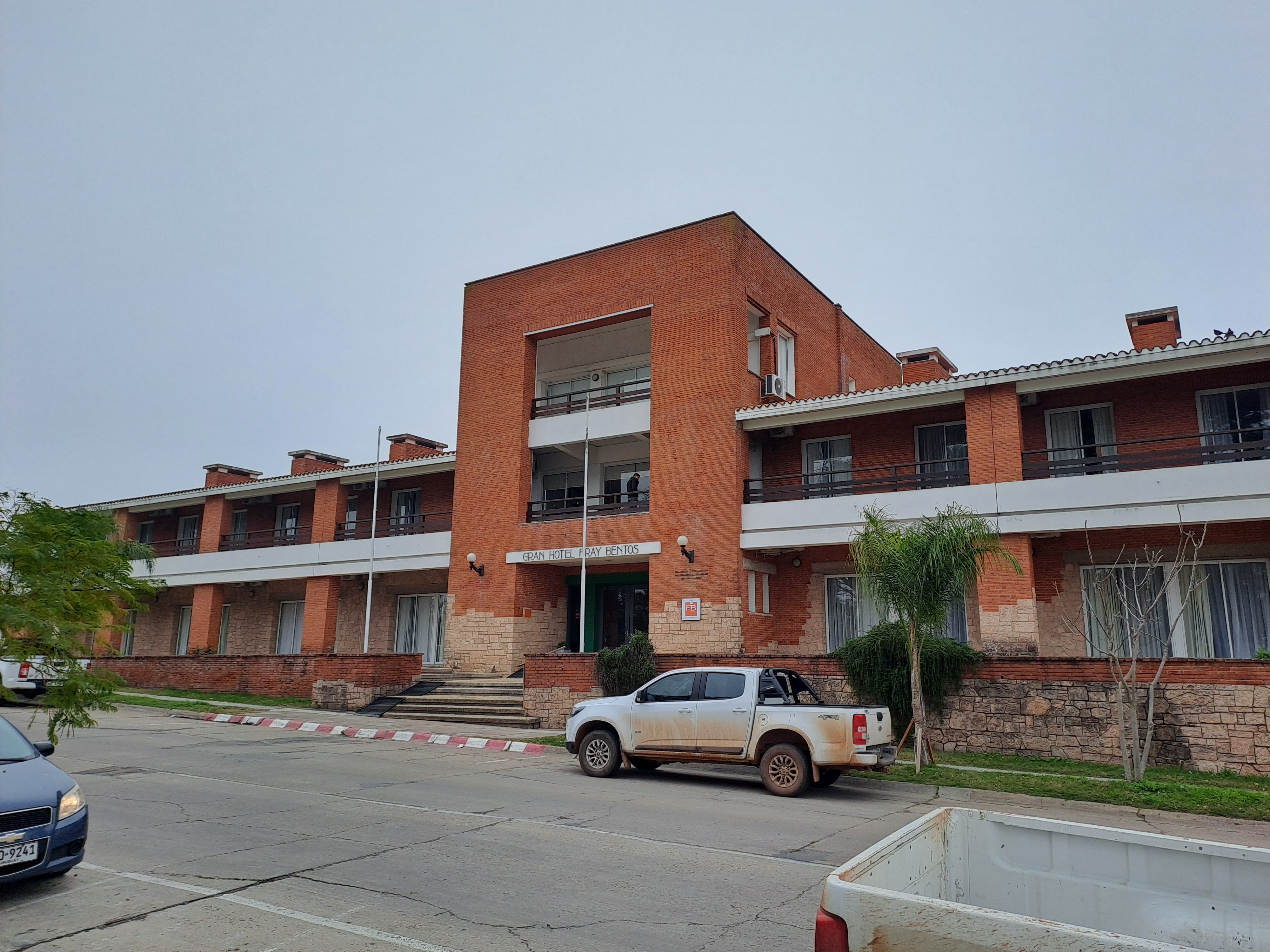
For a regional capital, Viedma has a modest attractions profile, and that understatement is part of its charm. Rather than a dense checklist of blockbuster sights, the city offers a slower kind of sightseeing, anchored by its riverfront setting, civic plazas and a tangible sense of Patagonian every-day life.
Travellers interested in history will find that the broader area, including the older settlement of Carmen de Patagones across the river, contains historic sites worth digging into. The old town of Carmen de Patagones is often referenced as contemplative tourism, a style of visiting that suits travellers who enjoy reading about a place, walking through quiet streets and absorbing layered history at their own pace rather than ticking off marquee landmarks.
Within Viedma itself, attractions coverage tends to be lighter than in larger Argentine destinations, and the city's appeal is often described in experiential terms: riverside views, the openness of its avenues, and a chance to observe the rhythms of a Patagonian provincial capital. Planning around a few unhurried half-days, with time left for simply sitting by the river or in a plaza, usually suits the place better than a packed schedule.
For visitors who like to combine research with on-the-ground exploring, it can help to arrive with a loose sense of which neighbourhood or riverside stretch to walk first, and then let the rest of the day unfold from there.
Choosing what fits the trip
Because Viedma's draws tend toward atmosphere and context rather than headline sights, the kind of traveller who enjoys it most is often the one who values space, quiet and regional flavour over a packed itinerary. A short stay of a few days usually allows time for the riverfront, the older streets, and a slow look at Carmen de Patagones from the water or the bridge, without the need to rush. Travellers who prefer dense sightseeing lists may find that pairing Viedma with another Patagonian stop creates a more varied rhythm.
For visitors arriving by air, the compact airport keeps logistics simple, while those arriving by bus should be ready for a longer journey that is part of the regional experience. In every case, building some unstructured time into the plan tends to suit the city best.
A few things worth checking before you go
- Current domestic flight availability to Viedma Airport, since service operates intermittently. - Up-to-date routes and local transport information on the official Municipality of Viedma website. - Seasonal clothing suited to a cold semi-arid Patagonian climate, with layers for cool mornings and evenings.
Factual travel conditions can change, and official channels should always be checked before departure.
Share this article
TOOLS FOR THIS PLAN
Make the Viedma plan measurable
Choose a tool only when it answers the next question in your trip. Your values stay in the browser, and each tool offers a route back to this planning context.