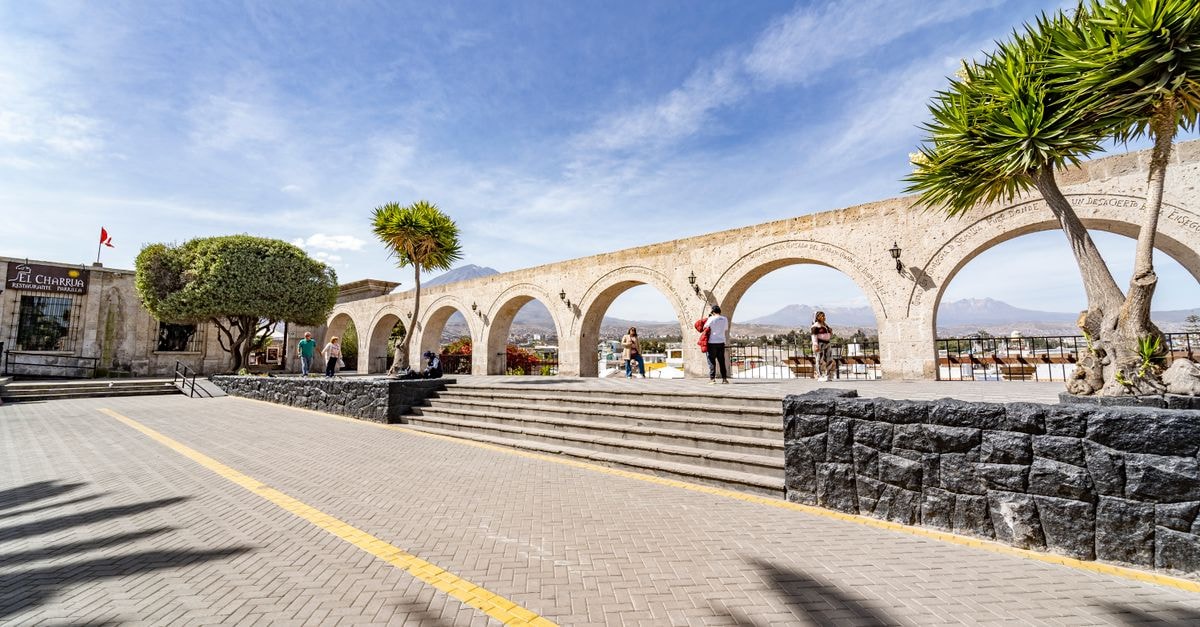
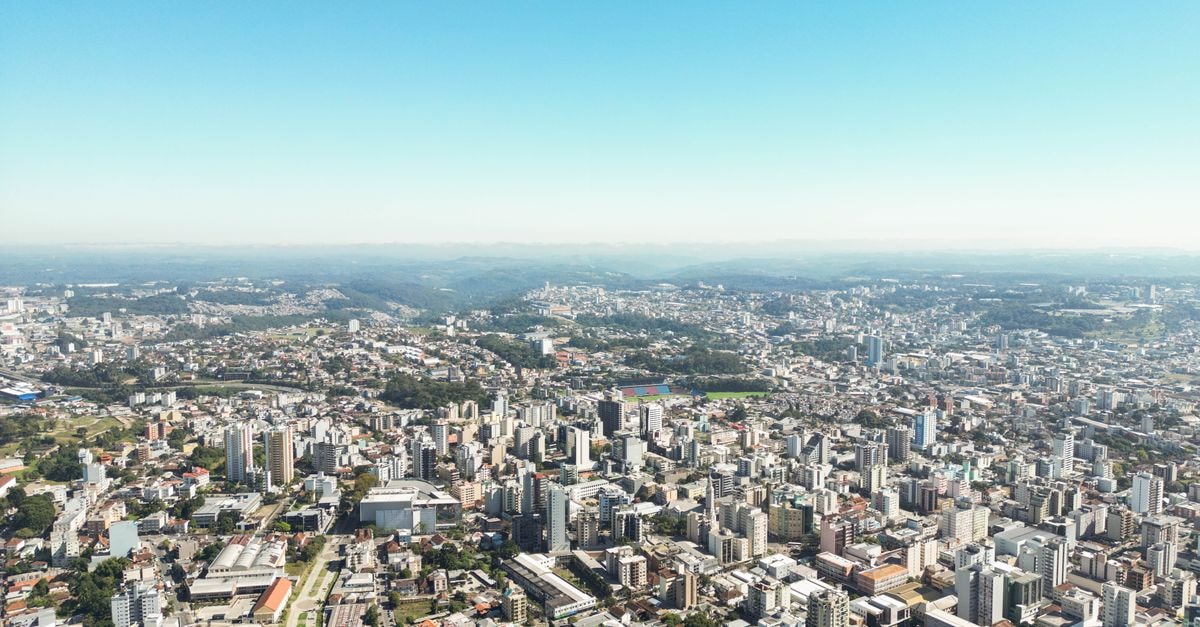
A riverfront city with a quiet invitation

There is something unassuming about Rawson, the small Patagonian capital that sits where the Chubut River meets the Atlantic. It does not announce itself with skyline icons or a packed calendar of headline attractions. Instead, it leans into its riverfront, its nearby stretch of coast, and the kind of friendly rhythm that makes a short stay feel like a longer one. Travelers tend to arrive expecting a stopover and leave remembering the breeze off the water and the sense that they have wandered into a place that still feels lived-in rather than curated.
The appeal, simply put, is authenticity. Rawson rewards visitors who enjoy slowing down, looking around, and letting a destination reveal itself at its own pace. This guide focuses on what the available information actually supports: how the weather and roads shape a day here, how to think about getting around, and the wider Argentine food culture that visitors will almost certainly brush up against during their stay.
Weather and seasonal context
The good news for anyone planning to explore beyond the town center is practical: regional roads around Rawson are generally reported to be in good condition for driving, which makes moving between the city and its surroundings more straightforward than in some rougher parts of Patagonia. A car becomes particularly useful if the idea is to venture out toward rural sites outside town, where public transport options thin out and the landscape opens up.
It is worth treating any weather assumption as a soft suggestion rather than a rule. Pack layers, keep a windproof jacket within reach, and let the day adjust rather than the other way around.
Getting around and where to stay
Rawson reads as a relaxed destination at street level, and the way travelers get around tends to match that mood. Within the city itself, walking between the riverfront, the central plazas, and nearby cultural points of interest is the natural starting point. The Chubut River, Rawson Beach, and landmarks like the Museo de Rawson and Plaza de la Ciudad all sit close enough that a curious visitor can move between them on foot without much ceremony.
For anything that stretches further afield, having a car makes the experience feel more open. A vehicle is especially handy for reaching rural sites outside town, where the appeal is precisely the sense of space and quiet that public transport rarely serves well. Roads in the region are generally in good condition, which removes one of the usual worries about Patagonian driving.
Accommodation in Rawson covers a comfortable range. Travel platforms list options that include budget guesthouses, boutique hotels, and pet-friendly properties, which suggests the town welcomes a mix of independent travelers, couples looking for something a little more curated, and families or road-trippers traveling with animals. The diversity of listings also points to a destination that supports both family-friendly travel and outdoor-oriented itineraries, where the base is a place to rest between explorations rather than the main event.
What to see at an unhurried pace
Rawson is not a checklist city, and trying to make it one usually works against the experience. The riverfront and the nearby beaches are the natural center of gravity, and giving them time rather than rushing through them tends to be the most rewarding approach. Walking along the Chubut, pausing at a viewpoint, or simply sitting with a coffee and watching the light change over the water is a perfectly valid way to spend half a day.
Cultural stops like the Museo de Rawson and Plaza de la Ciudad offer a grounded sense of the city's identity without requiring a full day. Slotting them into a wander through the center, rather than building a strict schedule around them, usually fits the city's rhythm better. The point is not to maximize sights but to let the place set the tempo.
Food and local context
Rawson sits within a wider Argentine food culture that visitors will encounter throughout their stay, even if no single dish is being marketed as a city specialty. Argentina's culinary traditions blend European and Indigenous influences, and two elements show up everywhere: asado, the country's iconic barbecue built around quality meat and shared tables, and mate, the herbal tea that punctuates daily life. Both are less about formal dining and more about connection, conversation, and the ritual of taking time.
Beyond the grill, Argentine cooking stretches into a broader mosaic of regional flavors. One dish that often surfaces in national conversations is locro, a hearty stew traditionally associated with May 25 commemorations and informally considered by many Argentines to be a national dish. It is the kind of food that speaks to communal eating and historical roots rather than fine-dining presentation, and it reflects the country's emphasis on shared experience at the table.
In Rawson, the most enjoyable approach is to treat mealtimes as part of the cultural experience rather than a refueling stop. Sitting down to a long lunch, accepting an offered mate, and letting a meal unfold at its natural pace are small choices that align with the broader Argentine approach to food and company.
A few practical notes before you go
Rawson suits travelers who are comfortable with a little flexibility. The weather can shift, the wind can arrive unexpectedly, and the roads, while generally in good condition, still reward a driver who is prepared for Patagonian distances. Accommodations vary widely, so booking ahead during busier travel periods is a reasonable instinct even though the town rarely feels crowded.
Finally, treat every detail in this guide as a starting point rather than a guarantee. Factual conditions around transportation, opening hours, and local services can change, and checking official channels before departure is always the most reliable approach.
Safe travels, and enjoy the slower rhythm that Rawson offers.
Share this article
TOOLS FOR THIS PLAN
Make the Rawson plan measurable
Choose a tool only when it answers the next question in your trip. Your values stay in the browser, and each tool offers a route back to this planning context.