A Gentle First Hour in Vienna

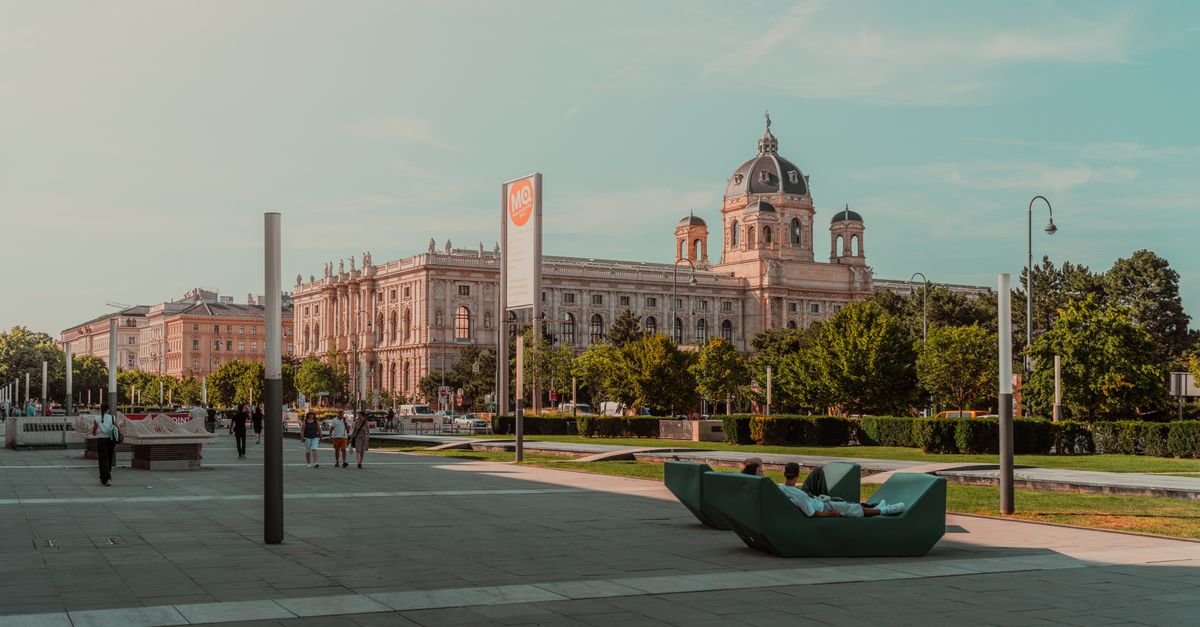
Vienna has a way of slowing your breathing almost the moment you step into its wide central streets. Marble cafés hum with quiet conversation, palace façades catch the afternoon light, and trams glide past with a calm that feels curated rather than accidental. For a visitor, the city rewards unhurried exploration: a pastry eaten slowly, a museum visited properly, a park bench enjoyed between sights.
This guide leans into that rhythm. It is built around three grounded themes: how to move through the city with confidence, how to choose what to see among a remarkably dense list of attractions, and how to engage with the food and café culture that gives Vienna its particular flavor.
Getting Around
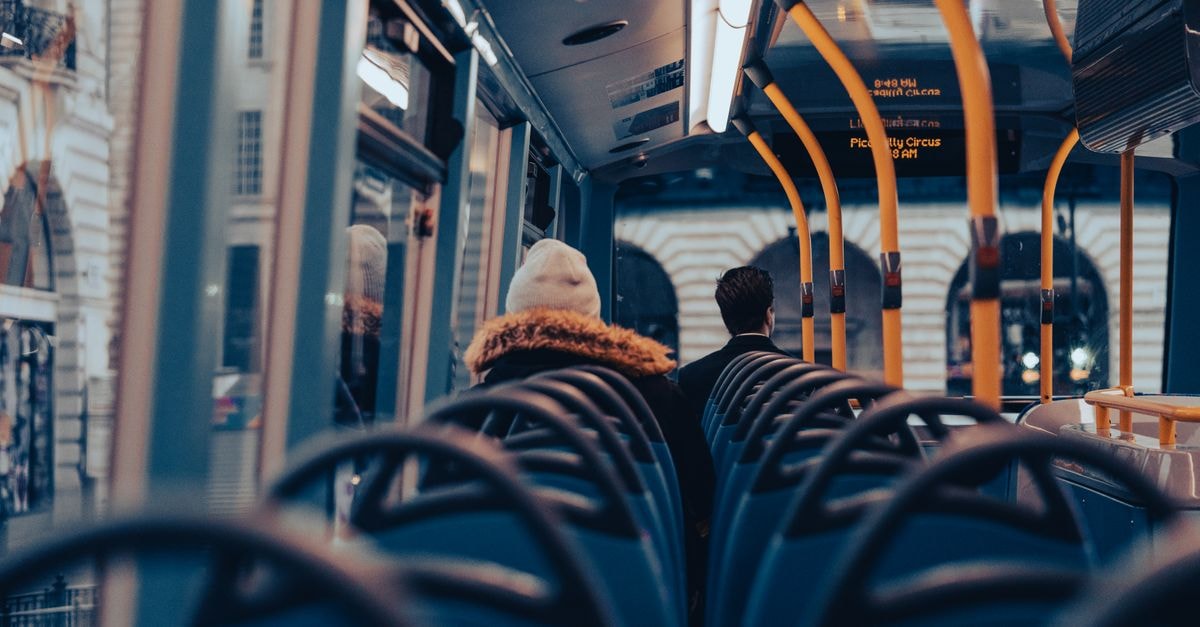
Vienna is a city designed for public transit, and the network is one of the easiest in Europe to navigate without a car. Two practical entry points are worth knowing about before you arrive, especially if you are flying in.
The airport is connected to the city center by rail. Austrian Federal Railways (ÖBB) runs Railjet trains from the airport to central Vienna. For travelers who prefer a road option, Vienna Airport Bus also runs daily from the airport into the city's center. Either route lets you step off and start exploring within roughly half an hour, depending on your final stop, and both are designed with luggage in mind.
Once you are inside the city, the public transport system covers the main sights comfortably. The interesting question is not whether to use it, but whether to add the Vienna City Card to a plain transport ticket. The card is worth a careful look if your itinerary leans toward ticketed attractions: in that case, the savings on admissions can offset the slightly higher cost compared to a simple transport ticket alone. If you plan to spend most of your time walking between cafés and parks, a standard ticket is likely the more economical choice. Either way, the underlying network is reliable, frequent and well-signed in English, which removes a lot of friction from a short visit.
Attractions and Planning
Vienna's attraction list is unusually generous, and one local tourism source goes so far as to call its comprehensive guide the most thorough available anywhere, with 101 experiences ranging from imperial palaces and world-class museums to hidden underground tours, vineyard hikes above the city, and standing-room opera tickets that cost less than a coffee. You do not need to chase all 101, but it is a useful signal: there is real depth here, and a short trip can be planned around almost any interest.
The most rewarding approach for first-time visitors is to pick a small handful of signature experiences and give them real time. That might mean a single palace complex rather than three, or a single museum visited floor by floor. Vienna's grand institutions reward attention. A rushed sweep through a gilded room rarely leaves the same impression as a slow hour spent in one wing.
If you have time for something beyond the canonical palaces, the city's less obvious options - underground passages, hillsides just outside the dense center, and last-minute standing tickets at the opera - can add a sense of discovery. The point is not to be exhaustive. It is to build a list of three to five anchors, leave white space between them, and let the city's quiet atmosphere do some of the work.
Food and Local Context
Food in Vienna is best understood not as a list of dishes but as a culture in its own right. Two framing ideas help here.
The first is that Viennese food is treated as cultural identity rather than simple sustenance. Visitors quickly encounter staples that travel well beyond Austria: a perfectly golden Wiener Schnitzel and the ritual of afternoon coffee with cake are part of the everyday fabric. They appear across the country in different forms, and travelers in Vienna will meet them in cafés and restaurants as a matter of course. They are not niche items to hunt down; they are the baseline of local life.
The second is the café culture, which is the most distinctive thing you will taste in Vienna. It is less a dining tradition than a social institution. Newspapers rustle against porcelain cups, marble tables bear the ring marks of ten thousand coffees, and time itself seems to pause between the first sip of a Melange and the last bite of Sachertorte. This is the experience to lean into, not just the coffee. Order something, sit for an hour, read, watch the room, and let the pace of the city settle over you. Even a single long café visit tends to leave a stronger memory than a hurried tasting menu.
A practical note for travelers: prices, opening hours, transit timetables, attraction tickets and exchange rates can change. Treat anything you read here as a starting point and confirm the live details through official channels before you book or set out.
Notes for a Smooth Trip
A few small habits go a long way in Vienna. Keep small change for any ticket machines. Carry a light layer even in warmer months, since palace interiors and older cafés can feel cool. Treat the coffeehouse as you would a living room rather than a pit stop, and the city's particular charm tends to open up quickly.
Vienna rewards the traveler who treats it as a place to linger rather than to conquer. Move slowly, choose a few anchors, and let the cafés, palaces and public gardens do the rest.
Share this article
TOOLS FOR THIS PLAN
Make the Vienna plan measurable
Choose a tool only when it answers the next question in your trip. Your values stay in the browser, and each tool offers a route back to this planning context.