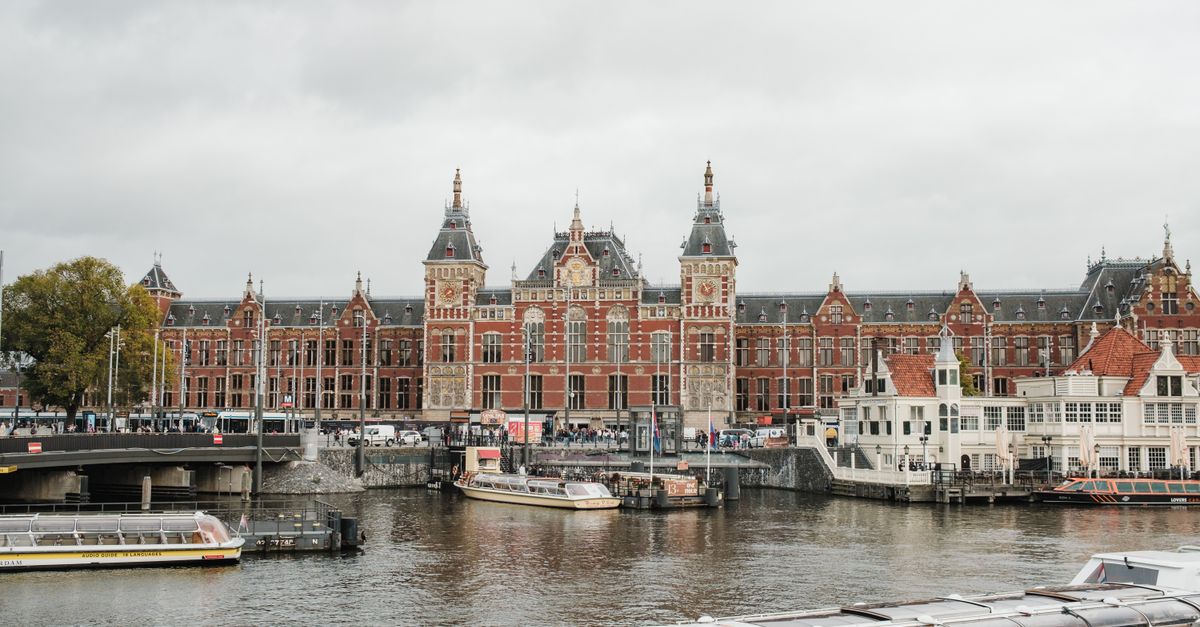
Vienna in July sits at the heart of both the tourist calendar and the city's outdoor social life. Open-air concerts fill the squares around the Rathaus, the Danube Cycle Path hums with cyclists, and the Naschmarkt stays open into the evening. The Austrian capital combines imperial sights — Schönbrunn, the Hofburg, the State Opera — with neighbourhood culture that rewards anyone willing to step off the Ringstrasse for an hour. This guide focuses on what July 2026 travellers actually need: how the weather behaves, what it costs to do the must-sees, how the public transport system works, and where the local food scene is genuinely worth a stop.

July weather and what to expect
July is Vienna's warmest month and one of its wettest. Average daytime highs sit at 26°C and overnight lows around 16°C. Total rainfall runs to roughly 70 mm spread across about 10 rain days, so showers are common but rarely last all day. The city enjoys about 15 hours 42 minutes of daylight on the 15th of the month, with the sun rising just after 5:09 and setting close to 8:51 pm.
UV levels reach an extreme index of around 11.2 at midday, and mosquitoes are highly active in the evenings, particularly along the Danube and around parkland. Pack a light rain jacket, sun protection, and a long-sleeve layer for outdoor evenings after sunset. The Danube Cycle Path and the Vienna Woods trails are at their most inviting in July, and the open-air cinema and music offerings around Rathausplatz operate through the summer months.
Getting to Vienna and getting around
Vienna International Airport (VIE) sits about 16 minutes from the city centre on the City Airport Train (CAT) or on ÖBB Railjet and S7 services to Wien Mitte. From there, the U-Bahn, trams and buses operated by Wiener Linien cover the rest of the city. Note that the traditional 48-hour and 72-hour Wiener Linien tourist passes have been withdrawn; the main multi-day option is now the Vienna City Card.
The Vienna City Card comes in 24, 48, 72-hour and 7-day versions, starting from €19. It includes unlimited public transport across the Wiener Linien network plus more than 200 discounts at partner museums, cafés, restaurants and theatres. For visitors planning two or more paid attractions a day, the card usually pays for itself.
Within the city, the U-Bahn is the fastest way between major sights, while trams and walking handle the Innere Stadt (1st district) better than any metro line. The Prater, Schönbrunn and Belvedere are all directly on U-Bahn lines.
Top sights and summer experiences
The core of any Vienna itinerary fits into three or four days:
- **Schönbrunn Palace and gardens** is Austria's most-visited attraction. In summer the main entrance queue can stretch to around 90 minutes, so skip-the-line tickets for the Grand Tour (the 22 state rooms) are essentially mandatory. The gardens are free and worth a separate hour — climb to the Gloriette for a wide skyline view. - **The Hofburg** spans multiple museums. The Sisi Museum, Imperial Apartments and Imperial Silver Collection sit under one combined ticket. A guided tour adds the Habsburg story behind the rooms. - **The Belvedere** holds Klimt's *The Kiss* in the Upper Belvedere palace and the Habsburgs' private collection in the lower palace. Arrive at opening (10:00) or book a timed slot. - **The Vienna State Opera** and the **Musikverein** anchor the city's music life. Be wary of Mozart-costumed touts outside the Staatsoper selling concert packages at €65–80; many are mediocre. Concerts in the Musikverein's Golden Hall cost more but play in one of Europe's finest acoustic spaces. - **St. Stephen's Cathedral**, the **Giant Ferris Wheel** in the Prater, and the **Spanish Riding School** round out the canonical first-timer list.
For July specifically, open-air film and music screenings on Rathausplatz square combine big-screen performances with street-food stalls, and the Danube Cycle Path is a popular summer route right through the city.
Tickets, queues and booking ahead
July is peak season and queues at Schönbrunn's main entrance can reach 90 minutes in mid-summer, so pre-booked skip-the-line tickets are the realistic option. Below are current 2026 prices from a third-party reseller listing — official venue channels may differ:
- Vienna PASS (85+ attractions) from €109 - Vivaldi's Four Seasons concert in Karlskirche from €38 - Upper Belvedere & Permanent Collection entry from €23 - Spanish Riding School training from €17 - Schönbrunn Palace & Gardens skip-the-line tour from €63
For the State Opera, the standing-room line on the day of performance is the cheapest legal ticket option; otherwise book in advance through the opera house's own box office. Concert tickets through official venues (Musikverein, Konzerthaus) avoid the inflated tout pricing outside major sights.
Where to stay and peak-season pricing
Vienna runs around 450 hotels with roughly 42,400 rooms, and serviced apartments have expanded across the central districts in recent years. Mid-range summer pricing runs €180–300 per night, while budget hostels start around €25–35. Anything walkable to the Innere Stadt or sitting directly on a U-Bahn line into the centre tends to go first, particularly across June, July and the last six weeks of the year.
Vienna crossed 20,065,000 overnight stays in 2025, up 6 percent year on year, with about 83 percent of stays generated by international visitors. Book 3–5 months ahead for July stays: summer fares are at their annual peak and central properties disappear first.
The Innere Stadt (1st district) and the Mariahilf district either side of the Naschmarkt are the most walkable bases; both put the Ringstrasse sights, the MuseumsQuartier and the State Opera within a 15-minute walk.
Viennese food and where to eat
Vienna has a named cuisine of its own, anchored by the coffee-house tradition, the Beisl (neighbourhood tavern) and the Heuriger (wine tavern). The Heuriger scene in neighbourhoods like Grinzing, Nussdorf and Stammersdorf is recognised by UNESCO as intangible cultural heritage; Viennese wine is grown within the city limits, with about 700 hectares of vineyards and 140 winemakers.
At a traditional Beisl, the dish to order first is Wiener Schnitzel — a thin, breaded and pan-fried veal cutlet, traditionally served with a slice of lemon and potato salad or parsley potatoes. Other staples include Tafelspitz (boiled beef), Zwiebelrostbraten (roast beef in onion gravy), Goulash, and Fiakergulasch — a classic beef goulash served with a bread dumpling, a single Frankfurter sausage, a fanned pickled cucumber and a fried egg on top.
The Naschmarkt in the 6th district is Vienna's largest market, with around 120 stalls spread over roughly 2.3 hectares. It opens weekdays from 6am to at least 9pm, and Saturdays until 6pm. Stalls sell spices, cheese, fish, fruit and vegetables; the newer market hall at the western entrance houses around 13 curated stalls with a rooftop terrace.
For sweet dishes, Sachertorte (chocolate cake with apricot jam) and Apfelstrudel are the well-known choices, but the coffee-house menu runs much wider. A Wiener Melange is the standard coffee-house order. The Einspänner is a double espresso topped with whipped cream (the cream acts as insulation so the coffee stays warm); it is served in a glass mug with a handle. For something colder, an Eis-Kaffee combines coffee with a scoop of vanilla ice cream.
Safety, money and practical tips
Austria's travel advisory currently advises taking normal security precautions. Petty crime — pickpocketing and bag snatching — does occur, particularly in crowded tourist areas in Vienna's city centre, near St. Stephen's Cathedral, and around the major rail stations (Hauptbahnhof and Westbahnhof). International trains to and from Austria are also flagged. Standard precautions apply: keep valuables secure, be alert to distraction tactics (spilled drinks, persistent offers of help), and avoid walking alone after dark.
The currency is the euro (€). Any exchange rates or conversions given here are reference points only — confirm the live rate through your bank or a reputable exchange before travel. Major cards are accepted almost everywhere in central Vienna, but Heurigen and small Beisl may prefer cash.
A mid-range daily budget of around €100–150 per person covers a centrally located hotel, public transport, one paid attraction and three meals. Budget travellers can manage around €60–80 per day outside peak periods using hostels, supermarket meals and weekly transport tickets. July sits at the top of the price range for both accommodation and flights.
---
Factual conditions change. Confirm ticket prices, opening times, public transport fares and event schedules through the official Wien.info tourist board site or the relevant venue before departure.
Prices, opening hours, schedules, reservation rules, and local conditions can change; verify them through official channels before departure.
Share this article
TOOLS FOR THIS PLAN
Make the Vienna plan measurable
Choose a tool only when it answers the next question in your trip. Your values stay in the browser, and each tool offers a route back to this planning context.