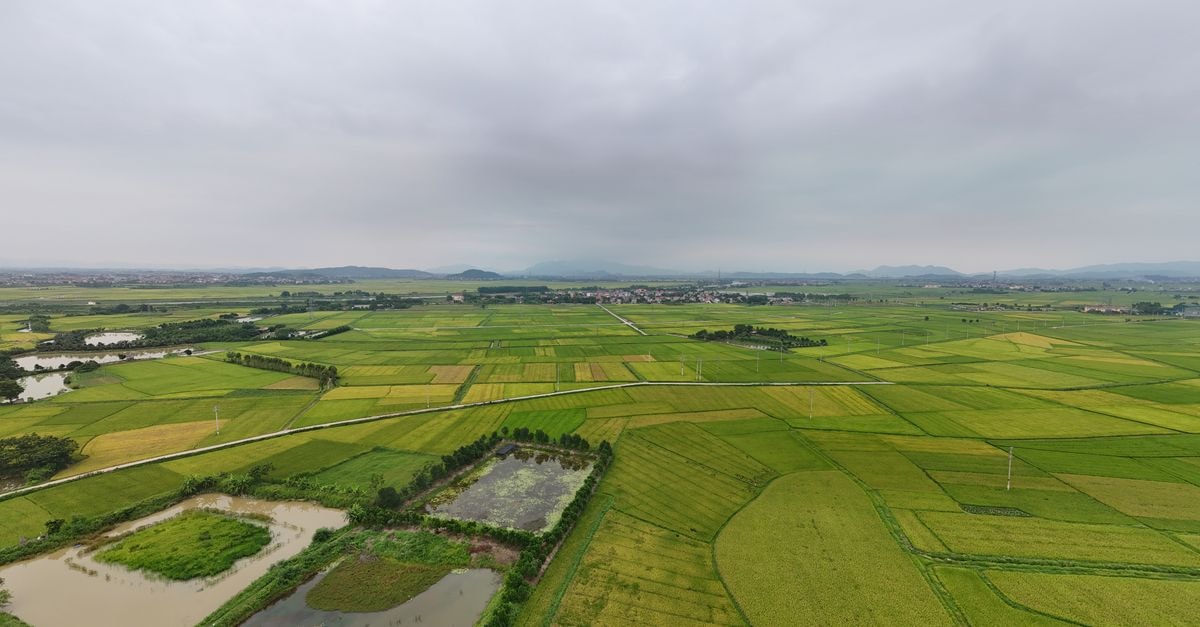
Just an hour or so north of Hanoi, Bac Giang has the feel of a province that rewards the curious rather than the rushed. It sits in the cultural belt of northern Vietnam, where villages still shape identity through craft, agriculture and tradition. Travelers who like their stops layered — a museum morning, a workshop afternoon, and a long evening built around what the land is producing — tend to find the rhythm here easy to settle into.
Attractions and planning
The starting point for context is Bac Giang Museum (Bảo tàng tỉnh Bắc Giang), which lays out the province's history, culture and natural heritage in one place. For travelers building a thoughtful day, consider this as the anchor: it gives the historical frame that makes the surrounding craft villages and countryside feel less like scattered stops and more like a connected story. Visitors who prefer a slower pace with fewer stair-heavy or complex-site logistics may find a museum-first morning easier to plan, since the rest of the day can unfold around a single, central reference point.
Beyond the museum, the province offers serene natural settings, from lush forests to peaceful waterways. That phrasing in the local literature is broad rather than specific — it speaks to the general character of the province rather than a single signed attraction. Travelers drawn to quieter landscapes and gentler walking may want to ask locally which stretch of forest or riverside is currently accessible, since the approved evidence points to a mood rather than a checklist of named sites. If you prefer a more structured itinerary, the museum plus a single outdoor stop may suit better than trying to map the whole province from a guidebook description alone.
The cultural depth of the region really comes through in the craft villages shared with neighboring Bac Ninh. Bac Ninh and Bac Giang together form a cultural heartbeat of northern Vietnam, where craft heritage is still a working part of daily life. The specific crafts most often highlighted are woodblock printing in Dong Ho, bronze casting, and weaving. These are traditions rather than staged performances, so travelers interested in process — how a pattern is carved, how a bell is cast, how a loom feeds cloth — will likely get more from a visit than those looking for polished showroom displays. A practical question worth asking before you go: which villages currently welcome drop-in visitors, and which require a guide or advance arrangement? The evidence confirms the crafts and their locations but does not specify current visiting conditions, so this is a detail to verify locally before setting out.
Travelers who prefer guided interpretation over self-navigating may find the region more rewarding with a local contact, since the cultural value of a craft village often lies in conversation with the artisans rather than in the objects alone. The natural and cultural layers — museum context, craft villages, and the broader natural setting — also make the province a natural pairing for travelers already routing through Hanoi or Bac Ninh, where the Dong Ho woodblock printing tradition sits. None of this requires a long stay to feel meaningful; even a focused day that links one museum hour with one village stop can leave a clear impression.
Food and local context
The kitchen in Bac Giang is shaped by what the fields and orchards are producing at any given moment. The province functions as an agricultural hub, and that reality influences its dishes, favoring seasonal produce and customary farming methods. What this means for the table is straightforward: menus and market stalls tend to track the harvest calendar, and dishes built around whatever is at peak tend to feel most characteristic. Travelers who enjoy eating with the seasons — letting the menu rather than a preset list guide the meal — will find this approach easy to embrace. If you prefer predictability and familiar flavors regardless of when you travel, you may want to ask in advance which dishes are currently considered the seasonal anchors.
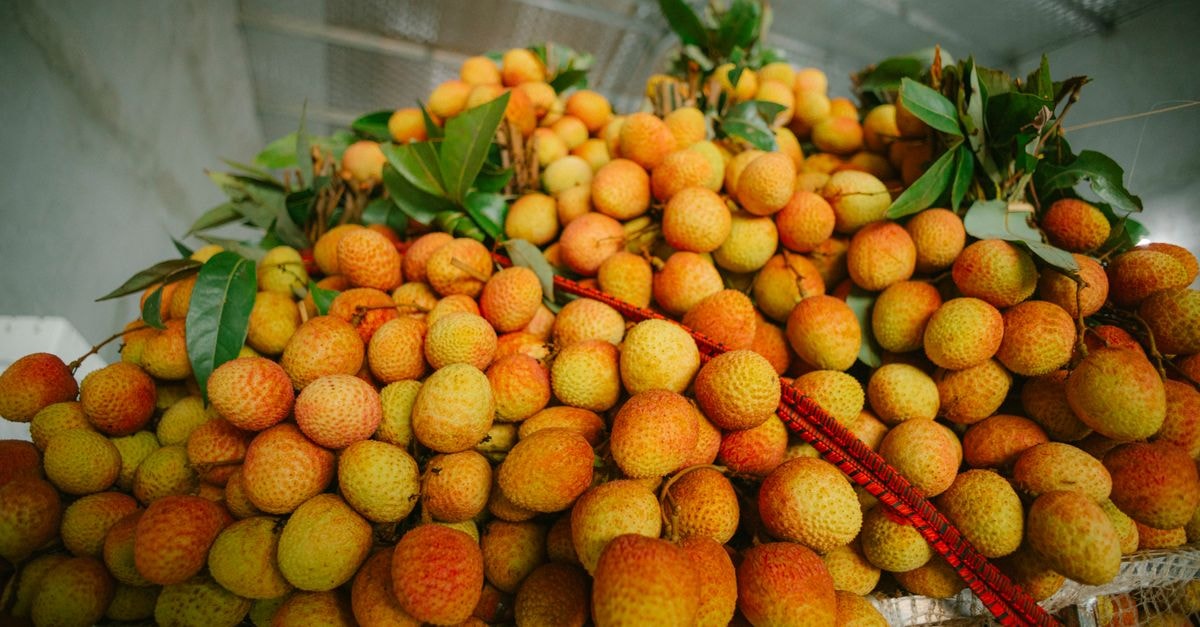
The most distinctive regional cue within the food scene is the lychee. Dishes featuring Luc Ngan lychee are seasonal highlights of the region. Luc Ngan is the district most associated with this fruit, and the lychee's short window of peak ripeness shapes when certain desserts, drinks and savory pairings show up on local tables. Travelers with a soft spot for fruit-led desserts or curious about how a single ingredient can define a regional identity may want to time at least one meal around the lychee season if their schedule allows. The approved evidence confirms lychees as a recurring seasonal feature of the local cuisine but does not specify exact dates, varieties currently in rotation, or which restaurants feature them, so verifying the current lychee calendar locally is a worthwhile step before planning a food-focused trip.
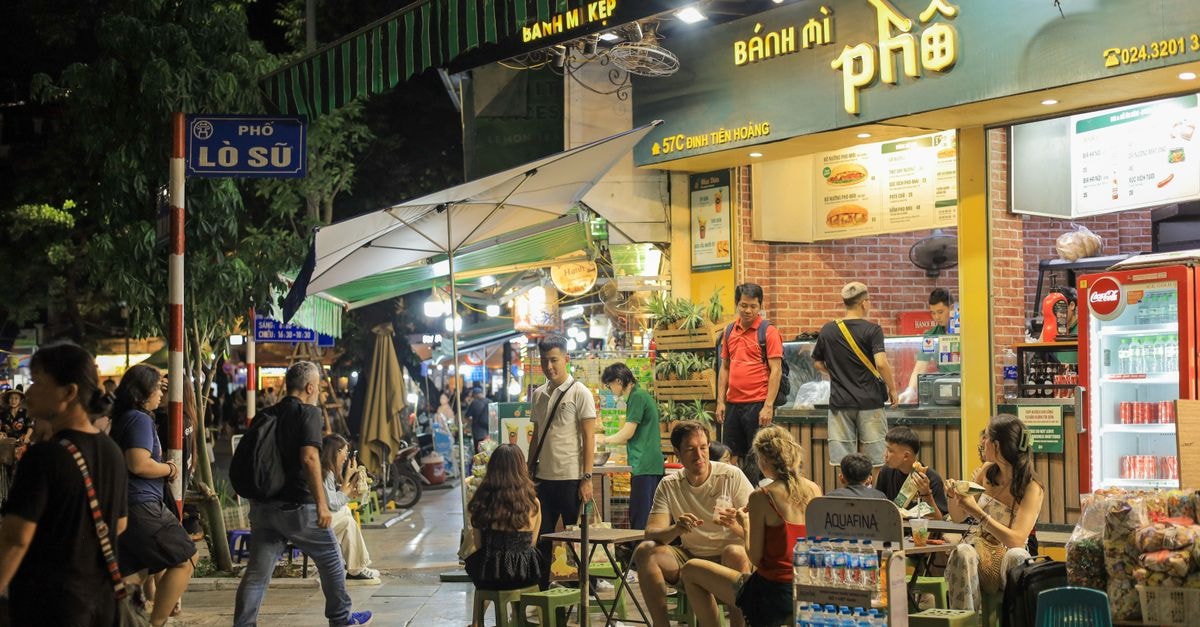
For travelers who care about how a meal is sourced, the agricultural identity of the province is itself part of the appeal. Markets, family kitchens and small restaurants all draw on the same seasonal cycle that defines the lychee moment and the broader produce calendar. That said, the approved evidence does not list specific restaurants, prices, opening hours or signature dishes by name, so any decision about where to eat is best made on the ground — asking a homestay host, a museum guide, or a craft village artisan often yields more useful recommendations than a pre-trip list.
Choosing what fits your trip
Because the province rewards a particular kind of attention, it helps to decide in advance what kind of traveler you are on this stop. If your interest is craft heritage and process, a single day linking the museum with one accessible craft village — perhaps the Dong Ho woodblock printing area in neighboring Bac Ninh — tends to feel more satisfying than rushing between several. If your interest is food and seasonal produce, plan the visit loosely around the agricultural calendar rather than a fixed menu, and treat the lychee season as a feature to check for rather than a guarantee. And if your interest is the landscape itself, leave room for a slow outdoor hour in the forests or waterways the province is known for, but verify the current accessibility locally before relying on any specific stretch.
A note before you go
The factual conditions described here reflect a broad picture of the province and may have shifted by the time you travel. Seasonal cycles, village access, museum hours, and which dishes are currently considered the local highlights can all change. Before finalizing plans, check current conditions through official provincial channels, your accommodation, or a local guide — especially for the lychee calendar, craft village visiting arrangements, and any outdoor sites you intend to reach on your own. Factual conditions can shift; verify current details through official channels before departure.
Share this article
TOOLS FOR THIS PLAN
Make the Bac Giang plan measurable
Choose a tool only when it answers the next question in your trip. Your values stay in the browser, and each tool offers a route back to this planning context.