A first look at Vilnius

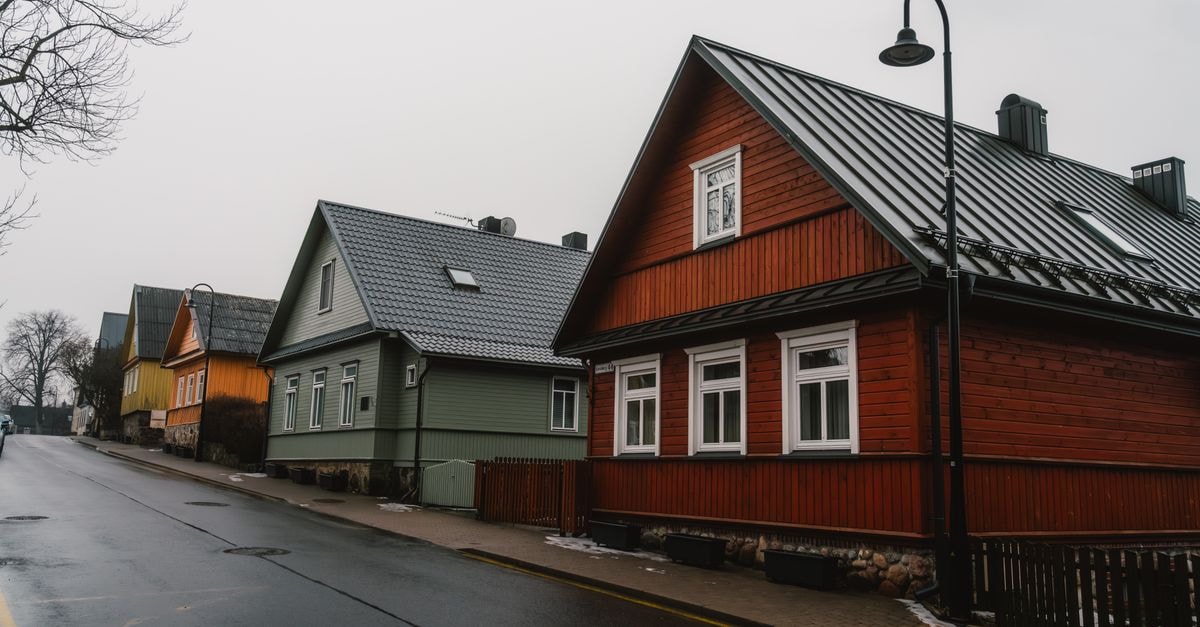
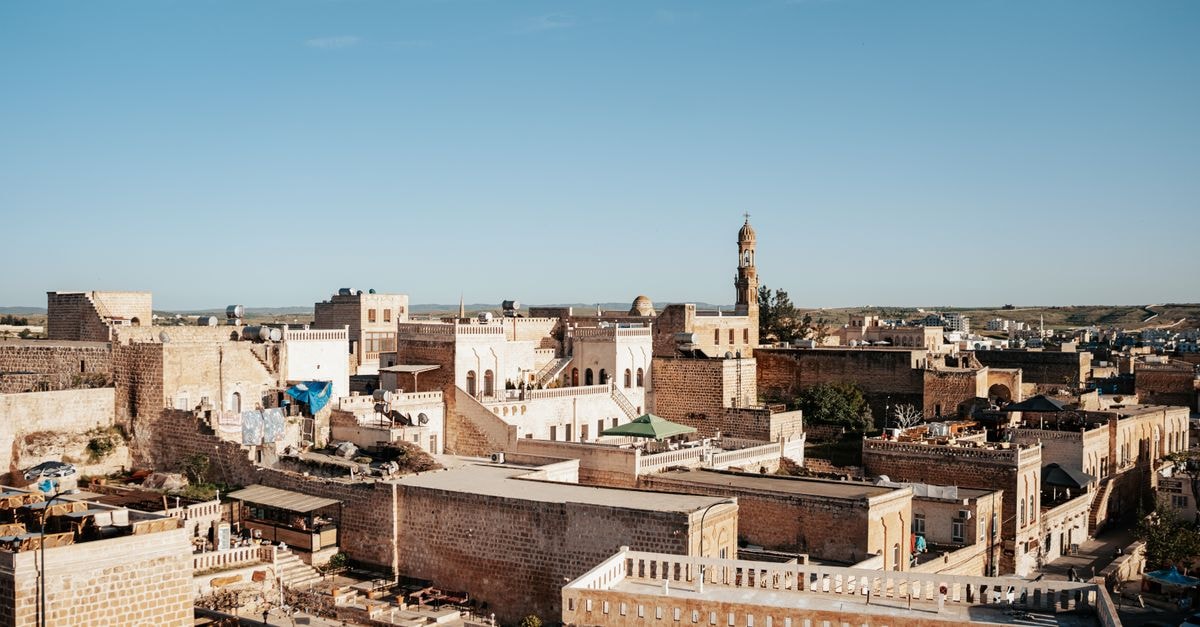
Vilnius has that lovely quality of feeling both unhurried and full of stories. The Lithuanian capital rewards walking slowly: Baroque facades, leafy squares and quiet courtyards reveal themselves at an easy pace, and the rhythm of the city invites a traveller to linger rather than rush from sight to sight. Whether you arrive for a long weekend or a longer base to explore from, the city tends to settle into a comfortable rhythm after the first afternoon.
This guide leans into that pace. It is built for visitors who want practical footing, not a checklist of promises — what to expect when you land, how the transport system works into town, the kinds of places that define a Vilnius visit, and the food culture that often surprises first-time travellers the most.
Weather and seasonal context
Vilnius can feel far more relaxed outside of its peak summer window, when the heaviest crowds thin out and the city's everyday life comes forward. Visiting before the main summer rush tends to mean shorter queues at popular landmarks, easier reservations at smaller restaurants, and a generally calmer feel in the Old Town's winding lanes. Travellers who prefer reflective wandering over festival energy often find this shoulder-period mood the most rewarding way to experience the capital.
Because climate and current conditions vary year to year, the practical move is to check the forecast shortly before departure and to pack for changeable Baltic weather — light layers, a compact rain layer and comfortable walking shoes handle most days well. Pacing your day around the warmest midday hours and saving outdoor viewpoints for the cooler ends of the day is a gentle habit many visitors adopt.
Getting around
Vilnius International Airport (VNO) is the main gateway, and getting from the runway into the heart of the city is one of the more traveller-friendly arrivals in the region. Several options run between the airport and the city centre, including train, bus and taxi services, so visitors can choose based on budget, time and luggage.
For those who prefer to use public transport, the city's network is straightforward. Direct bus routes connect Vilnius Airport with the city centre and surrounding districts, and these are typically marked with a blue icon on route information. There is also a night bus option for late or early arrivals — recognisable by a black icon with the letter "N" — which links the airport to the city centre via the 3G route running through Fabijoniškės.
Once in the city, the Old Town is best explored on foot. Many of the most rewarding streets are pedestrian-only or narrow enough that walking reveals details you would miss from a vehicle. For trips beyond the centre, the public transport system is the natural complement to your walking days.
Attractions and planning
The heart of any Vilnius visit is its UNESCO-listed Old Town, a sprawling canvas of Baroque architecture that rewards unhurried exploration. Two landmarks anchor most first visits and are worth prioritising early in your stay. The Vilnius Cathedral, with its impressive bell tower, offers a sense of the city's spiritual and architectural weight, and a climb up the nearby Gediminas Castle Tower delivers panoramic views over the rooftops — a genuinely breathtaking perspective on the capital.
For travellers interested in the more difficult chapters of Lithuanian history, the KGB Museum (officially the Museum of Occupation and Freedom Fights) is a frequently mentioned stop in Vilnius sightseeing lists and offers a sobering, well-curated counterweight to the beauty of the Baroque streets. Allow unhurried time for it; it is the kind of place that lingers.
If you have flexibility in your plans, a guided experience can also add texture to the visit. Travellers often appreciate having at least one guided element to their trip — a walking tour, a themed museum visit or a focused historical excursion — because the layered history of the city comes through most clearly with context.
Food and local context
Lithuanian food in Vilnius is one of the genuine surprises of a visit. The city's culinary scene is hearty, deeply satisfying and shaped by a history of preservation and transformation — a cuisine that developed at the edge of empires, where local ingredients and clever techniques turned seasonal produce into year-round staples. Visitors who come in with low expectations often leave thinking about the meals for months afterwards.
Across Lithuania, the food culture leans toward generous portions, slow-cooked flavours and an emphasis on what's available locally — a context visitors will encounter often while eating in Vilnius. Rather than chasing restaurant rankings, a more rewarding approach is to wander into places that look lived-in, ask what is freshly made that day, and let the kitchen guide you. The city's traditional dishes tend to be honest, filling and quietly proud of themselves.
A useful rhythm is to alternate between one familiar, comfortable meal each day (something familiar for energy) and one adventurous one (a dish you cannot pronounce, ordered because someone at the next table is enjoying it). That balance keeps the trip grounded while still leaving room for the city's bolder flavours.
A few final notes for the road
A few small habits tend to make a Vilnius visit smoother. Keep a light layer in your day bag — the Baltic weather can shift quickly. Build in time to simply sit in a square or along the river rather than packing every hour. And give the food scene a real chance; Vilnius is one of those cities where eating well is part of understanding the place.
Factual travel conditions can change, so it is always worth checking official channels for transport timetables, museum opening details and any entry requirements shortly before departure. Treat this guide as a starting frame for your planning, not a live confirmation of every detail.
---
**Verification note:** This guide is built from approved factual evidence and is intended as durable, evergreen orientation. Readers should confirm current weather, transport schedules, opening hours and any ticketing details with official sources before travelling.
Share this article
TOOLS FOR THIS PLAN
Make the Vilnius plan measurable
Choose a tool only when it answers the next question in your trip. Your values stay in the browser, and each tool offers a route back to this planning context.