A lived-in Maltese town worth slowing down in

Birkirkara doesn't try to dazzle the way Valletta does, and that is part of its appeal. One of Malta's oldest and largest towns, it carries a blend of Baroque grandeur and industrial history through its streets, church façades and older corners. Visitors who like to balance sightseeing with a sense of everyday local life often find Birkirkara a comfortable base, especially since central buses leave from town for Valletta or Mdina without complicated planning.
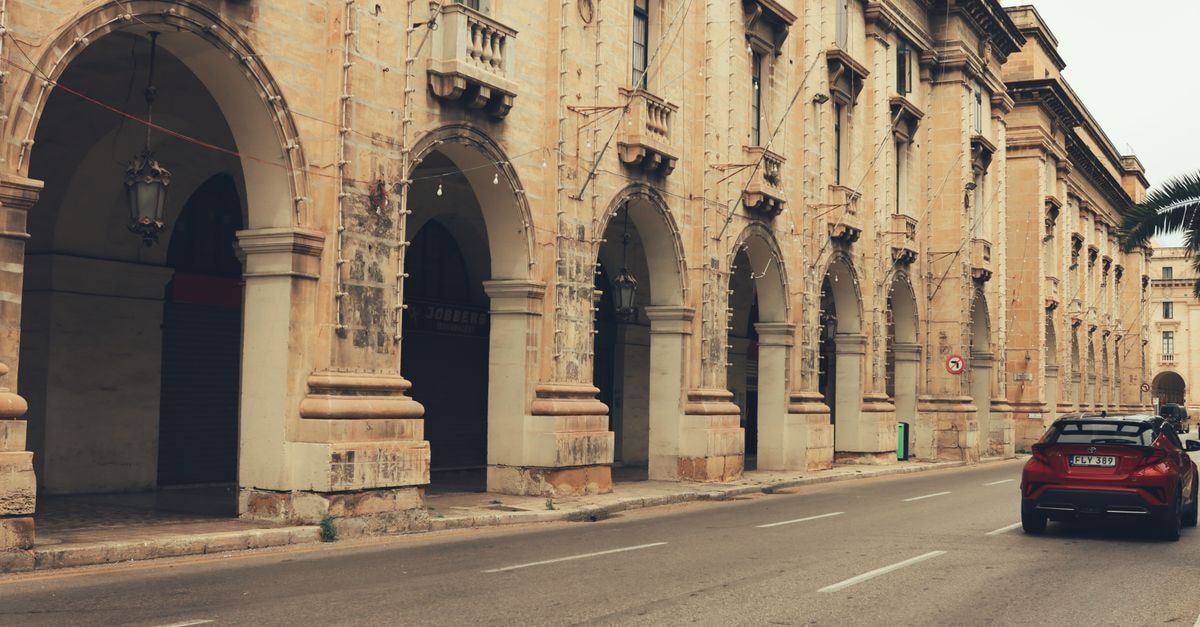
Think of it as a calmer pocket of the island where you can settle into a slower rhythm in the morning, then hop on a bus to reach the bigger sights. The town rewards unhurried wandering along its parish churches and older arches, and the food scene reflects the wider Mediterranean character that runs through Malta as a whole.
Weather and seasonal context
Because this is an evergreen guide, there is no fixed temperature or forecast to share. Pacing matters more than packing for a specific date. If you prefer to avoid the strongest midday sun, plan indoor pauses around churches and shaded cafés, then return to walking once the light softens. A light scarf or shawl is useful any time of year for visiting places of worship, where bare shoulders can feel out of place.
For practical safety, the urban centre is generally a busy, lived-in area with low levels of serious crime. As with any busy Maltese town, the main things to watch are the traffic itself and the pace of crowded streets, especially around bus stops and market areas. Carry your bag the way you would in any active Mediterranean town, and you should feel comfortable exploring on foot.
Getting around
Birkirkara's public transport revolves around its central bus routes, which connect the town to the rest of Malta. A useful habit is to grab a ftira from a local bakery before boarding, then let the bus network do the work. From the town's central stops, you can reach Valletta, the island's compact capital, or Mdina, the old fortified city, without needing a car or a taxi.
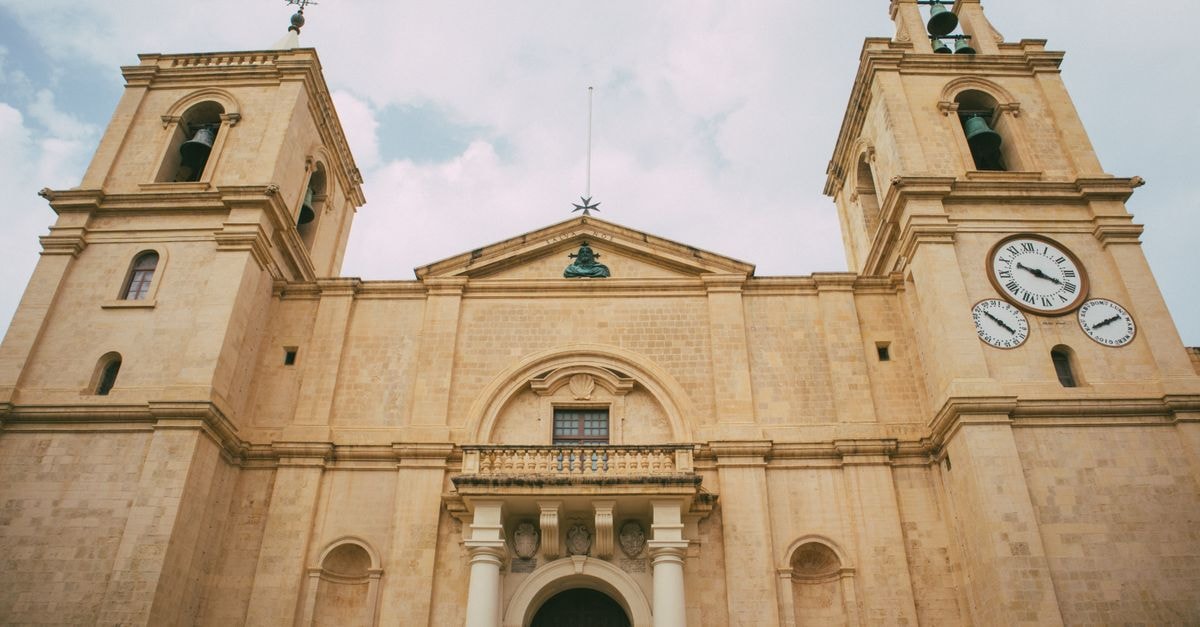
The town itself is best explored on foot. Walking lets you appreciate the contrast that defines Birkirkara: ornate Baroque religious architecture sitting alongside reminders of Malta's industrial past. Two landmarks anchor any walk:
- **The 17th-century Wignacourt Aqueduct and Arch**, a striking stretch of old engineering that brings a different visual texture to the town. It is the kind of monument you can admire from a distance or walk right up to.
For travelers who like to plan day by day, the town is easy to sketch into a custom route: morning around the basilica, midday along the aqueduct, then an afternoon bus out to Valletta or Mdina and back. If you prefer a looser approach, you can simply wander the main streets and let the Baroque façades lead you forward.
Food and local context
Birkirkara shares in Malta's wider food culture, which is the definition of Mediterranean cooking on the island. Maltese cuisine is shaped by neighbouring Sicily and North Africa, with dishes that lean on olive oil, tomatoes, fresh vegetables, herbs, seafood and slow-braised meats. Bread in particular runs through everyday life here, and the humble ftira is a local staple that fits easily into a walking day.
The country's culinary reputation is strong, with restaurants drawing on outstanding local produce. While the headline food destinations get plenty of attention, smaller towns like Birkirkara are where you taste the everyday side of that reputation: simple bread-based snacks, family-run spots and the kind of unpretentious meals that locals rely on. If you prefer a more curated tasting experience, you can always pair a quiet morning here with an evening meal elsewhere on the island.
For travelers with dietary preferences, the Mediterranean base of the cuisine makes it relatively friendly to common patterns: there is plenty of fresh produce, seafood is widespread, and meat dishes tend to be straightforward. As with any town, it is worth asking about ingredients if you have specific needs, since Maltese recipes often combine elements from several traditions.
Choosing what fits your trip
A few tradeoffs can help you decide how Birkirkara fits into a wider Malta visit. If you want a calmer base with easy bus access to the big sights, the town works well as a home base, since the central buses connect it directly to Valletta and Mdina. If you prefer to be in the middle of the action from dawn to late evening, you may want to balance stays between here and the more central tourist districts. Travelers who enjoy walking and architectural detail will get the most from the basilica and aqueduct, while those looking for a beach-first holiday may use the town as a brief cultural stop rather than a main base. The food here is honest and local rather than polished, which suits visitors who want everyday Maltese flavour over fine dining.
A final note before you go
Birkirkara rewards travelers who like a mix of slow mornings, easy bus rides and a touch of Baroque grandeur. Before you travel, check current bus timetables, opening arrangements for the basilica and any local guidance, since conditions and schedules can change. Live currency rates also shift, so if you exchange money, use published rates only as a reference and confirm the current figure at the time of your trip. Factual details such as transport arrangements and service hours can change, and official channels should always be the final word before you set out.
Share this article
TOOLS FOR THIS PLAN
Make the Birkirkara plan measurable
Choose a tool only when it answers the next question in your trip. Your values stay in the browser, and each tool offers a route back to this planning context.