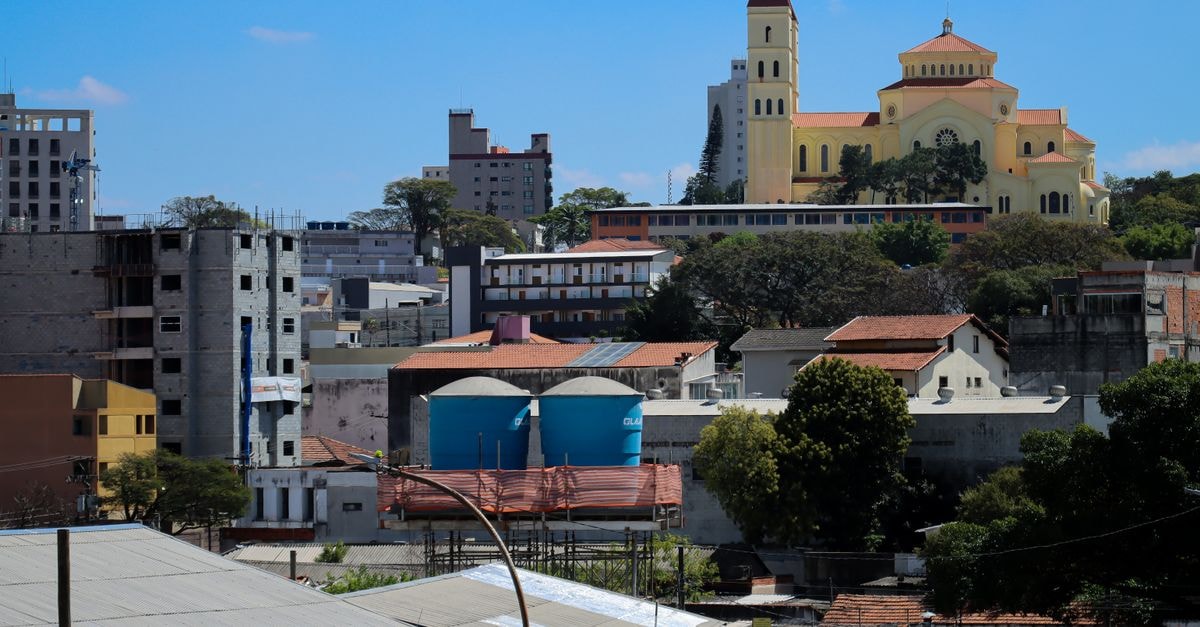
A quick read on Vitória da Conquista

Set in the interior of Bahia, Vitória da Conquista is one of those Brazilian cities that reveals itself in layers. You arrive expecting a straightforward stopover and quickly discover a place with a long historical memory, a setting that reaches toward the surrounding mountains, and a food culture built for unhurried meals. The city reads as a meeting point: of colonial past and present-day Bahian life, of small-scale historic streets and the wide, open landscapes just beyond them. Travelers who like cities where the past is visible in the architecture, and where the day can end with a table full of grilled meat and conversation, may find a lot to enjoy here.
Because this is an evergreen guide, the focus is on what stays true about Vitória da Conquista across the calendar: the historic fabric of the city, the mountain context that shapes its geography, and the regional food culture you can find in its markets, bars, and barbecue joints.
Attractions and planning
Vitória da Conquista's identity as a destination begins with its history, and that history is still visible in the built environment. The city is home to numerous historic structures, which means that a stroll through the older parts of town can feel like a walk through several centuries at once. Visitors interested in colonial-era and early republican architecture often find the city's downtown rewarding simply for the density of facades, religious buildings, and public spaces that have been preserved. The settlement itself grew out of the Arraial da Conquista, founded near the site of the last battles of a long regional conflict, and a church was begun there in honor of the Holy Mother of Victory. That foundation story still anchors the place; it explains both the name "Conquista" and the strong sense of local identity that residents carry.
What makes the setting particularly memorable is the contrast between the urban historic core and the natural landscape just beyond it. From many points in the city, the surrounding mountains are part of the view, and they shape what visitors do here. Travelers who like a city to also offer outdoor space often enjoy that combination: a morning spent looking up at historic facades and an afternoon spent looking out across hills and ridgelines. The mountains themselves are a regional feature that defines Vitória da Conquista's climate, its scenery, and its walking routes.
Planning a few days around these two poles — historic downtown and mountain surroundings — is a natural way to experience the city. Because the historic structures are concentrated in the older center, they lend themselves well to walking, and because the mountains start close to the urban edge, even a short hike can feel like a real change of pace from the city. Visitors with an interest in Brazilian history may want to look for the church associated with the founding of the Arraial da Conquista, while those drawn to landscapes can plan time outside the urban core to take in the surrounding range.
One practical note worth raising: since much of what gives Vitória da Conquista its character is dispersed between the downtown historic area and the mountain access points, deciding in advance which days you want to spend on foot in the city and which days you want to set aside for the surroundings can help you avoid backtracking. Travelers who prefer to anchor a trip around a single neighborhood or those who specifically enjoy cities that combine heritage architecture with easy access to nature may both find the layout works well, as long as you treat the two halves of the experience as complementary rather than interchangeable.
Food and local context
The food scene in Vitória da Conquista is described as hearty and regional, and that single phrase captures a lot of what to expect. Local markets, bars, and barbecue joints dominate the dining landscape, which means meals here are less about delicate tasting menus and more about generous plates, shared tables, and a steady rotation of grilled meat, regional sides, and cold drinks. For travelers used to coastal Bahian cuisine in places like Salvador, the food in Vitória da Conquista can read as more rustic, more meat-forward, and more closely tied to the agricultural interior of the state.
In wider Brazilian context — the kind visitors may well encounter in a city like this — churrasco (the barbecue tradition centered around skewered, salt-grilled meat) is a defining way of eating out, and it is common to find rodízio-style restaurants where skewers are brought to the table until you signal you've had enough. Side dishes tend to include rice, farofa (toasted manioc flour), beans, and a variety of salads and vinaigrettes. This is not a Vitória da Conquista specialty per se, but it is a dining experience you can realistically expect to come across while you are in the city, given the prominence of barbecue joints in the local food landscape. Pairing grilled meat with a cold beer is the most common way to eat, and the unhurried pace of a long lunch or an early evening meal is part of the appeal.
Local markets in a city like this typically serve several purposes at once: a place to buy regional produce and cheese, a place to grab a quick, inexpensive meal, and a place to watch daily life unfold. For travelers, that makes markets a useful stop even when you are not planning to cook. Markets are also a natural way to sample regional fruits, sweets, and cheeses that you might not encounter on a restaurant menu, and they offer a window onto the agricultural side of the interior of Bahia. Bars, by contrast, tend to be the evening anchor: a place to sit with friends, order a sequence of small plates alongside beer or a distilled spirit, and stay longer than you originally planned.
If you enjoy eating the way Brazilians often do — long, social meals with grilled meat at the center — Vitória da Conquista's food scene is likely to feel welcoming. If your travel diet leans heavily toward very light or strictly plant-based meals, you may want to research specific venues in advance, since the city's food culture leans heavily toward barbecue and market food rather than toward lighter, vegetable-forward cooking.
A short note on choosing what fits your trip
Because Vitória da Conquista offers two clear pulls — historic downtown and the surrounding mountains — the most useful decision to make early is how you want to balance them. Travelers who are primarily interested in Brazilian history and architecture may want to spend the larger part of their time on foot in the older parts of the city, treating the mountains as a half-day or full-day change of pace. Travelers who are drawn to landscapes and outdoor movement may prefer to base their days around hikes and viewpoints, saving the historic center for a single concentrated walk. Those who arrive without a strong preference usually find that splitting time roughly between the two gives the most complete picture of what the city is. None of this is a fixed itinerary; it is simply a way of thinking about how the city's two strongest features can fit the kind of trip you actually want.
A practical verification note
Details about specific historic buildings, mountain access points, market hours, and individual restaurants can change over time, and not every venue or site listed in older guide material is still operating in the same form. Before relying on any specific address, opening time, or service, it is worth checking current information through local tourism channels, the city of Vitória da Conquista's official communications, or recent visitor reports. Treat this guide as a starting point for the shape of the city rather than a final, fixed checklist, and confirm anything that materially affects your day before you set out.
Prices, opening hours, schedules, reservation rules, and local conditions can change; verify them through official channels before departure.
Share this article
TOOLS FOR THIS PLAN
Make the Vitória da Conquista plan measurable
Choose a tool only when it answers the next question in your trip. Your values stay in the browser, and each tool offers a route back to this planning context.