A coastal municipality with a dual identity

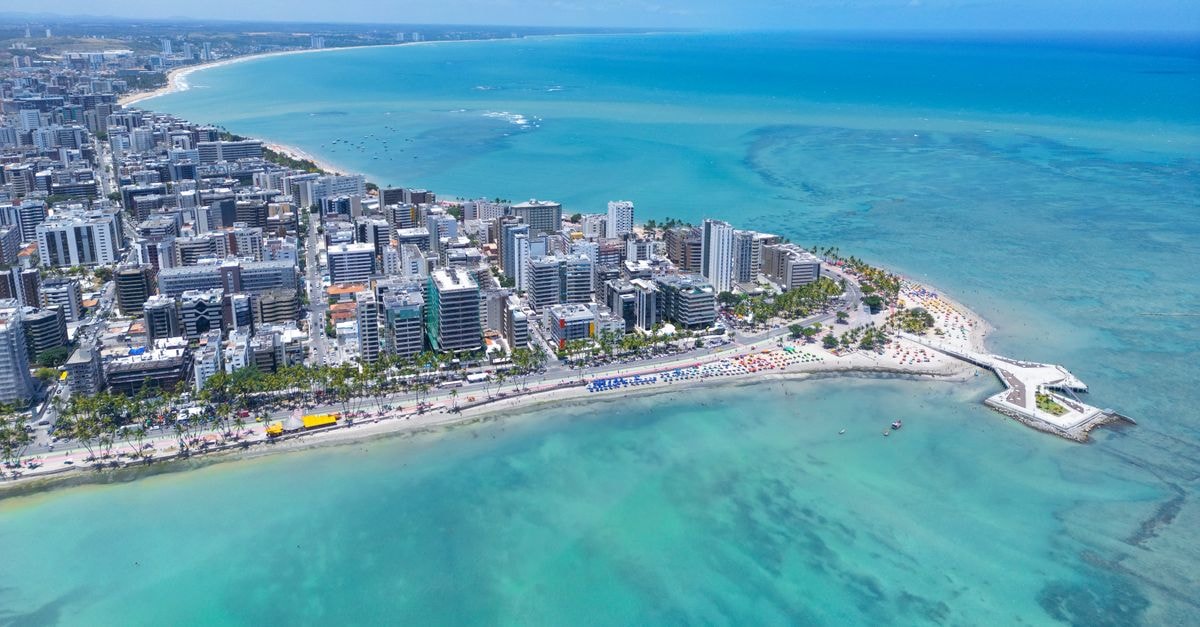
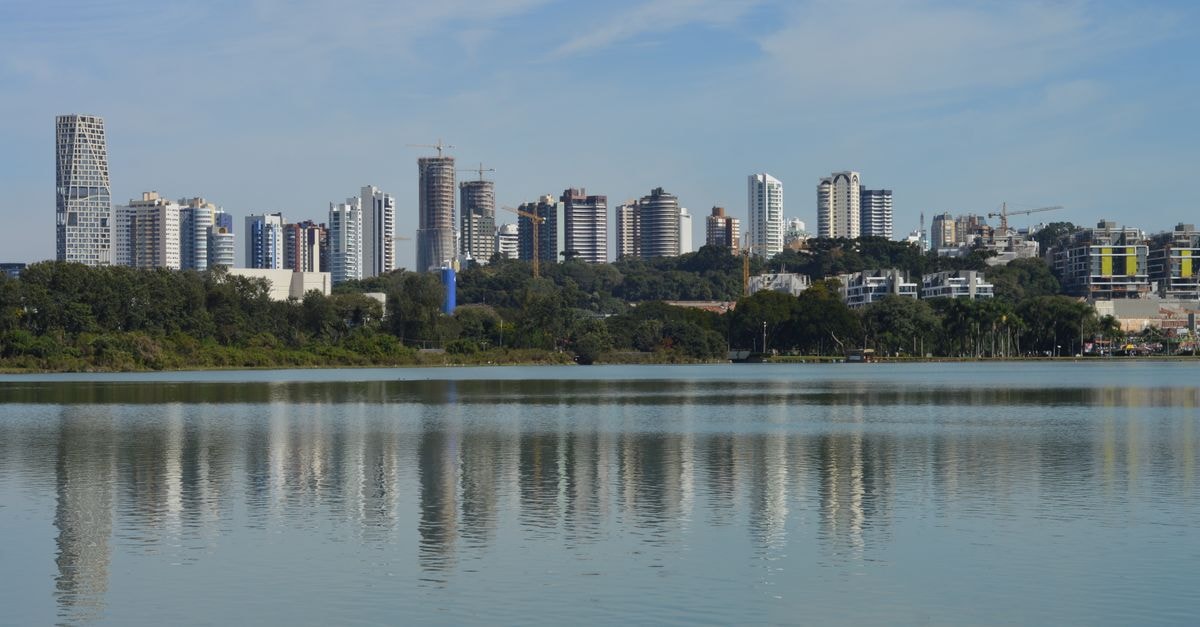
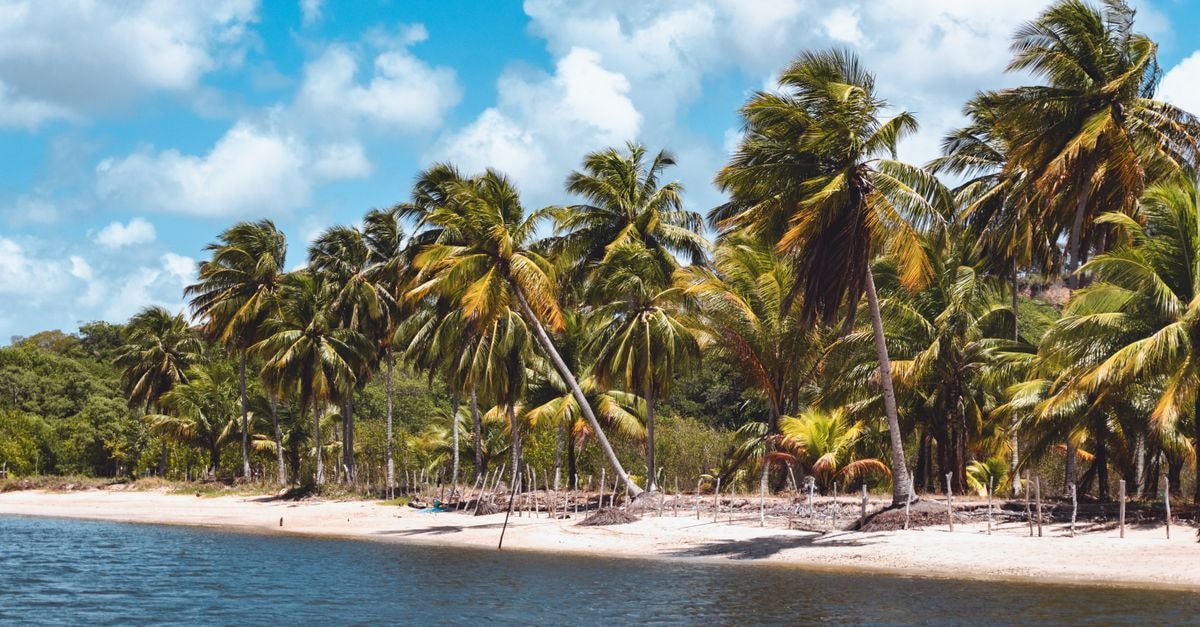
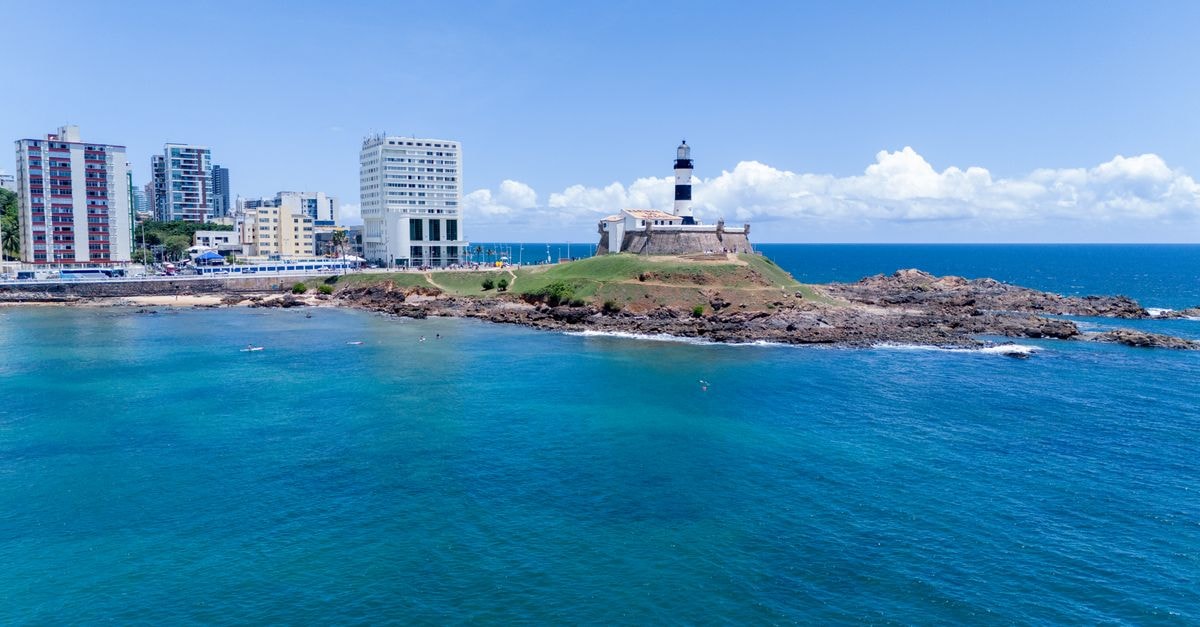
About 50 km from Salvador, Camaçari sits within the Metropolitan Region of Salvador in the state of Bahia, and it wears two very different hats at once. On one side, it is home to the Camaçari Petrochemical Complex, one of Latin America's largest integrated industrial parks, a working hub that shapes daily life here in ways visitors sometimes only notice as wide boulevards and modern infrastructure. On the other, the municipality unfurls along a coast where beaches like Jauá and Arembepe are known for surfing and eco-tourism, a softer, slower side that rewards anyone willing to step beyond the main avenues. The mix is part of the appeal: a Bahian destination that feels both grounded and easygoing, with the energy of a contemporary city and the calm of Atlantic-facing shore towns.
For travelers, the practical takeaway is reassuring. Camaçari offers a quieter, more residential rhythm than the capital, while still keeping Salvador comfortably within reach for day visits or arrival logistics. Visitors looking for nature alongside reliable services and varied lodging often find that combination is exactly what they wanted.
Weather and seasonal context
Camaçari reads like a year-round summer destination. Temperatures tend to stay high throughout the year, and the coastal influence keeps the air moving. Ocean breezes bring a pleasant freshness that softens even the warmer stretches of the day, which makes shoreline strolls and outdoor downtime feel especially forgiving.
Given how persistent the warmth is, pacing your day around the sun can be a gentle, intuitive rhythm. Mornings and late afternoons tend to suit beach time, wandering, and any outdoor exploring, while the brightest midday hours often invite slower moments indoors, a long lunch, or a shaded break. Because the climate here leans consistently warm, lightweight clothing, sun protection, and water-friendly footwear are the kinds of small choices that quietly shape the comfort of a stay.
Getting around
Because Camaçari lies in the Metropolitan Region of Salvador, roughly 50 km from the capital, the municipality is well positioned for travelers using Salvador as an entry point. The road connection to Salvador is short and direct by Brazilian standards, which means arrival and departure days tend to feel efficient rather than exhausting.
Within the municipality, the landscape is described as picturesque, and visitors encounter a coastal city atmosphere with diverse attractions and natural beauty woven into the everyday geography. Beaches like Jauà and Arembepe sit along the shoreline, giving the coast a sense of variety from one stretch to the next, and inviting the kind of low-key, scenic movement between bays and viewpoints that defines a coastal stay here. Getting between the main town, the industrial district, and the beach areas is generally straightforward, though travelers who prefer a plan can map the coastal stretch as a natural itinerary spine for the trip.
Attractions and planning
The most distinctive thread running through visitor experiences in Camaçari is the contrast between its industrial weight and its coastal softness. The Camaçari Petrochemical Complex anchors the municipality's modern identity and offers a tangible sense of how industry and daily Bahian life coexist here. It is the kind of background detail that often surprises first-time visitors, who may arrive expecting only beaches and discover a city built around one of Latin America's largest integrated industrial parks.
The coastline, by contrast, draws people outward. Beaches like Jauá and Arembepe are associated with surfing and eco-tourism, two pursuits that tend to attract travelers who like their destinations a little less polished and a little more open-ended. Eco-tourism here carries the texture of small-scale, locally rooted activity rather than heavily packaged tours, which suits visitors who enjoy making their own loose plans around tides, light, and the rhythm of the day.
For practical planning, the considerate approach is to think of the stay in two layers: the municipality's working, residential side, with its services and lodging base, and the coastal side, where the beaches define the daily mood. Travelers who give themselves time for both tend to come away with a more complete picture than those who treat Camaçari as a single-note stop.
Food and local context
While the ledger does not name a Camaçari-specific dish, restaurant, or market, visitors will be eating inside broader Brazilian food culture, and a little context helps set expectations. Brazilian meals tend to share a few anchoring habits: rice and beans show up almost everywhere, fresh tropical fruit is treated as a daily staple rather than a luxury, and the rhythm of the day often bends around a substantial lunch and a lighter evening meal. This is the kind of national context travelers will sense in Camaçari's restaurants and along the coast, where Bahian influences lean toward seafood, coconut, dendê oil, and the bright, welcoming flavors associated with the state.
In everyday settings, Brazilian dining tends to be friendly and unhurried. Service is warm, portions are generally generous, and mealtimes often feel social rather than transactional. Travelers used to quick, transactional meals sometimes find the pace refreshing, and a little patience at the table usually unlocks a more enjoyable experience.
Practical notes for the road
A few evergreen choices tend to serve travelers well here. Staying near the coast puts the beaches within easy reach for sunrise and sunset, while staying closer to the town center can be more convenient for services and longer routes toward Salvador. Because Camaçari is part of the Salvador metropolitan region, day visits to the capital are realistic for travelers who want to combine a quieter base with a day in a larger city.
Light, breathable clothing, sun protection, and refillable water are sensible companions given the consistently warm coastal climate. Travelers planning beach time at Jauá or Arembepe may find it useful to check surf conditions locally, since the same coast that draws surfers can shift in feel from one stretch to the next.
Finally, treat the details in this guide as a starting point rather than a fixed itinerary. Local conditions, business hours, and on-the-ground offerings evolve, and verifying anything time-sensitive, from transport to opening arrangements, through official or local channels before departure is always a wise step. With those small checks in place, Camaçari often rewards travelers who arrive curious and leave with a fresh sense of Bahian coast life.
Prices, opening hours, schedules, reservation rules, and local conditions can change; verify them through official channels before departure.
Share this article
TOOLS FOR THIS PLAN
Make the Camaçari plan measurable
Choose a tool only when it answers the next question in your trip. Your values stay in the browser, and each tool offers a route back to this planning context.