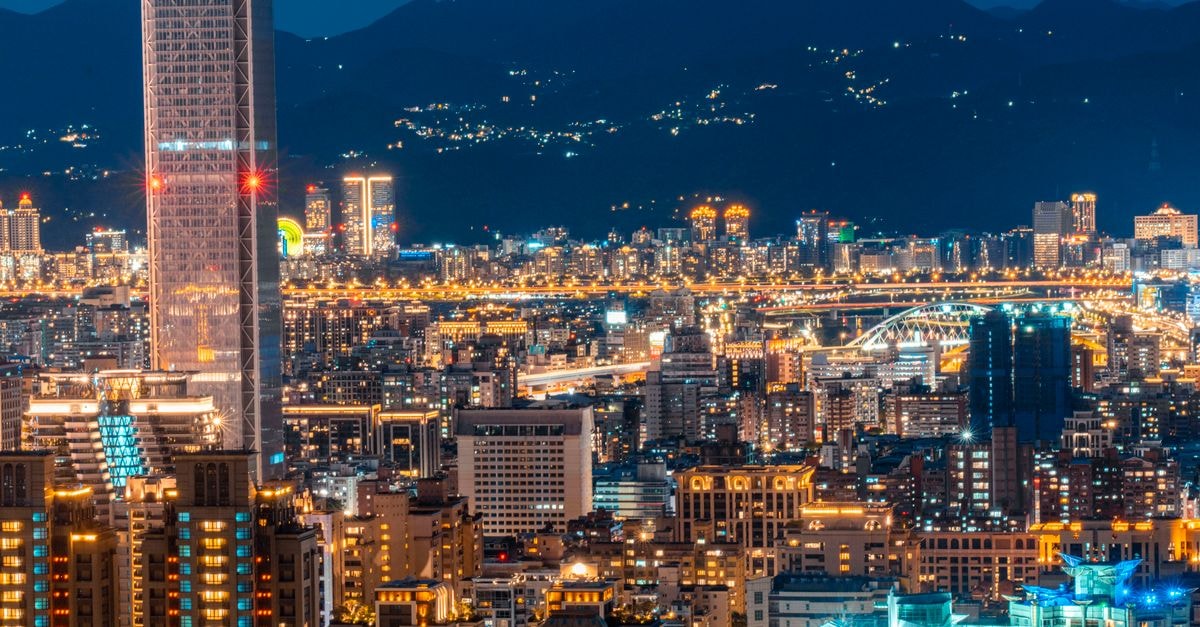
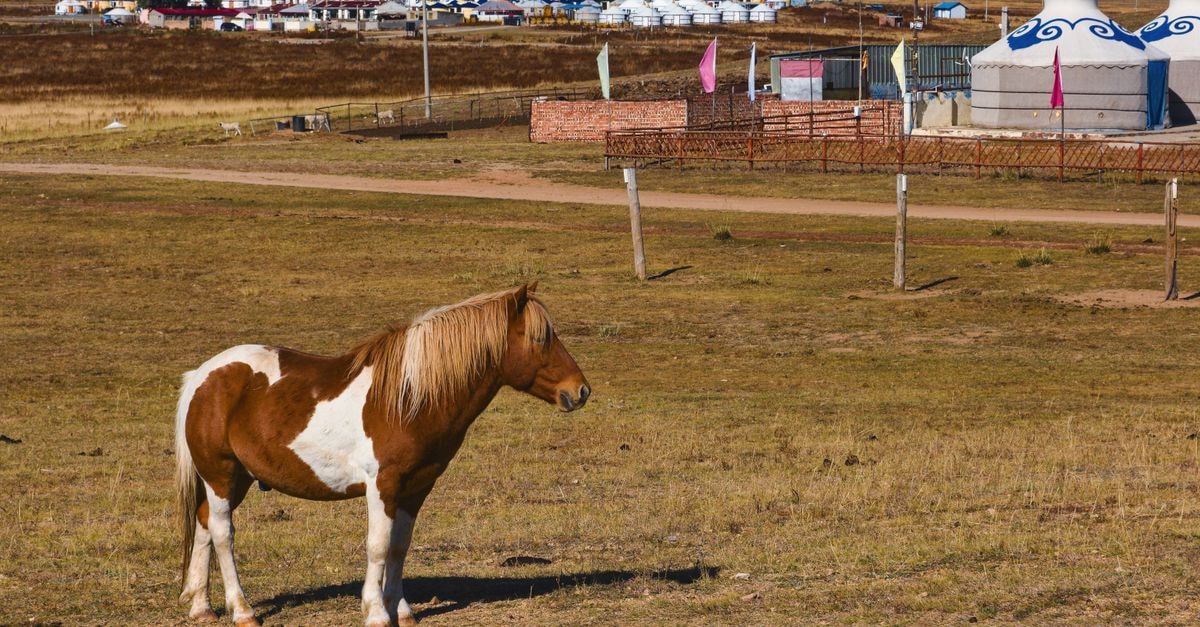
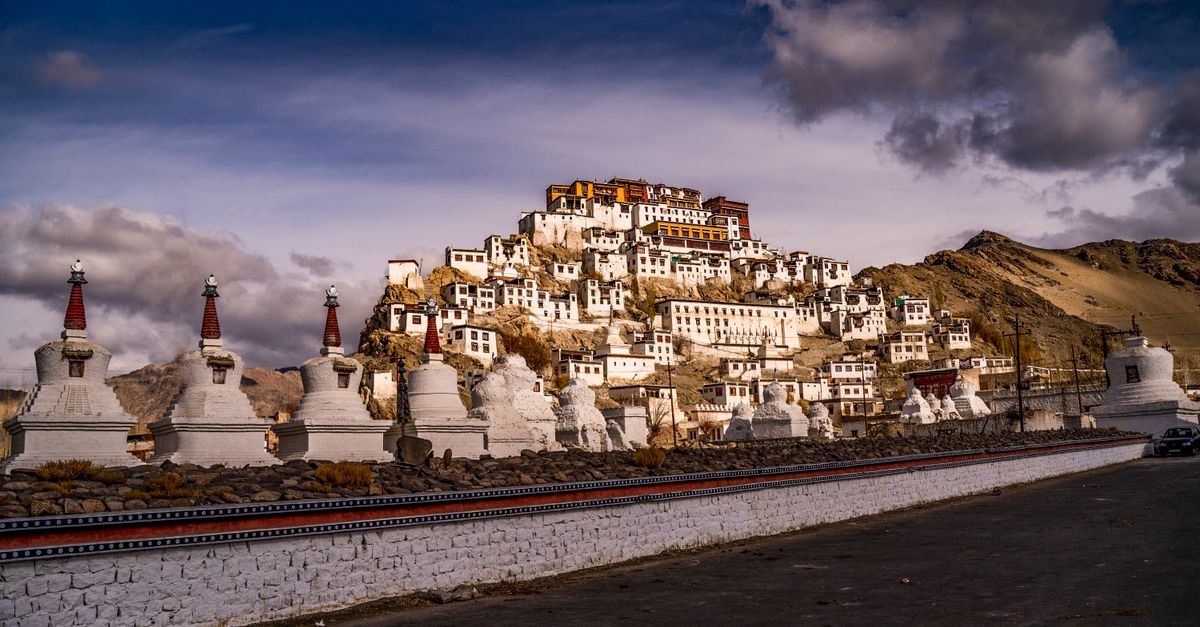
Wonsan sits on North Korea's eastern shoreline as the capital of Kangwŏn-do, a port city with a layered past and a quietly magnetic stretch of coast. Travelers drawn to less-charted horizons often find Wonsan's harbor-side setting and slow-paced avenues a welcome change of scene, with the sea shaping much of daily life. The city is also a gateway into a wider region where beaches, gardens and a rebuilt waterfront draw the eye toward the horizon.

Weather and seasonal context
Wonsan's climate is shifting in subtle but measurable ways, with a noticeable warming trend that includes rising minimum temperatures over the past decade. That long-term pattern reflects a broader picture across North Korea, where climate adaptation has become part of national planning. For visitors, the practical takeaway is simple: coastal cities on this stretch of the Korean peninsula can feel softer in their cooler months than older impressions suggest, and layering remains sensible. There is no single "right" moment written into the climate record here, so pace your days in Wonsan the way the coast invites you to, taking breaks when the breeze picks up.
If you prefer a gentler rhythm and cooler air for walking the waterfront and gardens, the shoulder windows tend to be easier on stamina than the high-summer heat. Travelers sensitive to summer humidity may want to consider those softer windows, since the climate trend points to warmer nights year-round.
Getting around
For arrivals, domestic flights are possible between Pyongyang and Wonsan Kalma International Airport, making the city reachable from the capital by air. On the ground, the district of Wonsan-si is served by several stations on the Kangwon Line of the Korean State Railway, including a branch to the port. The same rail reach extends onto the national road network, and the city marks the terminus of the P'yŏngyang–Wonsan Tourist Motorway and the Wonsan–Kŭmgangsan Highway. For travelers who enjoy tracing a route on a map before they go, the motorway label is a useful prompt to ask your operator how the road leg fits into the day, since the linked evidence names the route without promising a fixed timetable.
If you like the idea of stepping off a plane directly onto the coast, the domestic flight option to Kalma International Airport may suit travelers who prefer to minimize overland travel time within the country.
Attractions and planning
Wonsan tends to be introduced through a curated list of highlights, and the city carries that framing naturally. Local travel writing gathers the experience around a "top 10 attractions" approach, which helps first-time visitors prioritize what matters most to them.
Among those headline stops, Wŏnsan Beach is the city's signature stretch of sand, with the most favorable beach-going conditions concentrated in the summer months from June through August. That makes beach time a seasonal pleasure, while the surrounding promenade, parks and viewpoints can be enjoyed across a wider calendar.
Travelers who prefer gardens and gentle promenades over sand-between-toes beach hours will find the city's green spaces and waterfront paths easy to weave around a slower day. If sun-and-swim is at the top of your list, plan around the documented beach window so the sea is at its most inviting.
Food and local context
On the east coast, Wonsan is closely associated with fresh seafood, an identity that operators often highlight for visitors arriving from inland. Sampling the catch of the day is treated as a near-essential stop on any east-coast itinerary in North Korea, and the city's shoreline location backs that reputation.
What lands on the table in Wonsan tends to be straightforward and generous: a fried fish lunch can appear alongside cold noodles, kimchi and Korean-style coleslaw, with meals typically accompanied by drinks such as beer, water and sometimes fruit juice. Egg and tofu rolls often round out the spread, offering a lighter counterpoint to the fried and pickled components.
Across wider North Korean food culture that you may encounter while traveling, dishes like cold noodles, kimchi and shared side plates are common tablemates, often arriving together rather than ordered one by one. It is a friendly format for travelers who enjoy tasting several flavors in a single sitting, and the seafood emphasis in Wonsan simply tilts that familiar rhythm toward the sea.
Picking the shape of your Wonsan day
A few tradeoffs tend to shape how a Wonsan visit feels in practice. Beach lovers get the most from the documented June–August window, when the sand and sea are at their best, while travelers who prize cooler air for promenades and gardens often prefer softer months. Reaching the city by domestic flight to Kalma International Airport shortens the overland leg, whereas the rail and motorway connections suit those who enjoy watching the landscape unspool. On the plate, a seafood-leaning lunch is almost a given, with the broader Korean rhythm of kimchi, cold noodles and shared sides filling out the meal. None of these choices is right for everyone, and your operator can help match them to the days you have.
Factual travel conditions can change, and official channels should always be checked before departure. Currency exchange rates, when relevant, should be confirmed as a reference only, since live rates shift daily.
Share this article
TOOLS FOR THIS PLAN
Make the Wonsan plan measurable
Choose a tool only when it answers the next question in your trip. Your values stay in the browser, and each tool offers a route back to this planning context.