A Quiet Corner of Southeastern Hubei

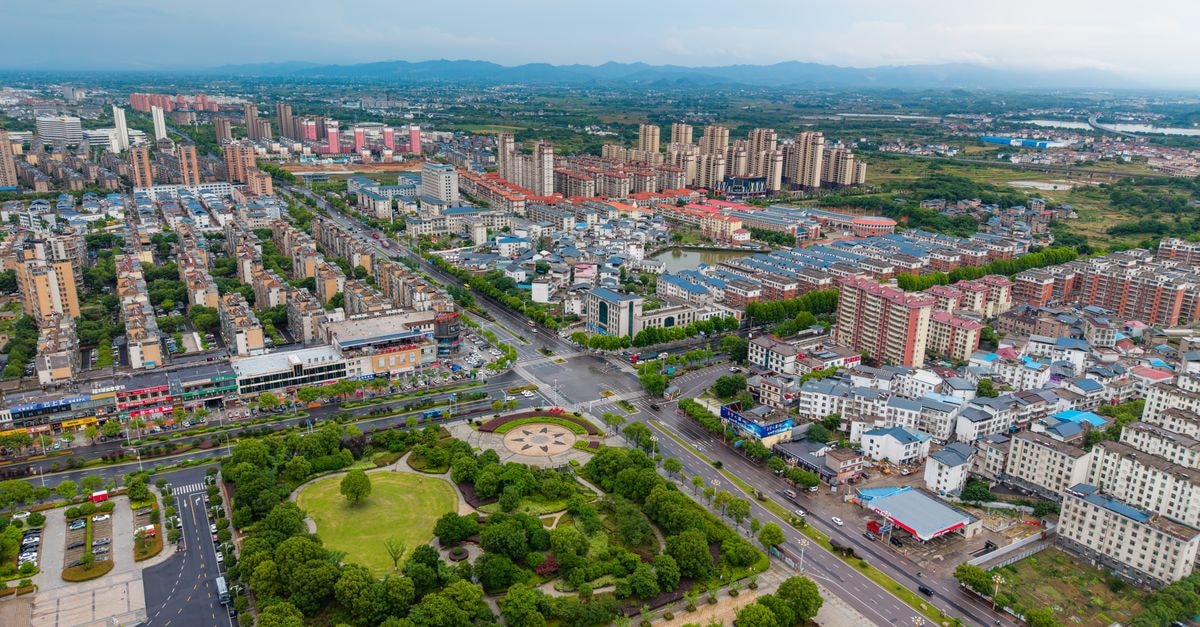
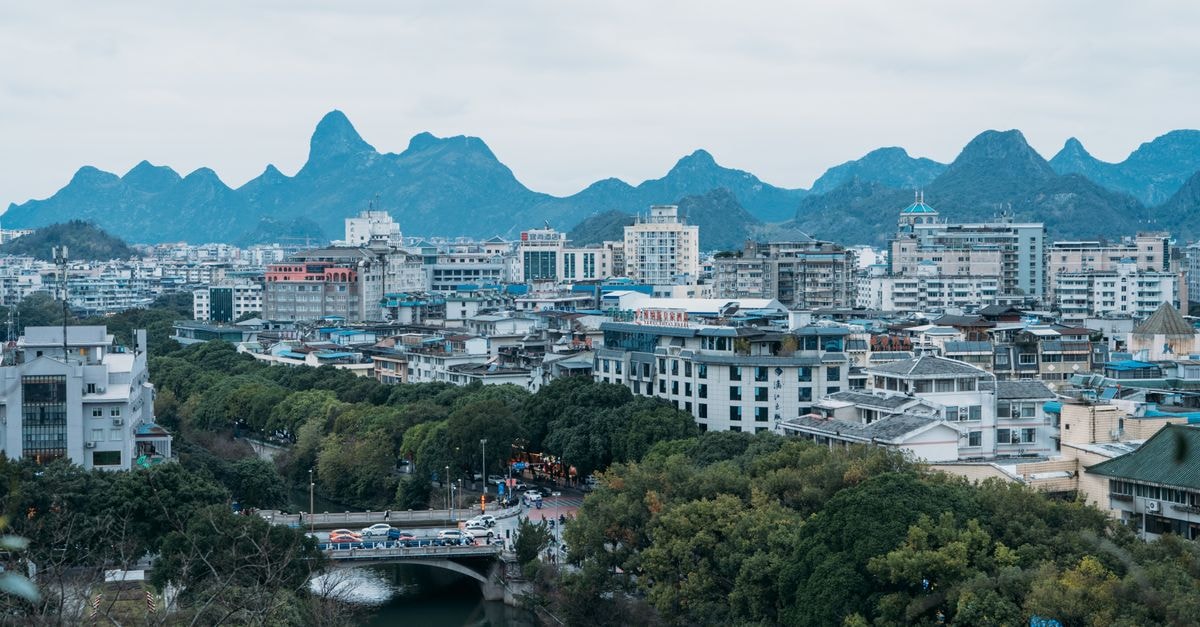
Xianning sits in the southeastern part of Hubei province, just south of Wuhan and tucked between the southern bank of the Yangtze River to the north and the Mufu Mountains to the south. That geography alone shapes the feel of a visit: river plains give way to wooded hills within a relatively short journey, and the city reads as a transitional landscape where lowland Hubei gradually climbs into mountain terrain.
The climate is classified as humid subtropical, with four distinct seasons, abundant rainfall, and long frost-free periods. For travelers, that translates into green hills, dense vegetation, and the kind of moisture that keeps bamboo groves and tea fields looking lush. Rain is part of the experience here rather than an interruption, so planning a flexible pace, with built-in pauses for a long lunch or a leisurely soak, often suits the destination better than rushing between sights.
This guide leans into the slower side of Xianning: the wellness tradition of its hot springs, the cultural depth of its historic tea towns, the bamboo landscapes that surround the area, and the local dishes that lean on fresh, regional ingredients.
Weather and Seasonal Context
Xianning has a humid subtropical monsoon climate, with four distinct seasons, abundant rainfall, and long frost-free periods (F1-2). The surrounding landscape reinforces that classification: the city lies between the southern bank of the Yangtze River and the Mufu Mountains (F2-1), a position that channels moisture from the river basin into the foothills.
In practical terms, the humid subtropical setting means travelers can generally expect warm, wet conditions for much of the year, with green hills and active vegetation. Rainfall is abundant rather than narrowly seasonal, so a light layer and an umbrella tend to be sensible companions on most outings.
Attractions and Planning
Xianning's identity as a destination rests on a few clearly defined pillars: hot springs, tea heritage, bamboo landscapes, and a small but focused museum scene (F4-1). Understanding these threads in advance helps travelers shape a trip that feels coherent rather than scattered.
The hot springs are tied to a broader local tradition of wellness that visitors come here specifically to experience.
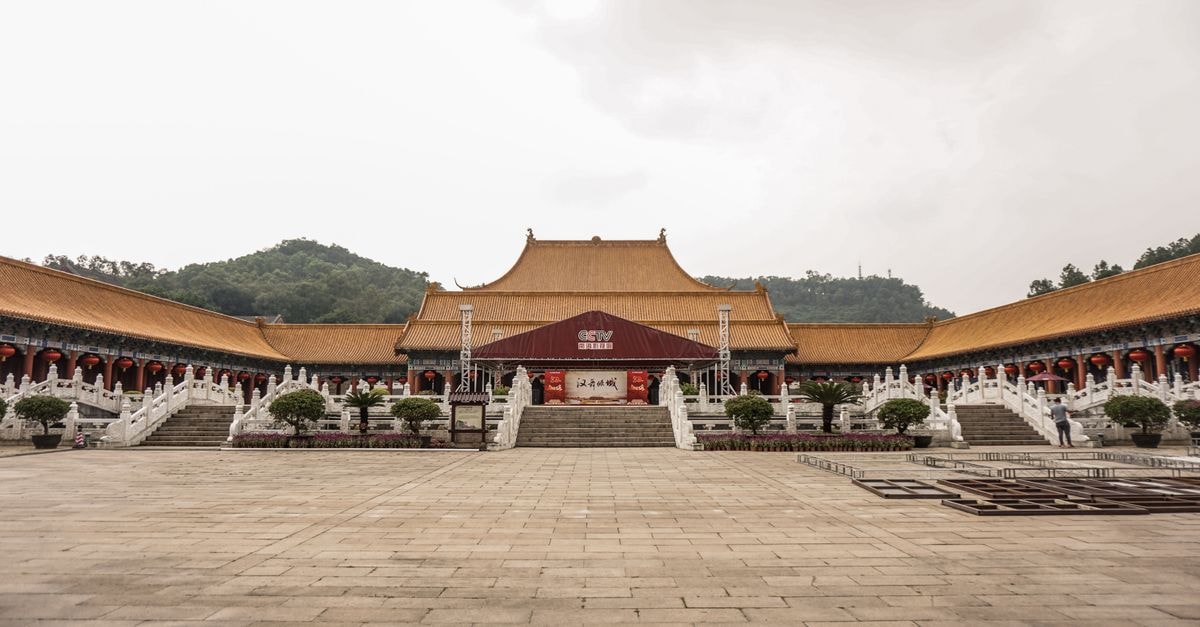
Tea is the other cultural anchor. Historic towns in the area preserve the heritage of tea cultivation and the old trade routes that once moved leaves from the hills toward wider markets (F4-1).
For context on the broader region, the **Xianning Museum** focuses on local history, archaeology, and culture (F4-2).
A loose planning approach works best here. Rather than stacking attractions, travelers may want to choose one or two anchors per day, such as a tea town in the morning and a hot spring in the evening, and leave generous room for meals and rest.
Food and Local Context
Xianning's food scene leans into the surrounding landscape. Local dishes tend to feature fish and fresh vegetables (F5-1), reflecting the region's rivers, lakes, and fertile lowlands. Hubei cuisine more broadly, which travelers will encounter here, is known for fresh, seasonal ingredients and a balance of flavors that suits the humid climate (F5-2).
One ingredient that ties directly to Xianning's geography is bamboo. Fresh bamboo shoots, drawn from the bamboo forests that give parts of the area its distinctive green character, are a recurring feature of local cooking (F6-1).
For dining choices, the practical advice is simple: seek out well-reviewed local restaurants and try the regional specialties (F6-2). In practice, that often means asking locally for current recommendations, since menus shift with what's fresh.
Choosing What Fits Your Trip
Xianning rewards travelers who come with a clear sense of what they want from it. The destination rarely demands a rigid plan; it tends to respond better to a flexible rhythm with one or two priorities per day. Travelers who enjoy walking may want to pair tea-town exploration with early starts, leaving afternoons open for slower experiences, since historic tea towns preserve the heritage of tea cultivation and trade (F4-1).
A Note Before You Go
Factual details around travel conditions, including operating hours, ticket policies, and seasonal access to specific hot-spring sites and tea towns, can change. Before your trip, it is worth checking official tourism channels and local resources for the most current information. Treat this guide as a starting frame for your planning, and confirm the specifics that matter most to your itinerary closer to your departure.
Prices, opening hours, schedules, reservation rules, and local conditions can change; verify them through official channels before departure.
Share this article
TOOLS FOR THIS PLAN
Make the Xianning plan measurable
Choose a tool only when it answers the next question in your trip. Your values stay in the browser, and each tool offers a route back to this planning context.