A quiet doorway into Xingtai

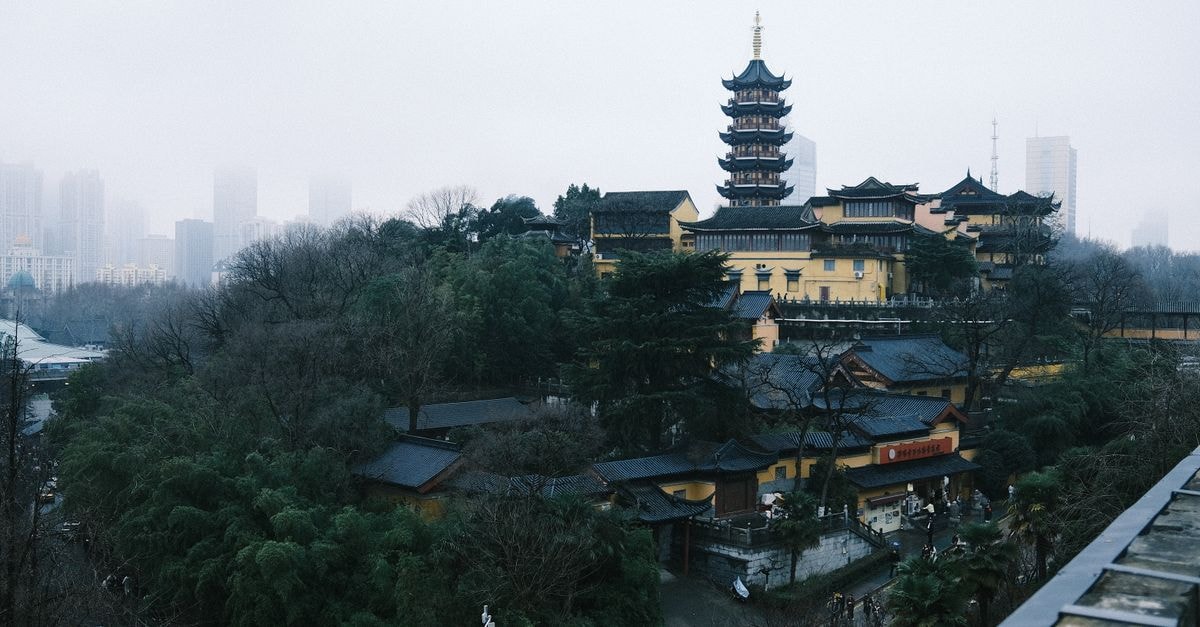
Xingtai is located in the southern part of Henan Province and already carries a history stretching back roughly 3,500 years, an old civic identity that quietly shapes the rhythm of its streets, temples and parks. The cultural depth on offer here is matched by the surrounding geography, and the natural setting is one of the first things visitors tend to notice on arrival.
If you are building a Xingtai travel guide for yourself, the practical shape of the city is straightforward: an urban core with everyday Chinese city life, ringed by scenery that draws day-trippers and nature lovers from across the province. The guide below focuses on two strands that are genuinely supported by the available evidence: the weather and seasonal character of the area, and how to think about food and dining culture as a visitor in mainland China. Things like specific hotels, ticket prices, transport schedules and operating hours are best checked close to your trip, because the sources available here are descriptive rather than live.
Weather and seasonal context
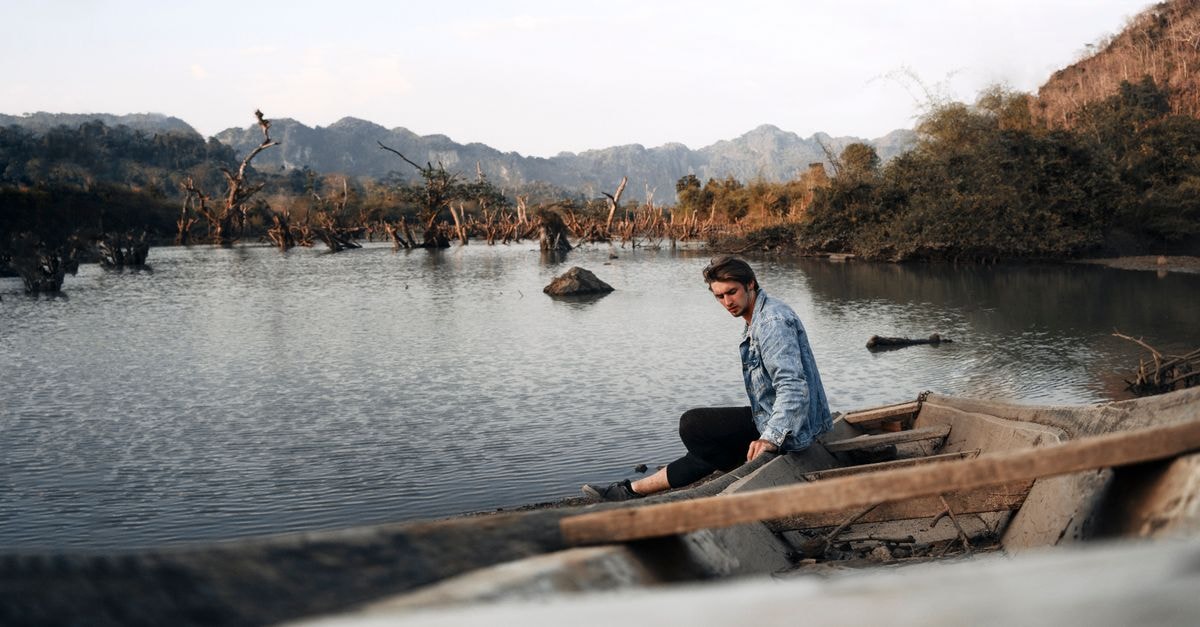
What the evidence does support is the geographic picture, which matters more than a single number. Xingtai's setting is shaped by the Taihang Mountains rising to its west, and those mountains are widely described as some of the most beautiful and green parts of the wider region, with caves, waterfalls and streams dotted through towering peaks. That description matters for a traveler because it tells you what to expect beyond the city grid: greener, cooler, more scenic terrain within easy reach. Even in warmer months, the elevation and vegetation of the western mountains can feel noticeably different from the city, which makes them a natural counterpoint to urban sightseeing.
Travel guide material for Xingtai describes the area as having excellent natural conditions and being rich in tourism resources, which is a useful framing for visitors who want to balance cultural stops with outdoor time. Rather than packing a calendar with tight timed entries, it can help to plan loosely: leave room for a slow afternoon in a mountain area, expect busier weekends at popular scenic spots, and pace outdoor segments for the cooler parts of the day when the season is warm.
Because the sources are evergreen by nature and do not give a confirmed current temperature or precipitation reading, this guide deliberately avoids telling you what to wear on any specific date. A short check of a live forecast the day before you travel will do more than any fixed line of advice could. If you are planning around a particular season, think in terms of layers for shoulder months, light breathable clothing for summer days, and a warmer jacket for winter evenings, while leaving the final call to the forecast at hand.
Food and local context
Food is one of the most enjoyable ways to get to know any Chinese city, and Xingtai is no exception. The approved sources do not list specific Xingtai restaurants, dishes or market stalls, so this guide will not invent any. What they do describe is the wider Chinese context that visitors are very likely to encounter while dining in the city, which is useful framing before you sit down at your first meal. Travel in China is presented as going beyond sightseeing to include intangible crafts, cuisine, street life and ritual, offering visitors a heartfelt cultural resonance that applies citywide, including in Xingtai. China is also recognized for having one of the world's greatest and most varied cuisines, a context visitors will encounter while dining in the city. Underpinning that variety is a long history of ritual and etiquette, with dining etiquette developed into a refined cultural layer that shapes everyday meals across the country, including in Xingtai.
None of this turns a meal into a performance. The most helpful approach is to treat the table as a small cultural classroom: watch what your hosts or neighbors do, accept offered dishes graciously, and let curiosity lead. Because the source material here is about China as a whole rather than Xingtai specifically, the safest assumption is that the city follows these wider patterns, and the best way to confirm any city-level detail is to ask locally or check current recommendations once you arrive.
Planning your time in Xingtai
The single most useful piece of framing from the available evidence is that Xingtai combines a long urban history with genuinely appealing natural scenery to its west. A loose plan that respects both sides of that equation tends to serve visitors well. Spending some time in the city center for the historic atmosphere, then pointing a day toward the Taihang Mountain landscape for caves, waterfalls and streams, gives you a balanced read of what the area is about without overcommitting to a rigid timetable.
For accommodation, the general guides point to Xingtai as a city where fellow travelers leave recommendations and where special hotel offers tend to surface on major booking platforms. That is a useful nudge to compare options close to your travel dates rather than locking in a property months in advance, especially if your plans are flexible.
A final note before you go
Travel conditions shift, and the sources behind this guide are descriptive rather than live, so it is worth treating hotel rates, attraction opening hours, ticket prices, transport timetables and weather forecasts as details to confirm shortly before departure. Official tourism channels, your accommodation and on-the-ground advice from locals are the best final sources. Currency figures, if you look any up, are reference points only and should be checked against the live rate on the day you exchange or pay. With those checks in place, Xingtai is a rewarding stop for travelers who enjoy cities that quietly combine old heritage with mountain scenery.
Prices, opening hours, schedules, reservation rules, and local conditions can change; verify them through official channels before departure.
Share this article
TOOLS FOR THIS PLAN
Make the Xingtai plan measurable
Choose a tool only when it answers the next question in your trip. Your values stay in the browser, and each tool offers a route back to this planning context.