Welcome to Xining, a quiet gateway on the plateau

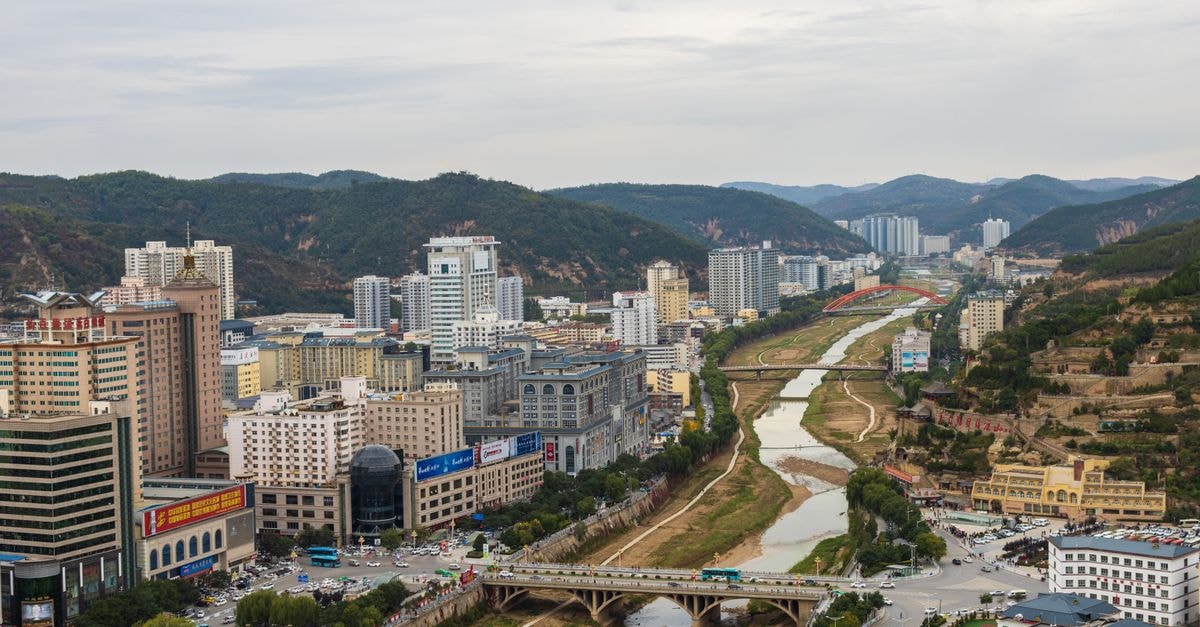
Xining sits on the eastern edge of the Qinghai-Tibet Plateau as the capital of Qinghai Province, and it has the feel of a city where high-altitude light, calm streets, and a surprising mix of cultures all meet in one relaxed walk. Tibetan, Hui, and Salar communities live side by side here, and that everyday diversity shows up first in the food stalls, the small neighborhood grills, and the dairy markets rather than in the headline monuments. For a first-time visitor, the pleasures of Xining are unhurried: an easy airport-to-city transfer, long walks with mountain light in the distance, and a chance to slow down and notice the small food customs you simply would not encounter back east. This guide keeps the focus tight on what the approved sources actually confirm, so you can plan around the basics and leave room for spontaneous exploring on arrival.
How to reach the city from the airport
Xining's main air gateway is Xining Caojiabao Airport, located 29 km east of downtown Xining, Qinghai Province. A straightforward option on arrival is the CAAC (Civil Aviation Administration of China, Zhongguo Minhang) shuttle bus, which takes about 30 minutes to reach the CAAC Ticket Office and costs CNY21 per rider. Because the bus is tied to flight arrivals, it is one of the simplest ways to make the transfer without negotiating a private car at the curb, and it deposits you at a recognized city ticket office rather than at a remote curb-side drop point. Travelers who prefer door-to-door service can still look for taxis or pre-booked cars outside the terminal, but for most visitors arriving without heavy luggage, the shuttle strikes a good balance between cost and convenience.
A multicultural food scene
Xining is a city with a mix of ethnic groups including Tibetan, Hui, and Salar, and that everyday mix is what gives its food culture its character. Walk through a market or a busy street of small restaurants and you will see that influence layering itself across noodles, grilled skewers, bread, and dairy stalls, rather than being concentrated in one or two famous dishes. For a traveler used to a more uniform Chinese food scene, the variety here can feel unusually rich at almost any meal, from a quick breakfast bowl to a long evening sitting at a neighborhood stall. This multicultural layering is the underlying reason that Xining's kitchens produce flavors you simply do not encounter back east.
The signature solid yoghurt
Different from what we often find in supermarkets, yoghurt in Xining is often in a solid state, eaten from a bowl rather than poured from a bottle. This texture is part of what makes local dairy feel closer to a dessert or a snack than a drink, and it ties directly to the Tibetan, Hui, and Salar pastoral background of the region. The simplest approach is to order a bowl plain, taste it on its own first, and then watch how it is served at the stall or table so you can pick up the local custom before adding anything. It is one of the small, everyday food experiences that quietly captures what makes Xining different from the coastal cities further east.
A simple rhythm for your visit
There is no single right pace for Xining, and that is part of its charm, but a calm rhythm tends to suit the city. Give yourself a slow first afternoon to settle in, a walk through a nearby neighborhood where you can compare a couple of food styles, and at least one unhurried evening to sit with a bowl of yoghurt and watch the street go by. Keep some room in your plan, because the most enjoyable discoveries here tend to be the unplanned ones: a small noodle shop you noticed on the way back to the hotel, a quiet teahouse that opens up a side-street view, or a conversation that starts over a shared table. Xining rewards travelers who arrive curious and stay flexible.
Prices, opening hours, schedules, reservation rules, and local conditions can change; verify them through official channels before departure.
Share this article
TOOLS FOR THIS PLAN
Make the Xining plan measurable
Choose a tool only when it answers the next question in your trip. Your values stay in the browser, and each tool offers a route back to this planning context.