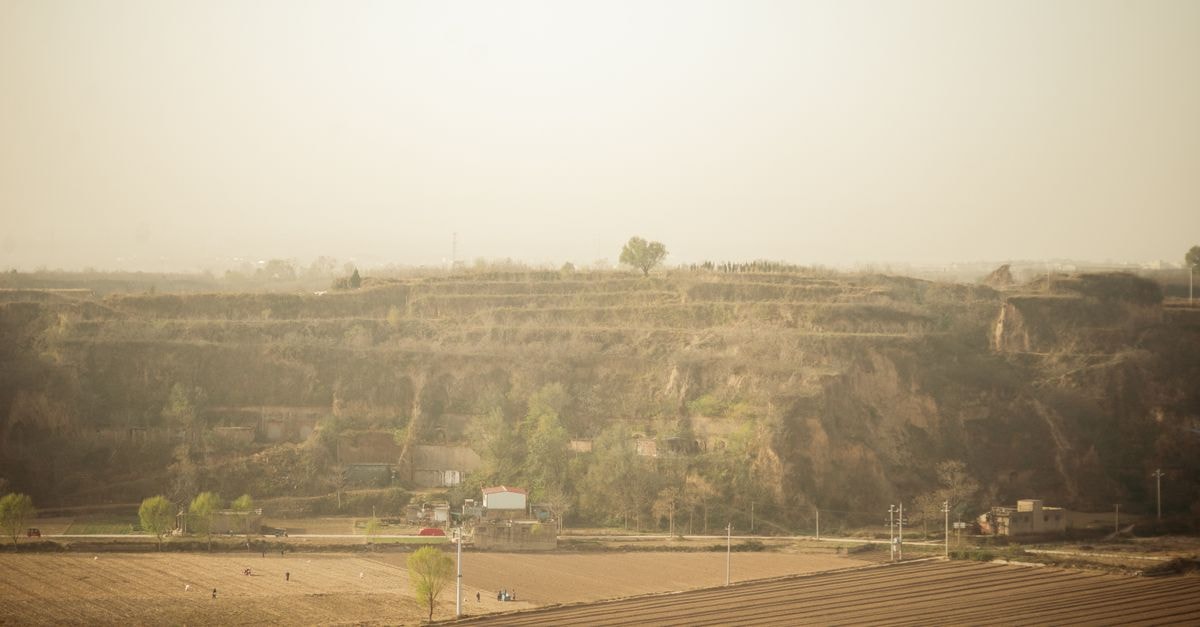
Why Yan'an feels different from other Chinese cities

Yan'an carries a particular weight in modern Chinese memory. Set on the Loess Plateau in North Shaanxi, it is counted among the 24 famous historic cities of China, a designation that hints at the layers of story beneath its streets. Visitors tend to arrive expecting a single mood and leave with several: a reverence for the revolutionary history that shaped twentieth-century China, a quiet surprise at the golden-earth scenery of the plateau, and an appetite sharpened by Northern Shaanxi cooking that runs on millet, potatoes, and lamb.
This guide keeps things slow and practical. The aim is to help you plan a thoughtful visit, moving at a pace that lets the city's history, landscape, and everyday food culture all have their say.
How to reach Yan'an
Long-distance rail and air links into Yan'an are also part of the picture. As with any inland Chinese destination, schedules and pricing change with season and carrier, so it is worth confirming current options through an official ticketing channel before you commit to dates.
Getting around once you arrive
Local transport is straightforward. Taxis are the easiest way to bridge the gap between your hotel and the city's main sites, and they are useful when you want to keep a relaxed pace between, say, a morning at a memorial complex and an afternoon wandering the old quarter. Because Yan'an is laid out along the valley of the Yan River, distances between most central points are manageable rather than sprawling, which suits travelers who prefer walking between stops when the weather cooperates.
If you plan to range further afield, the same highways that bring long-distance buses into the city also make day moves outward relatively smooth, though any specific onward destination should be checked locally first rather than assumed from a guidebook.
What to see: history layered onto the plateau
Yan'an sits on the Loess Plateau in North Shaanxi, and that setting is part of every sight. The most recognizable landmark is Pagoda Hill, the emblematic pagoda that watches over the city and anchors many a skyline photograph. Beyond the central icons, the city's broader attractions pull in two directions at once.
First, there is the weight of revolutionary-era history. Yan'an was a base during a pivotal stretch of modern Chinese history, and that past is preserved in a network of memorial sites, former residences, and meeting places scattered across the city. A measured visit can easily take in several of these in a single day, though thoughtful travelers tend to slow down and read the panels rather than rush from one site to the next.
Second, there is the natural side. The wider Yan'an region is known for two standout landscapes: the most famous waterfall on the Yellow River, Hukou Waterfall, and the largest wild peony habitat in China, Wanhua Mountain. Both reward unhurried visits, and both feel like natural counterpoints to the city's historical sites.
Because Yan'an is a famous tourist destination within its region, expect interpretation and signage at the main attractions to be well developed, but do expect quieter facilities the further you travel from the center.
Food and the wider context of Northern Shaanxi
Yan'an sits firmly in the culinary world of Northern Shaanxi, where wheat, millet, potatoes, and lamb do the heavy lifting. The city has its own recognized restaurant tradition, often referred to under the simple name 'Yan'an Restaurant', which serves as a useful shorthand when asking locals for a place to eat. Beyond that flagship, the broader regional table is generous and worth exploring.
Several dishes tend to come up again and again when travelers ask what to try. Shredded potato cakes turn the humble tuber into something crisp and savory. Mushroom noodles lean into the forested slopes that ring the plateau, and they are a warming bowl after a cool evening. Yan'an millet porridge carries the grain that has sustained the Loess Plateau for centuries, and it pairs naturally with almost any savory side. Yellow steamed buns and oil cakes round out the bakery side of the local table, and they travel well if you want a quick bite while moving between sights.
Across wider Chinese cuisine, hearty grain-and-wheat traditions of the kind you find here tend to be eaten slowly, with shared plates and a strong sense of regional identity. That wider cultural context is helpful background for visitors who want to read a menu with more confidence.
A practical note before you go
Because Yan'an's appeal sits at the intersection of memory, landscape, and food, the most rewarding visits tend to be unhurried. Plan for time at the city's historical sites, a slower afternoon on the plateau, and at least one long meal in the Northern Shaanxi tradition. Always confirm transport schedules, opening arrangements, and ticketing through official channels close to your travel date, as conditions can change. Treat any general guidance here as a starting point for your own research rather than a guarantee.
If you do that, Yan'an rewards the patient traveler with one of the more quietly distinctive stops on any North Shaanxi itinerary.
Share this article
TOOLS FOR THIS PLAN
Make the Yan'an plan measurable
Choose a tool only when it answers the next question in your trip. Your values stay in the browser, and each tool offers a route back to this planning context.