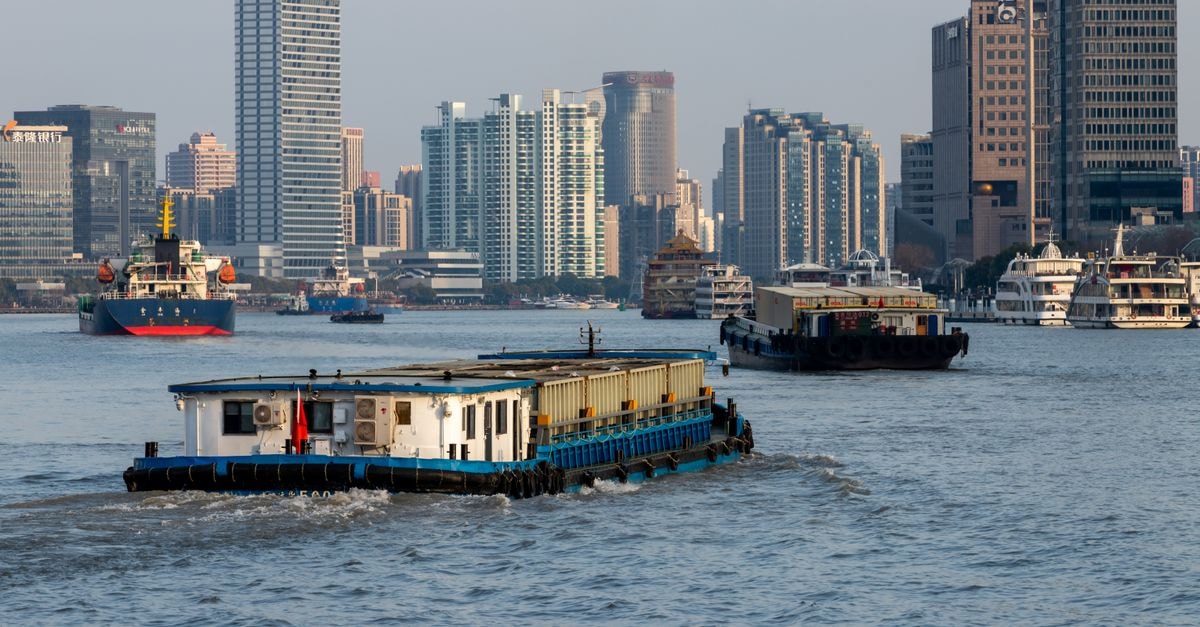
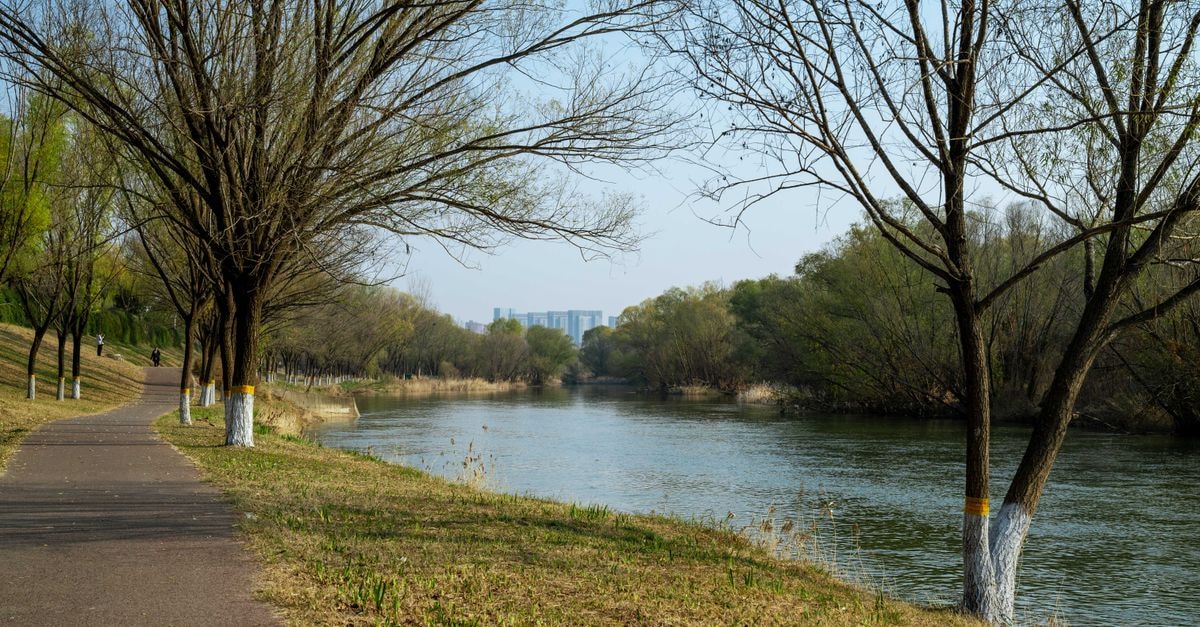
There's a particular kind of quiet fascination that comes with traveling to a place known more for its origins than its photo ops. Qingyang, tucked into the eastern reaches of Gansu Province, sits in a part of China that many travelers pass through without quite realizing what they are crossing. It is a city shaped by deep loess soils, old farming traditions, and the kind of cultural layering that rewards the unhurried visitor. This guide leans into what makes Qingyang feel like Qingyang: its geography on the Loess Plateau and its place in the broader story of Chinese cuisine and dining ritual.

A City on the Loess Plateau
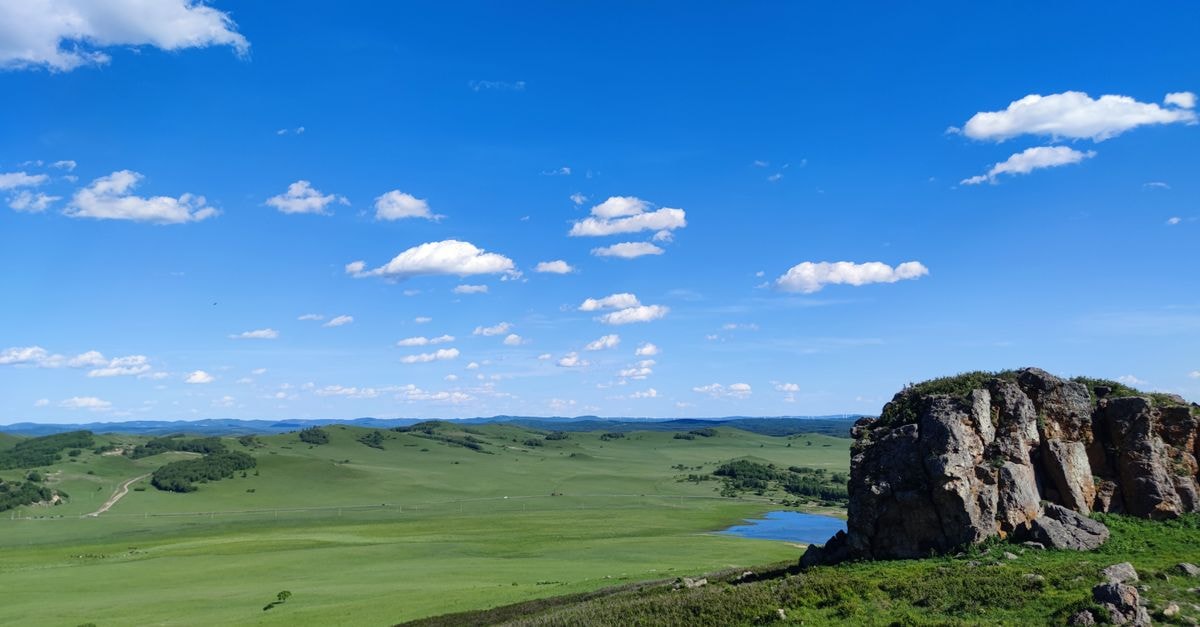
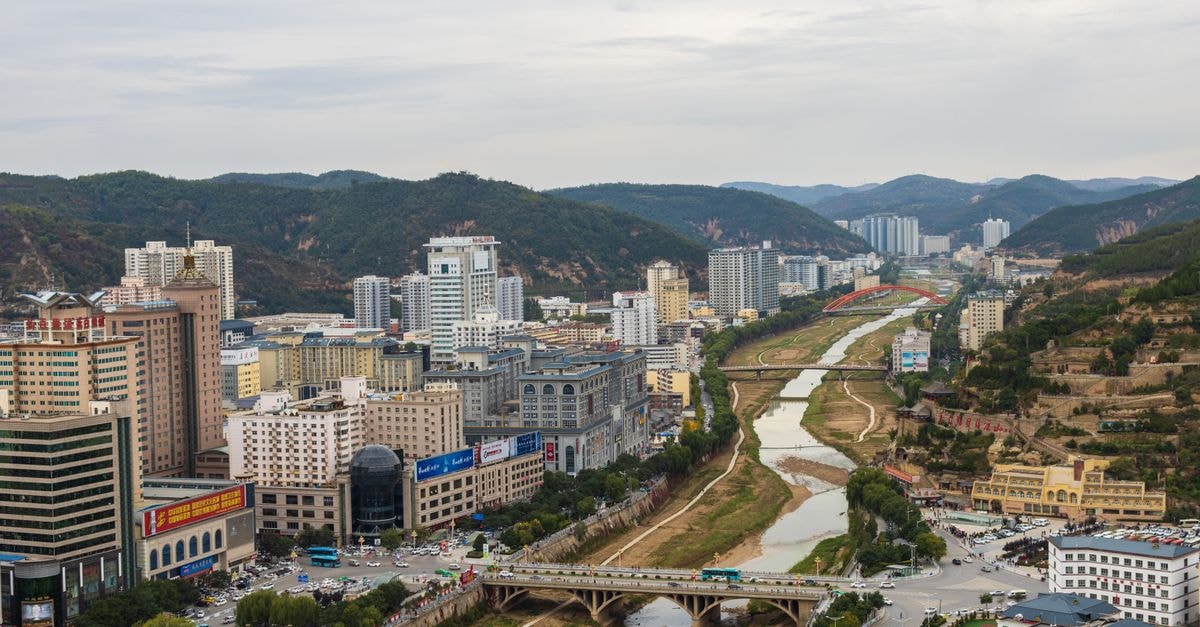
Qingyang is habitually called "Long Dong" because of its locality in eastern Gansu Province, and the surrounding region is sometimes described as the "Longdong Basin" for that same geographic reason. The city itself sits in a channel along the middle stretches of the Yellow River, on the Loess Plateau, a landscape famous for its fine, wind-blown soils and the rolling, eroded contours that give this part of inland China such a distinctive look.
That geography matters more than it might first appear. The Loess Plateau has been one of China's most important cradles of agriculture for thousands of years, and the loess soils around Qingyang have long supported farming communities who shaped terraces, villages, and folk traditions across eastern Gansu. When you travel here, expect horizons that feel wider than usual, with earth-toned ridges, dry valleys, and skies that can stretch dramatically above the plains. It borders Shaanxi Province to the east and north, and lies near Ningxia Hui Autonomous Region to the west, which also helps explain why the cultural influences in this corner of Gansu feel like a meeting point rather than a single closed tradition.
Travelers who appreciate context and landscape over checklist sightseeing will find a lot to enjoy here. The setting itself becomes an attraction, with the rhythm of the Loess Plateau quietly framing every stop.
What the Setting Can Feel Like
The climate and feel of the Loess Plateau tends to reward travelers who plan their days with breathing room. Conditions here are typical of inland, semi-arid northern China, with strong daylight, dry air, and temperature swings between sun and shade that can surprise visitors used to coastal humidity. The Yellow River corridor running through the region adds a touch of green to an otherwise tawny palette, especially around the flatter stretches of farmland.
Because of the elevation, the open terrain, and the dry air, pacing matters more than packing in stops. Slow mornings and unhurried afternoons tend to suit the place well. Sun protection, layers for cooler evenings, and water for the drier hours of the day are small comforts that make the landscape much easier to enjoy. The plateau is at its most photogenic when the light is low and the long shadows of the ridges catch the dust of the fields, so early starts and late afternoons often reward visitors who treat the geography itself as part of the journey.
Food and Local Context
While the approved evidence here speaks to wider Chinese food culture rather than Qingyang-specific dishes, that nationwide context is genuinely useful for anyone visiting. Across China, food is approached with real seriousness and a sense of ceremony that visitors from places where eating is more casual can find surprising and rewarding. It is widely observed that Chinese people love to eat, and that the country boasts one of the world's greatest and most varied cuisines, with regional differences that can feel almost like stepping into a different country from one province to the next.
Eating in China is also described as a feature of a culture with a long history of ritual and etiquette, which means mealtimes tend to be social, generous, and structured in ways that go well beyond simply filling up. Travelers moving through Gansu and into the broader northwest will notice that dining is often communal, with shared plates placed at the center of the table and tea or warm drinks flowing steadily through the meal. Visitors are generally welcomed warmly when they show interest in how a dish is eaten, which utensils to use, or what a particular regional ingredient might be. A few courtesies go a long way: waiting to be seated, following the host's lead on when to start, and accepting toasts or refills with both hands when offered are small gestures that fit naturally into the rhythm of a Chinese meal.
The official cultural framing of travel in China emphasizes that the experience goes beyond sightseeing into a heartfelt cultural resonance that includes intangible crafts, cuisine, street life, and ritual. That wider framing is a useful lens for Qingyang, where farming heritage, local craft traditions, and everyday food rituals are likely to shape a visit as much as any single landmark. Travelers who arrive curious about how people eat, gather, and pass time here will find plenty to notice without needing to chase a fixed menu of recommended restaurants.
How to Approach the Trip
A few practical mindsets help when planning time in Qingyang and the wider Long Dong area. First, treat geography as the headline rather than a backdrop. The Loess Plateau setting is the single most consistent feature of any visit here, and allowing time to simply move through the landscape, whether by road, by rail, or on foot in a village setting, tends to produce the most memorable moments. Second, give meals their own space in the itinerary. Dining in China is rarely a quick refuel; it is a social ritual, and budgeting an evening rather than a half hour for a shared meal will almost always be rewarded.
Finally, come ready to learn a little about the local agriculture. Qingyang sits in a part of China that has long been associated with farming on the loess, and visitors who take an interest in what is grown, how the land is worked, and how those crops end up on the table tend to find a much richer experience than travelers who treat the countryside as scenery to glance at between stops. Asking, tasting, and listening go a long way here, and the willingness to be a curious guest rather than a hurried tourist is often the difference between a forgettable stop and a genuinely memorable one.
A Note Before You Go
Travel conditions, including opening hours, transport schedules, and local services, can change over time. While the geography and cultural character of Qingyang described here are durable, readers should check current information through official tourism channels, local transport providers, and up-to-date guides before departure. Factual details such as prices, timetables, and entry requirements are best confirmed close to the date of travel, and any specific plans around meals, transport, or guided visits should be verified locally so the trip reflects what the city actually offers on the day you arrive.
Prices, opening hours, schedules, reservation rules, and local conditions can change; verify them through official channels before departure.
Share this article
TOOLS FOR THIS PLAN
Make the Qingyang plan measurable
Choose a tool only when it answers the next question in your trip. Your values stay in the browser, and each tool offers a route back to this planning context.