A first impression of Yekaterinburg

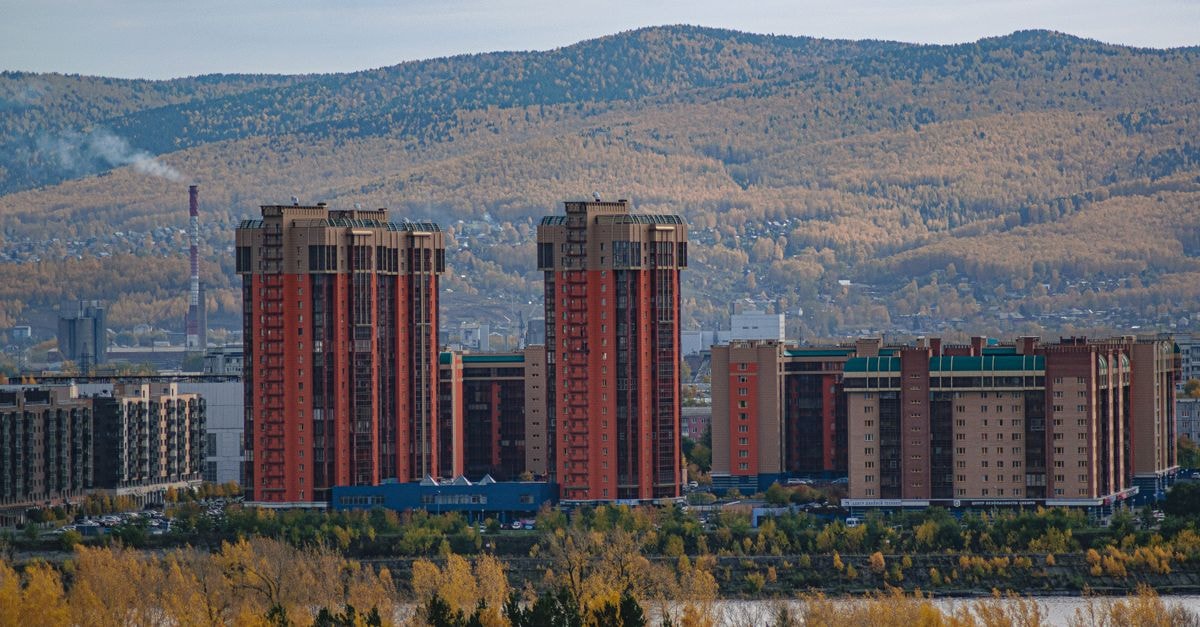
There is a particular kind of electricity that runs through Yekaterinburg, a feeling that comes from the meeting point of old weight and new confidence. You sense it in the long, ceremonial avenues, in the layer of contemporary life pressed against historical facades, and in the way the city is openly discussed as one of Russia's most popular cities for foreign tourists, mainly known for its architecture. That architectural reputation is not a quiet museum claim; it is a lived layer of the city, and it tends to be the lens through which first-time visitors begin to read the place.
What makes Yekaterinburg feel contemporary, though, is the contrast at street level. The air along a busy road can carry a drift of diesel haze into third-wave espresso steam, an oddly honest snapshot of a city that does not romanticize itself. Between concrete giants, ex-weapons plants pour craft cocktails, suggesting an appetite for reinvention that sits comfortably next to the grand civic scale. That sense of contrast, the monumental and the playful, the engineered and the brewed, is a useful mental map for any visit.
Weather and seasonal context
Yekaterinburg's climate sets a comfortable stage for being outdoors. Conditions are generally comfortable for sightseeing without being sweltering, which suits a city whose architectural details reward unhurried walking. You can typically move between outdoor viewpoints and interior spaces without the urgency that comes with extreme heat, and that softer rhythm tends to encourage longer neighborhood wanderings.
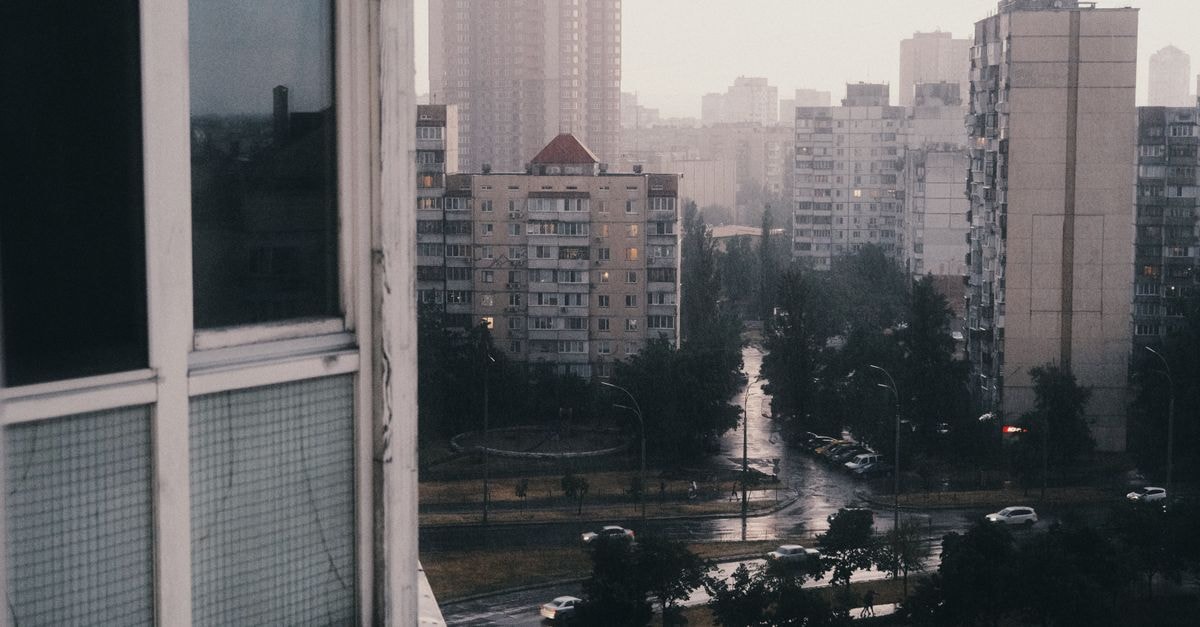
Rain, on the other hand, is a more frequent companion. Expect daily rain or showers, often in heavy bursts, which means planning around sudden weather changes is part of the rhythm of a day here. A compact umbrella, a light layer, and the willingness to step into a café when a shower passes can turn the weather from an obstacle into a feature. The bursts tend to be short rather than sustained, and they leave the streets fresh and the light softer for photography.
For visitors who like to pace their day differently, this climate pattern rewards a flexible structure. Heavy outdoor moments can sit alongside protected indoor stops, and the city's indoor spaces, from cultural venues to cozy coffee rooms, are well-suited to a pause-and-look approach.
Getting around
Yekaterinburg reads well on foot when you are anchored in the central districts, and its architectural scale is best appreciated by walking slowly along the principal avenues. The grand sightlines, the layered facades, and the rhythm of plazas and intersections reveal themselves at walking pace, and many of the impressions that define the city, from the broad civic gestures to the small neighborhood surprises, come from pedestrian routes.
The character of the city is also shaped by what moves through it. The diesel-and-espresso mixture on certain streets hints at a transport system that is still active and industrial in tone, while the craft cocktail scene tucked inside repurposed industrial buildings suggests that old routes and warehouses have been quietly absorbed into a new cultural layer. That repurposing, from ex-weapons plants to contemporary gathering places, gives the city a particular texture.
For travelers, the practical takeaway is to combine walking with whatever public and private transport options connect the central core to outer neighborhoods. The architectural heart of the city is best taken slowly, and longer moves across districts can be planned for moments when the weather shifts. Because the city is widely discussed as a draw for foreign tourists, signage and wayfinding around the most visited architectural sites tend to be reasonably accessible, though checking current arrangements through the appropriate travel information channels before arrival is always a sensible habit.
Green spaces and a softer pace
Among the city's calmer places, Mayakovskiy Central Park of Culture and Recreation stands out as a well-known green space, useful for breaking up days that have been heavy on grand architecture and busy intersections. Parks like this offer a different reading of the city, one that is less about stone and more about the daily life of residents who come to walk, sit, and meet. Spending an unhurried hour here, especially during a wet spell, can balance out a more intense day of sightseeing and offer a more grounded sense of place.
The presence of such parks also subtly reframes how you understand the city's scale. Yekaterinburg is large and assertive in its architectural ambitions, but the green pockets soften the geometry and give visitors a chance to slow down. If the weather turns wet, the sheltered paths and tree cover offer a different kind of sightseeing experience, one that is more about atmosphere than itinerary.
A practical note on planning
Factual conditions for travel can change, and it is wise to verify the latest practical details, from transport options to venue hours, through official channels before departure. Treat any current snapshot as a starting point rather than a final answer, and let the city surprise you in the spaces between the planned stops.
This guide is designed to be useful well beyond any single month or season. The general climate tendencies, the architectural emphasis that defines the city's reputation, and the contemporary contrasts at street level all hold across the year. Use these threads as a base layer, and adjust them to the weather and the rhythm you encounter on the ground.
Share this article
TOOLS FOR THIS PLAN
Make the Yekaterinburg plan measurable
Choose a tool only when it answers the next question in your trip. Your values stay in the browser, and each tool offers a route back to this planning context.