A first look at Yichun

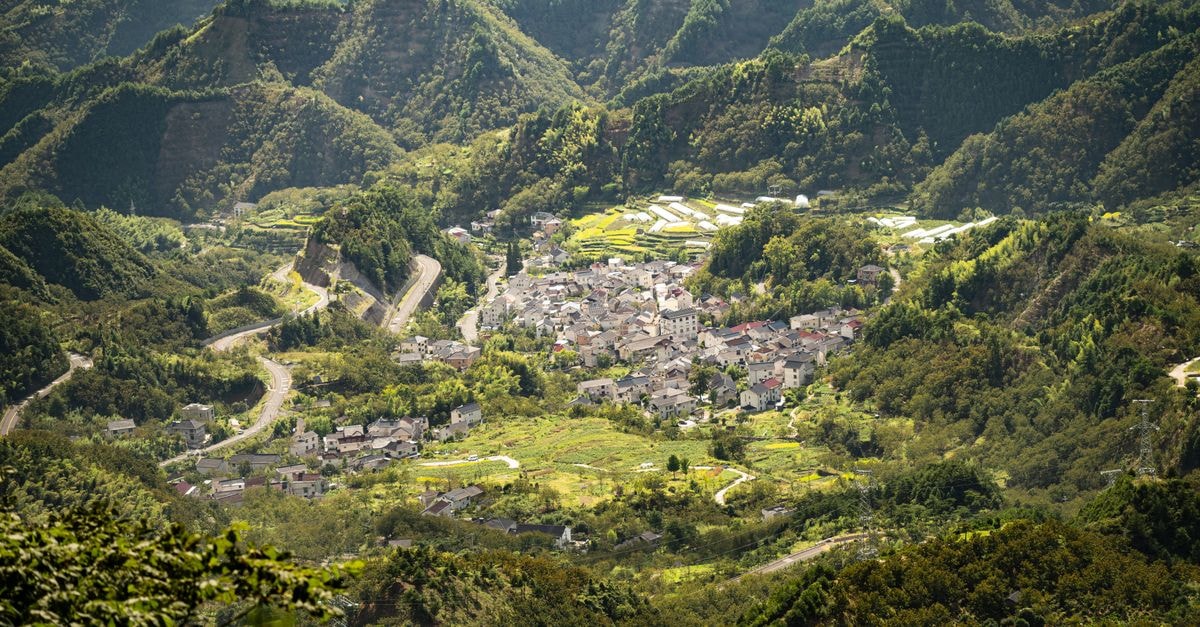
Tucked into the rolling hills of western Jiangxi, Yichun has the unhurried feel of a place where the landscape sets the rhythm. The city sits amid mountains and forested countryside, and it is known regionally for its natural scenery, hot springs, and significance as a center for Buddhism in this part of China. That combination of soft geography and contemplative heritage gives the destination a quieter atmosphere than China's larger provincial capitals, which can appeal to travelers looking to slow down without losing touch with interesting places to explore.
For visitors, Yichun works well as a base for gentle nature outings and a deeper look at Jiangxi's culture. The mix of scenic surroundings, a walkable city center, and a cuisine rooted in bold regional flavors means a few days here can easily feel full without feeling rushed.
Weather and seasonal context
Yichun reads as a city that breathes with the seasons. Spring arrives with fresh green landscapes, flowers, and mist drifting across the mountains, giving the countryside a particularly soft, photogenic quality. Autumn is widely considered the best season to visit, when the temperatures ease and the scenery settles into a calmer palette. Travelers who prefer mild, walkable days and clearer views may find autumn especially appealing, while those drawn to misty mountain photography and blooming countryside may enjoy a spring visit instead. Pacing sightseeing gently around midday breaks can suit either shoulder season, since the surrounding hills tend to invite a slower pace.
Getting around
Yichun's city center is described as bustling and commercial, with good connectivity, making it a practical anchor for a stay. Visitors who like to mix neighborhood wandering with day outings into the surrounding hills will likely base themselves near the center and use local transport to reach nearby scenic spots. Travelers who prefer to keep logistics simple may appreciate that a centrally located stay shortens the gap between meals, errands, and excursions into the wider landscape.
Attractions and planning
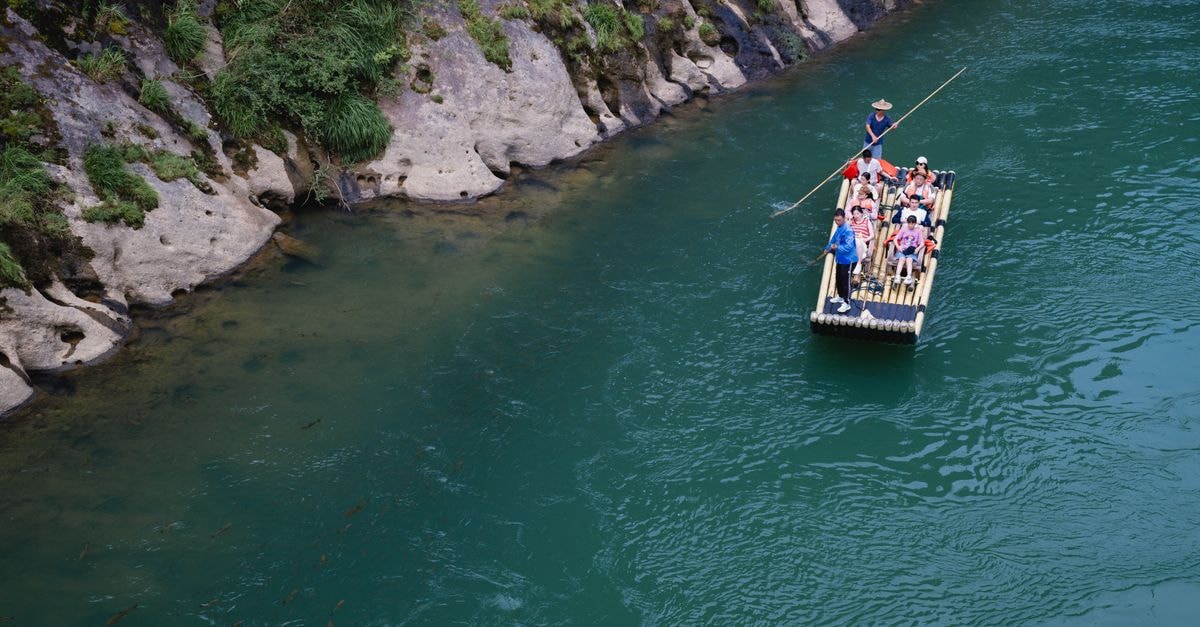
The attractions around Yichun are a meaningful part of why travelers come. Natural beauty and cultural richness run through the main sites, offering glimpses of both the region's scenery and its heritage. Planning a visit with a loose daily focus, rather than racing between stops, lets the landscape breathe. Visitors interested in Buddhist sites and contemplative spaces may find Yichun's significance as a regional center for Buddhism a natural thread to pull through their itinerary, while those drawn to the outdoors can lean into the forested hills and hot springs that the area is known for.
A simple approach works well here: pick one anchor attraction for the morning when energy and light are best, leave room for an unhurried meal, and let the afternoon settle into something softer, whether that means a quieter cultural stop or simply enjoying the surrounding countryside.
Food and local context
Yichun's cuisine is rooted in Jiangxi's bold, spicy flavors, and meals tend to feel hearty and direct. For travelers who want a sit-down meal with a sense of place, Lao Yichun Restaurant at 88 Yuanzhou Avenue offers a grounded option. Because individual menu prices and current opening details can change, it is worth confirming the latest practical details directly with the restaurant before planning a visit. Travelers who enjoy assertive, spice-led regional cooking will likely find the local style rewarding, while those with a lower tolerance for heat may want to ask about milder dishes when ordering.
Across wider China, meals are often shared family-style, with several small dishes placed in the center of the table, and tea frequently accompanies a meal rather than arriving afterward. Visitors may encounter these dining rhythms while in Yichun, and embracing the shared-table approach can make a local meal feel more relaxed and conversational.
Choosing what fits your trip
A few simple tradeoffs can shape how Yichun feels. Travelers who prize scenery and quiet over a packed schedule will likely enjoy building the day around one main outdoor or cultural stop, with the rest left open for neighborhood wandering, meals, and the hot springs the region is known for. Those who want a fuller sightseeing rhythm may prefer to anchor themselves in the bustling city center for its connectivity and step out to surrounding sites in shorter, focused blocks. If bold Jiangxi flavors matter to you, plan at least one meal at a recognized local restaurant and let the cuisine lead the evening; if you prefer lighter pacing, balance spicy dishes with gentler street-food snacks and tea breaks. Travelers seeking contemplative spaces can let Yichun's standing as a regional Buddhist center guide their cultural stops, while outdoor-focused visitors can prioritize the hills, springs, and forested landscapes that frame the city.
A quick note before you go
Factual conditions for travel can change over time. Before departure, it is worth checking current opening details, transport options, and any local guidance through official channels so that your plans reflect the latest information on the ground.
Share this article
TOOLS FOR THIS PLAN
Make the Yichun plan measurable
Choose a tool only when it answers the next question in your trip. Your values stay in the browser, and each tool offers a route back to this planning context.