A first impression of Zhangjiajie

There is something quietly cinematic about a city that sits in the hinterland of a major mountain range, where the everyday rhythm plays out beneath skies that keep shifting above the ridgelines. Zhangjiajie rests in that kind of setting, tucked into the Wuling Mountains of Hunan Province and spread across a total area of 9,516 square kilometres, administered through two districts and two counties. For visitors, this is less a stop on a checklist and more a place to slow down and look outward — at the silhouettes of distant peaks, at the layering of forested hills, at the slow reveal of geology that has been millions of years in the making.
The mood here tends to be unhurried. Small neighbourhoods thread together through valleys, and the natural backdrop is always close. Even before stepping into any famous scenic area, the sense of being in a mountainous region is constant — a reminder that what makes Zhangjiajie a destination is the land itself.
Getting around
Reaching the city is the easier half of any trip. Domestic and international flights handle long-distance travel from across the world, while high-speed rail links connect Zhangjiajie with major domestic cities across China, giving visitors a more flexible way to arrive depending on their starting point and appetite for scenery along the way.
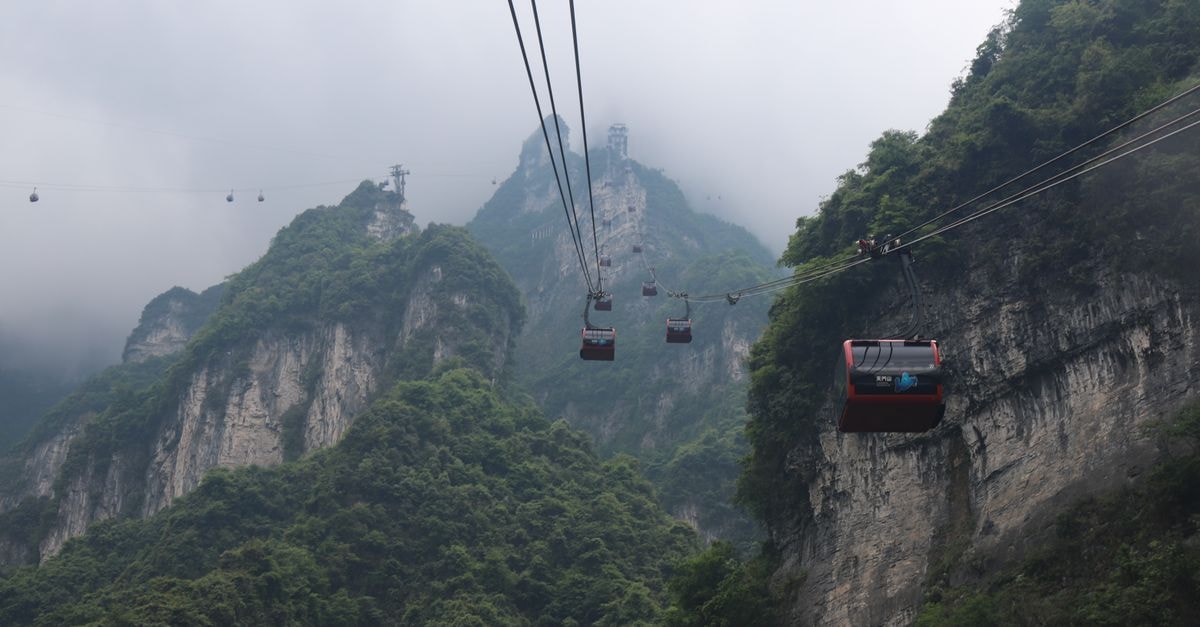
Once on the ground, moving around is fairly approachable. Core attractions across the city's distinctive districts are served by tourist buses and city buses, and taxis and ride-hailing services are also readily available for shorter hops or door-to-door convenience. The mountainous terrain means that journeys between districts can feel longer than the kilometre count suggests, so building a little buffer into any day's plan is the kind of small, practical habit that tends to pay off here.
For travellers planning ahead, it is worth thinking of transport in two layers: the long-haul choice into Zhangjiajie, and the local mix of buses and cars that will carry you through the valleys and up toward the scenic areas once you have settled in.
The landscape that defines the city
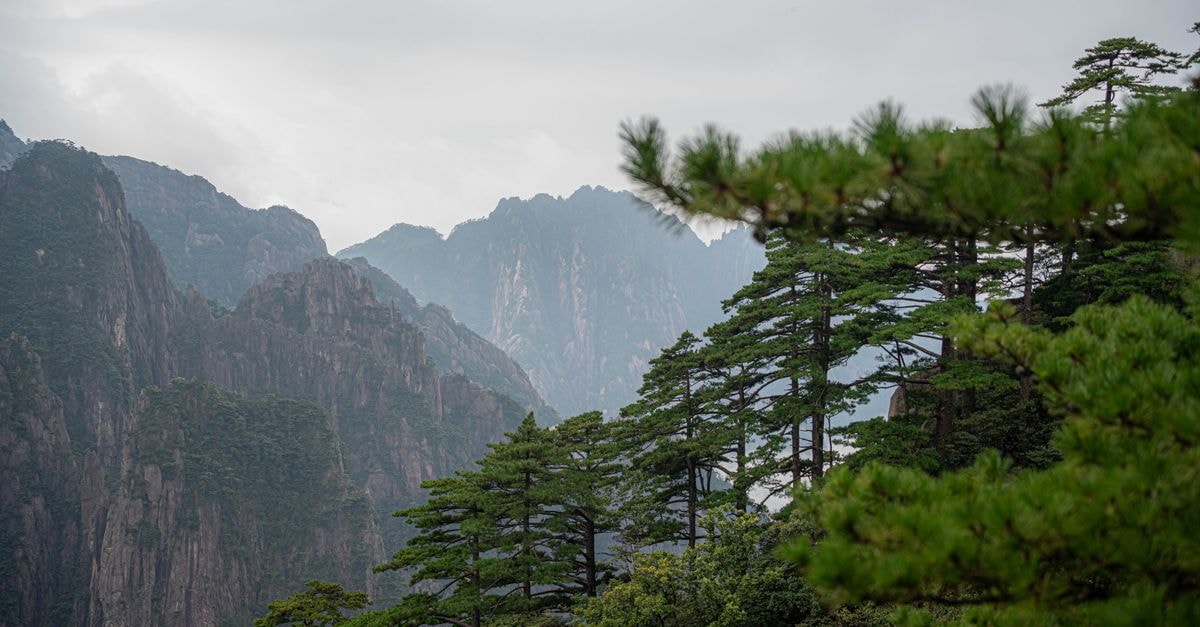
Zhangjiajie's scenery is the reason most visitors come, and the geology here is genuinely unusual. The area is notable for a combination of karst landforms alongside rare sandstone peak forests — formations that are not commonly found elsewhere in the world at this scale. That mix is what gives the skyline its almost storybook quality: pillars and spires rising in clusters, with forested slopes and occasional sheer faces between them.
Locals and travellers alike often describe the place as "an enlarged bonsai and a miniature fairyland," and the scenery is said to vary in different seasons. From a visitor's perspective, that phrase captures something real — the feeling that the same view can feel crisp and bright one moment, soft and mist-laden the next, depending on the weather rolling through the mountains.
Even outside of any ticketed scenic area, the surrounding hills carry that same quality. Walking roads and viewpoints around the city often frame the peak forests as a backdrop, and the experience of simply watching the light change across them can become one of the more memorable parts of a stay.
Food and the wider Chinese dining context
Zhangjiajie does not exist in a culinary vacuum, and the food culture visitors encounter here sits within the much wider story of Chinese cuisine. Eating is treated as one of the great pleasures of daily life, and the country is recognised for having one of the world's greatest and most varied food traditions. Travellers moving through Zhangjiajie will find that warmth expressed in everyday meals — long shared tables, generous portions, and a sense that food is as much about company as it is about flavour.
Chinese eating culture also carries a long history of ritual and etiquette, and dining has developed into something quite formal in its own right. Visitors may notice small signals at the table — the way dishes are placed in the centre to be shared, the rhythm of pouring tea for one another, the casual but attentive hospitality of hosts. None of this is unique to Zhangjiajie, but it is part of the texture of a meal anywhere in the country, and being aware of it tends to make dining out feel a little easier and a little more connected.
Because food is so woven into travel here, even a short stay tends to produce a long list of dishes remembered — not for any single signature restaurant, but for the cumulative impression of being fed generously in a culture where meals matter.
Pacing the day
The mountains that make Zhangjiajie worth visiting are the same ones that shape how a day here actually feels. Distances between districts can be longer than expected, the elevation changes are real, and the weather rolling through the valleys can shift the mood of an outing from bright and open to cool and misty within an hour.
A relaxed pace tends to suit the place. Starting earlier in the day, building in unhurried lunches, and leaving room for a slower afternoon — whether that means lingering at a viewpoint, sitting with a pot of tea, or simply watching the peaks from a high window — usually makes the experience feel richer than rushing from one point to the next. Travellers who treat Zhangjiajie less as a box-ticking route and more as a place to settle into tend to come away with the strongest impression.
A final note before you go
Factual travel conditions — from transport schedules to attraction access — can change over time, and it is always wise to check official channels closer to departure for the most current details. What this guide offers is a steady, evergreen picture of Zhangjiajie: a mountain city shaped by sandstone peaks, supported by flexible long-distance links and a layered local transport network, and set within the wider, generous food culture of China.
Share this article
TOOLS FOR THIS PLAN
Make the Zhangjiajie plan measurable
Choose a tool only when it answers the next question in your trip. Your values stay in the browser, and each tool offers a route back to this planning context.