A first look at Yongzhou

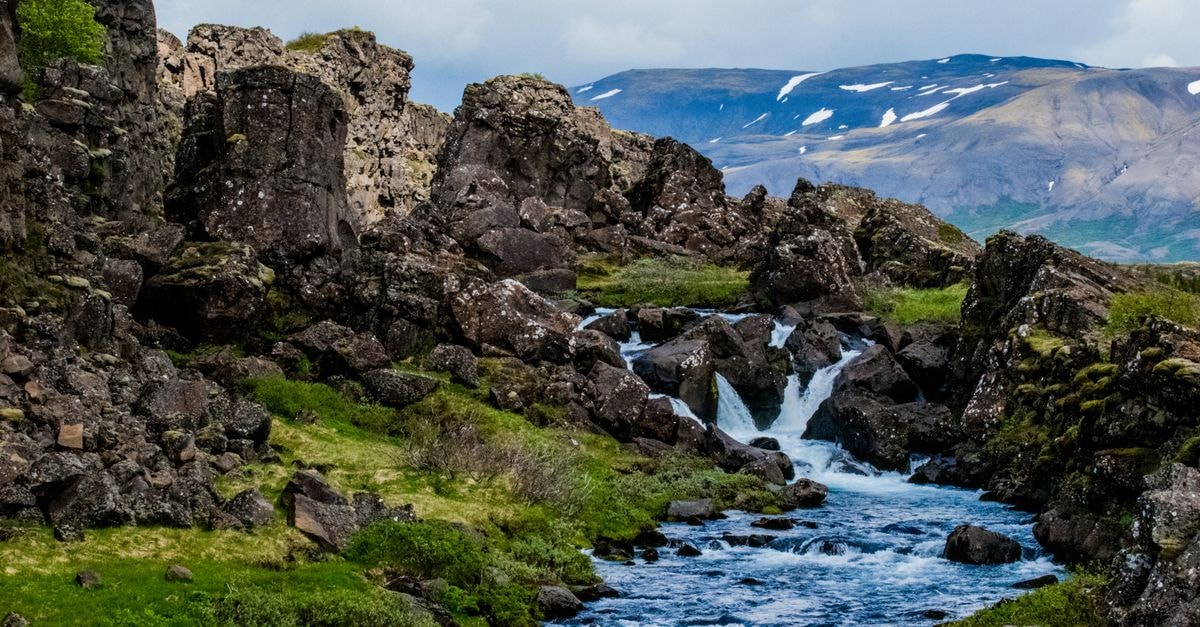
Yongzhou, sitting in the southern reaches of Hunan, has long carried the poetic name Xiaoxiang — a word that drifts through classical Chinese painting and verse, where misty rivers meet forested ridges. Travelers who make their way south from Changsha or Hunan's other major hubs find a quieter pace here, the kind that invites long walks, slow tea, and unhurried afternoons.
What draws visitors is the way the city balances two sides of southern China: a cultural pedigree rooted in classical literature, and a landscape of hills, rivers, and forest parks that feel genuinely spacious. The Xiaoxiang identity is part of the city's storytelling, and it colors everything from the local outlook to the way scenic spots are framed.
For independent travelers, the appeal is the combination of mountain scenery, river-town atmosphere, and a transport network that connects the main hubs without the density of a mega-city. The rest of this guide unpacks what to plan for — climate, getting around, and the natural attractions that anchor most visits.
Weather and seasonal context
Yongzhou sits in a subtropical pocket, and that shapes the rhythm of any visit. In the warmer months, daytime temperatures can typically reach up to 40°C (104°F), with overnight lows dropping as low as 22°C (71°F) and an average around 30°C (87°F). Heat and humidity are the defining factors for outdoor days, and pacing matters: mornings tend to be the most comfortable window for walking, hiking, or reaching scenic areas before the strongest sun.
A few practical notes that follow from this climate:
- Lightweight, breathable clothing is a sensible default for daytime. - A light layer can still be useful for indoor spaces and evenings, especially in mountain areas where temperatures often dip lower than in the city. - Hydration and shade are worth treating as part of the daily plan, not afterthoughts. - For multi-stop days, clustering outdoor visits into the morning and leaving the hottest stretch for meals, museums, or resting can keep energy steady.
Rain is possible year-round, and a compact umbrella or rain shell earns its space in a day bag in every season. Travelers sensitive to humidity sometimes find that the forested scenic areas feel notably more comfortable than the city itself, which is one reason mountain destinations around Yongzhou are popular in the warmer months.
Getting around
Yongzhou's transport network has been improving in recent years, which is helpful context for any visitor. The city's main anchors are its railway station, its long-distance bus station, and the central commercial areas where most visitors arrive, stay, and orient themselves.
For moving within the city itself, bicycle sharing is a prevalent and easy option. Apps such as Meituan Bike and Hello Bike operate in Yongzhou, letting visitors pick up a bike near a transit hub or commercial street and drop it off at the next convenient point. This works particularly well in the flatter central districts and along the riverfront stretches where the city is most walkable.
Taxis and ride-hailing cover the gaps that bikes and walking don't, especially for reaching scenic areas on the city's edge or returning after a longer day out. As in most Chinese cities, cashless payment through a smartphone wallet is the usual way to handle short rides.
For trips to the mountain scenic areas covered in the next section, the practical pattern most independent travelers use is to combine public transport to the nearest gateway with local onward options — whether that's a short taxi, a ride-hail pickup, or a local shuttle where one runs. Because schedules and services can change, it helps to confirm the current local arrangement at the station or through your hotel before setting out.
Attractions and planning
Yongzhou's signature sights are its mountains, and the way they're framed tells you a lot about how the city sees itself. Two stand out for nature-focused travel.
Jiuyi Mountain Scenic Area, also known as Cangwu Mountain, is one of China's most sacred mountains. It carries deep cultural weight — centuries of poetry and pilgrimage — and it remains a place where visitors can hike among layered ridges, temples, and forested valleys. For travelers who want to combine cultural depth with landscape, Jiuyi Mountain is often the headline stop.
Yangming Mountain National Forest Park is described as one of China's top summer mountain resorts. Its appeal is the cooling forest environment, the walking trails, and the kind of open green space that rewards unhurried exploration. Travelers looking for a quieter outdoor day — especially when the city itself feels warm — often find Yangming Mountain a comfortable counterpoint to a more itinerary-heavy stretch of the trip.
A few notes that help in planning:
- Both attractions are best treated as half-day or full-day outings rather than quick stops, since the appeal is in the walking and the atmosphere. - Because they sit outside the central districts, transport time should be factored into the day's plan. - Entry and shuttle arrangements around mountain scenic areas can change, so it is worth confirming current details with the official ticket channel or local tourism information before traveling out.
Practical notes for independent visitors
A few small things tend to make a Yongzhou trip smoother:
- Connectivity: A Chinese SIM or eSIM and a working smartphone payment setup will simplify transport, museum entries, and most small purchases. - Language: Outside the main hubs and scenic gateways, English is less common than in tier-one cities. A translation app and a few key Chinese characters (or screenshots of your destination in Chinese) go a long way. - Pacing: With heat in the warmer half of the year, slower days around Yangming Mountain or Jiuyi Mountain — even with a long lunch or a riverside break in between — tend to feel more rewarding than back-to-back sightseeing. - Local culture: Yongzhou's Xiaoxiang identity shows up in small details — riverside walks, calligraphy references, and a strong literary streak. A little curiosity about the local literary history can add texture to any visit.
A final note before you go
Factual conditions — transport schedules, ticket arrangements, opening patterns, and on-the-ground services — can change over time. The details in this guide reflect what is reliably established about Yongzhou, but they should be cross-checked with official tourism channels, station information, and your accommodation before you set out. Rates for any currency or payment conversions are reference points only, and travelers should check the live rate at the time of their trip.
A little preparation goes a long way in Yongzhou. With the basics sorted, the city rewards visitors who come for the mountains, the rivers, and the Xiaoxiang atmosphere — and who give themselves time to enjoy all three.
Prices, opening hours, schedules, reservation rules, and local conditions can change; verify them through official channels before departure.
Share this article
TOOLS FOR THIS PLAN
Make the Yongzhou plan measurable
Choose a tool only when it answers the next question in your trip. Your values stay in the browser, and each tool offers a route back to this planning context.