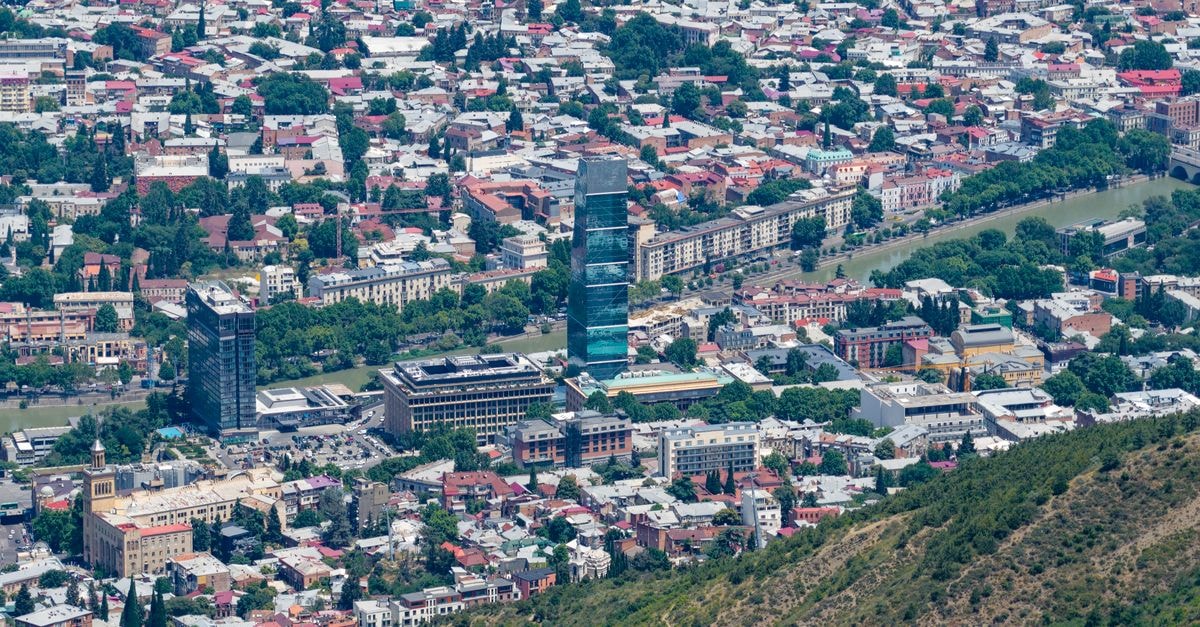
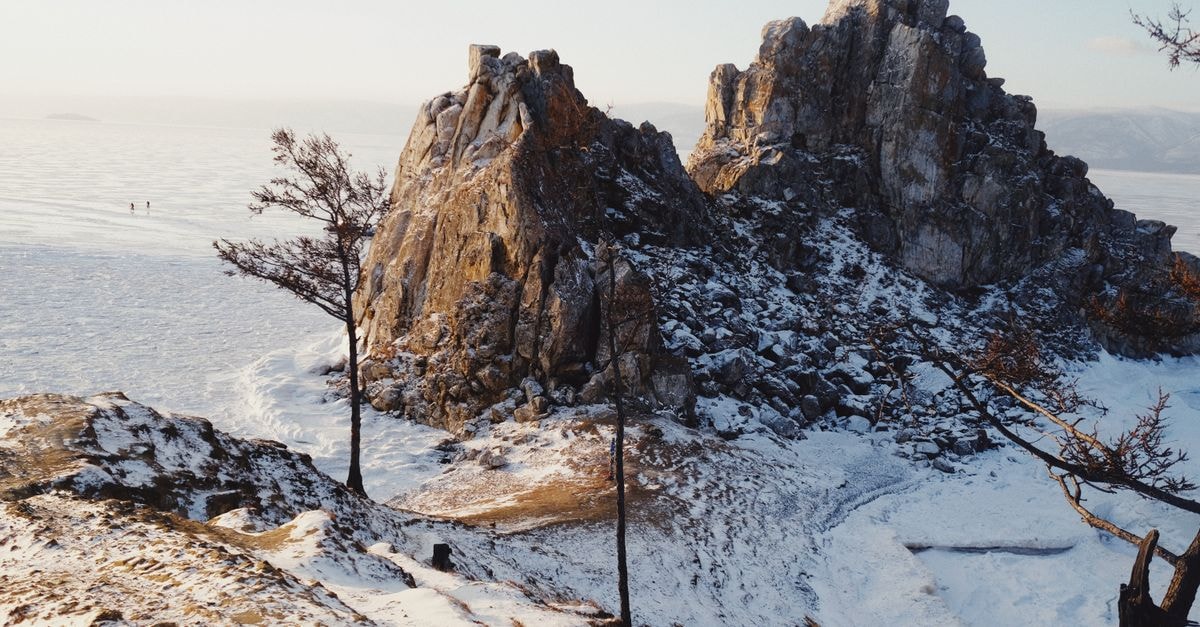
There's a particular pleasure in arriving at a regional Russian capital that most travelers pass over on the way to bigger names. Yoshkar-Ola, the quiet capital of the Mari El Republic, has that unhurried feel. It sits along the Malaya Kokshaga River and carries the layers of a city that began life as a frontier outpost in the 1580s before slowly softening into the regional center it is today. The mix of layered history and recent architectural flourishes gives the place a quietly surprising character, and the food scene leans comfortably into the wider Russian table.

A city built around a river and a fortress past
Yoshkar-Ola was founded in 1584 as a Russian fortress on the Malaya Kokshaga River and was originally named Tsaryovokokshaysk, serving as a military outpost in the Kazan region. That compact origin story still shapes how the city reads on foot: a river running through the center, broad streets that grew outward from the original fortified site, and a sense that the place was always meant to be looked outward from. Knowing this background helps the visitor place everything else — the architectural set pieces feel like an evolution rather than a sudden reinvention.
Attractions and planning
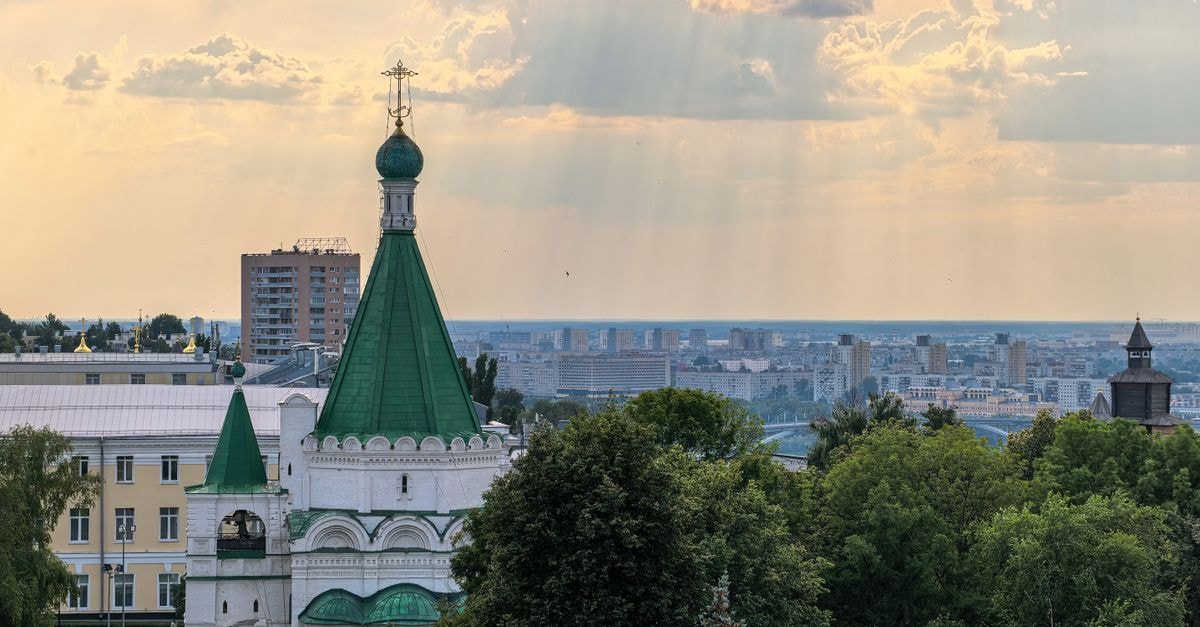
The single most recognizable landmark for visitors is the Church of the Holy Deity, a striking architectural marvel that anchors much of what people come to Yoshkar-Ola to see. Its reputation is built on its history and its visual impact, and it functions as a natural focal point for first-time wanderers mapping out the city on foot.
Because the city's architectural identity is unusually concentrated, the practical approach is simple: give yourself time to walk between the major set pieces rather than rush them. The Church of the Holy Deity is the kind of building where stepping back to take in the full façade matters, and pairing it with a slower stroll along the river lets the fortress-to-capital story fall into rhythm. Treat the rest of your visit as a slow loop rather than a checklist, and the city's particular atmosphere has room to surface.
Food and local context
Yoshkar-Ola doesn't have a separate, branded culinary identity that travels well in guidebooks — what you'll find at the table here draws confidently from the wider Russian food culture that visitors encounter across the country. Framing it that way is more useful than chasing invented regional specialties.
Start with the national comfort food. Pelmeni — the Siberian-style meat dumplings often described as Russia's most universal comfort food — show up widely on Russian menus and tend to be a reliable, warming choice after a day of walking in cooler weather. They read as everyday food rather than a tourist attraction, which is part of their appeal: they tell you what locals actually eat.
Beyond dumplings, the wider Russian table has a few other anchors worth knowing about before you sit down. Black caviar sits at the luxury end of Russian cuisine, a historically expensive ingredient whose modern story is tied to ecological challenge and the slow recovery of aquaculture. You don't need to order it — many visitors won't — but recognizing it on a menu and understanding why it carries that weight is part of reading the food culture accurately.
Russia's broader kitchen is also more varied than its stereotypes. Forget the Soviet-era shorthand of gray mystery meat and boiled cabbage — the real Russian table starts with the crackle of pork fat rendering in a cast-iron skillet and ends with the sharp tang of fermented rye bread that lingers on the tongue. That crackle-and-tang rhythm is what you should listen for when you sit down to eat in Yoshkar-Ola. Look for menus that lean into those textures — slow-rendered meats, dark rye, sour creams, pickles — and you'll be reading the culture correctly even without a local guide.
The practical takeaway is straightforward. Treat the city's restaurants and cafés as your window into the wider Russian table rather than as a destination for a specific regional dish, and you'll eat well and understand what you're eating. Order pelmeni at least once, try the rye bread wherever it's fresh, and save caviar as a curiosity rather than a default. The river city setting rewards slow meals as much as slow walks.
Putting it together
Yoshkar-Ola rewards a measured pace. Begin with the river-and-fortress backstory so the place makes sense on foot, then let the Church of the Holy Deity anchor a walking loop. Eat from the wider Russian table — pelmeni, rye, the slow-rendered textures — and read the caviar story as cultural context rather than a must-order. That's the whole shape of the visit: history, architecture, river, and the kind of food culture that runs through every region in the country.
A short verification note before you go: factual travel conditions — opening hours for sites like the Church of the Holy Deity, restaurant service patterns, transport links, and seasonal conditions along the Malaya Kokshaga River — can change at short notice, and details that aren't covered in the durable background above should always be confirmed through official channels before departure.
Share this article
TOOLS FOR THIS PLAN
Make the Yoshkar-Ola plan measurable
Choose a tool only when it answers the next question in your trip. Your values stay in the browser, and each tool offers a route back to this planning context.