A small Altai gateway with mountain-foothill energy

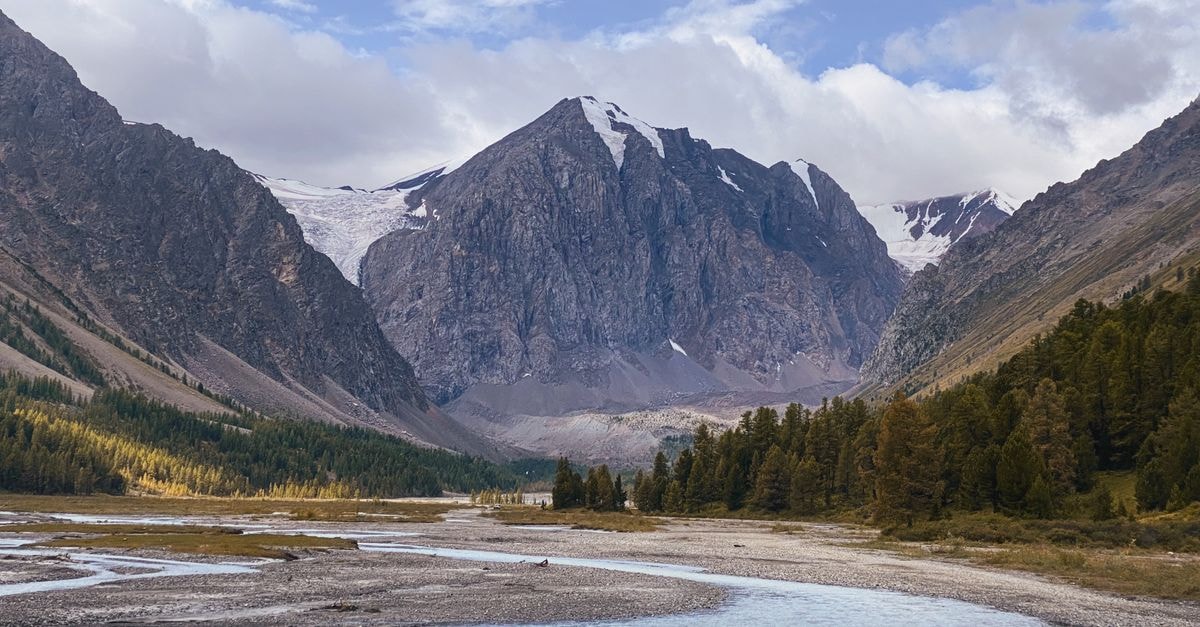
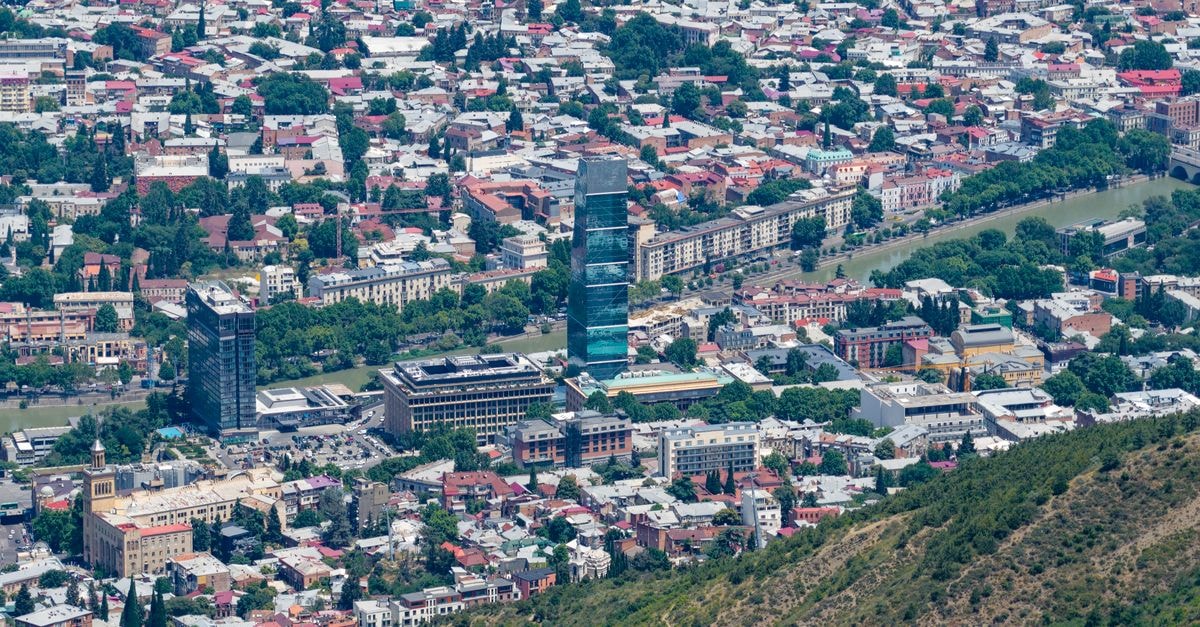
There is a particular kind of quiet that settles over a city cupped by mountains, and Gorno-Altaysk has it. Sitting in the foothills of the Altai range, this small regional capital feels less like a stop on a busy circuit and more like the start of a slower conversation with southern Siberia. Travelers tend to arrive with a sense that they have stepped off the main path, and the city rewards that feeling with a compact, walkable centre and a steady view of forested slopes in every direction.
For visitors planning a trip, the honest first impression is one of space and calm. Even with a few sights clustered close together in the centre, the rhythm of the day tends to unfold gently, with coffee, a stroll along a few key landmarks, and plenty of moments to simply look up at the surrounding peaks. A general Gorno-Altaysk travel guide can offer the kind of overview that helps orient a first-time visitor before any decisions are made, and that orientation is often the most valuable thing you take home from this corner of Russia.
Setting and seasonal context
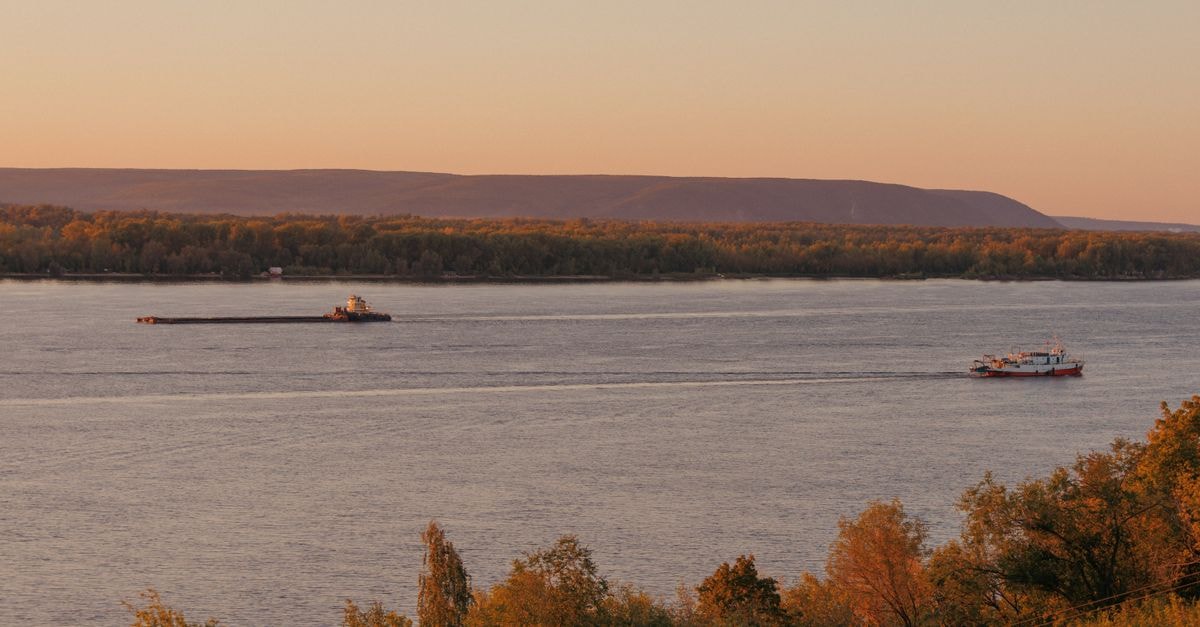
Gorno-Altaysk is tucked into the foothills of the Altai Mountains, and that geography shapes nearly everything about how a day here feels. The skyline is dominated not by towers but by ridges, and the air often carries the cooler, greener scent that mountain country is known for. Because the city sits lower than the higher Altai passes but still within their shadow, the everyday experience is softer than a pure mountain expedition, yet distinctly more alpine than a flatland Russian city.
For practical planning, this means layering matters more than the calendar does. Mornings can start fresh, afternoons warm up comfortably, and evenings cool down again as the air settles into the valleys. Travelers used to pacing themselves around weather extremes often find that the foothills invite a comfortable rhythm: a relaxed breakfast, a stretch of walking in the central area in the middle of the day, and a slower evening once temperatures ease. There is no need to rush from sight to sight, and that unhurried pace is part of why the city feels like a genuine retreat rather than a checklist.
It is worth keeping in mind that conditions can change, and any decision about what to pack, how long to spend outdoors, or which part of the day to dedicate to sightseeing is best confirmed closer to travel time. Local forecasts and official advisories are the most reliable reference points, since mountain-adjacent weather can shift more quickly than inland regions.
Walking the central landmarks
Within the compact centre, visitors can expect to encounter a few memorials and gathering points that double as orientation markers. One of the most recognizable is the Park Pobedy memorial complex, a name that translates roughly to Victory Park and reflects the broader Russian tradition of honouring the Second World War in shared public spaces. For travelers, these sites work best as anchors for an unhurried walk: pause, take in the scale of the mountains behind the city, and then continue on.
Because the central area is small, it is genuinely possible to orient yourself within a single morning. That ease of movement is one of the city's quiet advantages, especially for visitors who want to spend their energy on atmosphere rather than logistics. From the main square area, it is usually straightforward to step between parks, civic spaces, and small neighbourhood streets without needing complex planning, and that simplicity is part of the appeal of visiting Gorno-Altaysk in the first place.
Food and the wider Russian context
Because the approved food evidence describes Russia as a whole rather than Gorno-Altaysk specifically, the most honest framing is to treat what follows as wider Russian food culture that visitors may encounter during their stay, rather than as a list of city-specialty dishes. Still, understanding that broader context can make everyday meals more meaningful, whether you are sitting down at a café in the centre or sharing a table with locals.
Russian cuisine is often misjudged from a distance, and the country has worked hard in recent years to set the record straight. Where older stereotypes focused on bland, heavy food, the modern picture is much more textured and ingredient-driven. Travelers often find that meals are built around generous, hearty flavors: rich broths, slow-cooked grains, smoked and cured fish, forest mushrooms, fresh dairy, and the unmistakable sharpness of fermented rye bread that lingers long after the meal is over. Pork fat rendered slowly in a cast-iron pan remains a beloved starting point in many kitchens, and the smell of that alone can reset expectations of what Russian home cooking is.
Among the dishes that recur across the country, pelmeni hold a special place. These small Siberian-style meat dumplings are essentially Russia's universal comfort food, often served simply with sour cream, butter, or a splash of vinegar, and they translate easily into the kind of warming, low-effort meal that suits cold evenings and tired hikers alike. They are not a Gorno-Altaysk specialty, but they are very much the kind of dish a traveler in southern Siberia is likely to meet on a menu, and they offer a gentle introduction to the regional palate.
For those curious about the more luxurious side of the table, Russian black caviar is one of the country's most storied ingredients, tied to long-running ecological recovery and modern aquaculture. Travelers are more likely to sample it as a small, celebratory taste than as a daily feature, but it remains a cultural touchstone worth knowing about before you go, since it can shape what you see on menus, in markets, and in conversations about Russian food.
The practical takeaway for a visit is simple. Approach meals as part of the cultural landscape rather than a checklist. Try the breads, look for pelmeni when you want something familiar and warming, and treat caviar and other high-end ingredients as occasional highlights. Because the approved evidence does not name specific restaurants, prices, or opening hours in Gorno-Altaysk, it is best to verify any particular venue, menu, or price locally before you commit, and to treat general food culture as context rather than a guarantee of what any given kitchen will serve.
Planning a low-stress visit
A few small habits tend to serve travelers well in this part of Russia. Plan the centre on foot, since distances are short and the streets are easy to read. Treat the surrounding mountains as scenery first and adventure second: admire the view, but do not assume any particular trail, viewpoint, or excursion is open or accessible without local confirmation. Build slack into the day so that a slower lunch, a longer pause in a park, or an unexpected conversation is not sacrificed to a packed schedule.
It also helps to remember that Gorno-Altaysk is a working regional capital, not a polished resort town. That gives the city an everyday, lived-in character that many visitors find refreshing, and it means most encounters are with real daily life rather than a performance for tourists. Embracing that ordinariness, rather than fighting it, tends to be the difference between a forgettable stopover and a genuinely memorable visit.
Practical reminders before you go
Travel conditions change quickly, and a guide written for general planning can only carry you so far. Check official Russian travel and weather sources close to your departure for the most current information on local conditions, transport availability, and any regional advisories. For any specific restaurant, market, ticket, or service, verify directly with the venue or local authorities before relying on it. If you plan to exchange currency, treat published rates only as a reference and confirm the live rate on arrival. A little preparation goes a long way in keeping a trip to the Altai foothills relaxed, rewarding, and full of the small surprises that make this part of Russia feel so distinct.
Prices, opening hours, schedules, reservation rules, and local conditions can change; verify them through official channels before departure.
Share this article
TOOLS FOR THIS PLAN
Make the Gorno-Altaysk plan measurable
Choose a tool only when it answers the next question in your trip. Your values stay in the browser, and each tool offers a route back to this planning context.