A Snapshot of Zagreb in July 2026

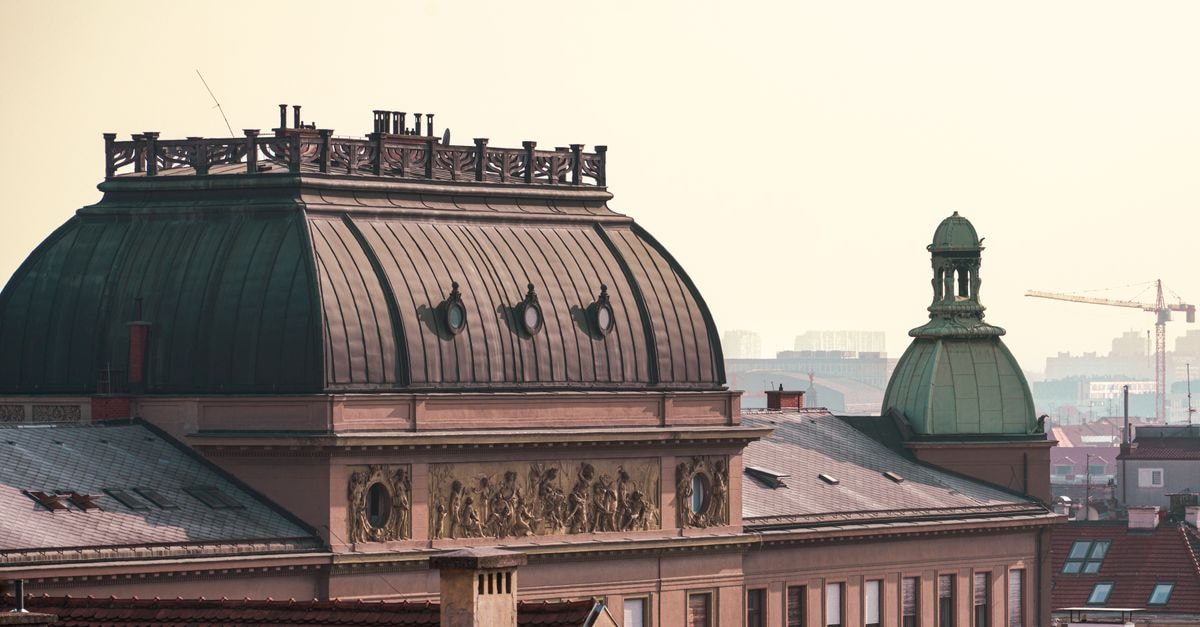
Zagreb is the inland, Central European capital of Croatia — a city of Austro-Hungarian façades, layered Slavic and Hungarian food culture, and an Upper Town (Gornji Grad) that climbs above the Lower Town's nineteenth-century Green Horseshoe of parks. The city has around 807,000 residents and runs at a relaxed pace compared with the coast. Two days are enough to cover the main sights at a comfortable tempo, and day trips (such as Plitvice Lakes National Park, a few hours by road) slot in easily. July brings hot summer weather, long daylight and a packed cultural calendar, headlined by the 60th International Folklore Festival running 16–19 July 2026. Hvar, Split and the Adriatic islands are around a two-hour drive away if you want to add beach time, but Zagreb is genuinely a year-round city break in its own right.
July Weather and What to Pack
July is the hottest month of the year in Zagreb. According to Weather Spark, daily highs rise from 79°F (about 26°C) at the start of the month to 82°F (about 28°C) by 31 July, rarely exceeding 91°F (about 33°C); overnight lows climb from 60°F (16°C) to 62°F (17°C). GoTripzi's July profile gives an average high of 30°C, average low of 18°C, around 9 rainy days totalling roughly 85 mm, and about 12.7 hours of sunshine per day. UV strength is rated "very high" (index 9), humidity sits around 65%, and the "feels like" peak is about 32°C. Daylight lasts around 15.4 hours, with sunrise near 05:20 and sunset close to 20:43. Cloud cover decreases through the month, from 33% overcast at the start to 27% by 23 July, the clearest day. FindYourStay cites a slightly cooler monthly mean (28°C high, 18°C low, 10.1 rainy days); Bookmundi gives a 14–26°C range across the month. Treat the differences as scope variation rather than averaging them together.
Pack breathable cotton or linen, a wide-brimmed hat, high-SPF sunscreen, a light layer for air-conditioned interiors, and a compact umbrella or light rain jacket for the odd afternoon shower. Mornings are best for outdoor sightseeing and market visits before the strongest sun; evenings belong to the city's outdoor café terraces.
Getting There and Getting Around
Croatia has been part of the Schengen area since 1 January 2023, so EU citizens need only a national ID card to enter; visitors from the US, UK, Canada, Australia and New Zealand do not need a visa for stays of up to 90 days within 180 days. The main airport is Zagreb (ZAG); a taxi or private transfer to the centre typically costs roughly €20–40.
Local transport is run by ZET. According to the operator's published fares, single tickets bought in advance cost €0.53 (30 minutes), €0.93 (60 minutes) or €1.33 (90 minutes); the same tickets bought from the driver are €0.80, €1.33 and €1.99 respectively. Night tickets are €1.99. A daily ticket is €3.98; a 3-day ticket is €9.29 and a 7-day ticket is €19.91. The funicular that links the Lower Town to the Upper Town normally costs €0.66 one way — one source describes an overhaul scheduled to run until approximately March 2026, so by July 2026 service may have resumed, but confirm with ZET before relying on it. Taxis start at €2.60 plus €1.75/km, and a 15-minute Uber-style ride averages around €9. Within the compact centre, walking is often the fastest option — most landmarks in the Upper and Lower Town sit within a 15-minute stroll of each other.
Top Attractions and the 60th International Folklore Festival
The Upper Town (Gornji Grad) anchors a visit. St. Mark's Church has the city's most photographed façade: a colourful tiled roof displaying the Croatian coat of arms and the Zagreb city emblem. Nearby, the medieval Stone Gate shelters an eternal candle in front of a miracle-surviving painting of the Virgin Mary. Lotrščak Tower fires its traditional noon cannon every day at 11:59 (free to watch from the street); climbing it costs roughly €3–€4 for a 360° view. From the Upper Town, the free Grič Tunnel cuts straight back through the hillside into the Lower Town. The neo-Gothic Zagreb Cathedral, damaged in the March 2020 earthquake, is still undergoing staged restoration — confirm visitor access on the cathedral's official channels before you go.
The Museum of Broken Relationships (around €7 for adults, lower for students and seniors) won the Kenneth Hudson Award from the European Museum Forum and is one of the city's most distinctive stops. The Mimara Museum houses an eclectic art collection, and the SuburbArt street-art project colours abandoned buildings and underpasses across the city. In the Lower Town, Tkalčićeva Street — 400 metres of continuous café terraces — is the main socializing artery in the evening. Dolac Market, with its red parasols on the terrace just above the centre, is the spot for produce, cheese and a burek breakfast.
The headline event for July 2026 is the 60th International Folklore Festival (16–19 July 2026), confirmed by Croatia Week. The festival brings more than 35 folklore groups from Croatia and abroad — Taiwan/China, Sicily, Tennessee, the Czech Republic and Argentina among them — to venues across the city. The central event takes place on Friday 17 July on the Gradec stage; the Zrinjevac Music Pavilion and Ban Jelačić Square host evening concerts; a Folklore Promenade moves through central streets; Saturday 18 July includes dance workshops; and the closing Mass for participants takes place at Zagreb Cathedral on Sunday 19 July. All festival events are free of charge. The wider Croatian July calendar also includes the Courtyards festival — a 10-day feast of concerts and performances in private Zagreb courtyards — plus coastal events such as Ultra Europe in Split, the Dubrovnik Summer Festival and the Pula Film Festival, all reachable as side trips.
Where to Stay and Booking Pressure
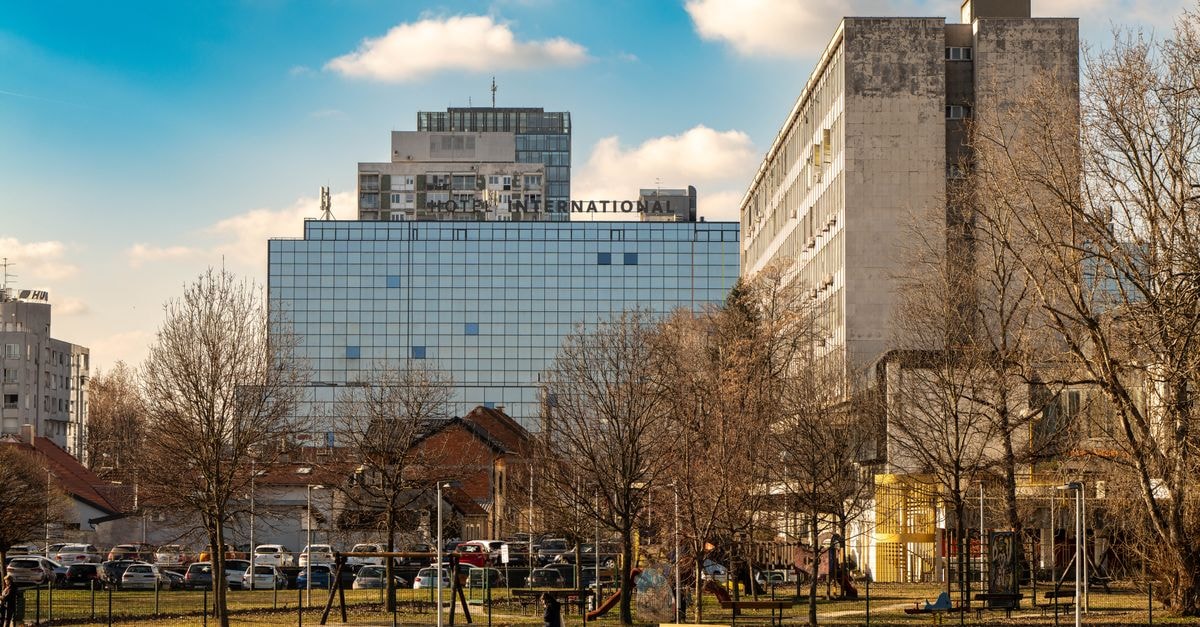
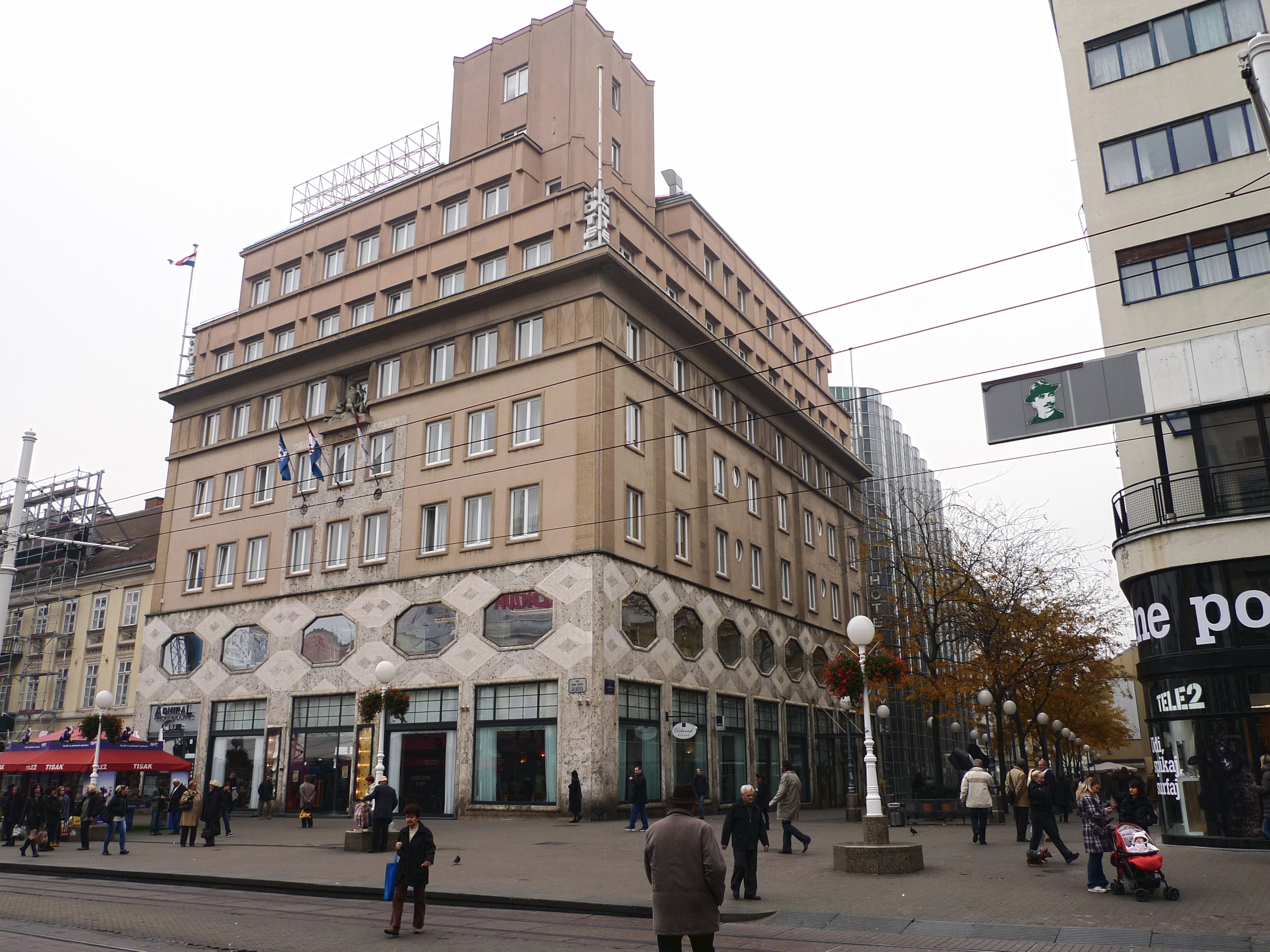
The Lower Town (Donji Grad) is the practical base for first-time visitors — a nineteenth-century grid arranged around the Green Horseshoe of parks, walking distance from the Upper Town, the main square and the tram network. Hotels run roughly €90–150 per night for a 3★ and around €180–400 for a 5★; Airbnb one-bedrooms sit in the €60–120 band; hostels from €15–25 per dorm bed and guesthouses from €50–80 cover the budget end. July sits inside the European summer holiday window, so book at least a few weeks ahead for stays near Ban Jelačić Square or along Tkalčićeva, particularly over the festival weekend of 16–19 July. If you want a quieter base, guesthouses a short tram ride from the centre tend to be calmer and cheaper in midsummer.
Costs, Currency and Daily Budgets
Croatia uses the euro (EUR). The reference rate in one source is about €1 ≈ $1.15, but live rates move — check a current source before exchanging money or paying by card.
Two daily-budget frames appear in the evidence and they cover different scopes. Journest's city breakdown (lodging, food, transit, activities) lists a budget day at €31, a mid-range day at €113 and a comfort day at €142 — these are three separate tiers, not a mid-range band that stretches into comfort. FindYourStay uses a broader model and quotes €50 per day for budget, €120 per day for mid-range and €300 per day for luxury. Outside accommodation, a typical sit-down mid-range meal runs €18–35 per person, a budget lunch €8–12, coffee €1.50–3 and a local beer €3–5. Hotel rates and the festival period tend to push midsummer prices above the shoulder-season averages quoted in some guides, so confirm current prices on the booking platforms before you commit.
Local Food, Dolac Market and Dining Customs
Zagreb's cuisine is continental, not Mediterranean — closer to Austria and Hungary than to the Dalmatian coast. The signature dish is štrukli: a pasta-dough pastry stuffed with fresh cottage cheese (svježi sir), egg and sour cream, served either boiled (kuhani) or baked (pečeni). It comes in savoury and sweet forms; the savoury starter runs €4–9 at a traditional restaurant. Equally characteristic is Zagrebački odrezak — a pounded veal or pork cutlet stuffed with ham and cheese, breaded and fried — alongside mlinci (thin dried pasta sheets) served with roast turkey (purica s mlincima). Soups such as juha od gljiva (mushroom soup, €4–7) are a common first course.
For sweets, the Samoborska kremšnita — a vanilla custard slice between two sheets of puff pastry — is a Zagreb tradition: a short bus ride (about 30–40 minutes) to the town of Samobor, 20 km west of the capital, where cafés have served the local version since the 1940s. Street food includes burek (flaky pastry filled with meat, cheese or spinach) sold at Dolac Market and street stalls, kobasice (grilled sausages) and ćevapi with ajvar. Rakija (fruit brandy) and continental whites such as Graševina are typical drinks, with Karlovačko and Ožujsko the standard local beers.
Dolac Market, just above Ban Jelačić Square, is the main produce market and is busiest in the morning (around 7–11 am). Sources note that meat pastries tend to sell out before noon, so arrive early if you want them fresh. Lunch is the main meal (roughly 12 pm–3 pm), dinner is lighter (7 pm–9 pm), and many traditional restaurants offer a daily set lunch known as gablec or marenda on weekdays. Tipping for good service is appreciated but not mandatory. Saturday mornings see Zagrebačka špica — locals strolling to Flower Square (Cvjetni trg) in their Sunday best for coffee.
Safety and Pre-Departure Checks
The Canadian government's travel advisory for Croatia (updated 13 July 2026) rates Croatia as a destination where travellers should take normal security precautions. Petty crime — pickpocketing and purse snatching — is the main concern, and organized groups operate in cities, public transport hubs, hotel lobbies, restaurants, outdoor cafés and tourist sites. Credit card and ATM fraud occur, so cover the keypad when entering your PIN and prefer ATMs inside banks or public areas. A specific warning: some bars, nightclubs and "cabarets" have been known to overcharge and security guards may pressure visitors to pay — confirm prices before ordering and avoid leaving your card behind the bar. Never leave food or drinks unattended or with strangers. Pack a photocopy or digital copy of your passport ID page, keep valuables out of parked cars and use secure parking. Zagreb is generally considered safe for walking after dark in central areas, though standard big-city awareness applies.
*Prices, fares, opening times, festival programmes and entry rules can change without notice. Always check official sources — ZET for transport, the International Folklore Festival organisers, museum and cathedral sites, and your government's travel advisory — before you travel.*
Exchange rates shown are for reference only; check the current live exchange rate before departure.
Share this article
TOOLS FOR THIS PLAN
Make the Zagreb plan measurable
Choose a tool only when it answers the next question in your trip. Your values stay in the browser, and each tool offers a route back to this planning context.