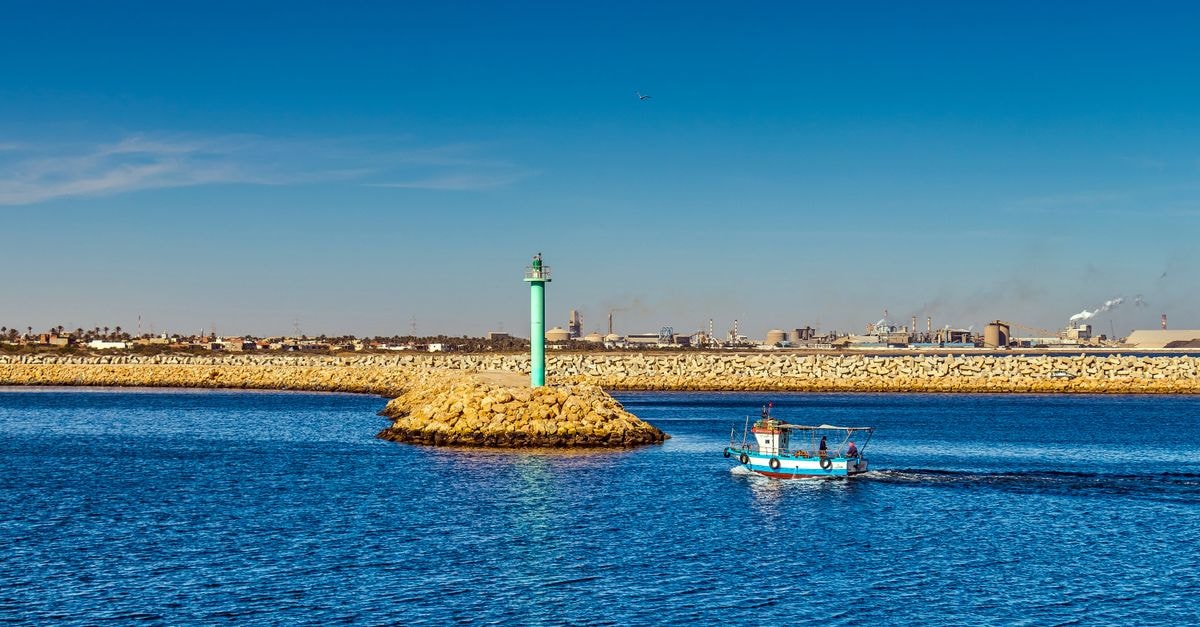
An unhurried welcome to Zanzibar

There is a particular kind of light that drifts through Zanzibar's old quarter and out across the Indian Ocean, the kind that makes you slow your stride without quite deciding to. For first-time visitors, the island often arrives as a blend of sensory welcome and gentle disorientation: new sounds, new scents, a different pace at the door of the archipelago. This guide is built for travellers who want to arrive prepared, move thoughtfully and leave room for the unexpected. It gathers only what the verified sources actually support, so the focus stays on the practicalities that matter at the start of a trip: how to arrive, how to settle in, and how to read the cultural cues around food and people.
Weather and seasonal context
Weather shapes the rhythm of any Zanzibar day, and a few practical anchors are worth knowing before you pack. Travellers flying in will land at Abeid Amani Karume International Airport (ZNZ), the main air gateway to the island and a useful reference point when timing arrivals and transfers. Health paperwork is also part of the entry picture: a yellow fever certificate is required if you are travelling from an endemic country, which is worth confirming well before departure because rules depend on your route and recent travel history.
For money matters on the ground, euros and British pounds can be exchanged at banks and bureaux de change, which keeps things simple if you are carrying either currency from a previous trip. The general advice when exchanging anywhere is to treat posted rates as a reference only, because the rate you receive at a counter or hotel will rarely match the mid-market figure you see online. A quick mental check of the live rate on your phone before you hand over notes can save you from accepting an unfavourable spread.
Because the verified sources do not include specific temperatures or rainfall figures for any given month, this guide stays deliberately evergreen on the climate question. Think of conditions as warm and humid in general, plan for layered lightness rather than heavy clothing, and pace outdoor sightseeing for the cooler parts of the day if heat tends to catch you out.
Getting around
The first thing to know about Zanzibar's paperwork is a quietly useful one: a Tanzania e-Visa also covers Zanzibar, so there is no separate island visa to chase down once your mainland authorisation is in place. That single detail can spare you an unnecessary stop at an arrival counter.
Within the city and across the water, ferries are an accessible option, with fares documented in Tanzanian shillings in the TZS78,120 to TZS111,500 range, a useful bracket to keep in mind when budgeting short crossings. Treat that figure as a reference rather than a guaranteed fare, since operators and routes can shift pricing over time.
Safety is rarely dramatic here. Violent crime against visitors is described as extremely rare in the verified sources, which means most of the practical caution is about everyday awareness rather than fear. Common-sense precautions that come through clearly include using your hotel safe for valuables, avoiding walking on empty beaches alone at night, declining persistent beach sellers with a firm "no thank you", and watching for traffic in Stone Town's narrow streets where motorbikes can appear suddenly. Female solo travellers are pointed toward modest dress outside resort areas, trusting instincts and sticking to well-lit areas after dark. Health-wise, malaria is noted as present in Zanzibar, which makes a pre-trip conversation with a travel clinician a sensible step rather than an optional one.
Food and local context
Zanzibar sits within a wider Tanzanian culture that the country's official tourism site describes as vibrant and tradition-rich, home to more than 120 ethnic groups. For a visitor, that diversity reads less as a list and more as a feeling in everyday encounters: different languages in a market, different rhythms of greeting, different ideas about hospitality.
Two customs travel with you across the country, including into a Zanzibar stay. The first is that accepting food and drink when offered in a home is considered polite, while refusing hospitality can read as rude; even if you only manage a small taste, the gesture matters. The second is around cameras: in Tanzanian culture it is customary to ask permission before photographing Maasai people or anyone in a market setting, a small pause that turns a snapshot into a respectful exchange.
Because the verified sources speak in country-level terms, treat the customs above as the wider Tanzanian context you may encounter while in Zanzibar rather than as island-specific claims. If you are invited into a home, accept what is offered and follow your host's lead; if you want to photograph a stallholder or a person in traditional dress, ask first and wait for the answer.
Choosing what fits the trip
With the practical layer in place, the tradeoffs that often shape a first Zanzibar visit are surprisingly personal. Travellers who prefer to keep their entry paperwork to a single step may appreciate that the Tanzania e-Visa covers Zanzibar too, which removes a layer of pre-trip admin. If your priority is a calmer pace on foot rather than long drives, basing yourself in or near Stone Town makes sense, since the practical cautions in the verified sources focus on narrow streets and after-dark beach walking rather than on the town centre itself. Visitors with a strong interest in cultural exchange may find a little Swahili practice and a willingness to accept offered tea or snacks opens more doors than any checklist of sights. None of this requires a fixed itinerary; it simply suggests where the documented evidence already supports the kind of trip you might prefer.
A note before you go
Factual travel conditions shift quietly and often: ferry prices, exchange rates, health guidance and visa rules can all be updated between the writing of any guide and the moment you board your flight. Treat everything above as a starting reference, check the live exchange rate before you change money, confirm visa and yellow fever requirements through official channels close to your departure date, and speak to a travel clinician about malaria prevention well ahead of time. Zanzibar rewards travellers who prepare gently and stay curious, and a small amount of pre-trip research leaves you with more energy for the island itself.
---
**Verification question:** Have you confirmed the current ferry fare and any schedule changes with the operator on the day you plan to travel?
Share this article
TOOLS FOR THIS PLAN
Make the Zanzibar plan measurable
Choose a tool only when it answers the next question in your trip. Your values stay in the browser, and each tool offers a route back to this planning context.