A quiet river city with a story to tell

Zhaoqing sits on a broad river in Guangdong Province, and the water shapes nearly every impression a visitor takes away. The skyline rises gently behind a slow-moving ribbon of water, and the pace of the city has a softer cadence than the megacities that often define the Pearl River Delta. Even travelers who arrive for just a brief stop tend to find that Zhaoqing rewards a slower rhythm — one built around waterfront walks, layered history, and the everyday rituals of Lingnan food culture.
This is not a city that shouts for attention. It earns it instead, through old towers, a story-rich island in the river, and a local food scene that leans into clear, balanced Cantonese flavors rather than the fierier cooking found elsewhere in China. The guide below gathers the essentials a visitor needs to start planning, grounded in the verified details at hand.
Riverside heritage and slow afternoons
The first thing worth understanding about Zhaoqing's sightseeing is that many of its most evocative sites sit along, or are framed by, the river that runs through the city. Two landmarks in particular anchor a thoughtful visit, and they work beautifully together as a single unhurried day.
Yuejiang Tower
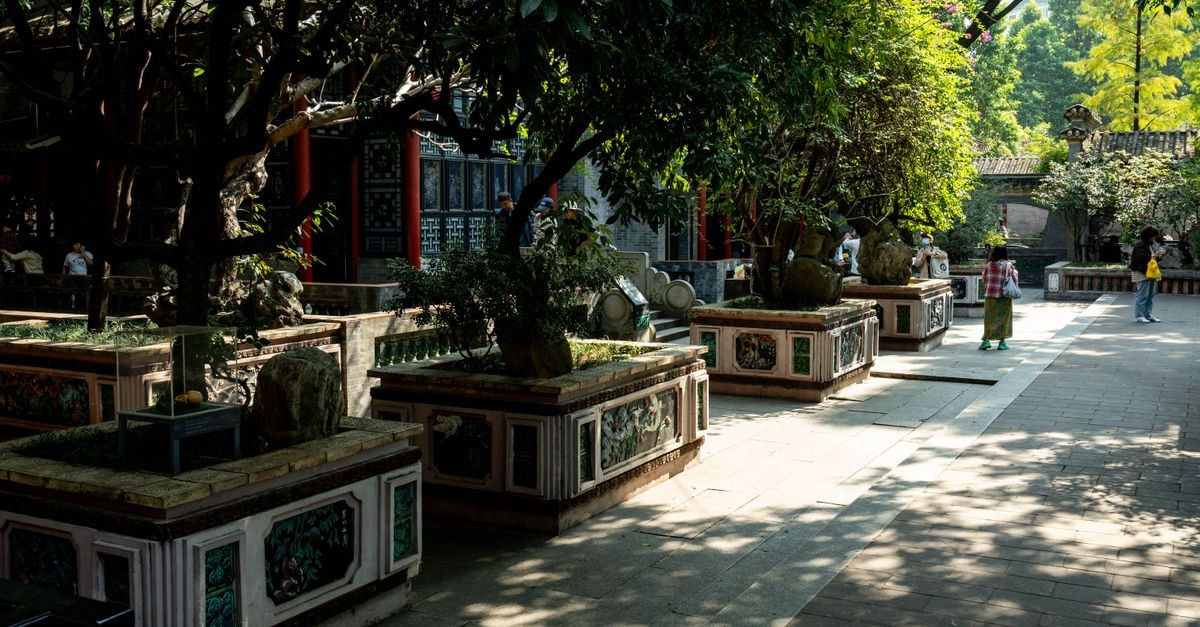
Yuejiang Tower is described in local heritage material as a riverside jewel of Lingnan, with architecture and a setting that have watched over the water for generations. It carries the subtitle of a legendary hometown landmark, and the framing hints at why it matters: this is a place where Zhaoqing tells the story of itself, layering local legend with the visual pleasure of a tower reflected in a moving river. For travelers, the appeal is twofold. The building rewards anyone with an eye for traditional Lingnan architecture, and the riverfront around it invites the kind of long, photograph-friendly pause that gives a day shape. If you enjoy places where history meets a beautiful waterscape, Yuejiang Tower may sit high on your list.
Yanzhou Island
A short hop across the water brings you to Yanzhou Island, an island in the river whose origin story is woven into Zhaoqing's identity. Local lore frames the landmass as "an island born from integrity," a phrase that gestures at the moral tales and folk legends associated with the place. Beyond the story, the practical appeal is simple: an island in the middle of a city offers a rare shift in atmosphere. You step off the mainland, the skyline changes, and the river widens around you. Travelers who like their sightseeing paired with a sense of escape — without actually leaving the city — may find Yanzhou Island the most memorable part of a Zhaoqing day.
Linking the two
Because both landmarks are defined by their riverside character, they suit a planning approach that treats the river as the spine of the day. Walking the waterfront near Yuejiang Tower, then crossing toward Yanzhou Island, lets the geography itself do the storytelling. If you prefer a packed itinerary with back-to-back museums, this pair may feel lighter than you expect — but that breathing room is also where Zhaoqing's appeal lives.
Food and local context
Zhaoqing's food scene is part of the wider Cantonese world, but it carries its own accents, and the differences matter when you sit down to eat.
A lighter Cantonese touch
Local cuisine is set against the spicier cooking styles found in other parts of China, which means menus tend to favor clear broths, gentle seasonings, fresh river ingredients, and the kind of steamed and lightly braised dishes that Cantonese cooking is known for. For travelers who prefer food that lets fresh ingredients speak rather than chili-led heat, this is a comfortable place to eat. If you actively seek bold, tongue-tingling spice, you may find that Zhaoqing rewards you with subtlety more than intensity — and that is part of the appeal, not a shortcoming.
Duanzhou's signature dishes
In the Duanzhou district, the historic heart of Zhaoqing, the local food tradition centers on a few specialties worth seeking out. Zhaoqing Wrapped Steamed Dumplings are a regional classic — glutinous rice and fillings wrapped in leaves and steamed until rich and fragrant. Alongside them, you will find Xijiang fish dishes that draw on local river ingredients, traditional cakes shaped by local custom, and broader Cantonese restaurant staples. Travelers who build an evening around Duanzhou's food streets can expect a satisfying sampler of what makes Zhaoqing distinct from neighboring cities, and what ties it to the wider Lingnan table.
A note on broader context
Across China, regional food customs vary widely, and it is common to encounter very different flavor profiles from one province to the next. Zhaoqing's lighter, Cantonese-leaning cooking fits comfortably within that national diversity. Knowing that the country as a whole ranges from mild to fiery helps explain why Zhaoqing tastes the way it does, and why travelers who enjoy comparing regional cuisines often appreciate the contrast.
Picking the experience that fits your trip
With a compact set of attractions and a clear food identity, Zhaoqing is best approached as a city where less genuinely is more. If your travel style leans toward architectural detail and waterside atmosphere, Yuejiang Tower offers a single, concentrated dose of Lingnan heritage. If you prefer open space, river views, and the sense of stepping onto an island, Yanzhou Island will probably resonate more strongly. Most travelers find that combining both, anchored by the river that links them, captures the city at its best.
On the food side, your choice is really about pacing. A relaxed evening built around Zhaoqing Wrapped Steamed Dumplings, a Xijiang fish dish, and a traditional cake or two offers a complete picture of Duanzhou's table without requiring a long list of restaurants. Travelers who prefer a single, memorable sit-down experience can center the night on one dish, while those who like variety can graze across several. Either approach reflects Zhaoqing's gentler, river-fed food culture rather than working against it.
Practical notes before you go
Travel conditions can change. Ferry schedules, access points to Yanzhou Island, restaurant hours, and local services evolve over time. Before departure, checking official local tourism channels or your hotel concierge for the latest information on river crossings, opening hours, and transport options will help your visit match the city as it is on the day you arrive.
Rates, prices, and schedules mentioned in any travel context are reference points only. Confirm the latest details through official sources before you travel, and treat any planning estimate as a starting point rather than a guarantee.
Share this article
TOOLS FOR THIS PLAN
Make the Zhaoqing plan measurable
Choose a tool only when it answers the next question in your trip. Your values stay in the browser, and each tool offers a route back to this planning context.