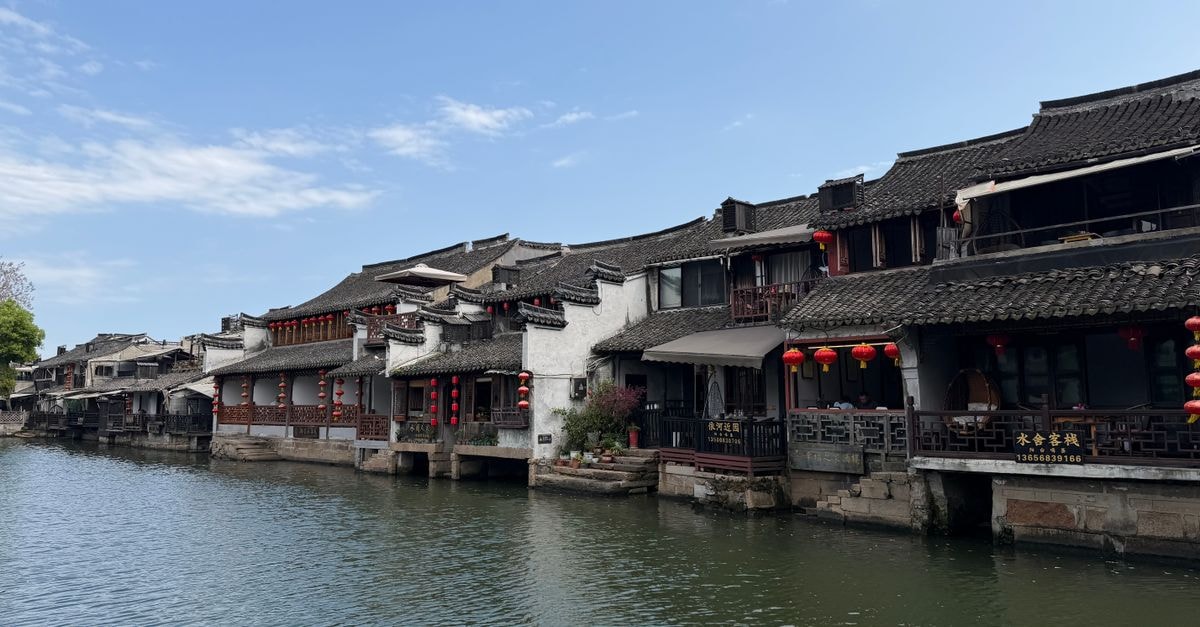
Foshan drifts into a traveller's awareness almost by accident. Tucked beside its much larger neighbour Guangzhou, the city often arrives as a soft detour rather than a headline stop, and the local saying that "Guangzhou and Foshan are the same city" hints at how closely the two urban fabrics have grown together. The reward for stepping off the well-trodden Pearl River Delta route is a quieter, craft-rich version of Lingnan life, where temple roofs, ceramics kilns, and stage traditions still feel woven into the everyday.

A Lingnan city with its own identity
Foshan is home to around seven million residents, yet it rarely appears at the top of a first-time China itinerary. Sharing a metropolitan pulse with Guangzhou has not erased its local accent, and the city carries an independent cultural gravity that rewards a slower pace. It is regarded as the birthplace of Cantonese opera, which gives the air here a distinctive artistic lineage that goes beyond the usual sightseeing checklist.
This is a place where heritage is not locked behind glass. The ceramics tradition, ancestral worship practices, and performance arts all keep a visible presence in the city, and Foshan tends to feel like an extension of Guangzhou in scale while staying closer to a workshop town in mood.
Where to step into history
At the heart of the city's heritage trail sits the Foshan Ancestral Temple Museum, recognised as a national 4A tourist attraction and a major historical and cultural site protected at the national level. The temple complex is dedicated to the worship of Beidi, the Water God, and its layout exemplifies traditional Lingnan architecture, with carved roof ridges, ceramic figurines, and shaded courtyards that invite unhurried wandering.
For visitors who arrive with an interest in craft, a large scenic area in the region spans more than 1,000 acres, where guests can watch a professional pottery master at work or try the hands-on fun of pottery making. The scale makes it less of a quick museum stop and more of a half-day immersion into the ceramic tradition that Foshan is famous for across southern China.
Both of these stops sit comfortably within an easy Foshan-only day, and they pair naturally if Lingnan heritage and handmade craft are the draw.
Getting there and moving around
Foshan's close relationship with Guangzhou shapes how travellers arrive. Detailed options for making the Guangzhou to Foshan journey are laid out in current transport guides, with honest advice on which option suits which traveller, whether that means a short metro hop, a regional rail link, or a private transfer that takes the city's ring roads into consideration.
Because Foshan sprawls across a wide footprint, with attractions scattered between temple districts, ceramic parks, and riverside neighbourhoods, planning the route in advance helps. Cluster visits by district rather than trying to zig-zag across the city, and keep a relaxed buffer for the larger scenic areas, where walking between pottery demonstrations and craft workshops can easily stretch a visit longer than expected.
Food and wider context
Foshan does not need to be marketed as a food capital to feel delicious. Eating here simply folds into the same rhythm that visitors encounter across China, a country where cuisine and ritual meet at the table. Across Chinese culture, food is treated as one of the great pleasures of daily life, and dining carries its own long history of etiquette and small courtesies, from how dishes are shared to the way tea is poured.
Travellers passing through Foshan will notice this same warmth. Meals tend to be communal and unhurried, with dishes arriving in waves rather than courses. A few soft habits help the table flow smoothly: wait for elders or hosts to begin, keep chopsticks resting on the holder rather than standing upright in rice, and signal appreciation with a small nod rather than a loud compliment. These are country-wide courtesies that may surface in Foshan as much as anywhere else in southern China.
The ceramics tradition also bleeds into the dining scene in a subtle way. Teapots, cups, and serving plates around the city often come from local kilns, and appreciating them as part of the meal is part of the Foshan experience, even when no studio visit is on the itinerary.
Planning a relaxed pace
A compact Foshan visit can settle into a comfortable rhythm. Mornings work well for the Ancestral Temple, when light catches the ceramic details along the rooflines and the courtyards are at their quietest. The wider pottery scenic area tends to open up nicely in the late morning and into the afternoon, with demonstrations running and studios ready to welcome first-time potters.
Because Foshan is so closely tied to Guangzhou, many travellers treat it as a daytime detour before returning to a central Guangzhou base. That structure keeps logistics simple and still leaves room for an evening back in the Foshan area, perhaps along a riverside walkway where locals gather, if the day's pottery dust has finally settled.
Foshan rewards visitors who arrive expecting a quieter, craft-led alternative to China's biggest megacities. It is small enough to feel personal, large enough to keep surprising, and deeply tied to the Lingnan traditions that shaped this corner of southern China.
A note on the facts
Travel conditions change quickly, and details about transport, opening hours, and ticketing for attractions such as the Foshan Ancestral Temple Museum and the larger pottery scenic area should be checked with official channels before departure. This guide is built from evergreen city context rather than live operational details, so a quick verification step will help any plan stay current.
Share this article
TOOLS FOR THIS PLAN
Make the Foshan plan measurable
Choose a tool only when it answers the next question in your trip. Your values stay in the browser, and each tool offers a route back to this planning context.