Atom RTL access for a new SoC partner

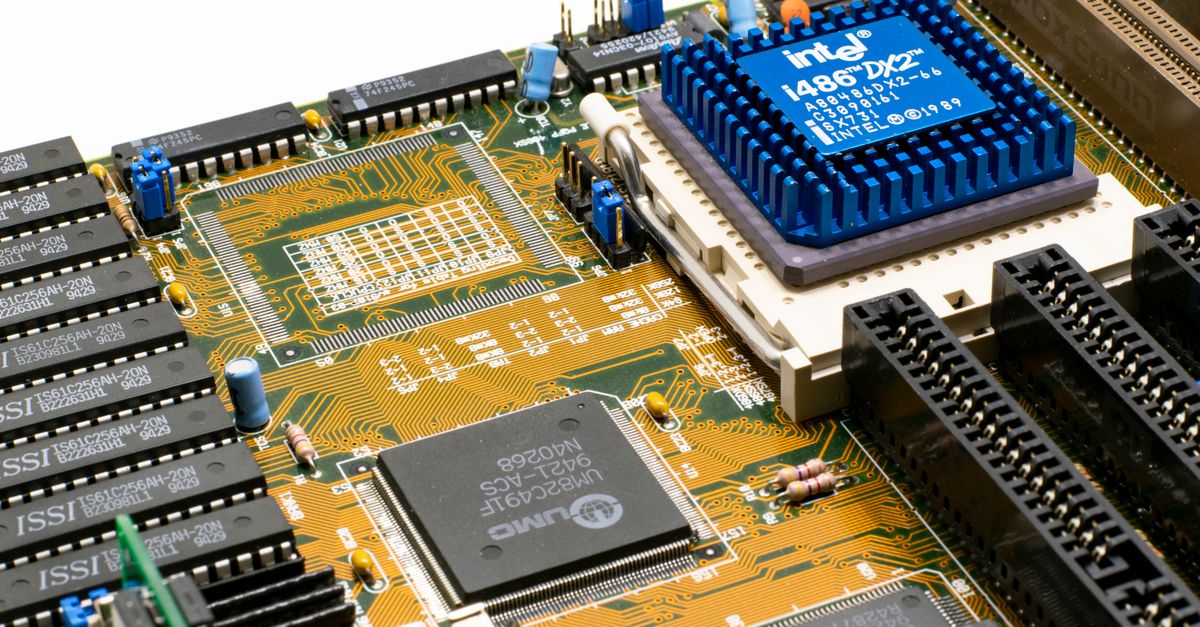
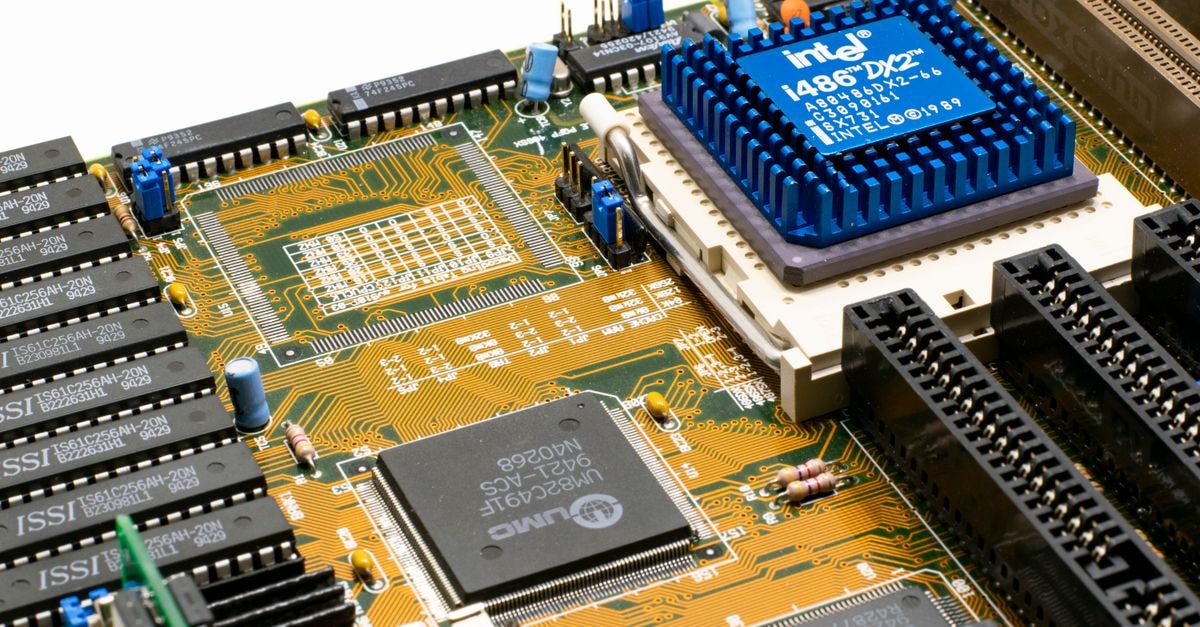
According to a Reuters report referenced by Igor's Lab, Intel is set to provide startup RosaicLabs with Register-Transfer-Level code for an unspecified Atom processor design. RTL describes the logical functions of a digital circuit, including registers, arithmetic units, control logic, and data paths, and synthesis tools can use it to produce a physical chip design for a chosen manufacturing process. Access at this level goes beyond purchasing finished Atom processors or relying on public documentation, and would allow Rosaic to combine an Atom CPU core with its own accelerators, memory controllers, interfaces, and security functions. Intel has not publicly confirmed the arrangement and declined to comment when contacted by Reuters.
RosaicLabs origins and leadership ties
RosaicLabs was incorporated in May 2026 in Delaware, according to documents reviewed by Reuters, with Amarjit Gill listed as managing director. Gill is described as a long-standing semiconductor investor and manager who has previously worked with Intel CEO Lip-Bu Tan on prior investments, and Tan and Gill were also early investors in Nuvia, which was later acquired by Qualcomm. Several former employees of Rivos are reported to be part of the founding team, and former Rivos chief financial officer Amit Parikh reportedly signed the incorporation paperwork. A filing amended in July describes Rosaic's capital structure, and Reuters' analysis suggests the company could raise up to ten million US dollars in seed financing. At the time of the report, no public product announcement, website, or technical roadmap could be found.
Unanswered questions on scope and terms
The Reuters report specifies neither the particular Atom microarchitecture nor the number of cores, the intended manufacturing process, or the planned application. The scope of software, firmware, and validation support that would accompany the RTL is also unclear. Contractual terms, the valuation of the license, and any possible equity interests have not been disclosed, leaving the underlying commercial structure unknown. The existing business relationship between Gill and Tan raises governance questions about partner selection and oversight, though the relationship alone does not establish improper favoritism or a conflict of interest.
How Intel's licensing posture compares
Intel has historically licensed its x86 processor cores more restrictively than providers in the Arm or RISC-V ecosystems, where licensing CPU cores is part of the business model and where RISC-V allows companies to develop their own implementations from an open instruction set. Intel has primarily sold complete processors and platforms, making the reported Rosaic arrangement a notable departure. The 2009 Intel-TSMC agreement, which transferred Atom cores into TSMC technologies and design flows for different SoC implementations, offers a partial precedent, though the current case appears to extend further because RTL would be handed to an outside startup. RTL access does not automatically authorize Rosaic to manufacture at TSMC, Samsung, or another foundry, since a CPU core must be adapted to the process libraries, memory cells, clock distribution, power delivery, and physical design rules of any chosen manufacturer.
What is confirmed and what remains open
Reuters' reporting is currently the only public source for the Atom RTL arrangement, and Intel has declined to comment. Beyond the corporate and licensing facts described, the Reuters account does not establish how Rosaic would differentiate any resulting SoC, which markets it would target, or whether Intel would receive license fees, development contracts, or follow-on manufacturing orders. The story should be read as a developing report rather than a confirmed partnership.
Share this article