Catch up on the essentials
- Tesla’s 3.61% decline on Wednesday points to a more selective technology market, with investors distinguishing rising software stocks from businesses exposed to hardware spending, regulation and uncertain returns.
- Tesla dropped to $384.10 while the Nasdaq-100 rose 1.14% to 28,500.
- Separately, a supporting report argued that Tesla’s rally may have reflected speculation about a possible combination with SpaceX rather than company fundamentals.
Selected from this article · 2026-11-05
Read on for the full pictureTesla’s 3.61% decline on Wednesday points to a more selective technology market, with investors distinguishing rising software stocks from businesses exposed to hardware spending, regulation and uncertain returns. The move came as the Nasdaq-100 gained 1.14% following Democratic victories in both chambers of Congress.
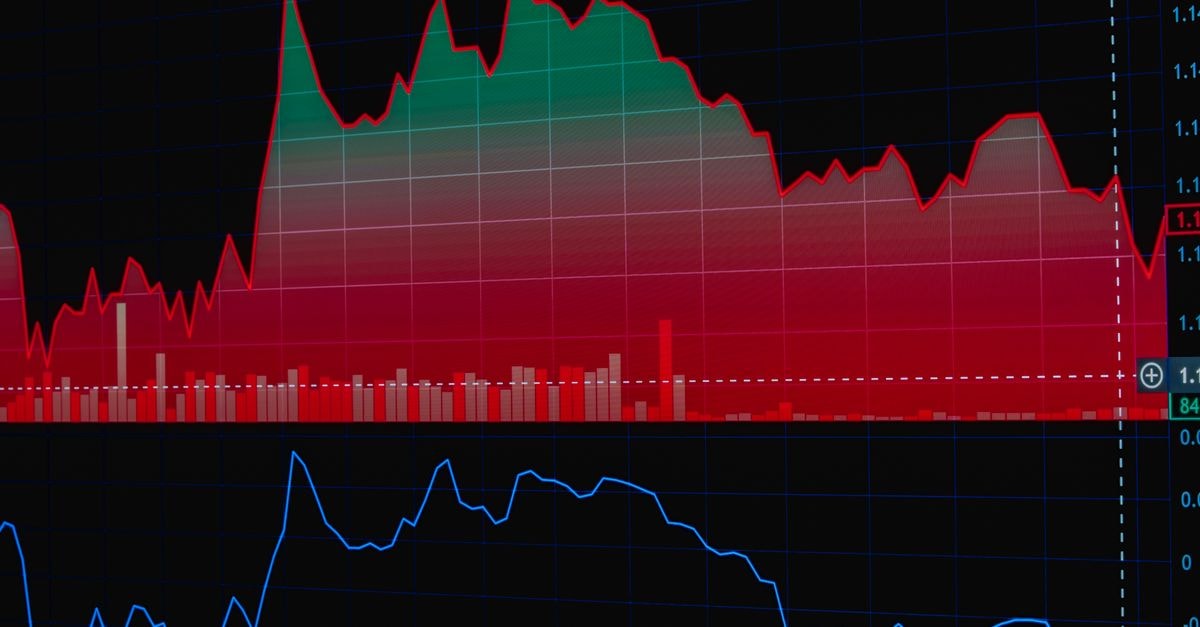
Tesla diverged from the technology rebound
Tesla dropped to $384.10 while the Nasdaq-100 rose 1.14% to 28,500. Microsoft gained 6.01% to $552.32 and Alphabet rose 4.63% to $292.99, showing that strength in software companies did not extend across the technology sector.
The divergence also extended to AI infrastructure. Nvidia fell 2.19% to $202.17 and Intel lost 5.80% to $57.04. The reviewed reporting does not establish that Tesla’s decline was caused by a specific operating, sales or supplier development; the observable fact is the market’s sharp differentiation among technology stocks.
Political scrutiny sharpened spending concerns
Investors were weighing potentially tighter AI regulation after Democrats won control of both chambers of Congress. Reuters reporting cited in the account said investors were particularly concerned about greater scrutiny of AI data centers following Democratic victories in states including Texas and Georgia, where large infrastructure projects had become politically contentious.
That concern intersected with an existing debate over whether enormous AI infrastructure spending would generate adequate returns. Tesla was grouped with declining hardware and AI-related stocks, although the reports did not provide a company-specific explanation for its fall. The evidence supports a sector-level risk assessment rather than a conclusion about Tesla’s vehicle demand or supplier orders.
Year-to-date performance remains a constraint
Tesla was also among the mega-cap growth stocks that were down year to date, even as the Nasdaq-100 had gained 12.4%. Nvidia, Microsoft and Amazon recorded smaller gains, while Meta Platforms, Alphabet and Tesla were lower, leaving Apple as the only “Magnificent Seven” stock outperforming the index on that basis.
The year-to-date ranking reinforces a narrower judgment: Tesla’s daily decline occurred while the broader index was recovering, but the stock had not shared in the index’s gains. The available reports do not disclose a new Tesla sales figure, production target, procurement process or supplier award that would explain the divergence.
Merger speculation is a separate watchpoint
Separately, a supporting report argued that Tesla’s rally may have reflected speculation about a possible combination with SpaceX rather than company fundamentals. The excerpt did not establish that a transaction was planned, signed or under active negotiation. The relevant observable is therefore a market-attribution claim that remains separate from Wednesday’s election-related trading.
The next test will be whether Tesla’s relative performance improves as investors assess post-election technology policy and AI infrastructure economics. No dated company milestone, order disclosure or regulatory timetable was identified in the reviewed material.
Share this article