Catch up on the essentials
- Tesla and SpaceX closed Thursday with a combined market-capitalization loss of about $456 billion, according to CNBC, after their shares fell roughly 11% and 9%, respectively.
- SpaceX’s Texas plans include Terafab, a planned facility in Grimes County intended to contain a data center and semiconductor factory, as well as a proposed “supercomputer” at Starbase.
- The transmission mechanism is straightforward: stricter approvals and infrastructure requirements could increase cost or delay capacity that both companies are counting on.
Selected from this article · 2026-11-06
Read on for the full pictureMarket value reset after the midterms
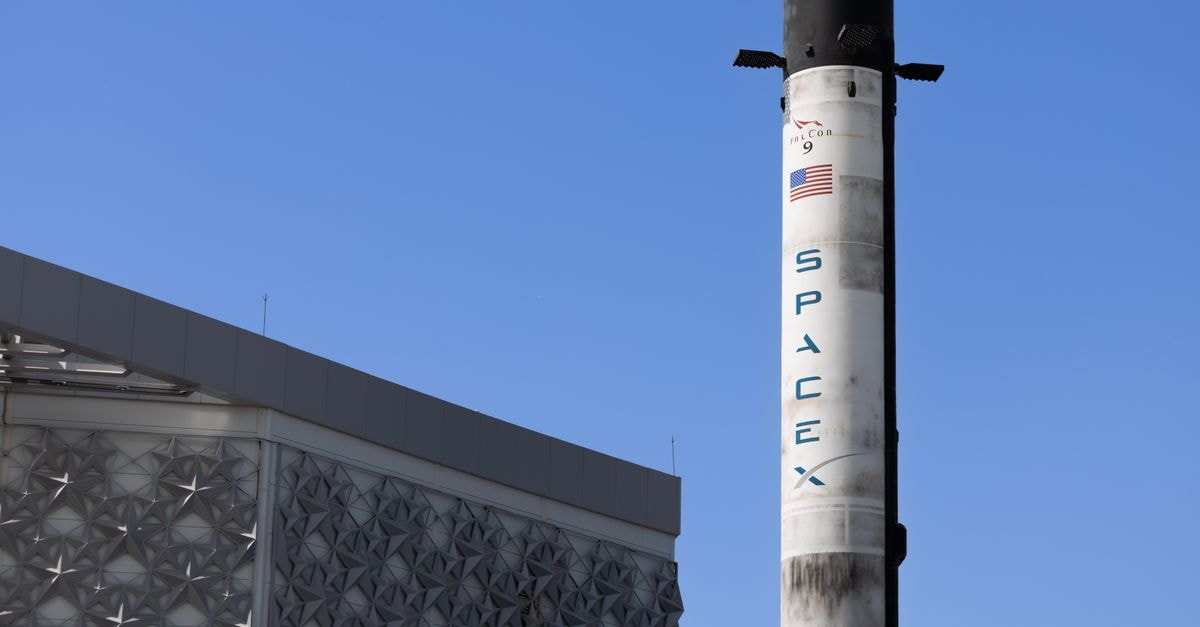
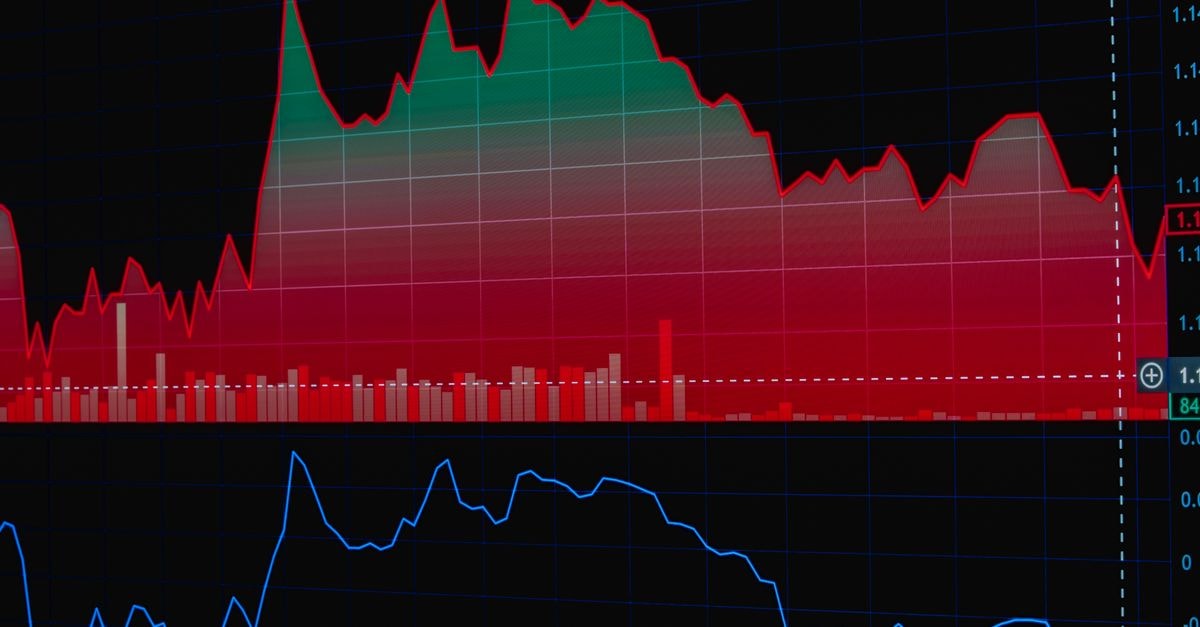
Tesla and SpaceX closed Thursday with a combined market-capitalization loss of about $456 billion, according to CNBC, after their shares fell roughly 11% and 9%, respectively. The losses since Tuesday’s close exceeded $420 billion and accompanied a broader technology-sector sell-off.
The immediate trigger was concern that Musk could encounter new congressional investigations and tighter regulation following the U.S. midterms. Democrats secured both chambers of Congress, while Texas elected Democratic Sen.-elect James Talarico and Gov.-elect Gina Hinojosa over longtime Musk allies Ken Paxton and Greg Abbott.
The sell-off was not limited to Tesla’s vehicle business. Both companies are building AI infrastructure in Texas, making local permitting and the wider regulatory environment central to their expansion plans. Musk has also promoted a merger between the companies, although he acknowledged that shareholder approval would be required and reported regulatory scrutiny could impede it.
Texas infrastructure faces a higher policy risk
CNBC reported that Hinojosa made data centers a major campaign issue and called for a moratorium on new approvals until the legislature establishes stronger protections covering water use, electricity costs, local control and incentives. She also criticized tax breaks for large facilities. The reviewed reports do not establish that an operative moratorium on new data-center construction had already taken effect.
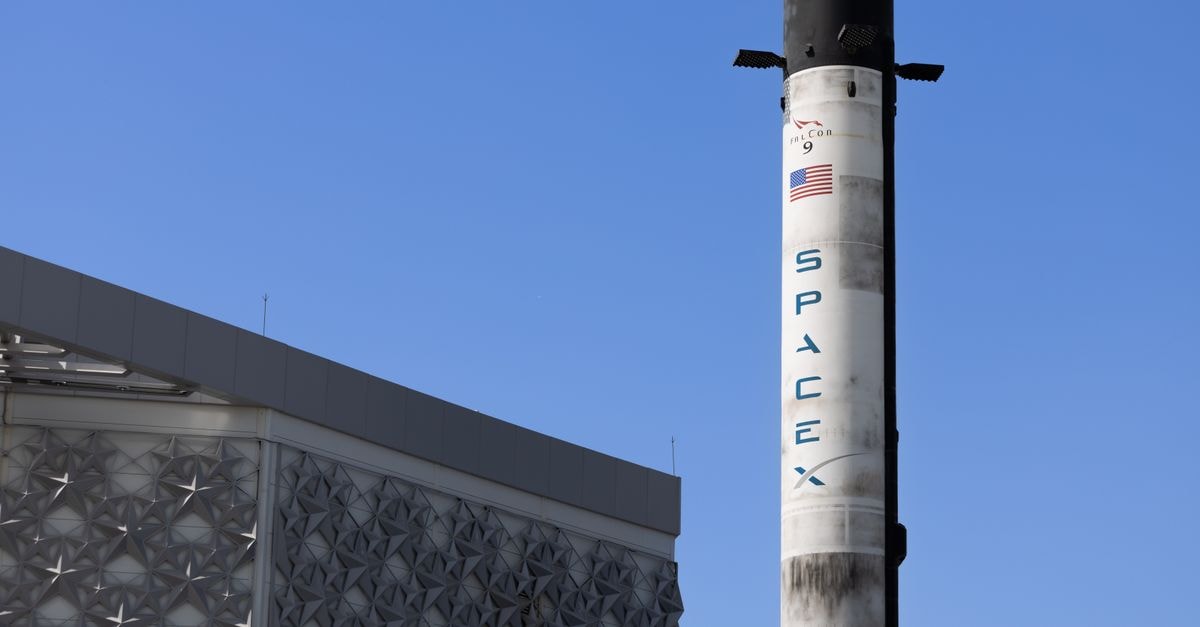
SpaceX’s Texas plans include Terafab, a planned facility in Grimes County intended to contain a data center and semiconductor factory, as well as a proposed “supercomputer” at Starbase. Deutsche Bank analysts said SpaceX’s Texas compute capacity could be at risk of delays and that capital spending might need to increase to satisfy tighter, anticipated data-center rules. That is analyst analysis rather than a company disclosure of revised spending or a confirmed delay.
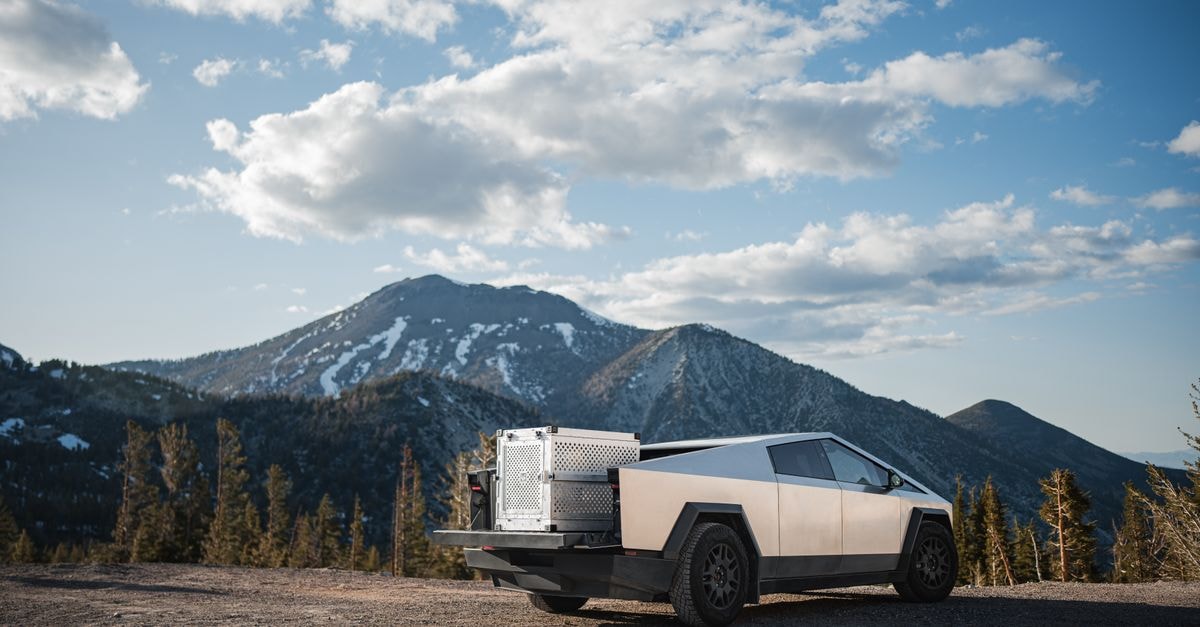
Tesla has a separate regulatory exposure through its Texas robotaxi operations. Cybercab service launched in Austin on September 3, and Tesla’s Autopilot software chief said on the October 21 earnings call that Dallas would be next. That sequence establishes an operating Austin service and a stated expansion plan, but it does not establish the timing or authorization of further city-level deployment.
Compute expansion is now politically sensitive
The transmission mechanism is straightforward: stricter approvals and infrastructure requirements could increase cost or delay capacity that both companies are counting on. For SpaceX, Deutsche Bank specifically identified Texas compute capacity and higher capital spending as possible consequences. For Tesla, the relevant exposure includes AI training infrastructure and robotaxi expansion, although the reports do not show that Tesla’s current Texas operations were halted.
The market response nevertheless grouped Tesla and SpaceX together as politically exposed infrastructure and mobility companies. Shares of the two companies fell after the election outcome, alongside other technology stocks. The available reporting does not establish how much of the combined loss was attributable specifically to Texas policy rather than the wider sector sell-off or other investor concerns.
Scale increases the sensitivity of delays
One report said SpaceX’s AI Solutions & Infrastructure segment generated $7.60 billion in Q3 2026 revenue, up 830% year over year, and described computing as the company’s largest business. This makes the claim that SpaceX is already financially meaningful in the sector. It does not identify how much of that revenue came from Texas, what portion represented third-party sales, or whether Terafab or the proposed Starbase supercomputer contributed.
Tesla also has an established AI-compute footprint in Texas, according to context reporting that identified Cortex 1 and Cortex 2 as in production and cited a 400-megawatt year-end training-compute target. The reviewed reports do not identify where all of the additional capacity would be built, so the exposed site cannot be assigned solely on that basis.
For infrastructure suppliers, this creates a conditional opportunity rather than confirmed procurement. Longer or more expensive Texas projects could support demand for power, cooling and other data-center inputs, but the reports identify no open tender, awarded supplier contract or new purchase order. Tesla’s reported Megapack exposure is similarly relevant to the infrastructure cycle but does not establish a new order from SpaceX or from a data-center project.
Broader space shares weakened too
The sell-off extended beyond the two Musk companies. A separate report placed Rocket Lab and AST SpaceMobile down 13% intraday, while citing broad weakness in technology and chip stocks. Rocket Lab does not sell AI computing, and AST SpaceMobile competes more directly in direct-to-device satellite broadband. Their declines therefore support a broader sector-risk interpretation, but do not prove that Texas data-center rules were the cause of every share-price move.
AST SpaceMobile’s full-year 2026 revenue guidance of $150 million to $200 million was confirmed in August and depends on satellite deployment and carrier partnerships. That guidance belongs to AST SpaceMobile, not SpaceX, and does not measure Starlink demand or procurement.
Evidence gaps shape the next checkpoints
The immediate verification points are observable: whether Texas formalizes the proposed approval pause or replaces it with specific rules; whether SpaceX discloses schedule or spending changes for Terafab and Starbase; whether Tesla identifies the location and permitting status of added AI-compute capacity; and whether regulatory scrutiny advances into a formal merger review. No date for those decisions is established by the reviewed reporting.
One counterweight is that the Texas political shift does not amount to an immediate project cancellation. Hinojosa’s proposal came from her campaign platform, while a separate report said the prior administration had already paused permits during an ERCOT audit. The eventual scope, duration and treatment of existing projects remain unresolved.
Industry and product implications
Industry / product | Disclosed fact | Demand interpretation | Verification signal | Main risk |
|---|---|---|---|---|
Terafab (midstream) | Tesla and SpaceX are planning to build Terafab, a facility in Grimes County, Texas, intended to include a data center and semiconductor factory. [2] | Research watchlist; planned. Tighter anticipated data-center rules may delay the project or increase SpaceX's capital spending. | Watch for disclosed project scheduling, permitting status and capital-spending changes. | The reviewed reports do not provide an approval date, construction timetable, supplier award or confirmed project delay. |
Cybercab (downstream) | Cybercab service launched in Austin on September 3, and Tesla's autopilot software chief said on the October 21 earnings call that Dallas would be next. [3] | Qualified inference; operating. Concentration of robotaxi operations in Texas creates exposure to state and local regulatory scrutiny. | Watch for regulatory authorization and operational disclosure for Dallas. | The reported Dallas plan does not establish a launch date, authorization or broader adoption. |
SpaceX AI computing (midstream) | SpaceX's AI Solutions & Infrastructure segment generated $7.60 billion in Q3 2026 revenue, up 830% year over year. [3] | Disclosed fact; operating. The segment's disclosed scale increases the financial relevance of SpaceX's Texas compute expansion, although the reports do not provide a Texas revenue breakdown. | Watch for segment disclosures that identify Texas capacity, utilization, customer demand and project timing. | Aggregate segment revenue does not identify Texas contribution, third-party utilization, margins or specific equipment demand. |
Starlink (downstream) | Texas Attorney-General-elect Nathan Johnson said in July that he would investigate whether SpaceX's Starlink service was unfairly awarded rural broadband grants. [3] | Research watchlist; planned. A grant investigation could affect regulatory and public-contract scrutiny of the Starlink business. | Watch for a formally opened investigation or a disclosed regulatory finding. | A campaign or pre-office statement does not establish an open investigation, a finding or financial impact. |
PLACES IN THIS STORY
Explore the destinations behind this report
United States
Austin
Browse travel guides, places to stay, attractions and local food in Austin.
Explore Austin →Austin Travel Guide: Planning Tips, Costs and Things to DoUnited States
Dallas
Browse travel guides, places to stay, attractions and local food in Dallas.
Explore Dallas →Dallas Travel Guide: Planning Tips, Costs and Things to DoShare this article