Catch up on the essentials
- PEAK delivers a genuinely complete solo experience thanks to its official single-player support, proximity-chat-free offline play, and daily-rotating island seeds, so players without a regular group can still sink hours into varied climbs.
- If you only want the core sandbox without extras, this price is reasonable for the time you will get.
- A solid pick at the current heavy discount if you have a couple of friends lined up, since solo play exposes most of the grind and durability frustrations.
Selected from this article · 2026-10-03
Read on for the full picture01PEAK: A complete solo climbing roguelike for players who love daily map variety and tough stamina puzzles
STEAM DEAL · 38% OFF
PEAK
PEAK delivers a genuinely complete solo experience thanks to its official single-player support, proximity-chat-free offline play, and daily-rotating island seeds, so players without a regular group can still sink hours into varied climbs. At $4.95 on a 38% discount it is a strong pickup for solo climbers who do not mind failing runs and replaying biomes.
Game highlights
Daily-rotating solo island
The map swaps out every 24 hours, which keeps solo runs fresh without needing a coordinated group. Players can grind the same seed multiple times in a day to learn a layout, then wake up to an entirely new climb. For anyone playing alone, this daily churn is what stops the loop from going stale after the first dozen attempts.
Four biomes, escalating injury and stamina pressure
You ascend through four distinct biomes while managing injury slots that directly chip your stamina, so every fall has escalating consequences later in the run. Food scavenging, energy drinks, climbing spikes, ropes, and the Anti-Rope create real item-decision moments even when you are climbing alone. The difficulty curve is built around repeated failure rather than a single clean attempt.
Offline single-player with full controller support
PEAK lists online co-op alongside offline single player, and the store tags confirm full controller support including DualSense and DualShock, so a solo player can play on a couch without a group or even an internet session. Proximity chat is only relevant when other scouts are nearby, meaning solo runs are quiet and self-contained.
Badge and cosmetics progression without paid monetization
The store description highlights dozens of unlockable badges and cosmetics earned through survival prowess, and there is no mention of a battle pass or premium currency in the official features. That gives solo climbers a clear extrinsic goal beyond just reaching the summit, which matters when you do not have friends waiting at the next checkpoint.
Group-first design still functions alone
Although the game is built around helping each other up ledges and placing ropes for teammates, the climbing mechanics themselves do not require a second player to function. Solo players still get the same biomes, hazards, and item pool, just without the social chaos. Several reviewers specifically note that around 80% of their ascents were solo and never felt dull.
What players are saying
What keeps coming up positively
- Solo players repeatedly report finishing the climb alone and finding the loop genuinely rewarding, not a watered-down version of the co-op mode.
- The daily seed rotation and biome variety keep climbs from feeling repetitive even after dozens of attempts.
- The mix of injury management, stamina pressure, and item scarcity is praised as easy to learn but hard to master, giving solo runs a real skill curve.
- Many solo reviewers highlight the soundtrack and biome atmosphere as a big part of why climbing alone still feels immersive.
Where the friction shows
- The lack of a mid-run save system forces players to commit to long sessions in one sitting, which is the most common friction point for solo climbers with limited time.
- Several solo and co-op players describe the loop as a grind once badges and ascents are the only remaining goal, especially without a regular group to chase.
- Reviewers note that the game punishes experimentation through injury timers and stamina drain, so trying risky routes alone often feels worse than playing it safe.
- A few solo players report that without friends the comedic moments the game is known for are largely absent, making some runs feel quieter than expected.
Is it worth buying?
At $4.95 against a $7.99 regular price, PEAK is sitting at a 38% discount and is priced low enough that solo players do not need to wait for a deeper cut. The core climbing, biome, and badge loop is fully accessible offline, so the discount value holds even if you never touch the co-op side. Unless you specifically want to wait for a larger sale, this is an easy pickup for anyone curious about the daily-seed climbing loop.
Price checked 2026-10-03:$4.95,down from $7.99(38% off)。Player-fit tags
Good fit
- Solo players who enjoy learning a single daily seed through repeated attempts until they reach the summit
- Climbers who like managing stamina, injuries, and item scarcity as the core challenge
- Players who want a short, contained roguelike run they can finish in one focused sitting when time allows
- Badge and cosmetics hunters who enjoy extrinsic progression goals outside of a multiplayer ranking ladder
- Controller players who want a couch-friendly offline climbing game with full DualSense and DualShock support
Probably not for you
- Players who only have 20 to 30 minute windows, since runs cannot be safely paused and saved mid-climb
- Anyone expecting a cozy, low-pressure exploration game, because injury and stamina pressure keep the tension high
- Players who dislike grind-heavy badge or ascent progression once the novelty of biomes wears off
- Those who mainly want the social comedy and proximity-chat chaos the game is known for, since that element is muted when climbing alone
02ICARUS: a session-based survival game with deep tech trees, real co-op missions, and meaningful gear progression
STEAM DEAL · 50% OFF
ICARUS
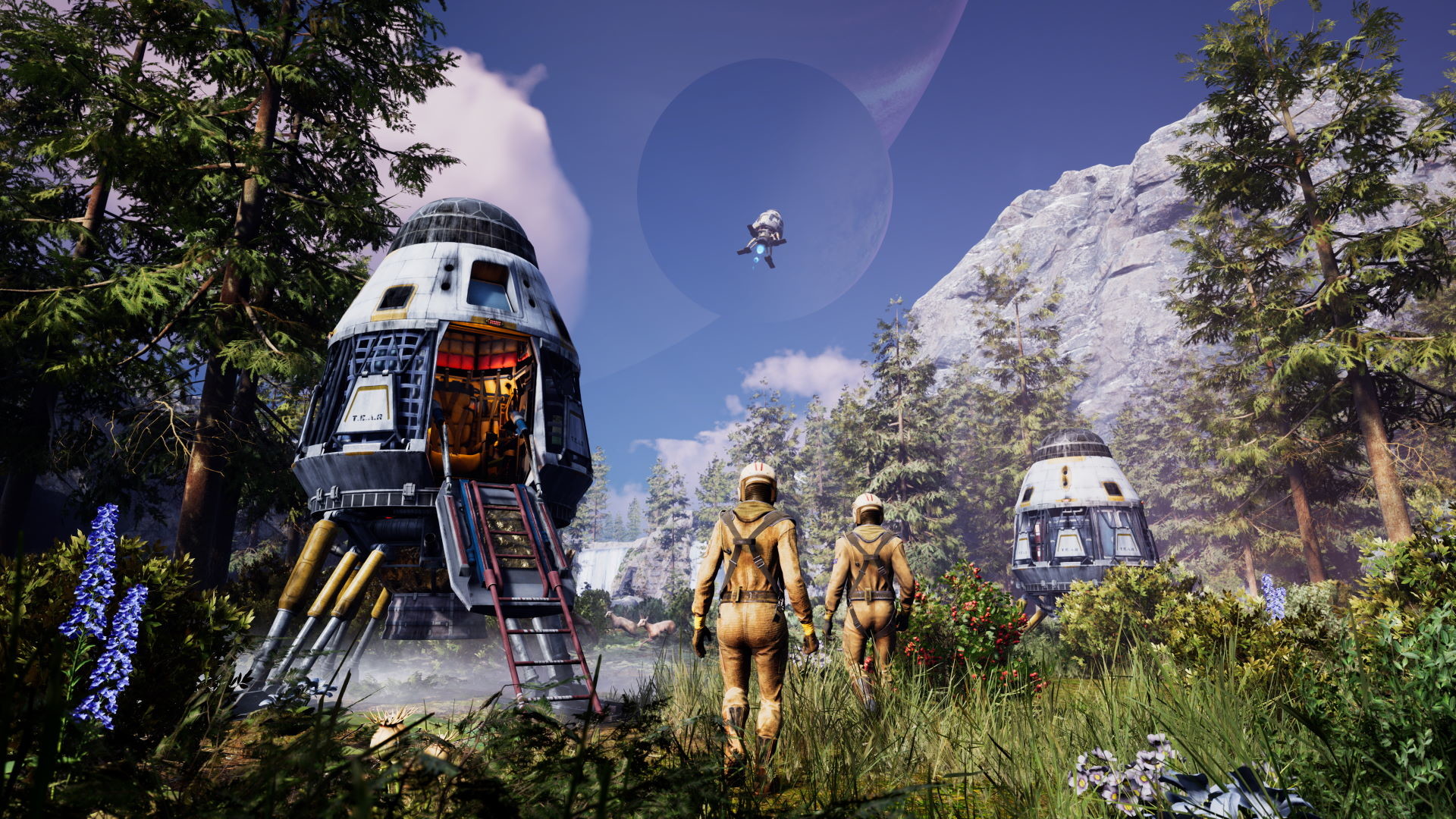
ICARUS is a polished survival-crafting sandbox that rewards players who enjoy planning, building, and long crafting arcs in either timed Missions or persistent Open World. Worth considering for dedicated survival fans, but the heavy DLC price tag and steep grind mean cautious buyers should wait for a deeper discount or a bundle sale.
Game highlights
Session-based Missions with Open World alternative
ICARUS gives players a clear choice between timed Missions that drop you onto the planet with nothing and force you to build, gather, and extract before a deadline, or a persistent Open World mode where you can settle in. The same narrative quests appear in both as timed Missions or as longer Operations, so you can replay content in either format. This structure suits players who like bite-sized runs as well as those who prefer to claim and develop a region over many sessions.
Three layered progression tracks
Progression runs through four technology tiers from hand-crafted tools to advanced composites, a talent tree of more than 100 nodes spread across exploring, building, farming, hunting, taming, and fighting, and an orbital workshop that lets you trade exotic matter for unique gear between drops. Each system gives you a tangible sense of advancement and reasons to keep returning to the surface rather than running out of goals after a few sessions.
Real co-op with solo parity
Up to eight players can join on the surface, and the same content scales smoothly whether you play alone or with friends. Dedicated servers are free to run, which makes long-running Open World saves easy to host for groups. Solo players are not locked out of higher-tier content, so you can progress through missions at your own pace without needing a party.
Tameable fauna and active farming
You can hunt down native creatures or bring animals from orbit, tame them, and raise them with their own talent trees that pass down favorable traits. Mounts help with traversal, trained companions help with defense and resource collection, and farms feed your longer Open World sessions. The system gives players a non-combat path to growth and turns base upkeep into a real side career instead of a chore.
Hostile planet that demands planning
Between toxic atmosphere pockets, apex predators, and storms, ICARUS pushes you to think before you move. Oxygen sources, food stockpiles, and shelter matter on every run, so each drop asks for deliberate preparation rather than improvisation. That pressure is the hook for players who enjoy being tested by the environment itself.
What players are saying
What keeps coming up positively
- Session-based Missions give survival gameplay a clear structure that many players enjoy
- Co-op play with up to eight people scales smoothly and makes long projects easier
- Base building and taming systems offer real long-term progression goals
- Visuals, lighting, and the day-night cycle hold up well on modest hardware
Where the friction shows
- Base game feels thin because key content and biomes sit behind paid DLC
- Missions often devolve into repetitive fetch quests built around grind
- Longstanding bugs and rough optimization have not been fully addressed after years of updates
- Predators and herbivores behave predictably, which drains tension from exploration over time
Is it worth buying?
At $17.49 against a $34.99 regular, ICARUS is at a meaningful 50 percent cut, but recurring player reports flag a large paid DLC library on top of the base game. If you only want the core sandbox without extras, this price is reasonable for the time you will get. If you want the full biome and content spread, the total can climb well above the base price, so waiting for a bundle or a deeper sale is the safer move.
Price checked 2026-10-03:$17.49,down from $34.99(50% off)。Player-fit tags
Good fit
- Players who enjoy planning survival runs with clear start and end points
- Groups of friends looking for a long-running shared Open World project
- Solo players who want full access to missions without co-op pressure
- Builders and tamers who like expressive base design and creature training
- Crafters who enjoy multi-tier tech trees and long progression arcs
Probably not for you
- Players who dislike games with many paid DLC add-ons on top of the base price
- Anyone expecting a polished, fully finished product after years of early access-style updates
- Players who want relaxed, low-pressure survival without timed mission pressure
- Players who dislike repetitive gathering loops as the main path to progression
03Smalland: Survive the Wilds – tiny-scale multiplayer survival-craft best tackled with a small co-op party
STEAM DEAL · 80% OFF
Smalland: Survive the Wilds
A solid pick at the current heavy discount if you have a couple of friends lined up, since solo play exposes most of the grind and durability frustrations. The bug-sized perspective and creature taming are genuinely charming, but the grind curve and item decay push hard on patience.
Game highlights
Bug-scale traversal and vertical exploration
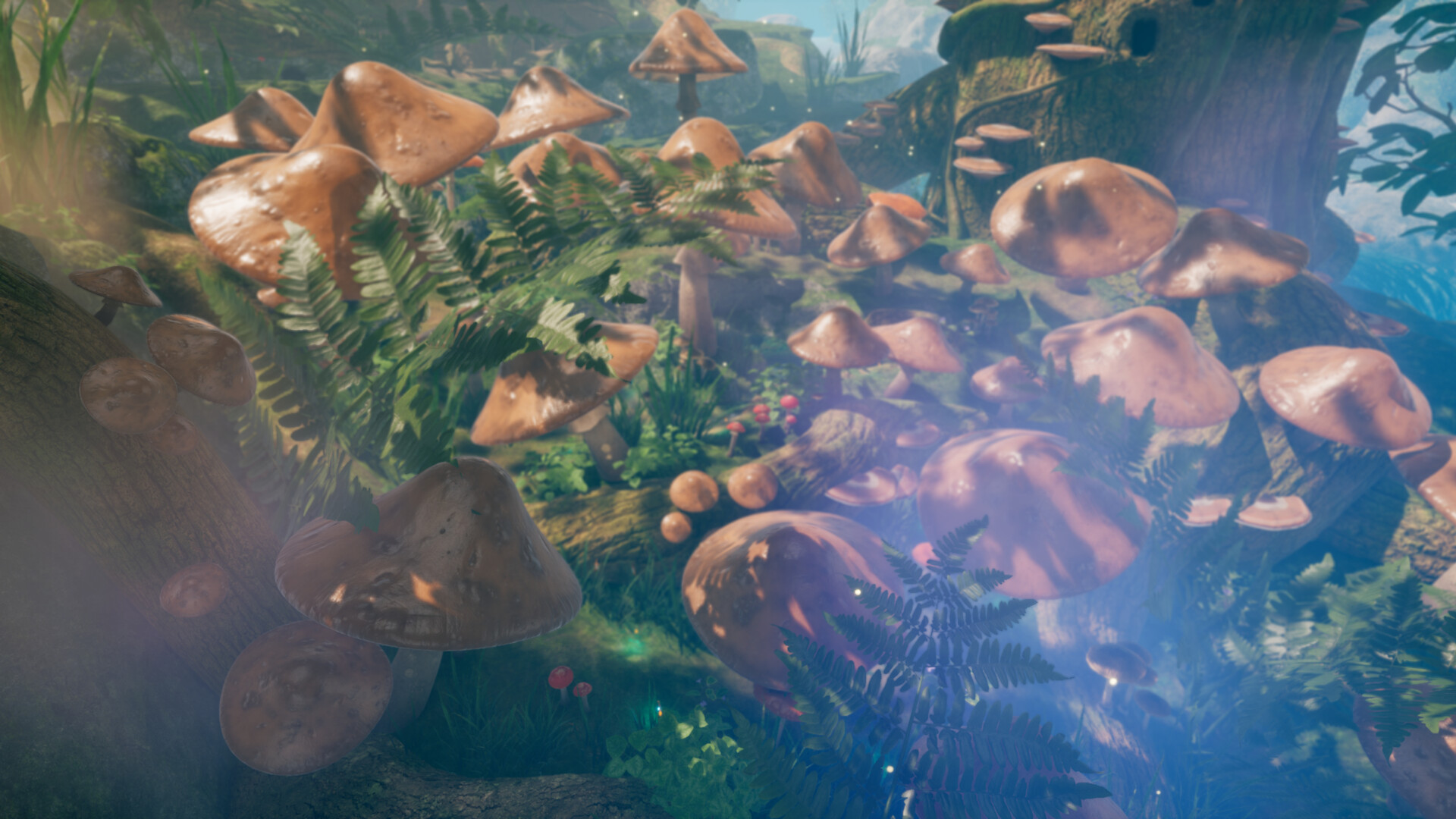
The world is built so everyday objects become landmarks, with skyscraper-sized trees, puddle-sized lakes, and ruined giant relics to scale. Vertical exploration is a real pillar, with players able to climb and get lost in fully modeled branches. It is the strongest hook for anyone who likes survival-craft but wants a fresh sense of scale.
Tame, ride, and swap insect companions
Recipes unlock taming for critters like Grasshoppers, Damselflies, and Spiders, which double as mounts and combat helpers. The party system lets the group rotate between a tanky beetle and a fast jumper depending on the encounter. In solo play the limit on active companions is workable, while in larger groups it becomes more of a juggling act.
Mobile encampments on the ground or in the canopy
Building covers multiple material tiers from leaves and twigs up to stone, and supports tree-top settlements as well as ground camps. A standout feature is a migratable base of operations that travels with your character profile rather than the world save, so constructions and storage can be moved between servers. That flexibility is unusually thoughtful for the genre.
Multiplayer-first survival with solo support
Official support covers up to 10 players online co-op on Windows, plus a documented single-player mode with Steam Achievements and full controller support. Players repeatedly describe it as a chaotic, low-pressure group experience rather than a punishing sim. Solo runs work, but the tone shifts noticeably once you are managing gathering and base upkeep alone.
Armor crafting and traversal tools
Armor sets offer resistances and abilities rather than being pure stat boosts, including winged armor for gliding and grappling-hook gear for swinging between branches. Tool durability is a major friction point, with grapples and similar gear wearing out fast and forcing repeated repairs. Treat traversal gear as consumable rather than permanent and the systems click better.
What players are saying
What keeps coming up positively
- The bug-sized perspective, vertical exploration, and ruins feel genuinely fresh compared to other survival-craft games.
- Tree-top base building and the migratable base of operations are repeatedly called out as creative and flexible.
- Tamed insect companions and mounts are a consistent highlight, with easy swapping and useful roles in fights.
- Multiplayer sessions with a small group are widely described as the most fun way to play, with a chill survival-lite loop.
Where the friction shows
- Item and tool durability is aggressive, with grapples and armor wearing out after short use and dragging combat and traversal down.
- Resource gathering turns into a long running-around grind, especially solo, with scattered nodes and tiny storage chests that fill fast.
- The inventory system is underdeveloped, lacking proper sorting and stack-to-chest options, so mid-to-late game becomes tedious.
- Hostile creature density and group aggro make basic exploration feel punishing, and traversal between tree bases repeats slowly.
Is it worth buying?
At $6.99 versus the $34.90 regular price (80% off), the risk is low if you already enjoy survival-craft and want a change of perspective. The discount makes the grind and durability frustrations easier to swallow, particularly with friends. If you strictly play solo and dislike repeating resource runs, wait for a deeper discount or skip it, since solo friction is the most consistent complaint.
Price checked 2026-10-03:$6.99,down from $34.99(80% off)。Player-fit tags
Good fit
- Survival-craft fans who want to explore the genre with friends in 3-to-6 player groups
- Players who enjoy vertical traversal, tree-top base building, and creative settlement placement
- Anyone looking for a survival-lite experience with creature taming and easy role-swapping mounts
- Players willing to treat tools and armor as consumables and lean into repair loops
- Curious Grounded players who want a larger, darker, bug-scale world to wander
Probably not for you
- Solo-only players who dislike long gathering runs and underdeveloped inventory systems
- Players sensitive to aggressive item and tool durability, especially for traversal gear like grapples
- Anyone expecting a polished endgame, since many reviews flag the late-game as repetitive and under-supported
- Players who want a welcoming, low-conflict exploration loop, given the high hostile creature density
- Fans waiting for the developers to finish core systems before investing more money
047 Days to Die: deep zombie survival sandbox RPG for co-op builders who enjoy crafting and base defense
STEAM DEAL · 45% OFF
7 Days to Die
A solid pickup at the current 45% discount if you have a regular group and accept modern progression restrictions, but solo players hostile to grind should temper expectations. The crafting and horde-night loop still delivers, yet recent design choices polarize longtime fans.
Game highlights
Brutally unforgiving survival sandbox with real structural building
The official description confirms a post-apocalyptic open world blending shooter, survival horror, tower defense, and RPG systems. Players manage nearly 50 buffs, ailments, and a real structural-stability model where buildings and terrain can collapse from damage or poor design. That commitment to consequences is what separates it from lighter survival crafting games and rewards careful planners.
Huge crafting and build vocabulary with over 500 recipes
Per the store page, the game ships 500+ crafting recipes covering weapons, armor, tools, vehicles, traps, electric power, and automated defenses, plus 800 items and 1,300 building blocks. Schematics and 100+ perk-boosting books layer long-term progression onto raw materials. If you enjoy sinking hours into min-maxed bases or vehicle mods, the toolset is genuinely deep.
Horde-night tower defense remains the signature moment
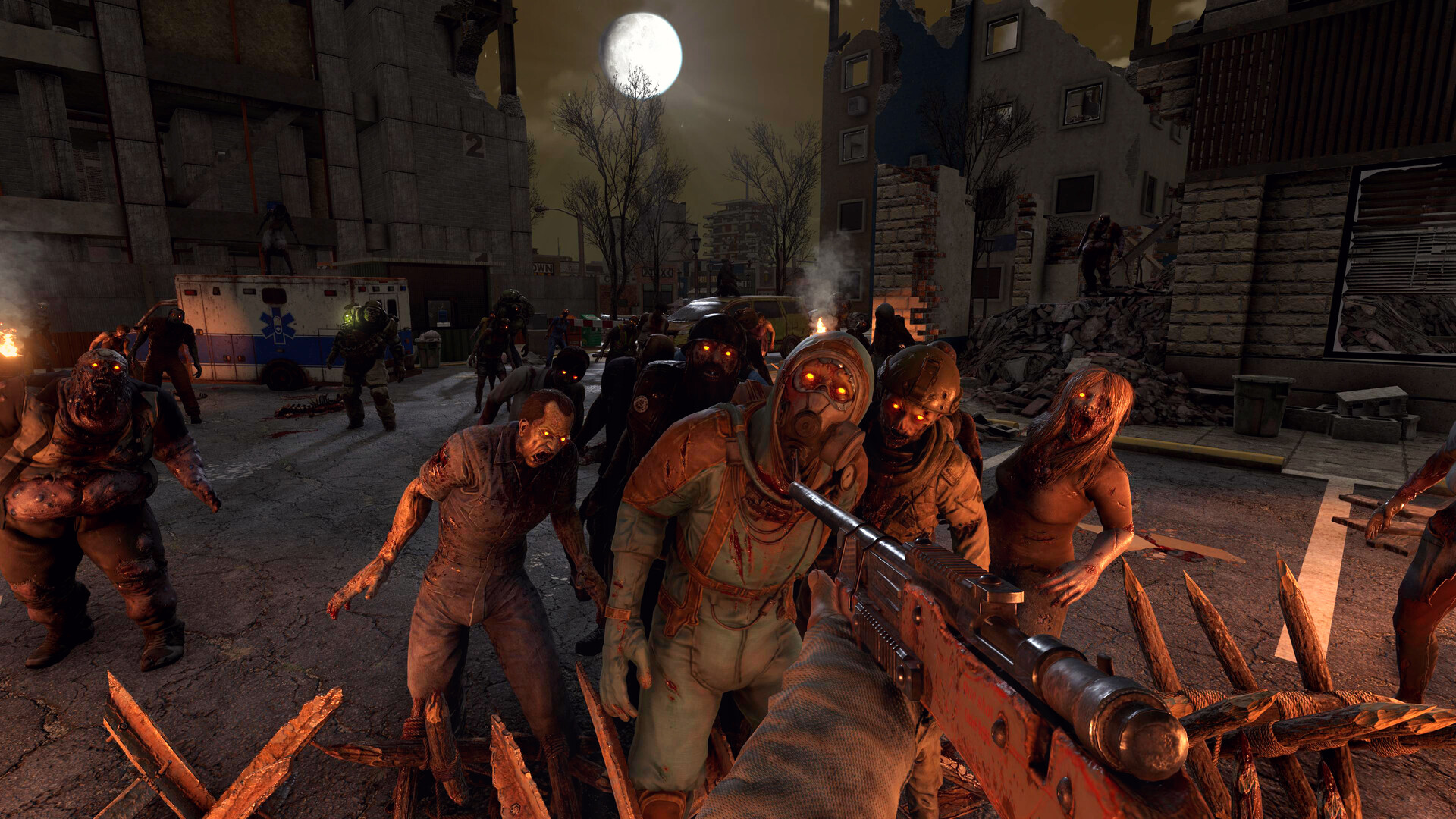
Every seventh in-game day triggers a horde assault that the official page describes as a tower defense challenge against nearly 60 zombie archetypes. Auto turrets, traps, electric defenses, and structural planning turn each blood moon into a project players prepare for all week. Even review critics still acknowledge this loop as the core thrill.
Two playable worlds with very different pacing
Players can choose the handcrafted Navezgane campaign map or a randomly generated world featuring cities, lakes, caves, mountains, and 700+ unique locations across biomes up to 100 square kilometers. Randomgen offers replayability for explorers who burn through fixed maps, and seeds make sharing worlds easy with friends.
What players are saying
What keeps coming up positively
- Co-op base building and weekly horde prep sessions keep groups coming back for hundreds of hours together.
- Long-term sandbox depth in crafting, vehicles, and perk progression gives committed players a real sense of mastery.
- Horde-night tower defense with traps, turrets, and structural design remains an adrenaline highlight even for critics.
Where the friction shows
- Recent updates steered forcing grinding magazines, trader quests, and biome smoothies instead of letting players self-direct survival.
- Devs repeatedly rework zombie pathing to counter popular base designs, which longtime fans describe as being punished for creative solutions.
- Progression feels more linear than compared with earlier builds, and several long-hours players say the game has lost its open-ended sandbox identity.
Is it worth buying?
At $24.74 (45% off the $44.99 list) this is a meaningful discount, yet not an all-time low claim. Solo players who want a complete offline experience can justify it more easily than buyers hostile to grind, since progression now leans on magazine collection and trader quest loops. Co-op groups get the strongest value, while solo completionists should weigh whether modern design constraints fit their style before paying more than the historical Alpha-era prices.
Price checked 2026-10-03:$24.74,down from $44.99(45% off)。Player-fit tags
Good fit
- Co-op groups who want long-term shared base building and horde-night prep sessions
- Players who enjoy deep crafting systems, vehicle modding, and structural engineering challenges
- Solo survival players willing to engage with trader quests and magazine grind for progression
- Explorers who want a randomly generated world with 700+ locations and multiple biomes
- Creative builders who want 1,300+ blocks, traps, and electrical automation for elaborate bases
Probably not for you
- Players who dislike grind-heavy progression gated by magazines and trader quests
- Fans of the older open-ended sandbox direction who resent frequent design reworks
- Anyone seeking a short or low-pressure survival experience without punishing timers
- Solo players who want a fully self-directed sandbox without directed quest and smoothie requirements
Share this article