Catch up on the essentials
- A genuinely inventive physics-logistics sandbox with a memorable corporate-satire framing, but it loses many players around the third phase when automation gets torn up and manual crafting takes over.
- The world and combat are solid supporting acts, but expect a meaningful grind and some traversal friction that solo or smaller groups will feel harder.
- The current sale softens the early-access risk, but players who need obvious day-50 progression milestones will feel the loop stall.
Selected from this article · 2026-10-16
Read on for the full picture01Project P.I.T.T. — A Physics Sandbox For Players Who Like Rebuilding Their Production Lines From Scratch

STEAM DEAL · 20% OFF
Project P.I.T.T.
A genuinely inventive physics-logistics sandbox with a memorable corporate-satire framing, but it loses many players around the third phase when automation gets torn up and manual crafting takes over. Try the demo first if you can, or wait for a deeper discount if the late-game restructuring sounds like a dealbreaker.
Game highlights
Physics-first logistics puzzles
The core loop is sending oddly shaped objects from crafting stations into the Maw without conveyors, so every stage is a hands-on physics problem. Players use panels, fans, pistons, launchers, and magnets to deal with bouncing, spilling, and clogs, which is what makes the first few phases feel like real puzzle work rather than routine placement.
Phased progression that escalates
Each new phase introduces a new product and the facility itself shifts to match, with the Maw visibly expanding as production scales. Phase 1 and 2 act as a tutorial on the contraption tools, then later phases demand more elaborate assembly. The pacing is the deliberate point of the design, but it is also where most friction sets in.
Open-ended building tools and unlocks
Starting from rubber ducks, the game unlocks stranger items, automation pieces, and combo-aware payout systems. Players compare it to sandbox building rather than a strict factory game because you can route things in creatively chaotic ways, which fits anyone who enjoys expressive, player-directed construction.
Cross-platform support and accessibility
The game runs on Windows, macOS, and Linux, with full controller support for DualShock and DualSense pads, adjustable text size, custom volume controls, save-anywhere, Steam Cloud, and stereo sound. That makes it friendly to couch play and easy to drop in and out of without losing progress.
Brutalist PSX-style presentation
The aesthetic and corporate-drone premise lean into a satirical, low-poly look that matches the absurdist tone of feeding ducks into a pit. Several players picked it up specifically because the presentation sold the joke before the mechanics did.
What players are saying
What keeps coming up positively
- The early phases teach you a physics-first logistics loop that feels distinct from typical factory games, and players who enjoy bottleneck-solving tend to click with it fast.
- Players who like freeform sandbox building appreciate being able to route oddly shaped objects through contraptions with fans, magnets, and panels instead of standard belts.
- The corporate-satire tone and rubber-duck premise land with people who want a sandbox that does not take itself too seriously.
- Reception of developer responsiveness is positive, including patches addressing debris issues raised in reviews.
Where the friction shows
- Phase 3 runs roughly twice as long as the first two combined, and several players report it drags before the cauldron rework lands.
- The fourth act asks you to pull from three previous lines into a new manual crafting station with no automation, which forces tearing down or cannibalizing earlier builds and several players feel wastes the time they invested.
- Construction is described as awkward and clunky, with hard-placing pieces at angles and snapping objects together feeling unreliable for many buyers.
- Some players hit late-game grind loops where manually producing new items for tiny phase-progress percentages feels tedious despite sitting on large cash reserves.
Is it worth buying?
At $7.99 with a 20% discount off the $9.99 regular price, this is an inexpensive way to try a fairly small indie sandbox, but it is not currently at an all-time low. The build-buy pipeline is genuinely creative through roughly phase 3, then a manual-crafting pivot burns some goodwill, so the safer move is to play the available demo or wait for a deeper sale if that restructuring sounds frustrating. Solo-only with Steam Cloud and full controller support, it suits short solo sessions best.
Price checked 2026-10-16:$7.99,down from $9.99(20% off)。Player-fit tags
Good fit
- Players who enjoy physics-based logistics puzzles and routing oddly shaped objects around bottlenecks
- Sandbox builders who like redesigning and tearing down their own contraptions as new tools unlock
- Solo players who want a satirical, low-stakes first-person sandbox they can pause and save at any time
- Controller players looking for a couch-friendly physics game with adjustable accessibility options
- Fans of corporate-satire presentation who want tone and theme alongside building puzzles
Probably not for you
- Players who want long automated factory runs once a build is complete, since late phases force manual crafting and rebuilding
- Anyone expecting reliable construction snapping and stress-free placement at angles
- Buyers who dislike long phase 3 pacing before the design pivots in the final act
- Players looking for multiplayer or co-op, as the game is single-player only
- Anyone sensitive to mid-game grind loops where manual production yields tiny progress despite high cash reserves
02Palworld on Steam: creature-catching survival crafting with expressive base building for creative players and co-op groups

STEAM DEAL · 30% OFF
Palworld
If you like survival crafting and want a creature-catching twist with friends, Palworld is a strong fit at its current 30 percent discount; solo builders also get plenty to chew on. Expect some jank and a grind, but the loop of catching, building, and automating keeps pulling you back.
Game highlights
Expressive base building and automation
The official description leans hard into player-directed construction: pyramids, multi-Pal factories, farms, and power setups where assigned creatures keep working as long as they are fed. Players treat the base as the creative canvas, designing layouts to remove bottlenecks and trying out wild structures. It feels closer to a creative sandbox than a typical survival-craft checklist.
Creature catching with real utility
Every Pal reportedly has a purpose, whether in combat, on the farm, or at the workbench, which is a major reason monster-tamer fans stick with it. Breeding and genetics layer in a long-term goal of engineering stronger combinations rather than just collecting. This makes exploration feel purposeful because every new catch could improve your operation.
Multiplayer that scales from small to large
Official features include 4-player online co-op and dedicated servers supporting up to 32 players, and reviewers consistently say the game clicks harder in a group. Trading, PvP, and shared bases turn the survival loop into a social project. Solo play remains a complete option for those who prefer their own pace.
Exploration that constantly sidetracks you
Players describe logging in for one task and re-emerging hours later after wandering into new biomes, dungeons, or rare Pal encounters. Mounts for land, sea, and air let you commit to long treks without feeling trapped. The world rewards curiosity with new resources, creatures, and build goals.
Survival pressure you can tune
Difficulty sliders, death and item loss options, and adjustable day length let players soften the survival side when they want. That flexibility is a clear draw for less hardcore audiences who still want stakes. It also makes onboarding easier, since newcomers can ease into the crafting tiers.
What players are saying
What keeps coming up positively
- The catch, build, automate loop is genuinely addictive and turns short sessions into multi-hour marathons
- Base building and Pal assignment feel more expressive and useful than typical survival-craft systems
- Group play, including dedicated servers, makes the experience feel noticeably stronger with friends
- Difficulty and loss options let a wide range of players enjoy the survival systems at their own pace
Where the friction shows
- Resource grinding and progression pacing wear on players who dislike repetitive gathering loops
- Pressure from timers and punishing recovery clashes with cozy or low-stress play styles
- Jank, bugs, and rough edges break immersion for players expecting a polished release feel
- Long setup and save behavior make short, drop-in sessions awkward for busy schedules
Is it worth buying?
At $20.99 USD against a $29.99 regular price, the 30 percent discount is a fair entry point for a game with this much content, though it is not labeled as an all-time low. If you already enjoy survival crafting or monster taming, that price makes sense now; if you are only mildly curious, waiting for a deeper sale is reasonable.
Price checked 2026-10-16:$20.99,down from $29.99(30% off)。Player-fit tags
Good fit
- Creature-catching fans who want their collection to matter at the base and in combat
- Survival crafting players who enjoy optimizing factory layouts and Pal assignments
- Co-op groups of friends who want a shared world with trading, PvP, and big dedicated servers
- Builders and decorators who treat bases as expressive projects rather than pure efficiency puzzles
- Solo players who like long, self-directed progression with adjustable difficulty
Probably not for you
- Players who dislike repetitive resource gathering and long progression grinds
- Anyone expecting a tightly polished, bug-free release
- Cozy or low-pressure players put off by survival timers and punishing death recovery
- Short-session players who get frustrated by lengthy setup or save routines
03Enshrouded: best-in-class voxel building sandbox for solo architects and creative co-op groups in a survival RPG
STEAM DEAL · 10% OFF
Enshrouded
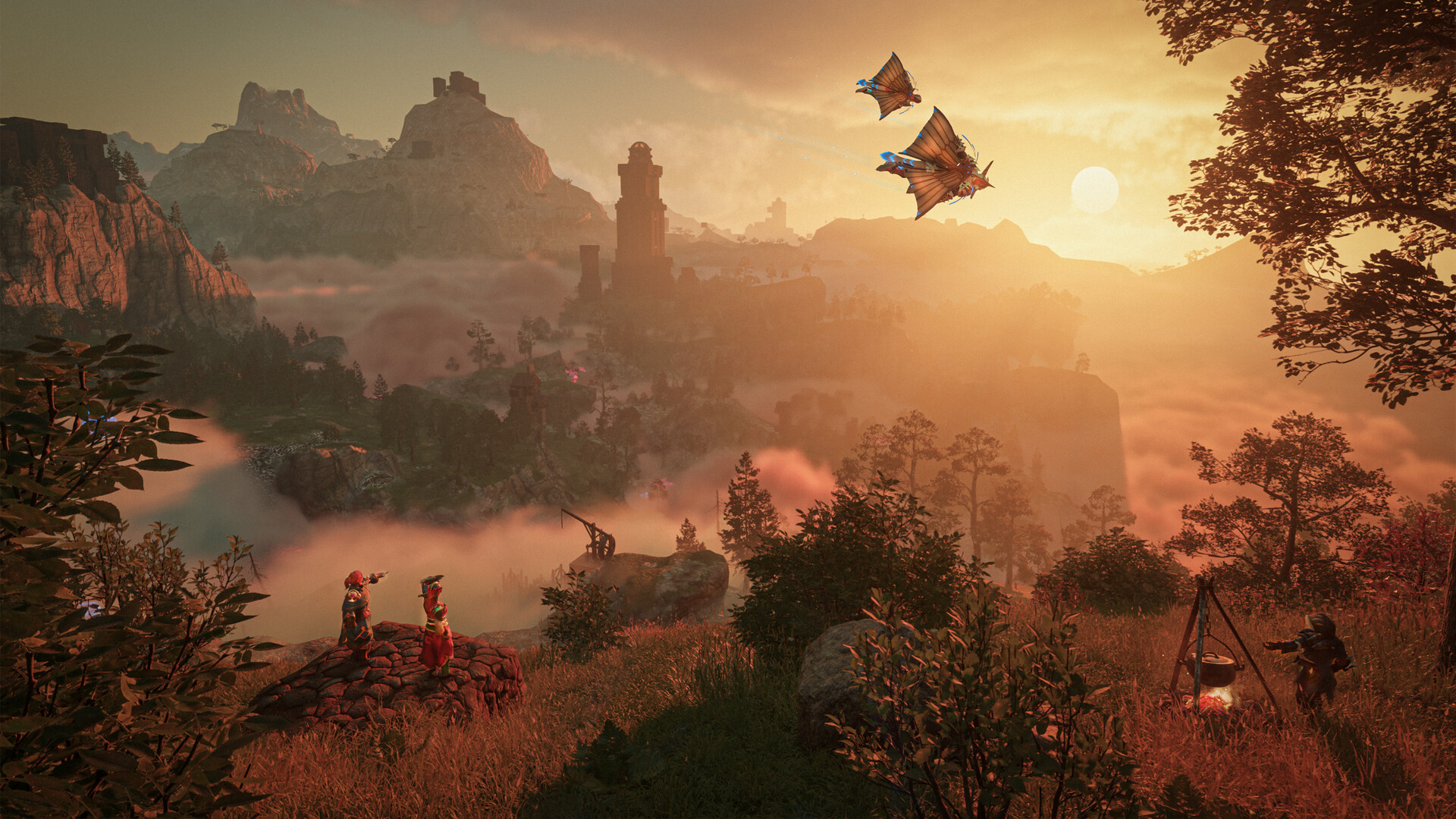
Enshrouded is a deeply flexible survival crafting RPG where the voxel building and terraforming are the star, especially if you like tinkering with base layouts for hours. The world and combat are solid supporting acts, but expect a meaningful grind and some traversal friction that solo or smaller groups will feel harder.
Game highlights
Voxel building with near-zero limits
Official materials describe a fully terraformable voxel building system where you can raise fortresses, carve homes into mountainsides, reshape terrain, and furnish rooms down to small details. Players echo this constantly, with one reviewer stating that if you can conceptualize a build, you can make it with almost zero limitations, more detailed than modded Minecraft. The same review highlights sprawling projects from underground tunnel networks to full cities. If decorating and rebuilding is your main pull, the systems here feel purpose-built for it.
Survival crafting with rescued-NPC settlements
The official page describes hunting, farming, fishing, and scavenging, then rescuing survivors from the Shroud so your lone hut grows into a settlement of craftspeople unlocking new recipes and gear. Player writeups back this up, describing endless crafting and cooking depth alongside base progression that grows organically. The hook is that base expansion and NPC rescue feel mechanically linked, so each new settler pushes your build forward.
Skill-based combat that respects your archetype mix
Official text details skill-based combat and a talent system with archetypes like armored juggernaut, deadly ranger, or devastating battlemage that can be blended. Reviews describe combat as solid enough to keep you honest, with progression that naturally introduces every system without letting you skip anything. The early-game pacing gently forces you through core loops so you learn crafting, exploration, and combat in order.
Co-op up to 16 players as the headline social mode
The store page explicitly supports co-op for up to 16 players, and reviewers consistently call the shared experience elite-tier. Multiple helpful reviews describe playing nonstop with friends, exploring and building together, and forgetting what touching grass feels like. One player noted that progression gates naturally teach every system, which works especially well in a group setting.
Broad accessibility options for players with varied needs
The store lists adjustable difficulty, adjustable text size, camera comfort, color alternatives, custom volume controls, and full controller support. Review evidence strongly supports this, with players describing being able to play despite being 79 years old and slow, or bedridden with limited use of one arm, crediting custom settings as the only reason they could keep playing.
What players are saying
What keeps coming up positively
- The voxel building and terraforming feel almost limitless, pulling players into multi-hour base sessions they did not plan.
- Co-op with friends is consistently described as the best way to experience the game, with shared exploration and building creating memorable moments.
- The crafting, cooking, and settlement systems have unusual depth for the genre, with rescued NPCs unlocking new recipes over time.
- Accessibility options are genuinely enabling, allowing players with significant physical limitations to enjoy the full experience.
Where the friction shows
- Many players report a heavy resource grind, with repeated gathering loops required to progress through upgrades and gear tiers.
- Manual per-block interaction (typically an E-key press) during harvesting is a commonly cited annoyance, especially for players focused on collection.
- Vertical world design combined with limited climbing or ascension tools leads to long detours when the intended path up is unclear.
- Several players describe the experience as incomplete or impractical solo, suggesting progression and resource pressure scale better with a group.
Is it worth buying?
At $35.99 USD with a 10% discount off the $39.99 regular price, Enshrouded sits at a moderate price point for a survival crafting RPG still iterating toward 1.0. The discount is modest, so this is not a fire-sale moment, but if the building and co-op loops sound like your thing the current price is reasonable. If you are purely solo and grind-averse, waiting for a deeper discount while the developers smooth traversal and harvesting pain points would be smarter.
Price checked 2026-10-16:$35.99,down from $39.99(10% off)。Player-fit tags
Good fit
- Players who love expressive building and terraforming and lose hours rearranging a single wall.
- Co-op groups of friends who want a shared survival crafting project, ideally in the 4 to 16 player range.
- Creators who enjoy recreating real-world architecture, ships, or fantasy cities inside a voxel sandbox.
- Players who want deep crafting, cooking, and settlement progression that unlocks over dozens of hours.
- Anyone who values strong accessibility and adjustable difficulty for varied physical needs.
Probably not for you
- Solo players who dislike heavy resource grinding, as several reviews describe the experience as impractical alone.
- Players who hate per-block harvesting loops that require repeated manual interactions for every resource.
- Anyone frustrated by vertical worlds without reliable climbing or ascension tools for reaching high areas.
- Players seeking a strictly cozy, low-pressure wind-down, since multiple reviews describe tension and time pressure that conflict with chill sessions.
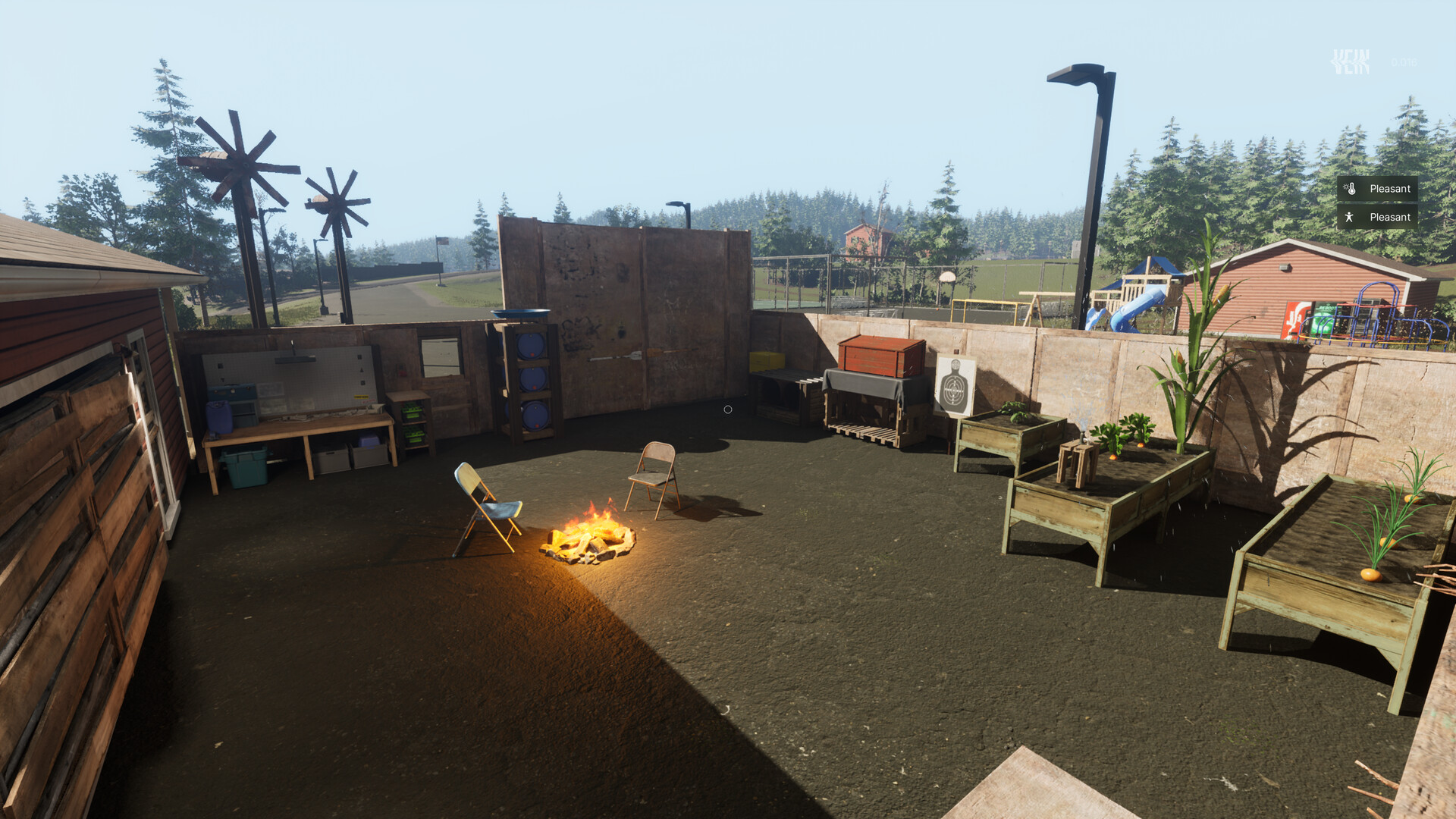
04VEIN is a post-apocalyptic survival sandbox great for friend groups who want expressive base fortification and sandbox experimentation
STEAM DEAL · 35% OFF
VEIN
VEIN is a strong pick if you and a regular co-op group value fortifying existing buildings and tinkering with vehicle parts more than chasing late-game loot checks. The current sale softens the early-access risk, but players who need obvious day-50 progression milestones will feel the loop stall.
Game highlights
Fortification over freeform building
Official systems let you reinforce windows and doors on existing structures and convert a building into a defended safehouse rather than planting prefabs. Multiple reviewers describe spending dozens of hours turning a house into a stocked, lit, barricaded survivor outpost, so cooperative base sessions become a central activity rather than a side distraction.
Interactive world you can actually break
Mailboxes, faucets, sinks, washers, and TV sets all have working states described in the store page, and players confirm faucets can run dry, sinks get dirty, and washing machines cycle through detergent. That level of usable geometry encourages exploration loops and decorating decisions, because every room has switches, blinds, and appliances to fiddle with.
Vehicles with hands-on maintenance
Cars, utes, and ambulances spawn without parts and need hotwiring, fuel, and repaired components, with oil changes called out in reviews. Drivers mention rolling away without the e-brake, swapping dash electronics between vehicles, and turning bigger cars into mobile bases to share with passengers.
Long-form survival progression
Hunting, fishing, trapping, tilling soil, and chopping wood are listed as the eventual answer when canned food runs out, layered on a 100-skill leveling cap. Seasons and long-scale random events shift the map over time, and character creation covers body type, hair, and stat allocation so a fresh survivor feels distinct from a co-op partner.
Sandbox AI pressure
Zombies see, hear, smell, and react, and several variants exist to escalate encounters. Reviewers flag stuck-zombie pathing and clumps that pull aggro, so even routine scavenging runs carry weight, especially when an infection is the penalty for getting tagged.
What players are saying
What keeps coming up positively
- Groups consistently call out co-op as the highlight, with sessions of building a fridge, hotwiring multiple vehicles, and prepping for sieges together.
- Survival veterans from Project Zomboid and 7 Days to Die repeatedly describe the world simulation as deeper than expected, including working plumbing, power grids, and detailed building interiors.
- Dev communication is cited as a strength, with weekly or near-weekly patches and Discord responsiveness acknowledged across multiple helpful reviews.
- Players value the offline-friendly design that lets them pause or sleep a session and return to their base intact, a rare feature in this genre.
Where the friction shows
- Several negative-leaning reviews report that by roughly the ten-hour mark there is no meaningful enemy or POI progression, so the same early-game zombies rescale poorly against late-game gear.
- A common complaint is the absence of true base building: you can fortify found structures but cannot construct new ones from scratch, which limits creative-decorator ambitions.
- Zombies frequently clip or stick on geometry, forcing risky melee contacts or wasted shots to free them, which inflates the routine grind.
- Stress, cold medicine scarcity, and infection timers add punishment that some solo players describe as anxiety-prone rather than relaxing.
Is it worth buying?
At $12.99 against the $19.99 regular price on PC, this is a roughly 35 percent discount that trims the early-access premium but is not a historic markdown. The price looks sensible if you have a co-op group ready to commit dozens of hours to fortification and vehicle tinkering, while solo completionists should only jump in expecting a slow sandbox without a defined late-game milestone.
Price checked 2026-10-16:$12.99,down from $19.99(35% off)。Player-fit tags
Good fit
- Players who run regular two-to-four-person co-op sessions and want to turn a found building into a long-term safehouse.
- Sandbox decorators who enjoy interacting with appliances, blinds, and plumbing more than chasing new gear tiers.
- Vehicle tinkerers who want to scavenge parts between cars and maintain engines as a core activity.
- Patient survivalists who enjoy slow skill leveling, farming, and seasonal planning over fast power curves.
- Curious early-access backers who actively read patch notes and want to influence development.
Probably not for you
- Solo players who need a clear late-game goal or escalating enemy difficulty to stay engaged.
- Action-first fans who want tight gunplay, since combat is widely described as janky and zombie pathing frequently breaks.
- Anyone expecting full structural base building, since fortification is limited to existing buildings.
- Players sensitive to punishing survival meters, where stress spikes, rare cold medicine, and infection timers create constant low-pressure anxiety.
- Players who dislike Early Access wobble, because bugs, balance passes, and content additions remain ongoing.
Share this article