NEW ON STEAM
Project P.I.T.T.






At a glance
Project P.I.T.T. game facts
Steam store information checked 2026-09-02。- Studio
- Froke Published by Pretty Soon
- Release
- Aug 19, 2026 Released
- Official genres
- Action · Casual · Indie · Simulation
- Play mode
- Single-player
- Desktop platforms
- Windows · macOS · Linux
- Steam Deck
- Verified Verified for Steam Deck
- Controller
- Full support
- Steam features
- Achievements · Cloud · Family Sharing
- Languages
- 10 listed languages English, French, German, Spanish - Spain
What that means for your setupProject P.I.T.T. is a single-player Action, Casual, Indie and Simulation title developed by studio Froke and published by Pretty Soon, released on August 19, 2026, and currently sitting at a Steam review score of 82 from 512 reviews. It runs on Windows, macOS and Linux, is Steam Deck Verified with full controller support, and offers Achievements, Cloud saves and Family Sharing. The interface ships in English, French, German, Spanish, Japanese, Korean, Polish, Brazilian Portuguese, Russian and Simplified Chinese, which is a very generous language spread for an indie of this size. There is no multiplayer and no listed cross-play, so if you specifically want a co-op sandbox this is not it; everything happens on your own machine. Because it is physics-driven and CPU-heavy, the dev has noted that piling thousands of stray objects on the floor can cause frame dips, which is a genuinely useful thing to know before you start hoarding ducks on a mid-range laptop.
If you have ever lost an evening to Factorio belts or Untitled Goose Game mischief, Project P.I.T.T. offers a wonderfully weird spin on both: you are a junior intern whose entire job description is making rubber ducks and hurling them into a hungry corporate Maw, using magnets, fans, pistons and launchers instead of tidy conveyor belts. The comedy is dry, the PSX-era brutalism is gloomy and pretty, and the moment your first janky Rube Goldberg contraption dumps a perfect combo into the pit is the moment this little indie clicks into something special.
What the game actually feels like
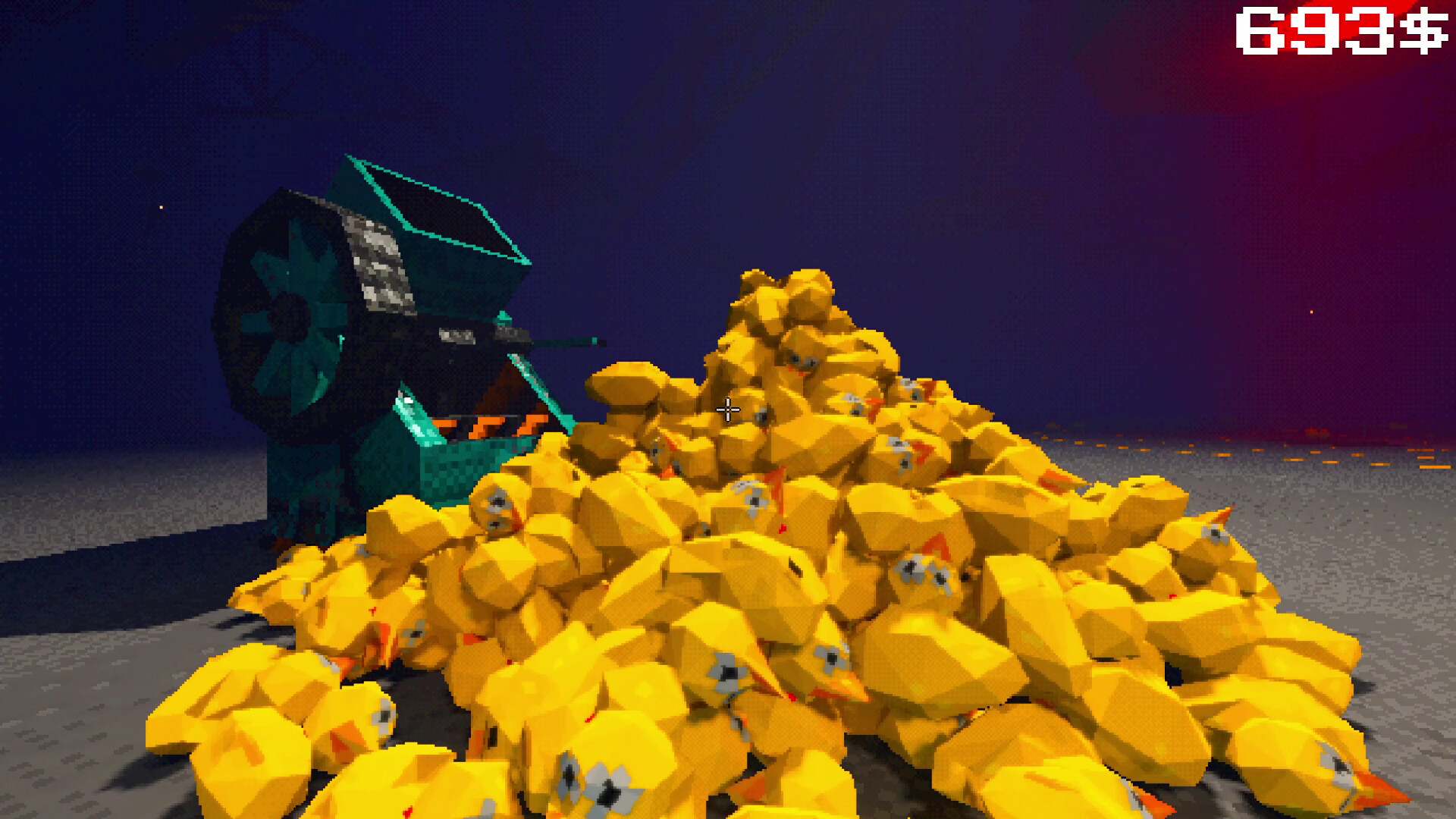
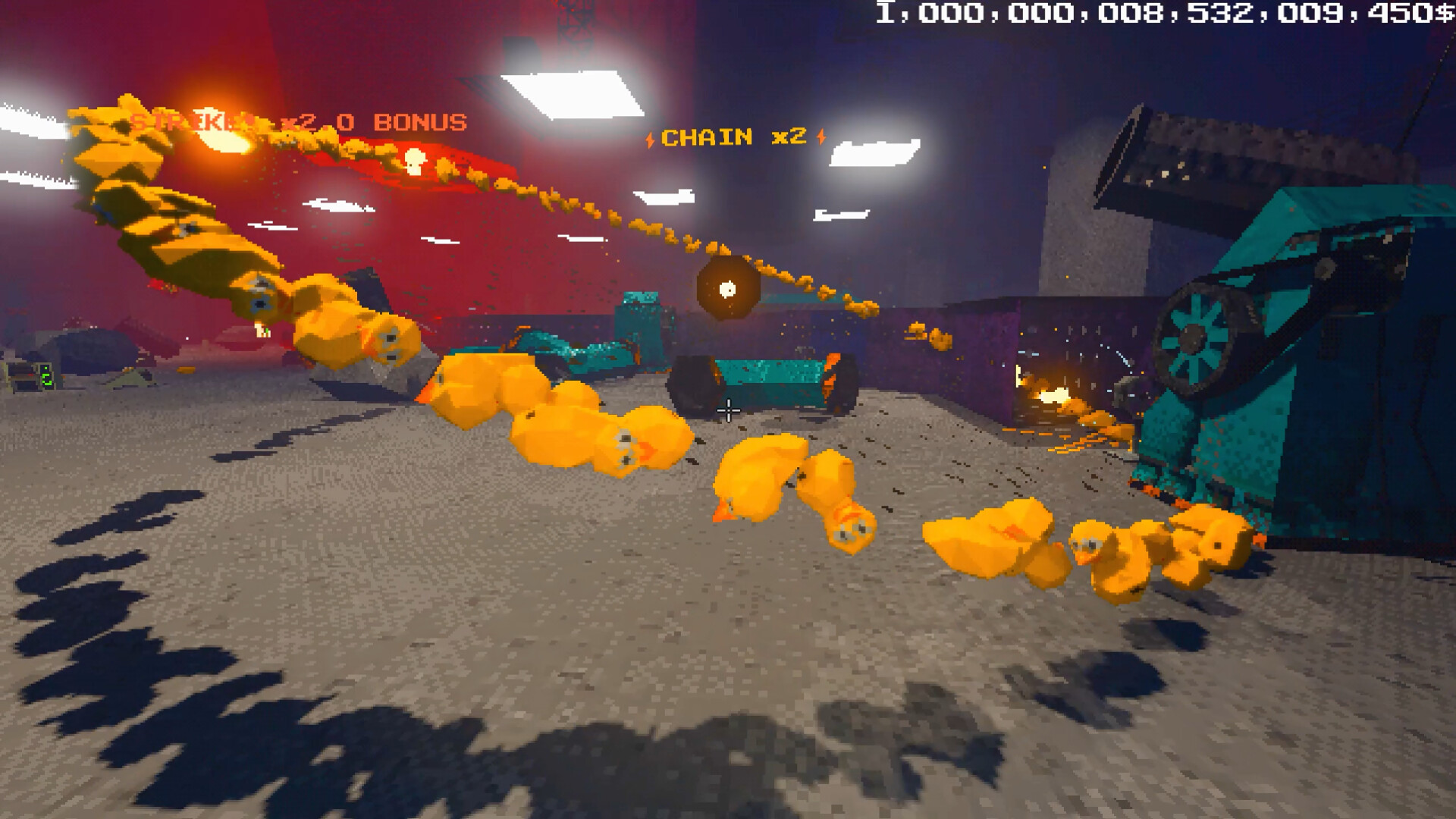
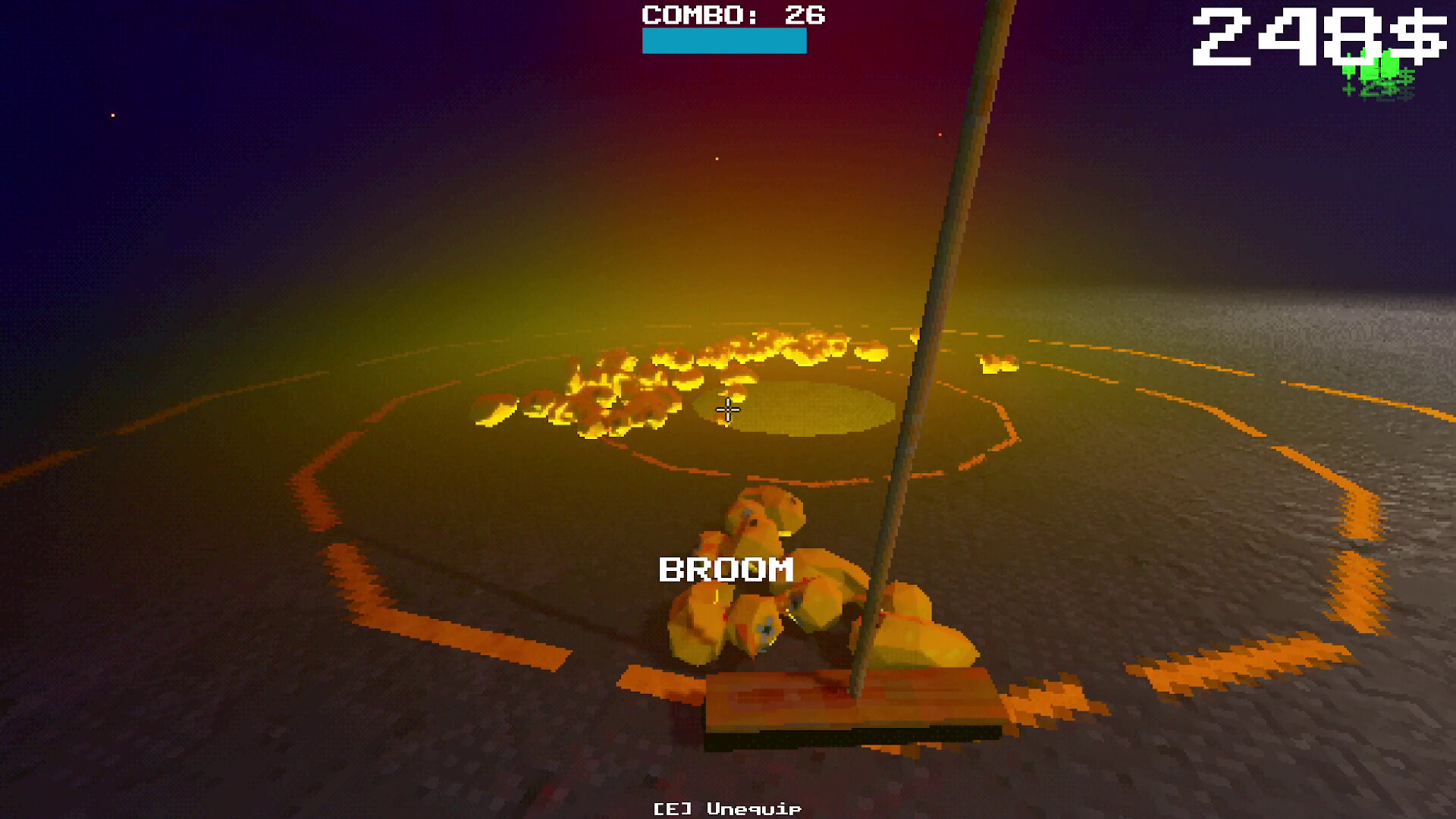
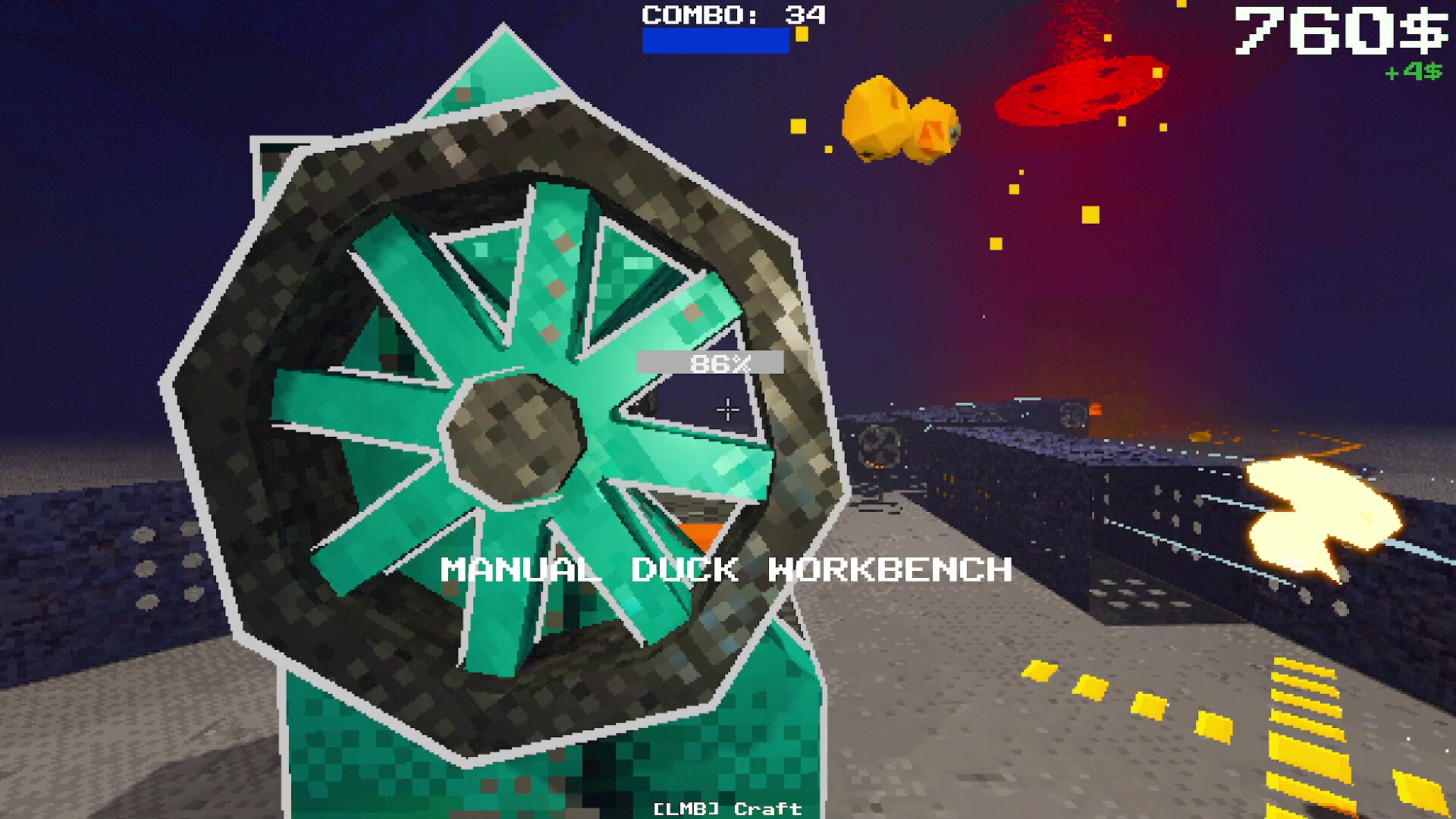
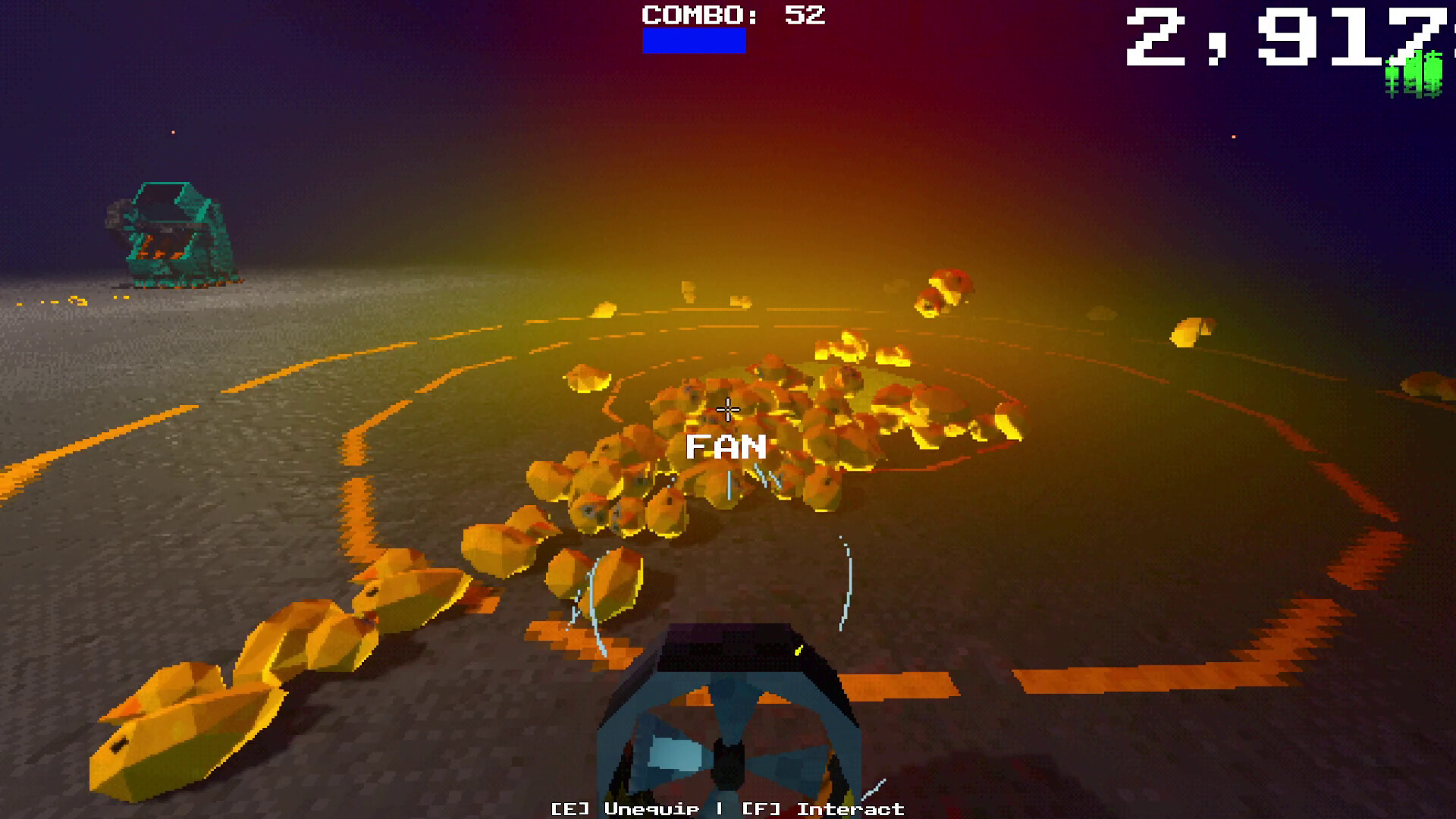
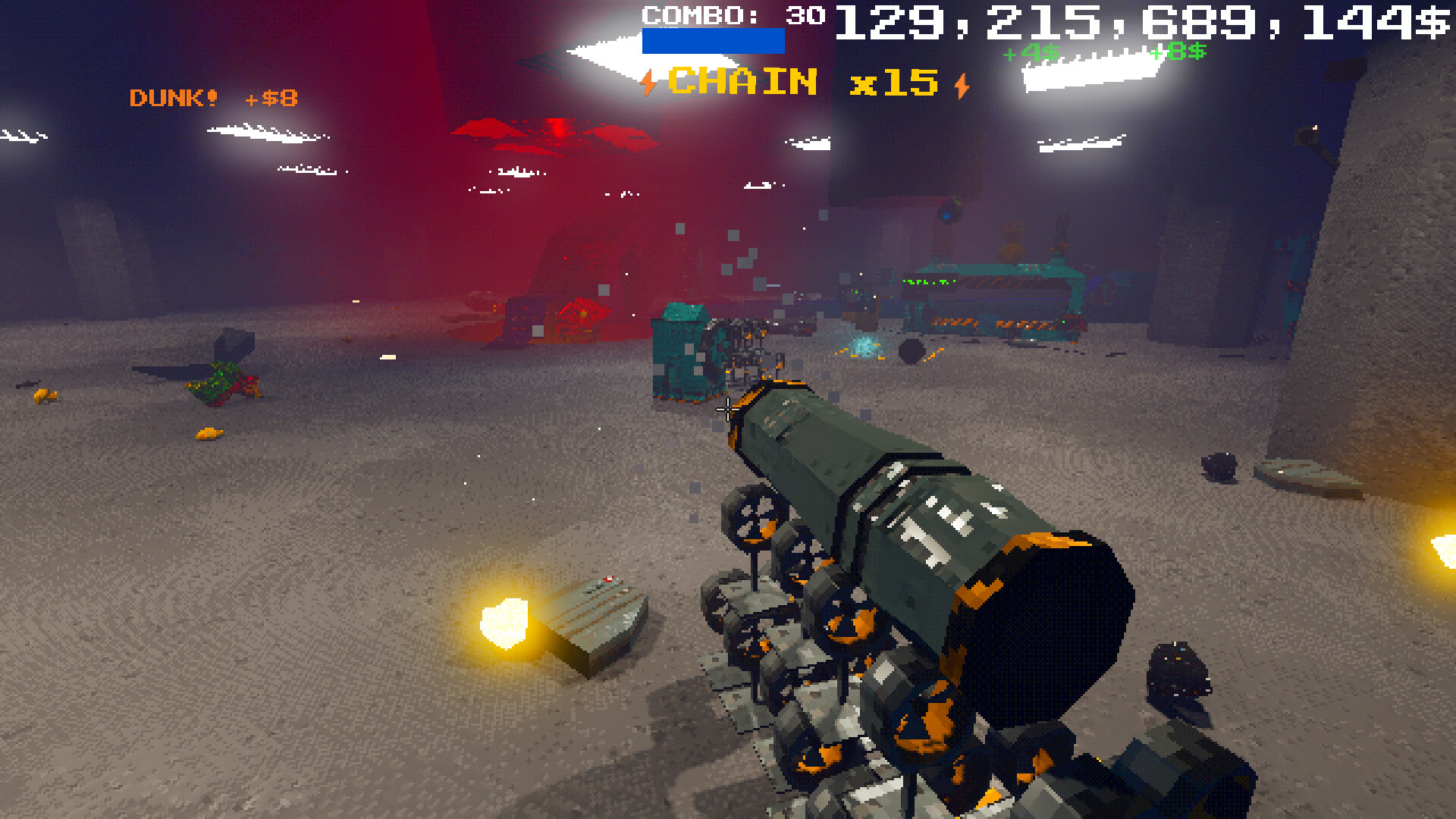
The central loop is gloriously silly: craft rubber ducks, toss them into a pit called the Maw, watch the Maw grow physically larger as production escalates, and chase combo bonuses that snowball into absurd late-game payouts. One player summed up the mood perfectly by noting their job is feeding ducks to a giant hole, and somehow this still has better working conditions than their real job, which captures the dry corporate-satire tone better than any marketing line could.
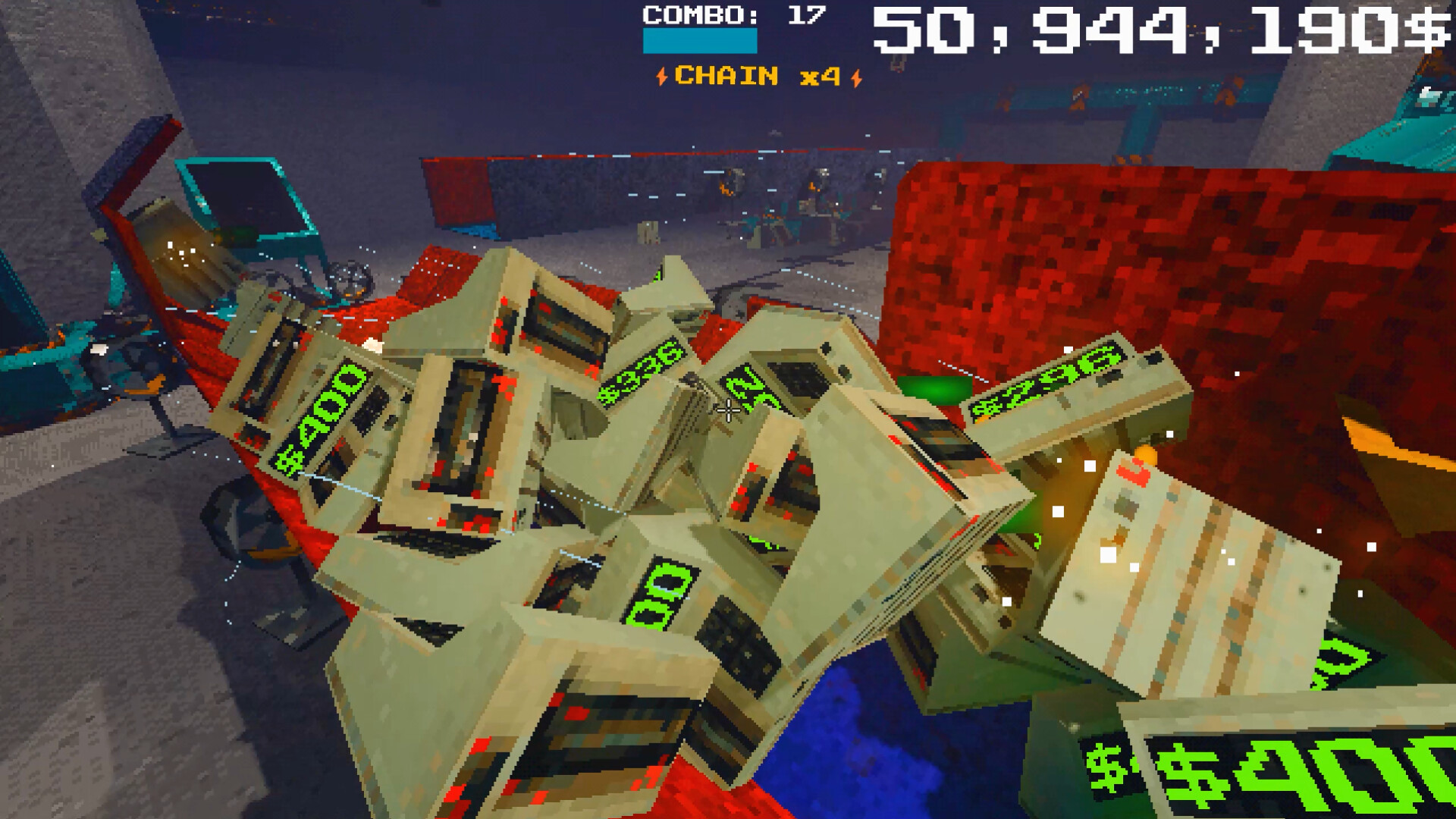
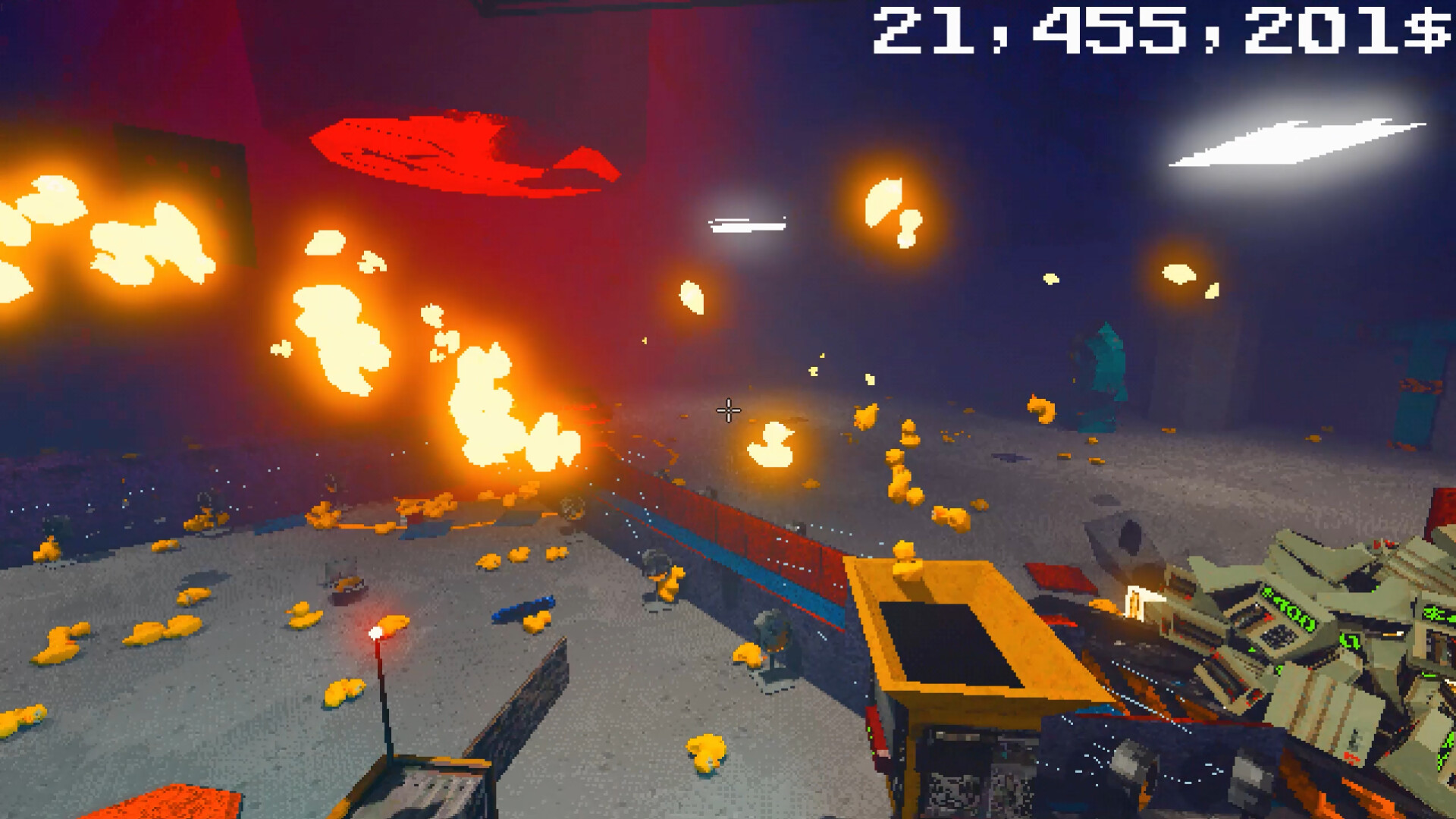
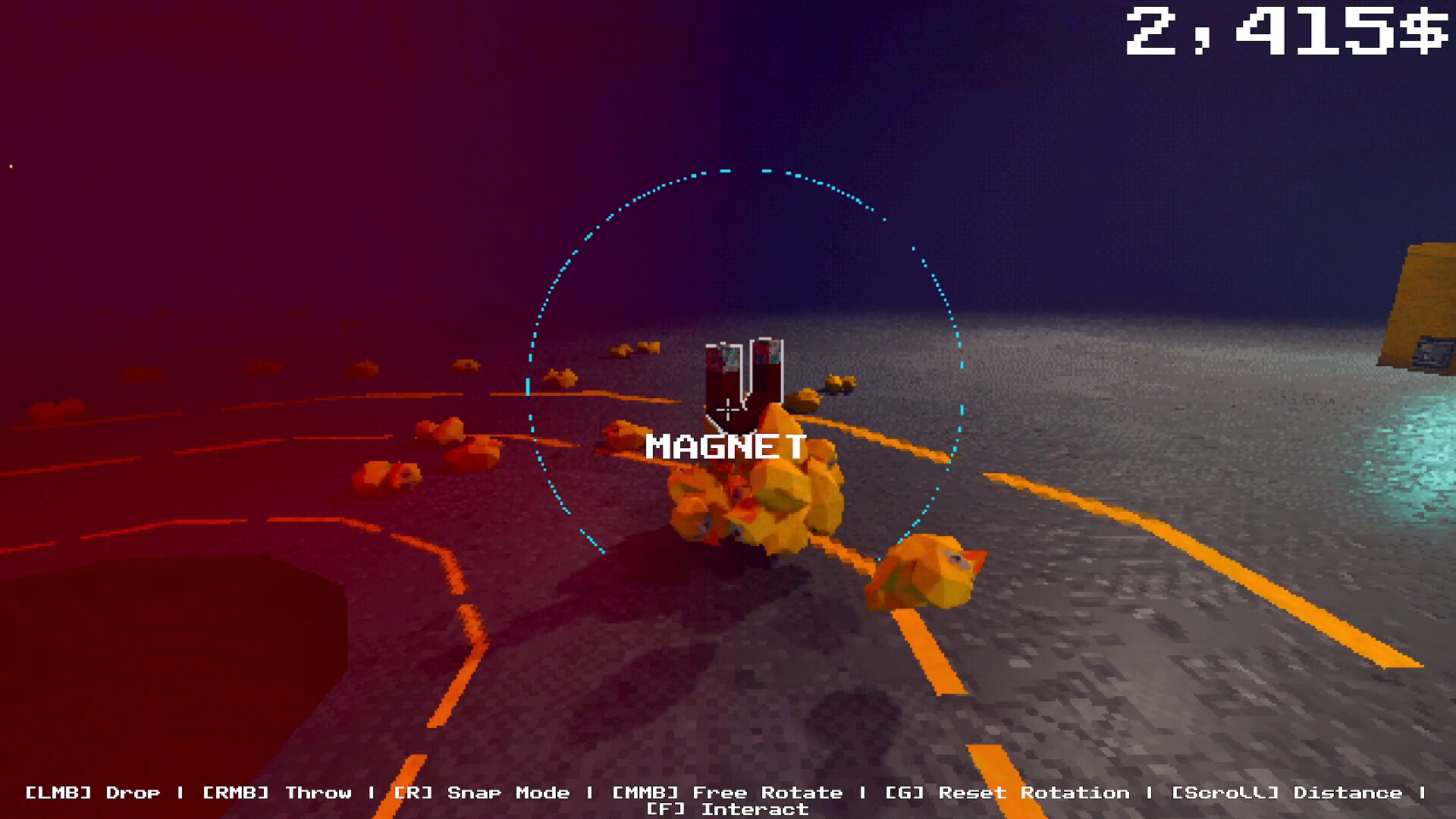
Later phases swap ducks for stranger objects and unlock a genuinely eclectic toolbox: magnets, fans, panels, pistons and launchers that you have to wire together without conveyor belts, so every problem turns into a little physics puzzle about bounces, clogs and spillage. Reviewers consistently describe the early hours as the most addictive part of the game, where you are cobbling wild contraptions out of bits and bobs rather than following a meta build, which gives it a charm that more polished automation games sometimes lose.
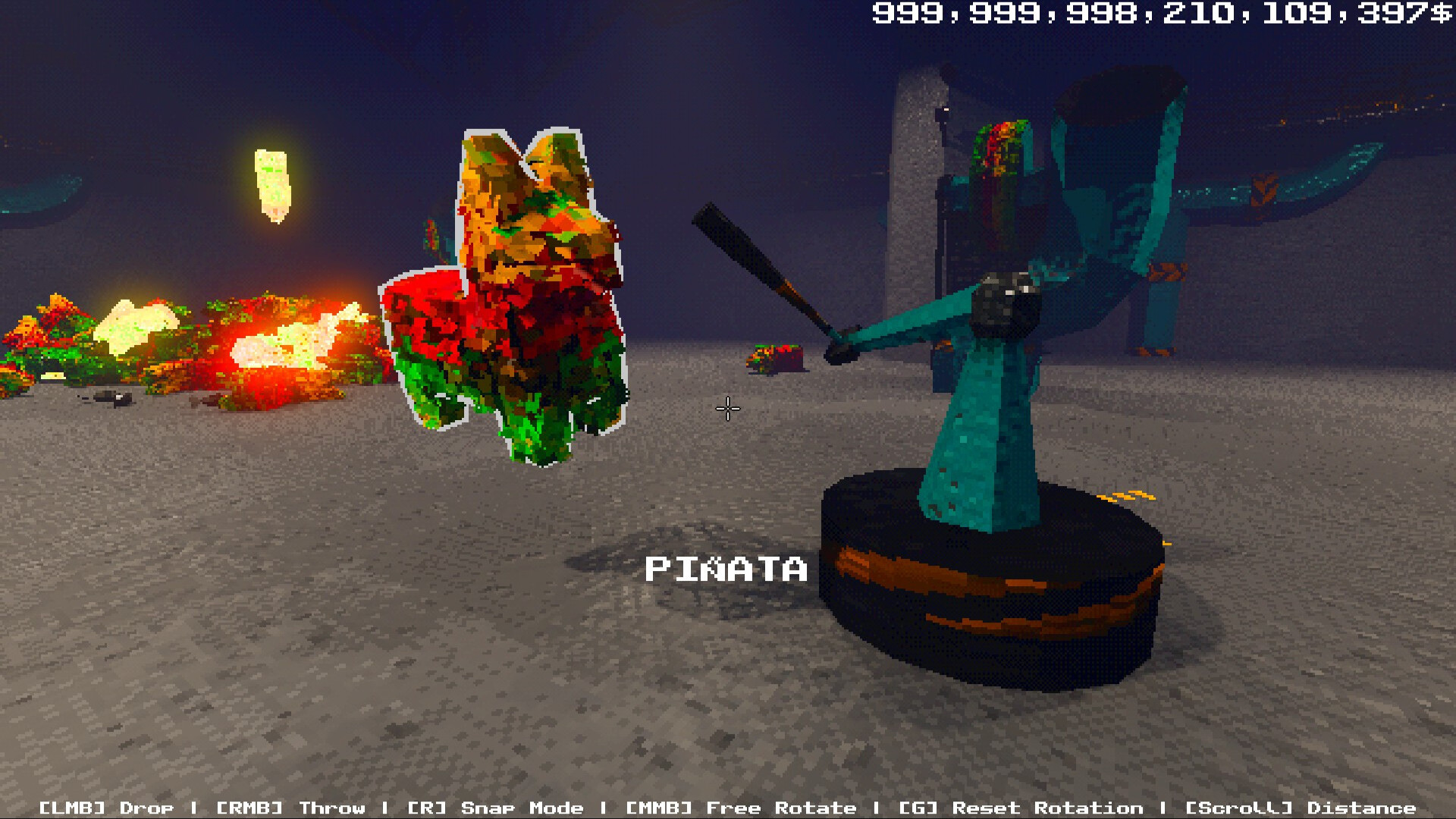
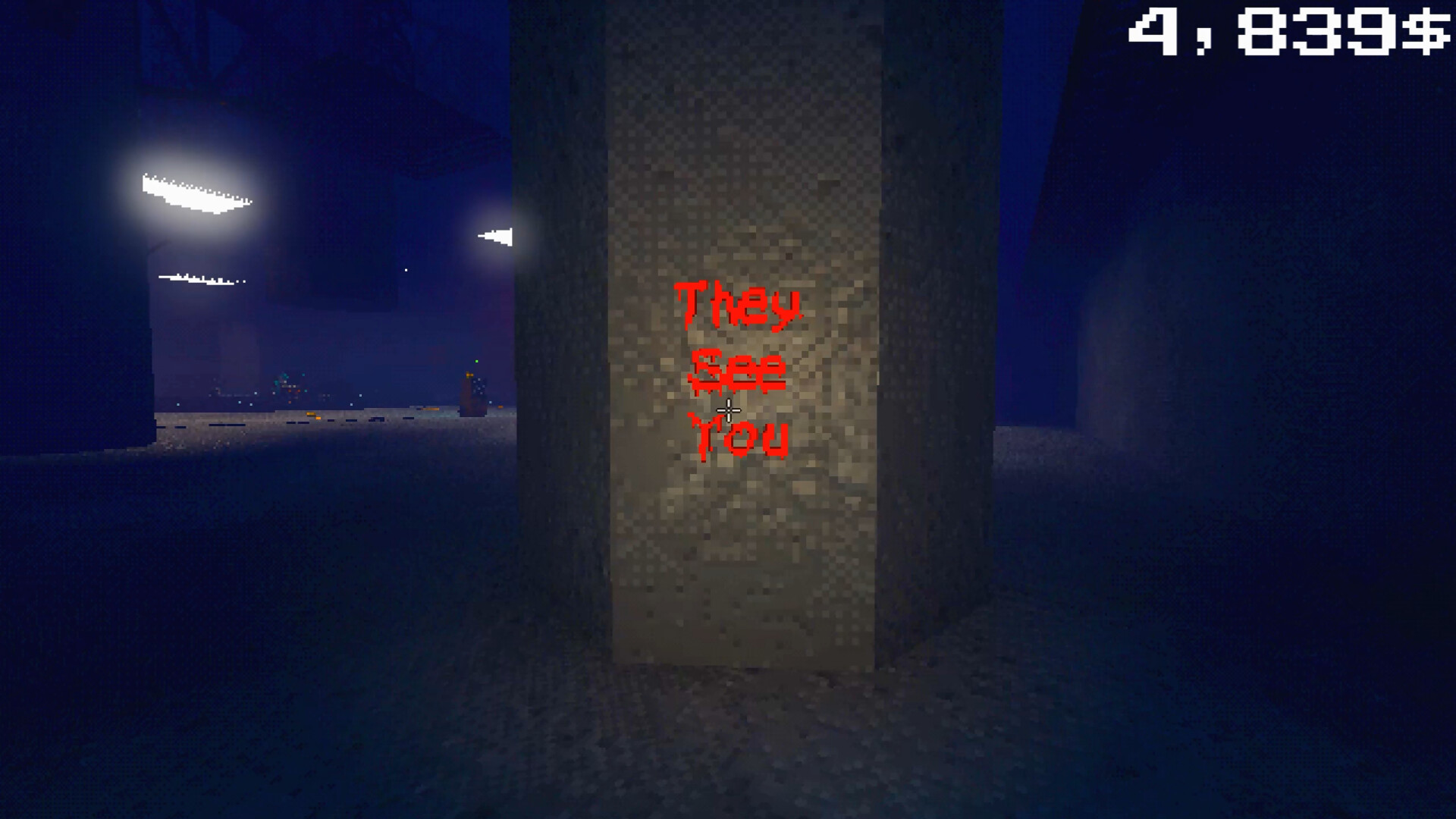
The visual identity is a deliberate throwback: a brutalist PSX-style corporate facility rendered in low-poly first-person, full of surveillance theming, scattered wall text and quiet environmental storytelling about who you actually work for and why the pit exists. Players who enjoy piecing together lore from signage and hidden rooms rather than cutscenes will feel right at home here, and the secret ending in particular seems to land emotionally for people who push through to the credits.
Pacing is clearly front-loaded in the best way: phases 1 and 2 are described as extremely addicting and well-paced, with world-building hooks that pull you forward, while later phases ramp up difficulty and ask you to rethink your builds from scratch. That rising challenge is exactly what optimisation-minded players tend to crave, and it is one of the most consistent things positive reviews agree on.
What early players are seeing
What is landing
- Multiple reviewers highlight the developer as unusually responsive, with one player noting a fast bug fix and calling it impressive how quickly the dev responded, and several others confirming that a frustrating debris problem in phase 3 was patched out after community feedback. For a small indie launch that kind of post-release care is worth a lot, and it is a recurring note across positive reviews rather than a single anecdote.
- Players who stick with it consistently praise the atmosphere and creative freedom, with one reviewer who finished the secret ending writing that they loved the depth, the experience, and especially the freedom and creativity provided by all the off-the-rails tools. Another called it a hidden gem with creative automation lines that feel like you have to cobble a solution together out of bits and bobs instead of being defined by a meta, which is high praise for an automation game at this price point.
- The combo-chasing brain-worm is real and well documented: one player confessed they played for five hours straight optimising cash registers and described the game as like cocaine if you love incrementing-number games, while another joked about developing a duck hoarding problem after discovering combos. That visceral loop satisfaction is the single strongest reason optimisers bounce off this game positively.
What still needs watching
- Several reviewers warn that the manual building is genuinely fiddly, with placement done one panel at a time and no carry or pocket mechanic to move multiple objects, which can turn longer sessions into repetitive running back and forth between shop and build site. One player even reported motion-sickness-style nausea after hours of fast zooming with the mouse, so if you are sensitive to that, this is a real heads-up rather than a theoretical one.
- Later-phase tool design draws mixed reactions: a detailed mixed-leaning review argues that newer tools feel less considered than the early ones, with the last batch described as buggy or outright broken, and that combo bonuses end up dwarfing any value the new tools add. A phase 3 event that destroyed player-built automation and left immovable debris was controversial enough to spawn negative reviews, though the developer has since removed it and several affected players updated their reviews to positive after the patch.
- The narrative arc frustrates some players who come in expecting the satirical setup to pay off as a story: one long review points out that questions about who you work for and why the Maw exists are raised but essentially go unanswered, with the takeaway reduced to a familiar corporations-are-bad message. If you are buying primarily for a sharp scripted satire in the Stanley Parable mould, be aware that at least some players feel the writing underdelivers relative to the premise.
Is Project P.I.T.T. worth buying now?
Current decision
Worth tryingProject P.I.T.T. delivers a genuinely original physics-automation loop with strong comedy, a distinctive PSX-brutalist style, a Steam Deck Verified build and an unusually attentive developer, all at a price that multiple reviewers call a no-brainer, which is why the call is Worth trying rather than a stronger endorsement. The honest caveats are real too: later-phase tools feel uneven to some players, manual building is fiddly without a carry mechanic, and the satire does not fully land for everyone, so it earns a try rather than a blind buy. If the core loop of improvising janky contraptions to feed a hungry pit sounds like your kind of evening, this is exactly the kind of small creative indie worth supporting.
Who this is for
A good fit if you…
- Automation and optimisation fans who specifically enjoy improvising physics-based solutions without conveyor belts, and who like being forced to rethink their builds when new tools unlock.
- Players who love dry corporate-surreal comedy and PSX-style brutalist aesthetics, and who enjoy piecing together environmental lore from signage and hidden corners rather than long cutscenes.
- Steam Deck players looking for a Verified single-player sandbox they can play on the couch in short or long sessions, with full controller support and cloud saves to carry progress between devices.
- Curious incrementals enjoyers who want something stranger than the usual clicker, since the combo-hoarding psychology hits hard according to multiple reviewers who lost hours to it.
- Small-budget supporters who want to back an indie dev with a visible post-launch patch track record and a passionate community already forming around the game.
Wait if you…
- You specifically want a co-op or multiplayer sandbox, since Project P.I.T.T. is single-player only with no listed online mode and no sign of one yet.
- You are highly sensitive to motion sickness or long sessions of fast mouse movement, because at least one reviewer reported nausea after hours of running between build sites and there is no carry mechanic to reduce that travel.
- You are buying primarily for a sharp, fully-explored satirical narrative, since several long-time players feel the story raises interesting questions about corporate consumption and then declines to answer them in a satisfying way.
- You strongly dislike fiddly manual building or janky object placement, because multiple reviews flag one-at-a-time panel placement and imprecise magnet snapping as a real source of frustration, especially on a controller.
If Project P.I.T.T. is not quite your game

SIMILAR OPTION · 30% OFF
Palworld
Choose it ifPick Palworld if you want a multiplayer creature-collection survival experience with combat and a big map; pick Project P.I.T.T. if you prefer a focused single-player physics sandbox with satire, combos and a quirky corporate setting
How it comparesOpen-world sandbox built around collecting things, building structures and managing a growing base Palworld is a wide multiplayer survival-crafting game with creature collecting, combat and base building across a large map, while Project P.I.T.T. is a small, contained single-player comedy puzzle with no creatures, no combat and no open world to roam

SIMILAR OPTION · 75% OFF
ASTRONEER
Choose it ifChoose ASTRONEER if you want a chill, exploration-heavy co-op-capable physics sandbox across multiple planets; choose Project P.I.T.T. if you want a single-player comedy puzzle where the world shrinks but the contraptions get wilder
How it comparesPhysics-driven planetary sandbox where you reshape the environment to progress ASTRONEER is a flatter, more exploration-led terrain-deformation game with interplanetary travel and automation, while Project P.I.T.T. keeps you in one corporate building with a much smaller map, a satirical story and a tighter combo-and-throughput loop that asks you to chase escalating payouts rather than explore new worlds

SIMILAR OPTION · 50% OFF
The Planet Crafter
Choose it ifPick The Planet Crafter if you want a calm survival-crafting arc to chip away at over many sessions; pick Project P.I.T.T. if you want a sharper, funnier, more puzzle-shaped sandbox with a clear escalating loop
How it comparesSolo-friendly crafting and base-building sandbox with a gradually expanding goal loop The Planet Crafter is a slower, more meditative terraforming survival game focused on raising oxygen, heat and pressure across a single open world, whereas Project P.I.T.T. is a tighter, comedy-driven physics puzzler set inside one brutalist facility where the central verb is improvising contraptions to feed a pit
Share this article