NEW ON STEAM
Stella Sora

At a glance
Stella Sora game facts
Steam store information checked 2026-10-22。- Studio
- YOSTAR HONG KONG LIMITED Published by YOSTAR HONG KONG LIMITED
- Release
- Oct 19, 2026 Released
- Official genres
- Action · Adventure · RPG · Free To Play
- Play mode
- Single-player
- Native online multiplayer
- Not listed by Steam
- Local multiplayer
- Not listed by Steam
- Shared/split screen
- Not listed by Steam
- Desktop platforms
- Windows
- Steam Deck
- Unknown No additional compatibility detail
- Controller
- Not listed
- Steam features
- Family Sharing
- Languages
- 3 listed languages English, Japanese, Simplified Chinese
| Language | Interface | Full audio | Subtitles |
|---|---|---|---|
| English | Supported | Not listed | Supported |
| Japanese | Not listed | Supported | Not listed |
| Simplified Chinese | Not listed | Supported | Not listed |
What that means for your setupStella Sora is a Windows free-to-play light-action fantasy RPG from YOSTAR HONG KONG LIMITED, which is also its publisher. It is listed as released on Oct 19, 2026, has Action, Adventure, RPG, and Free To Play genres, and supports single-player play; generic multiplayer, online PvP, online Co-op, and shared-screen modes are not listed. English has an English interface and subtitles but no full audio listed, while Japanese and Simplified Chinese have full audio but no English interface or subtitles listed. Controller support is not listed. Family Sharing is available. Deck support and any additional compatibility detail are unknown, so this review does not infer them. Its price is listed as unknown rather than free outright; official positioning still describes it as free-to-play.
The strongest appeal is the combination of expressive visual-novel storytelling and a build-focused roguelike loop: form a Trekker squad, enter Monolith labyrinths, collect power-ups, and turn a successful run into records for tougher content. Branching choices can even change the ending, while Heartlink dates, gifts, Tower decorating, and casual minigames provide gentler interludes. The catch is equally important: combat modes remain underdeveloped for some players, progression can become repetitive or grind-heavy, and leaderboard events demand much stronger optimization than ordinary story and farming play.
What the game actually feels like
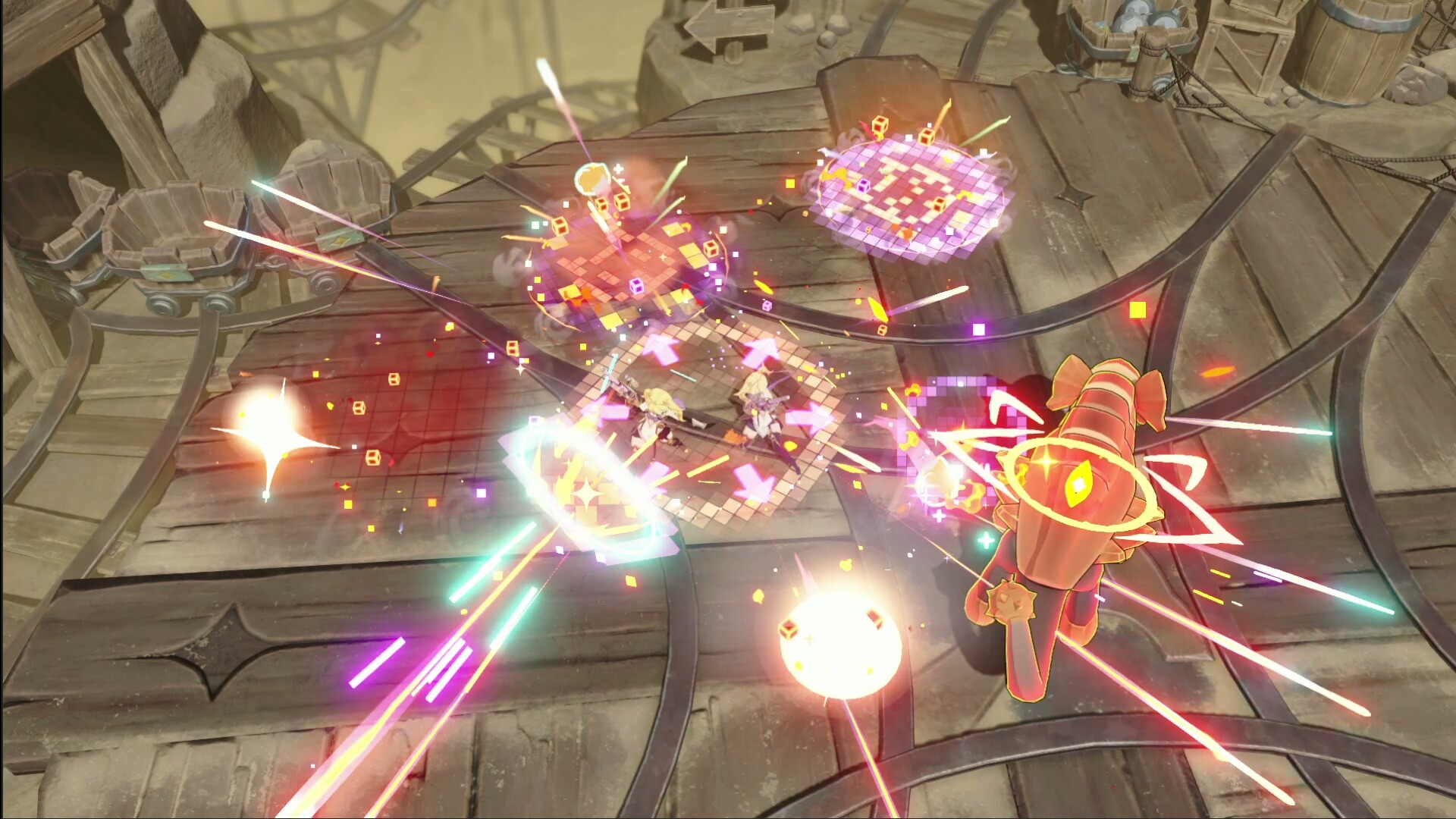
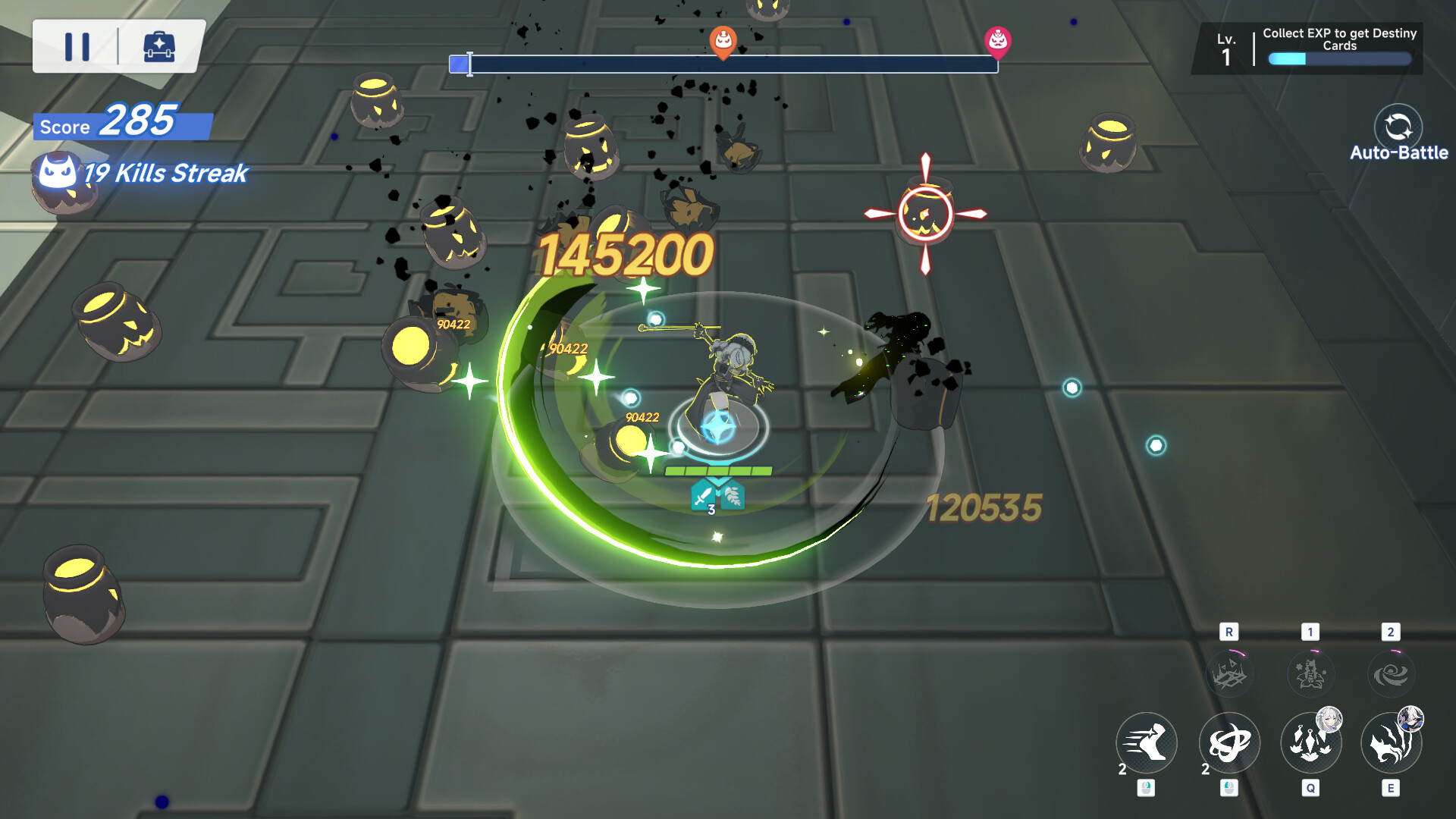
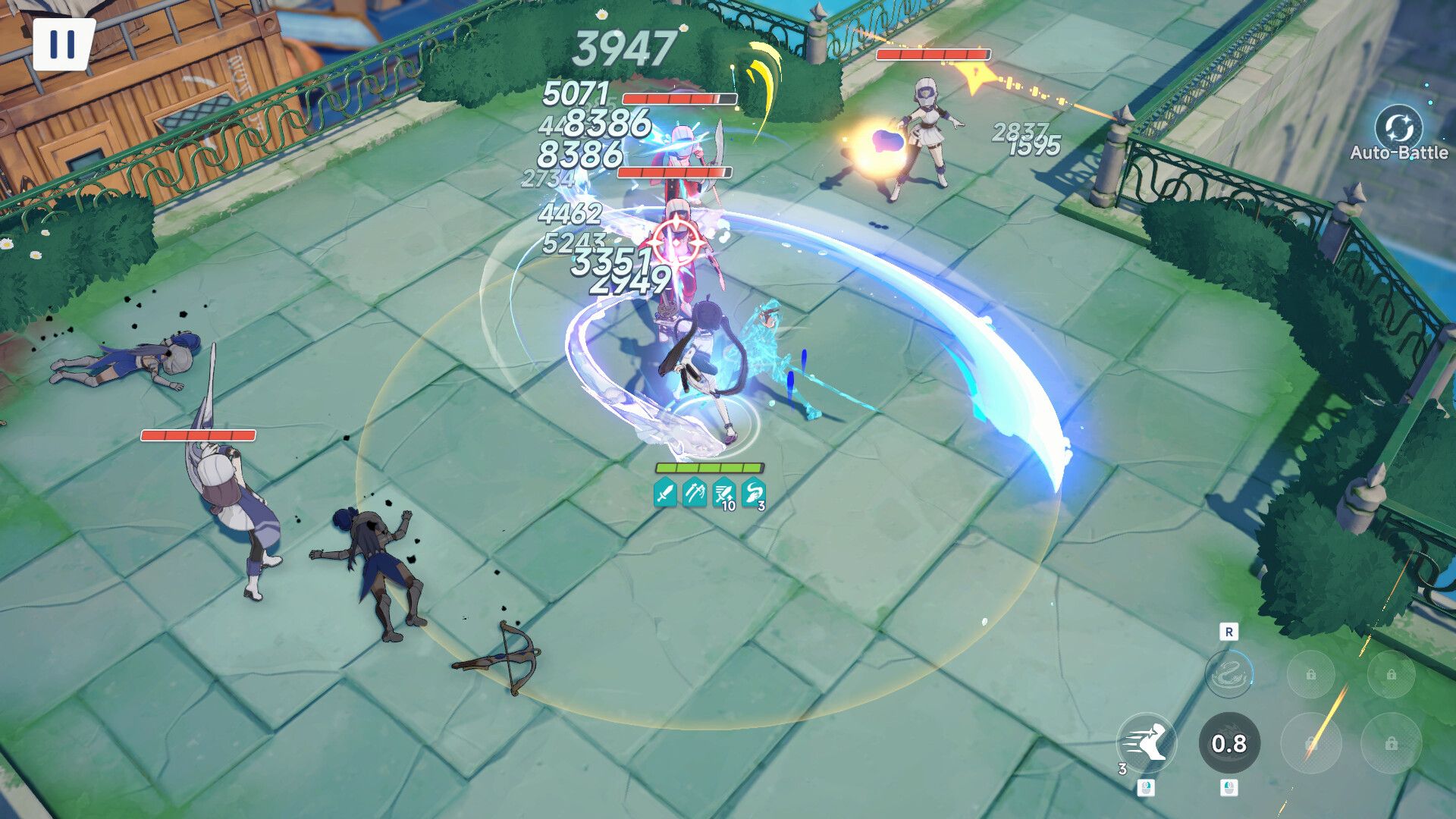
Combat centers on top-down, squad-based action and constructing a Trekker build. In Ascension-style Monolith runs, players start from a limited setup, move through varied floors and encounters, collect power-ups, and use the resulting records elsewhere. That gives ordinary battles a preparation layer, although multiple reviews still describe the underlying combat modes as underdeveloped or repetitive.
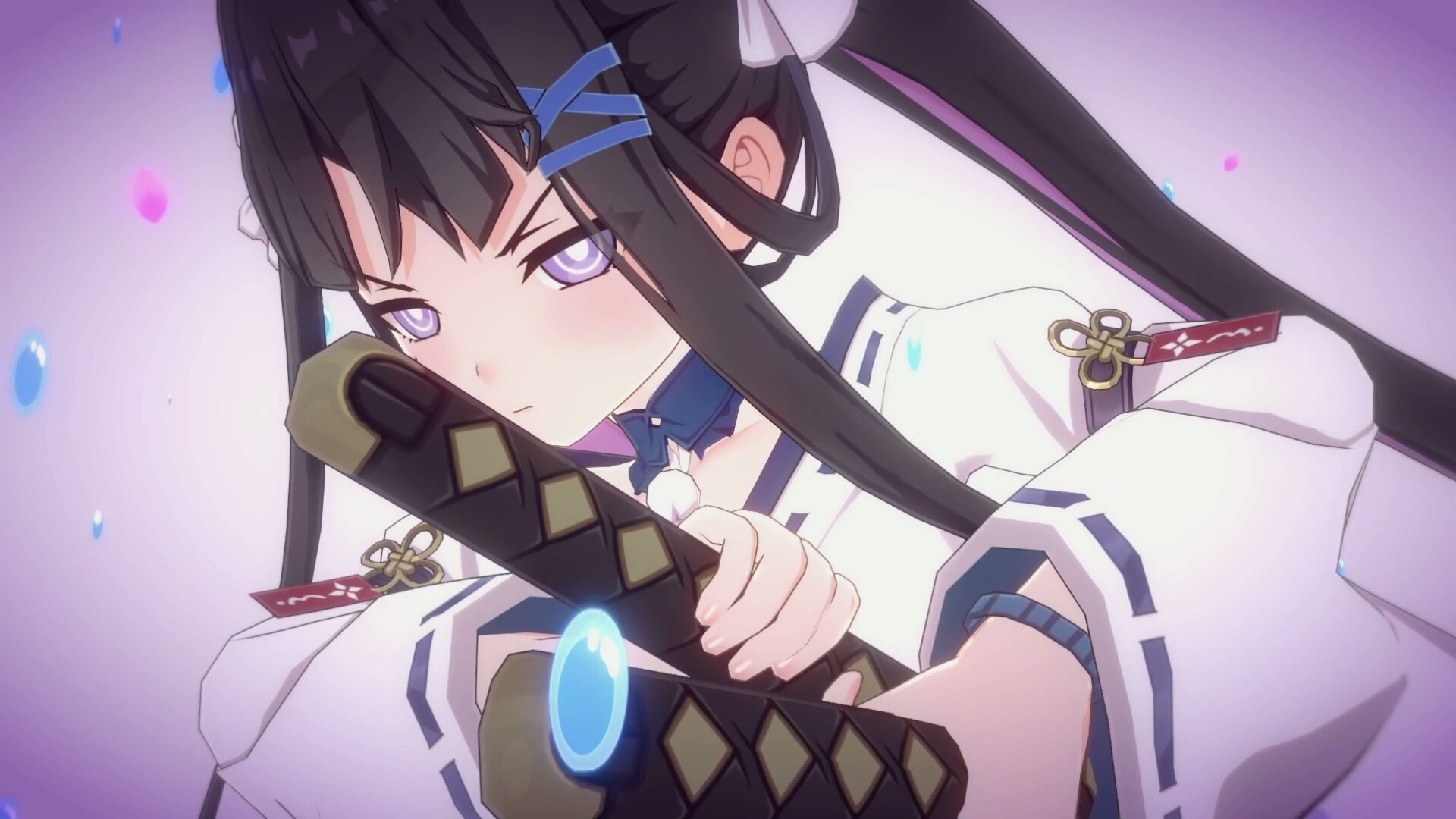
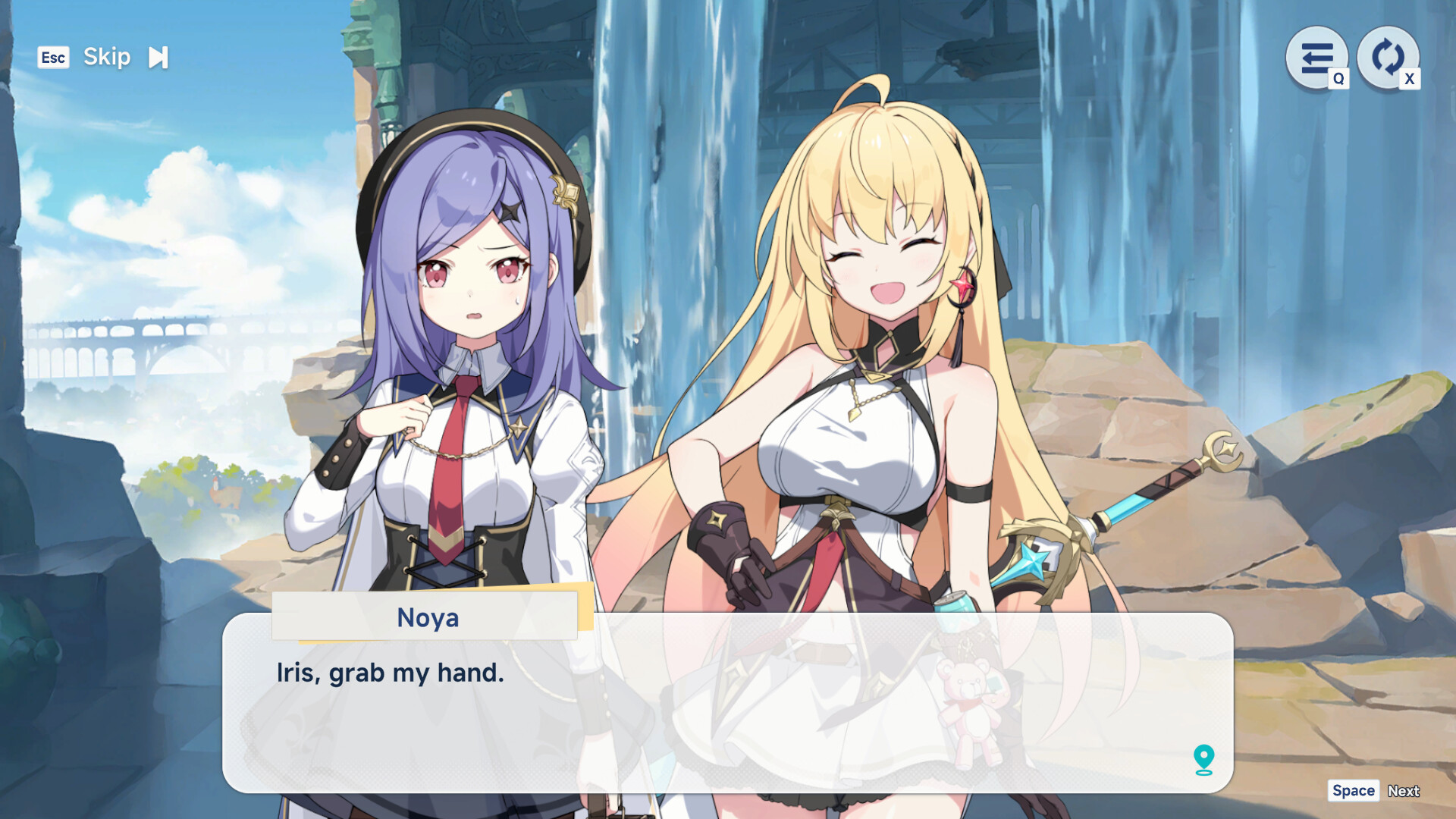
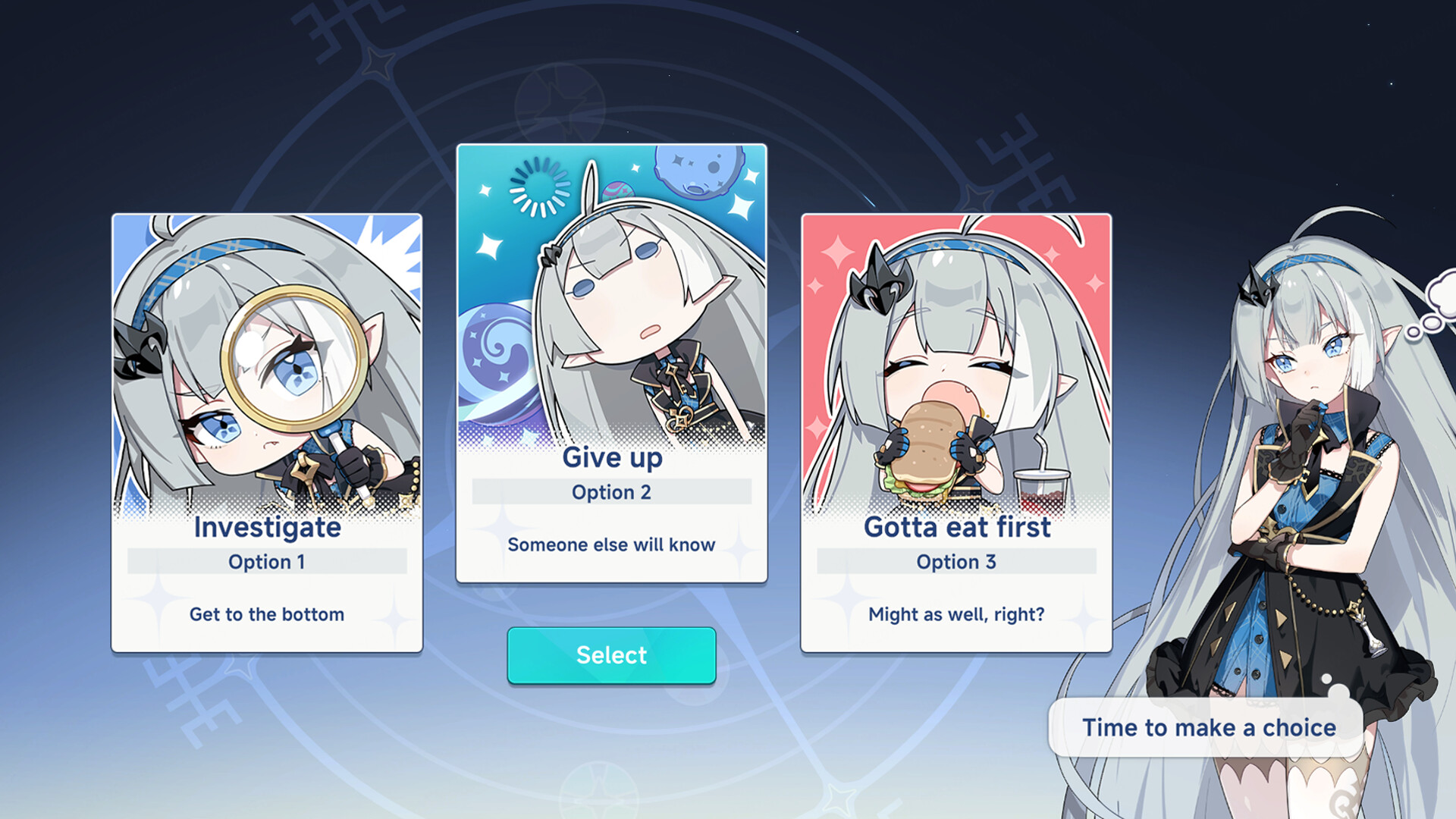
The story is a major reason to remain engaged. Official features include branching choices with consequences, possible changes to the ending, and Heartlink conversations, dates, gifts, and private side stories. Distinct player reviews particularly praise the animated visual-novel presentation, expressive scenes, music, darker turns, and bad endings that make choices feel consequential.
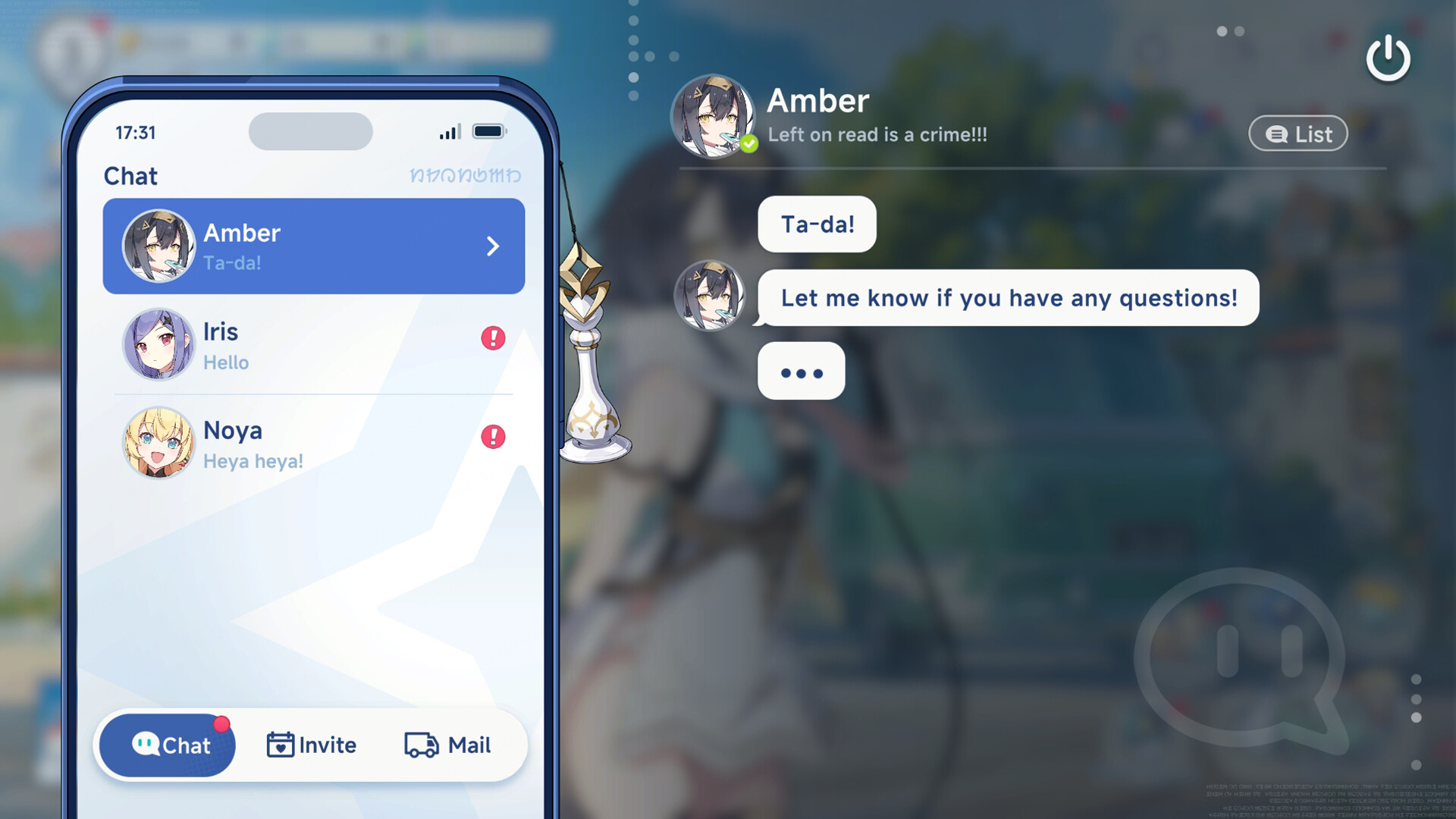
A light social rhythm surrounds the adventures without native online multiplayer being listed. Tyrant's Tower offers a customizable home for the player and guild, while casual minigames range from familiar Breakout- and Angry Birds-style ideas to tower defense and Balatro-like play. These systems serve as readable breaks between expeditions rather than a competitive social core.
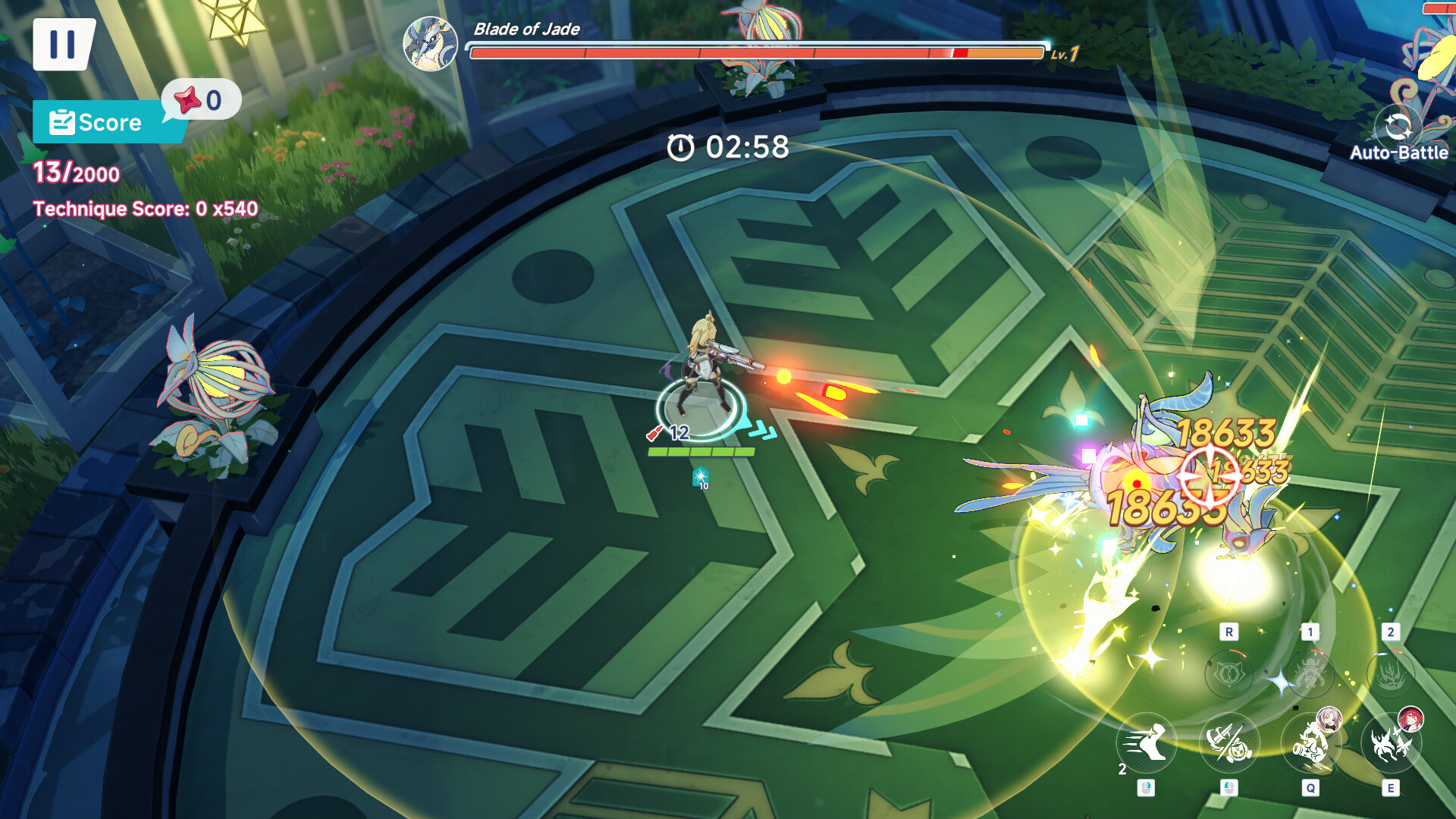
Progression spans farming stages, weekly bosses, rotating arenas, seasonal events, leaderboards, records, character and Disc upgrades, and optional challenging modes. The wide activity list can create clear goals for dedicated players, but reviews also report material shortages, emblem-stat grinding, strict perfect-record demands, and diminishing variety once the main systems are understood.
What early players are seeing
What is landing
- A detailed player account of the gacha calls the 2% base five-star rate average rather than exceptional, but praises the non-resetting off-rate pity, a usable 120-pull spark, independent hard pity, and duplicate-to-currency rebates. The same reviewer says resource gains can be steady enough for dedicated players, while warning that 36,000 currency remains a meaningful commitment and the rebate benefits mature as the roster grows.
- Players repeatedly highlight quick daily routines: three reviews independently describe them as around one to two minutes or less than five minutes. That makes the game easier to sample and maintain for players who dislike live-service chores, although one long-time reviewer also notes limited flexibility and a roguelike loop that can become tedious.
- The clearest early praise is for presentation: reviewers cite colorful character art, varied and pleasant music, expressive animated story scenes, clean event-specific interfaces, and branching stories. One reviewer says chapter themes and sound help the presentation feel closer to a premium visual novel, though that remains an individual judgment rather than a guaranteed consensus.
- A 93 review score across 157 supplied reviews supports strong early reception, but the most useful praise is specific rather than numerical: short dailies, accessible ordinary content, generous events for some free-to-play players, and Monoliths being energy-free. The same evidence includes complaints about repetitive combat, grind, signature Disc gacha, and leaderboard optimization.
What still needs watching
- Combat breadth is the clearest purchase-relevant weakness. Distinct reviews call modes underdeveloped, gameplay repetitive, flexibility limited, and the roguelike loop tedious; appealing minigames do not change that the core squad action may not sustain players seeking varied challenges.
- Progression can demand disproportionate effort after the story. Reviews report inadequate Disc and boss materials, emblem rolls that are frustrating to target, harsh perfect-record requirements, and leaderboards better suited to heavy spenders or extreme grinders. Ordinary farming is reported as more forgiving, so the risk is highest for mastery-focused players.
- The free-to-play economy has conflicting early experiences. One detailed account praises its recovery systems and steady dedicated-player income, while another remembers steep pull costs, depleted resources, and strong reliance on time-limited events. Because a reviewer also calls the economy volatile between patches, budget for live-service changes rather than treating current income as permanent.
Is Stella Sora worth buying now?
Current decision
Worth tryingThe evidence supports a trial for players who prioritize story, characters, music, customization, and a light daily schedule over deep combat variety. Its branching visual-novel presentation, Heartlink relationships, Monolith records, and optional leaderboard challenges create a clear identity, and free entry lowers the cost of learning whether that identity appeals. Approach it as a story-led live-service RPG, not as a demanding action roguelike: check current rates and banners, set a spending ceiling, and expect some modes and endgame objectives to be repetitive or grindy.
Who this is for
A good fit if you…
- Players who want branching fantasy stories with visual-novel presentation, character relationships, dates, gifts, and endings affected by choices.
- Free-to-play RPG fans who prefer short daily routines and can manage live-service progression without expecting every activity to offer flexible combat.
- Collectors who enjoy character and Disc gacha, varied music attached to equipment, customizable Tower spaces, and optional leaderboard challenges.
- Players who want to sample a supported Windows release casually, especially when a short routine and a strong narrative are more important than a large multiplayer community.
Wait if you…
- You need deep, constantly varied squad combat, robust buildcrafting, or replayability primarily from action mechanics rather than story and collection.
- You dislike randomized upgrade stats, repeated farming, emblem or perfect-record grinding, or time-limited ranking events that demand near-perfect execution.
- You want confirmed controller support, multilingual voice coverage with the listed interface and audio combinations, multiplayer, or clear Steam Deck compatibility before buying.
- You need a fixed, itemized Steam price or package contents; both remain unknown in the supplied store facts.
If Stella Sora is not quite your game
SIMILAR OPTION
HELLDIVERS™ 2
Choose it ifChoose HELLDIVERS 2 for cooperative firearm chaos and squad tactics; choose Stella Sora for solo character stories, gacha, and build records.
How it comparesBoth are Windows action games featuring squad-focused combat, event challenges, bosses, and optional leaderboard competition. HELLDIVERS 2 is a third-person cooperative shooter centered on friendly fire, coordinated objectives, and large-scale war, while Stella Sora is single-player, top-down, squad-based, build-oriented, and story-focused; native multiplayer is not listed for Stella Sora.
SIMILAR OPTION
Risk of Rain 2
Choose it ifChoose Risk of Rain 2 for action-first horde survival and build experimentation; choose Stella Sora for narrative, relationships, and a gentler live-service routine.
How it comparesBoth pair build progression with repeated runs, collectible character systems, and challenges that reward improving a run over time. Risk of Rain 2 emphasizes continuous movement, enemy hordes, survivors, and moment-to-moment shooting, while Stella Sora uses top-down squad combat, records, fantasy stories, character collecting, and more structured light-action objectives.
SIMILAR OPTION
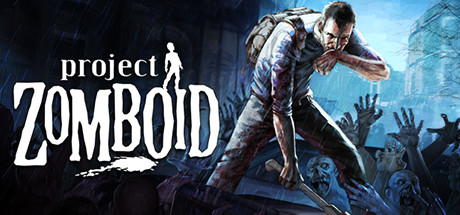
Project Zomboid
Choose it ifChoose Project Zomboid for player-driven survival scenarios; choose Stella Sora for authored fantasy drama and collection-focused adventures.
How it comparesBoth support single-player RPG progression, crafting or character development, sandbox-style objectives, and customizable spaces. Project Zomboid centers on emergent zombie-survival planning and extensive sandbox simulation, whereas Stella Sora centers on authored branching stories, gacha collection, Monolith records, events, and minigames.
Share this article