Ebola-exposed humanitarian worker under monitoring in London

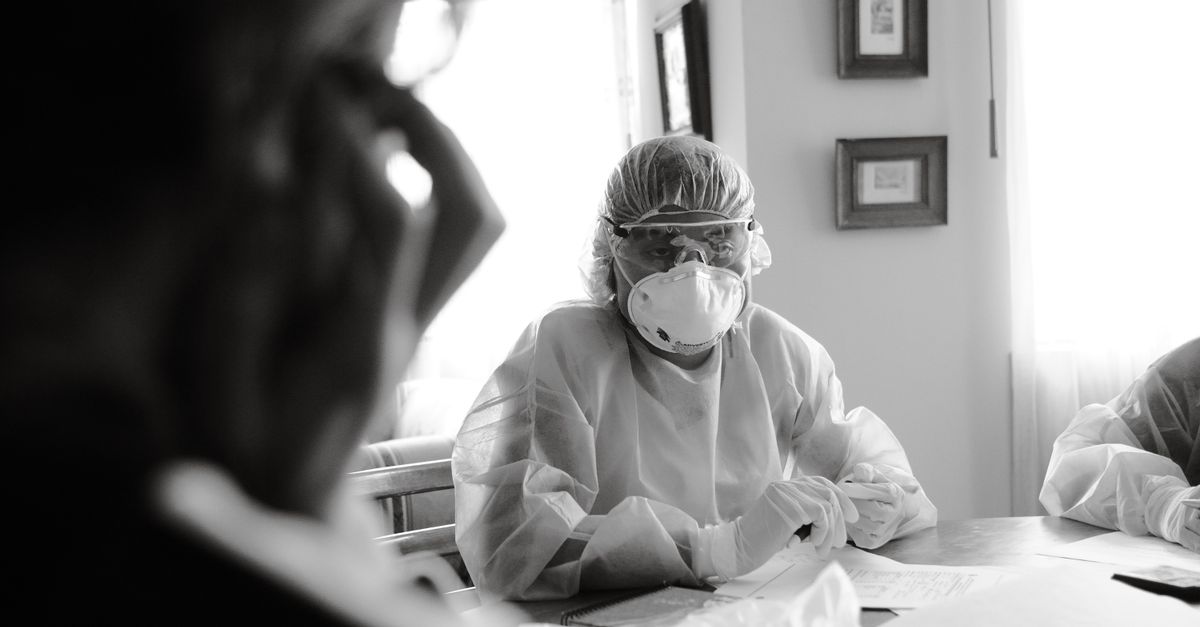
A UK resident who sustained a potential healthcare-related exposure to Ebola while working with a humanitarian organisation supporting the outbreak response in the Democratic Republic of Congo has been medically evacuated to a London hospital for precautionary monitoring, the UK Health Security Agency (UKHSA) said on 22 July 2026. The individual has no symptoms, and the transfer is described as an abundance of caution. The Royal Free Hospital in north London, which houses the country's primary high-consequence infectious diseases unit, is expected to handle the case, though the specific hospital has not been officially named. UKHSA said the worker will be required to isolate throughout the incubation period, which ranges from two to 21 days.
UKHSA's director of epidemic and emerging infections, Richard Pebody, said the risk to the general public remains low and confirmed there are currently no confirmed cases of Ebola in the UK. The agency noted that three healthcare workers returning from West Africa were treated in the UK between 2014 and 2015, all of whom recovered with no onward transmission. According to the World Health Organization, as of 19 July the DRC government had recorded 2,423 confirmed Ebola cases and 967 deaths since the outbreak was declared in mid-May, with WHO Director-General Dr Tedros Adhanom Ghebreyesus describing the event as the country's third-worst on record. The outbreak is caused by the Bundibugyo species of Ebola, for which there is currently no vaccine, although several candidates are in development.
Trump administration unveils 100% tariff plan for generic drugs
US President Donald Trump announced that imported generic medicines will face a 100% tariff starting in August 2028 unless manufacturers relocate production to the United States, with the levy set to double to 200% a year later. The announcement, made via Truth Social, gives generic drugmakers two years to build domestic manufacturing capacity. The proposal complements previously announced duties of up to 100% on certain patented medicines, although several major exceptions are expected. The initiative builds on a national security investigation into pharmaceutical imports launched by the administration in April 2025 under Section 232 of the Trade Expansion Act.
Merck & Co. and Eli Lilly & Co. have already reached agreements with the Trump administration to avoid some of the proposed patented-medicine tariffs, while generic manufacturers face fewer alternatives. Generic drugmakers typically operate on narrow margins and rely on global production networks, making it more difficult to absorb higher import costs. Richard Saynor, chief executive of Swiss generic drugmaker Sandoz Group AG, warned last year that higher US tariffs were likely to increase medicine prices and reduce patient access.
India positioned as primary target of the generic drug proposal
India, the largest supplier of generic medicines to the United States, faces the most significant exposure to the proposed tariffs. According to India's Commerce Ministry, pharmaceutical exports to the US were worth $10.5bn during the 2024-25 financial year, making the sector one of India's three largest exports to the American market. Bloomberg reported that pharmaceutical tariffs could affect more than 40% of India's exports to the US, adding to existing duties on steel, aluminium and automobiles. A February trade agreement between Washington and New Delhi stated that India would "receive negotiated outcomes with respect to generic pharmaceuticals and ingredients," though it remains unclear how much of the proposed tariff would ultimately apply to Indian generic medicines.
Earlier Bloomberg analysis using Symphony Health data found that oral contraceptives, blood pressure medicines and antidepressants could be among the most affected products. Around 65% of all birth control pill prescriptions dispensed in the United States in 2024 were manufactured by two Indian companies, Glenmark Pharmaceuticals and Lupin. Teva Pharmaceutical Industries and Viatris are among other major generic manufacturers with significant production bases outside the United States, including in Canada and Austria.
Samsung launches AI-powered Health Assistant beta in the US
Samsung has begun rolling out a beta of what it describes as its first full-fledged AI-enabled personal health assistant within Samsung Health for eligible users in the United States. The assistant analyses data across five wellness pillars — sleep, activity, nutrition, mindfulness and vitals — and combines these datasets to identify patterns and interrelationships rather than displaying isolated metrics. For example, the assistant can explain how poor sleep affects daytime performance or how a new exercise routine influences other health indicators. Samsung said the advice has been validated by a panel of physicians and health coaches and is intended to motivate healthier lifestyle practices rather than replace medical guidance.
Future versions are expected to add AI-based coaching for behaviour change, weight management and a Personal Data Engine that incorporates user schedules, preferences and habits. Samsung positions the Health Assistant as a central element of its Connected Care initiative, which links personal wellness trackers with broader healthcare services.
Next milestones
UK health authorities will monitor the evacuated worker through the end of the 21-day incubation window. The US generic drug tariff timeline is anchored to August 2028 for the initial 100% levy, with the rate doubling a year later if manufacturers do not reshore production. Samsung plans to expand its AI Health Assistant beta and add AI coaching features and the Personal Data Engine in subsequent updates.
PLACES IN THIS STORY
Explore the destinations behind this report
United Kingdom
London
Browse travel guides, places to stay, attractions and local food in London.
Explore London →Things to Do in London in July 2026: Weather, Events & Travel TipsShare this article