Lithium Prices Sink on Oversupply Fears

The most active lithium carbonate contract on the Guangzhou Futures Exchange fell to 136,800 yuan ($20,210) per tonne on Wednesday, nearly 30% below multi-year highs reached in mid-May. The downturn is linked to a wave of accelerating mine restarts and expansions across China and Australia, which has triggered fears of a significant global supply surplus. Despite the bearish outlook, analysts note that global EV sales continue to climb, with projections of 23 to 24 million electric cars sold worldwide in the current year, accounting for over 70% of total battery deployment. Electric cars now represent nearly 30% of all new vehicle registrations globally, a massive increase from prior years, providing long-term demand support alongside AI-driven data centers and battery storage deployment.
Chinese and Australian Producers Bring Idled Capacity Back Online
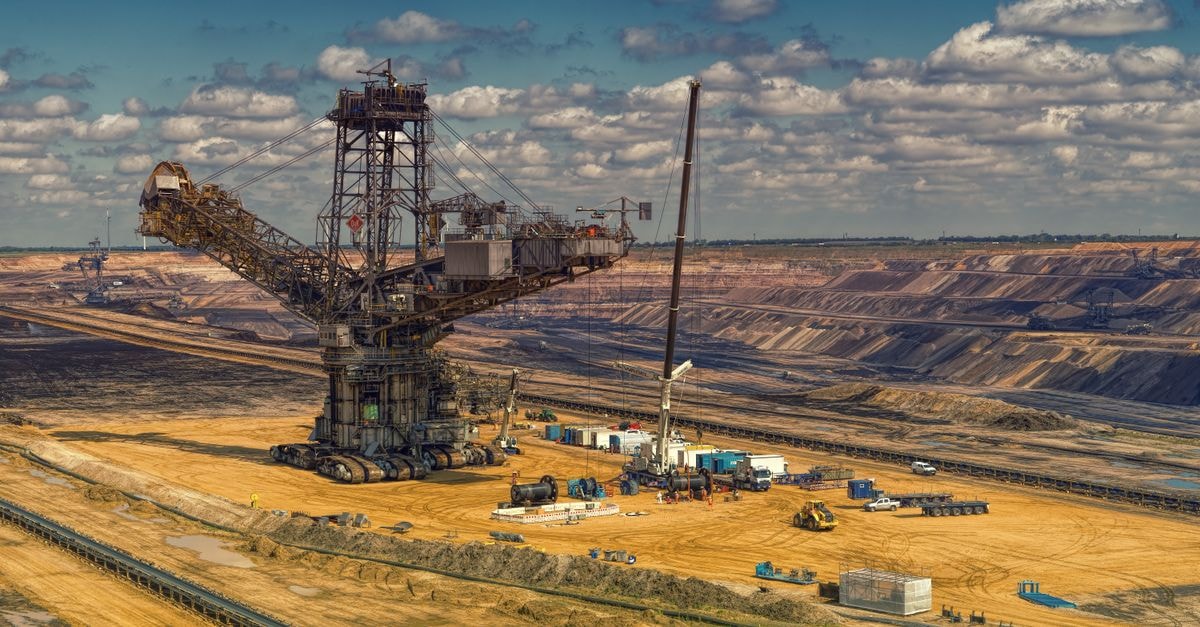
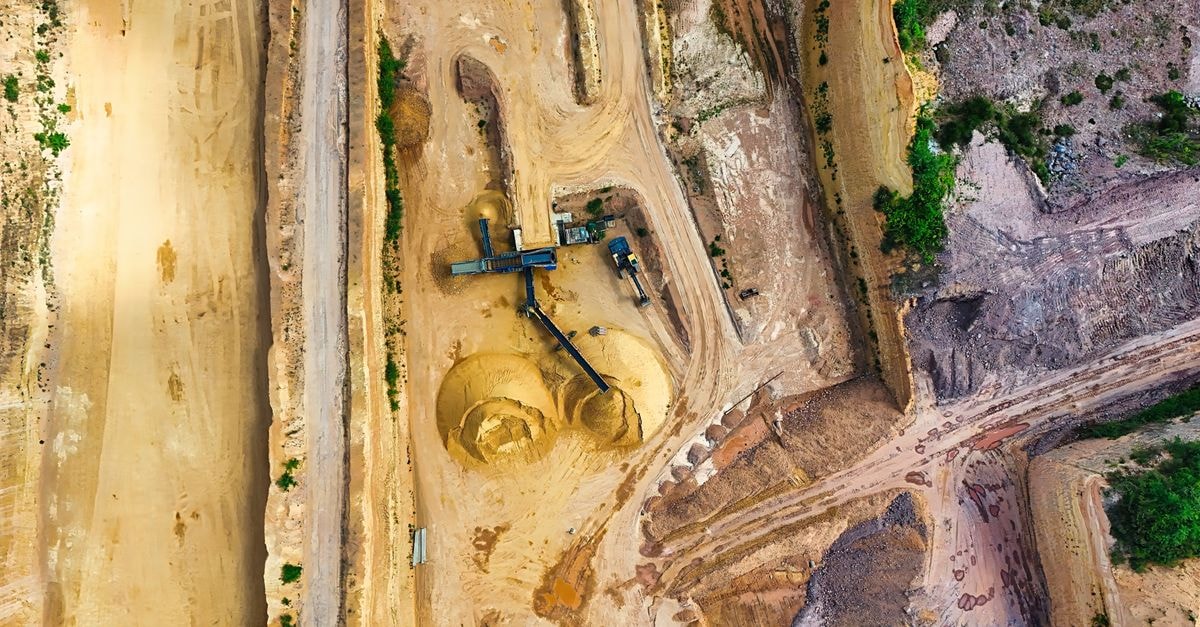
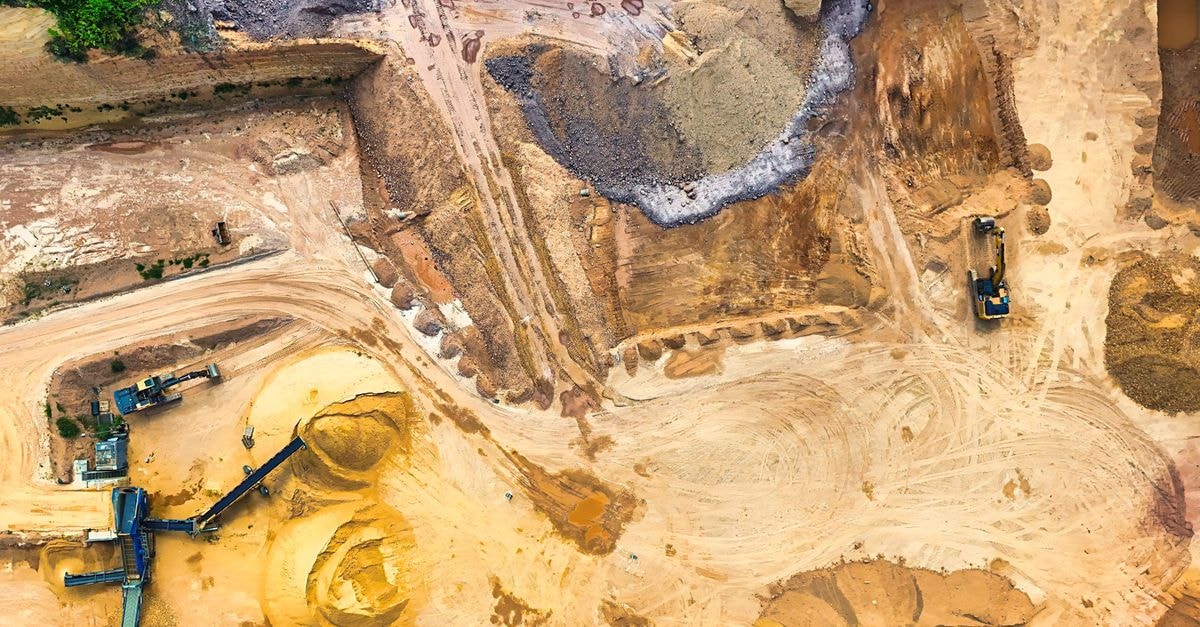
Last month, China's EV battery giant Contemporary Amperex Technology Co. (CATL) secured a safety production permit for its flagship Jianxiawo lithium mine in Yichun, clearing the final regulatory hurdle to restart production after a nearly one-year suspension. The mine was suspended in August 2025 after its operating license expired during a broader regulatory crackdown on environmental compliance, waste management and tailings safety in Yichun, China's largest lithium mining hub. The project contains an estimated 960 million tonnes of porcelain stone ore, capable of producing 100,000 to 150,000 tonnes of lithium carbonate equivalent (LCE) annually, and at full production would supply roughly 3% of global lithium output. In Australia, Mineral Resources (MinRes) restarted its wholly owned Bald Hill mine in May after placing it on care and maintenance in November 2024, and the company has also restarted the much larger Wodgina mine, jointly owned with Albemarle Corp., which has nameplate capacity of 750,000 to 828,000 tonnes of spodumene concentrate per year. MinRes and China's Ganfeng Lithium are spending A$490 million to expand the Mt Marion mine's processing capacity from 500,000 to 600,000 tonnes of spodumene annually. Core Lithium also restarted mining at its Finniss Lithium Operation in Australia's Northern Territory after a two-year hiatus, backed by a $290 million financing package, with a target of reaching 214,000 tonnes per annum of spodumene concentrate by mid-2028. Global lithium production is projected to grow 26% year-on-year to reach 2.16 million tons in 2026 and 27% in 2027, with output climbing to 4.02 million tons by 2029.
Zimbabwe Opens Dedicated Lithium Rail Corridor to Maputo
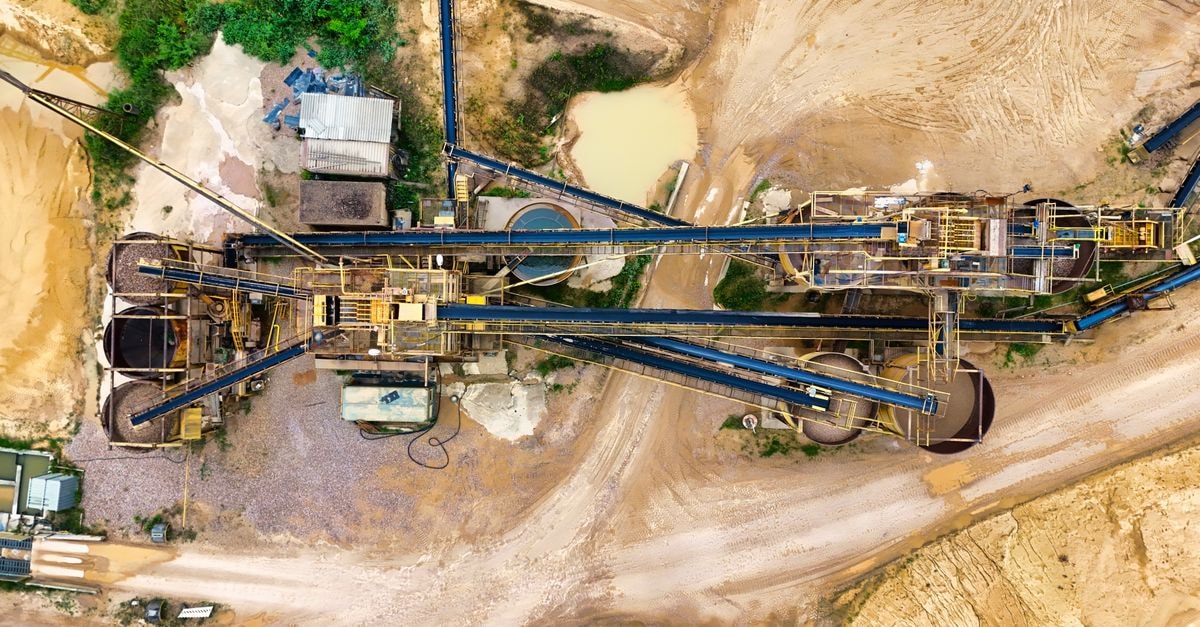
Zimbabwe launched a dedicated rail corridor connecting its mining regions to Mozambique's Port of Maputo, with the state-owned National Railways of Zimbabwe, Beitbridge Bulawayo Railway (a subsidiary of Grindrod), and logistics specialist Silvergill transporting an initial 1,000 metric tonnes of lithium concentrate from Tsingshan Holding Group's Gwanda Lithium Mine. The nearly 1,000-kilometre route extends from Gwanda via Beitbridge and the Chicualacuala border crossing to Maputo, offering a strategic alternative to long-standing dependence on road transport. Authorities have confirmed that exports of raw lithium concentrate will be prohibited from January 2027, requiring mining companies to undertake additional processing within Zimbabwe, with industry and government projections indicating the country could export approximately 344,000 tonnes of processed lithium chemicals annually by 2030. Chinese mining companies including Tsingshan, Zhejiang Huayou Cobalt, Sinomine Resource Group, Sichuan Yahua Industrial Group and Chengxin Lithium have committed billions of dollars to Zimbabwean lithium mines and downstream projects since 2021.
DRC Issues First Lithium Export Certification at Manono Project
On July 22, the DRC's Centre d'Evaluation, d'Expertise et de Certification des Substances Minérales (CEEC) completed the full set of compliance certifications for the first batch of lithium concentrates exported from Zijin Mining's Manono Lithium Project. The certification marks the first time official export certification documents have been issued for lithium products since the DRC began mining export regulation, with the batch shipped from Kalemi Port in Tanganyika Province. Christian Kitungwa, the Governor of Tanganyika Province, attended the certification ceremony and dispatch, stating that the export is a landmark node in the diversified development of the DRC's mining industry. The Manono mineral processing facilities were put into operation ahead of schedule in May 2026, with the trial export of the first batch of lithium concentrates launched in June.
California Salton Sea Emerges as a Potential US Lithium Source
A US Department of Energy fact sheet, citing research led by Lawrence Berkeley National Laboratory scientist Patrick Dobson, estimates that the ground under California's Salton Sea holds lithium reserves of 3.4 million tons on the high-end projection, with a more conservative estimate of 2.6 million metric tons. The Energy Department has stated that this resource could eventually help the US meet or exceed the world's demand for lithium for decades. Since 2004, the Salton Sea geothermal field has been producing about 120 million metric tons of brine per year, containing approximately 198 parts per million of lithium, with the known reservoir believed to hold 4.1 million metric tons of LCE, or up to 18 million metric tons under more optimistic assumptions. The US Geological Survey's 2024 report notes that more than 90% of US lithium imports come from Argentina and Chile, with a tiny remaining share from China, requiring direct lithium extraction technology to make the domestic resource economically viable. Under this technology, approximately 127,000 metric tons of LCE could be extracted each year using existing infrastructure with significantly reduced water consumption. The International Energy Agency has projected that global demand for lithium could grow more than 40 times larger by 2040 if the world meets its clean energy goals. The Zimbabwe ban on raw lithium concentrate exports takes effect January 2027, which authorities and industry projections say will be a key milestone for African downstream processing capacity.
Share this article