Coal India's July production and offtake

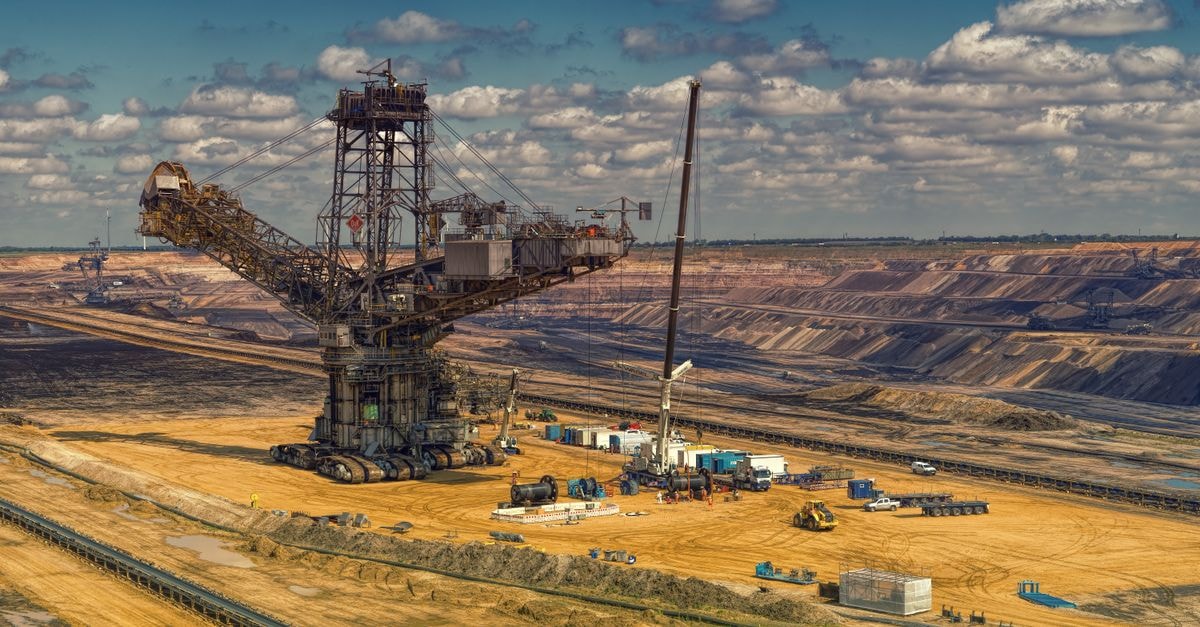
State-owned Coal India Ltd said production grew 8.4% year-on-year to 50.36 million tonnes in July, even as monsoon rains complicated mining activity. The company accounts for more than 80% of India's domestic coal output. Coal supplies rose 18.38% to 64.19 million tonnes during the month, which Coal India described as the highest-ever July offtake in any financial year, surpassing the 60.5 million tonnes recorded in FY 2024-25.
Cumulative supplies during April–July FY27 reached 262.04 million tonnes, up 6.9% over the year-ago period and the highest first-four-months volume on record. Coal supplies to the power sector, the company's largest consumer segment, also grew 18%.
Subsidiary performance diverges sharply
Provisional data from Coal India's subsidiaries showed wide variance across regions. Central Coalfields Ltd posted the steepest growth at 56.9%, producing 5.9 million tonnes, while Eastern Coalfields Ltd grew 34.1% to 3.6 million tonnes. South Eastern Coalfields Ltd and Western Coalfields Ltd logged increases of 17.5% and 15.5% respectively, but Mahanadi Coalfields Ltd recorded a 10.7% decline in July.
On a cumulative April–July basis, CCL grew 18.7% but Northern Coalfields Ltd and MCL each posted double-digit declines. The cumulative figures left Coal India's overall production at 220.0 million tonnes for the period, down 4.3% from 229.8 million tonnes a year earlier.
IEEFA report examines methane from coking coal mines
A new Institute for Energy Economics and Financial Analysis report, drawing on the International Energy Agency's Global Methane Tracker 2026, estimated that India's coking coal mining operations emitted approximately 234.7 kilotonnes of methane in 2025. Methane intensity was put at 5.1 kilograms per tonne of coal equivalent, roughly 50% higher than for steam coal mining.
The report found that seven of India's 30 operating coking coal mines account for 81% of total methane emissions, with nearly all of the highest-emitting sites concentrated in Jharkhand. It estimated that about 87% of abatable coal-mine methane emissions could be cut for under USD 20 per tonne of carbon dioxide equivalent, and argued that financing is not the principal barrier to action. Tata Steel has completed a pilot injecting coal-bed methane into a blast furnace at its Jamshedpur plant, while Coal India subsidiary Bharat Coking Coal Limited was identified as a focal point for future mitigation.
Assam floods renew focus on mining activity
The All Assam Students' Union called for a high-level inquiry into coal mining in Nagaland's Naga Hills and stone mining along the Assam stretch of the Dikhow River, citing the July 19 flash floods in Upper Assam. General secretary Samiran Phukon said extensive coal mining has created large water-filled craters in the Naga Hills, and that water and mud flowed into the river during the rainfall. The Assam stretch at Bihubor and Chantak also faces stone mining and regular use of excavators on the riverbed, he said.
Phukon framed the floods as unprecedented, noting that villages without previous flood exposure were inundated, and urged the state government to commission a scientific study of the surrounding hills.
Pakistan labour body presses for inquiry after Sorange blast
The Pakistan Central Mines Labour Federation demanded an independent judicial inquiry and sweeping reforms following a methane gas explosion at the Sorange coalfield near Quetta that killed at least 34 miners. The federation said victims included miners from Shangla district in Khyber Pakhtunkhwa and described the incident as one of the deadliest mining accidents in recent years.
At a press conference, the federation urged federal and Balochistan authorities to provide special compensation, guarantee permanent employment for one eligible family member per deceased miner, ratify and implement ILO Convention No. 176, strengthen the Chief Inspector of Mines' role, suspend operations at hazardous mines pending audits, and make safety training and modern equipment compulsory.
What to watch next
Coal India is targeting 815 million tonnes of production and 850 million tonnes of supply for the current financial year, against which the 220 million tonnes produced and 262 million tonnes supplied through July leave substantial ground to cover. IEEFA recommends a phased methane-reduction strategy focused on Jharkhand's highest-emitting mines, while Balochistan and Assam authorities face mounting pressure to launch formal inquiries into their respective disasters.
Share this article