Catch up on the essentials
- Silver rose in international and Indian trading on October 26, but the recovery reflected easing oil prices and a weaker dollar rather than a clear improvement in the metal’s industrial fundamentals.
- Argaam reported a 75% market probability of a December rate hike, while Investing.com said markets expected rates to remain unchanged in October and were focused on a possible December hike.
- The counterweight to the price recovery is a combination of higher supply and uncertain industrial demand.
Selected from this article · 2026-10-26
Read on for the full pictureSilver’s rebound masks a divided outlook
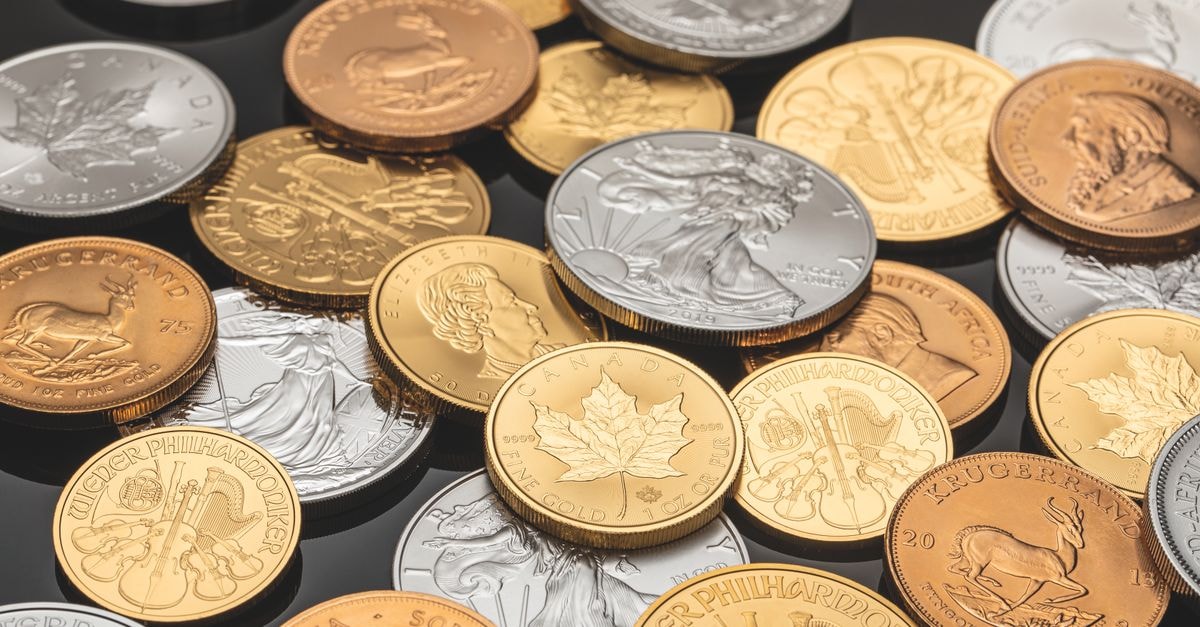
Silver rose in international and Indian trading on October 26, but the recovery reflected easing oil prices and a weaker dollar rather than a clear improvement in the metal’s industrial fundamentals. Argaam reported December silver futures at $54.33 per ounce, up $0.38, and spot silver at $54.285, up $0.40, at 08:09 Makkah time. In India, Economic Times reported December 2026 MCX silver futures opened at ₹1,97,186 per kilogram, up ₹1,500. These observations differ by venue, currency, and timing, but both show an advance.
The common catalyst was softer immediate inflation and rate pressure. Argaam said the dollar index fell 0.15% to 101.66, while Economic Times attributed the MCX opening gain to lower oil prices tempering inflation concerns. Another Economies report also described a recovery as easing oil prices reduced inflation concerns. The rebound therefore appears tactical and macro-sensitive rather than evidence that supply and demand constraints have disappeared.
Monetary policy remains the near-term test
The strongest shared constraint is US monetary policy, with expectations centered on an unchanged Federal Reserve rate decision at the scheduled October 27-28 meeting. Argaam reported a 75% market probability of a December rate hike, while Investing.com said markets expected rates to remain unchanged in October and were focused on a possible December hike. The Federal Reserve decision is due October 28, with US PCE inflation data scheduled for October 29.
The timing of the price observations limits direct comparison. Argaam’s international quotes were recorded at 08:09 Makkah time, Economic Times described an Indian futures opening, and the Economies report provided only a headline and restricted page text. Nevertheless, all three point in the same direction: a modest silver recovery ahead of a closely watched Fed decision. That pattern is consistent with relief from higher-oil inflation pressure, but does not establish a sustained trend.
Supply and industrial demand limit conviction
The counterweight to the price recovery is a combination of higher supply and uncertain industrial demand. HSBC, cited by Economic Times, expects only limited gains, citing rising mine output, recycling supply, weaker industrial demand, a firm US dollar, and elevated yields as constraints. HSBC also sees institutional purchases in China and India, particularly for large bars, as support, while expecting softer industrial and jewelry demand.
The available reports do not disclose a reconciled mine-output or recycling balance, so it is not possible to quantify their combined effect. Industrial demand is also two-sided: CNBC TV18 reported an analyst’s view that persistent deficits and an industrial share of nearly 50% support silver’s structure, while Investing.com highlighted possible solar-industry thrifting and substitution as risks to demand. These views differ in scope and methodology, but both caution against treating the October rebound as confirmation of a supply shortage.
Divergent forecasts leave support and upside contested
Near-term forecasts remain materially divided, although they converge on high volatility. CNBC TV18 quoted Motilal Oswal’s Manav Modi expecting silver to hover around $50-$65 an ounce over the next six to 12 months, with a decisive break determining the next move. The same report identified $50 as an important support level and discussed a possible $90-$100 recovery by the next Dhanteras, but that recovery case was presented as conditional rather than as a settled forecast.
Investing.com reported that silver closed below $55 an ounce the prior week and cited a $49-$50 support zone. It also relayed WisdomTree’s forecast of about $70 an ounce by the third quarter of 2027, primarily linked to expected higher gold prices, alongside the solar-demand risk. Economic Times reported HSBC’s more cautious view: consolidation followed by limited improvement in 2027. The forecasts use different horizons and assumptions, so they cannot be treated as directly comparable targets. Their common message is that $49-$50 is an important monitored support area, while the path above it depends on rates, the dollar, gold, mine output, and end-use demand.
Related industries and supply products
No procurement has been confirmed. The evidence supports only a conditional monitoring framework, not current orders or named beneficiaries.
Industry / product or service | Evidence level | Event connection | Verification signal | Main risk |
|---|---|---|---|---|
Solar manufacturing | Research watchlist | Silver intensity reduction could weaken industrial demand | Solar-industry silver-use disclosures and prices | Substitution may reduce consumption |
Silver bullion and bars | Inferred | Chinese and Indian institutional purchases could support demand | Import and institutional-buying data | A firm dollar may suppress buying |
Silver mining | Inferred | Higher mine output could restrain prices | Published mine-production and recycling data | Output estimates may differ from actual supply |
Jewelry | Research watchlist | HSBC expects demand to weaken further | Indian jewelry demand and import data | Seasonal demand may weaken sooner |
The next verifiable checkpoints are the Federal Reserve decision on October 28 and US PCE data on October 29. Their effect on yields and the dollar will help determine whether silver’s rebound can hold above the monitored $49-$50 support area; supply and industrial-demand disclosures will be needed to establish a stronger trend.
Share this article