Administration pressure on Apple

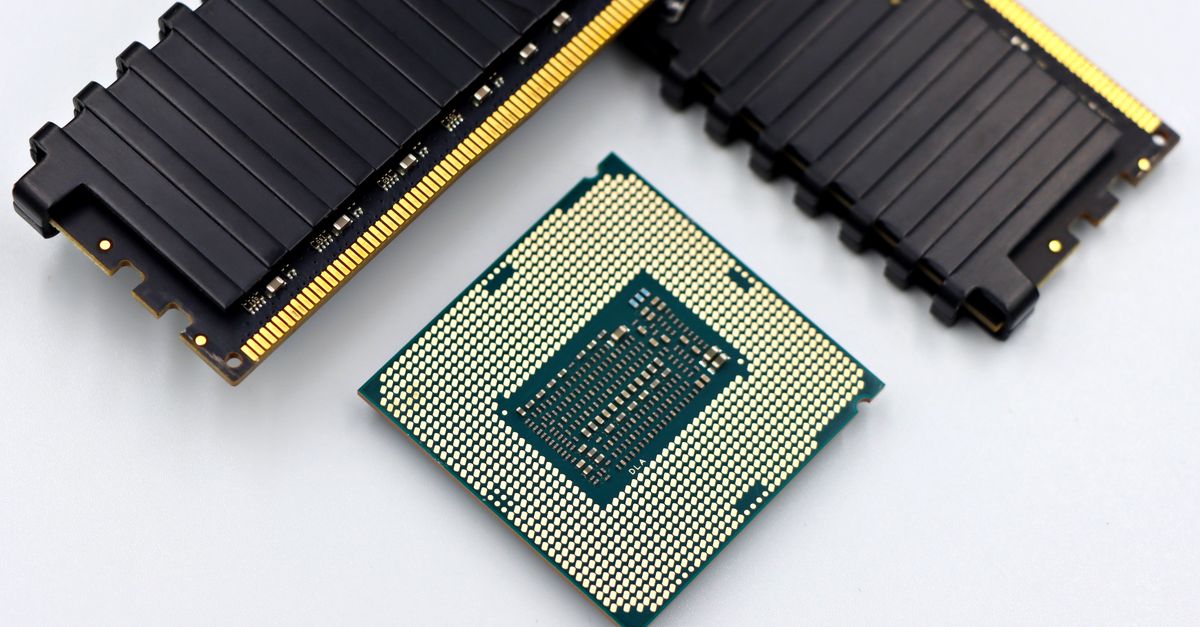
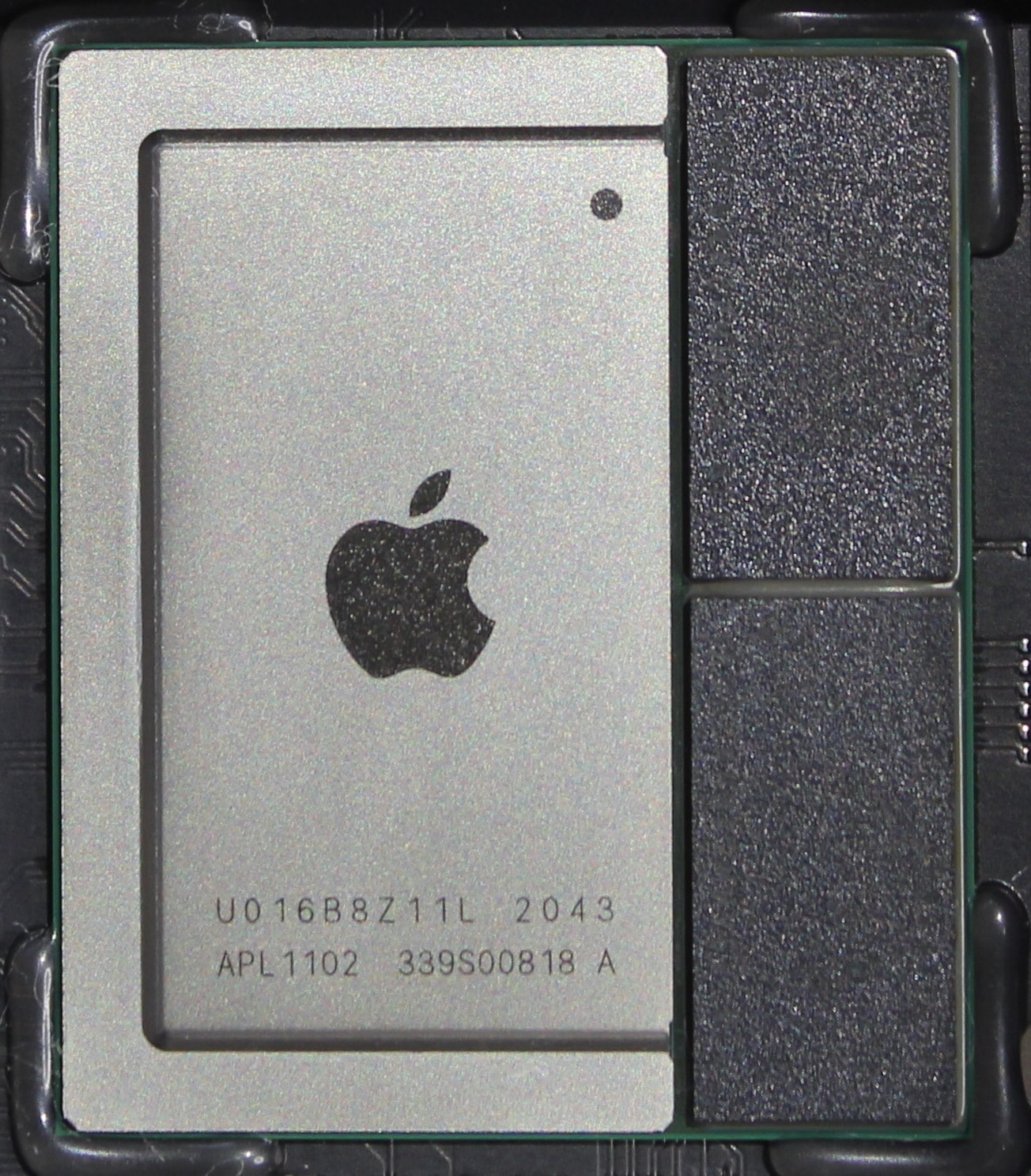
US Commerce Secretary Howard Lutnick said the Trump administration had communicated directly to Apple executives that it opposed the company sourcing memory chips from ChangXin Memory Technologies (CXMT) and Yangtze Memory Technologies (YMTC). The two reports, both published August 17, 2026, differ in characterization: DIGITIMES described the administration as pressing Apple to find alternatives, while Tech Times reported Lutnick as saying Apple had been told directly not to buy from the Chinese suppliers. Apple Chief Operating Officer Sabih Khan said the company was exploring all supply options but did not confirm whether it was testing Chinese chips, according to Tech Times.
Supply constraints and product costs
The pressure comes as Apple weighs how to navigate a global memory shortage that has sharply increased component costs, DIGITIMES reported, citing The Wall Street Journal. Tech Times said Apple had spent months trying to qualify CXMT as a fourth memory supplier, while shortages were driving up prices for iPhone and MacBook products. It reported that prices had increased by as much as $300 on Mac and iPad models announced in June.
Export controls and policy stance
YMTC is already on the Commerce Department’s Entity List, while CXMT and YMTC appear on the Pentagon’s Section 1260H list of companies with alleged ties to China’s military-industrial base, according to Tech Times. The same report linked the intervention to the administration’s broader semiconductor policy, including its emphasis on tariffs, domestic manufacturing requirements and US chip production.
Market response and remaining uncertainty
Memory-chip stocks rose in early trading on August 17, 2026, with SanDisk gaining more than 5% in premarket trading and Micron Technology rising more than 3%, Tech Times reported. The reports did not establish whether Apple ultimately changed its supplier plans, whether either Chinese company was selected, or how the dispute would affect future device pricing.
Share this article