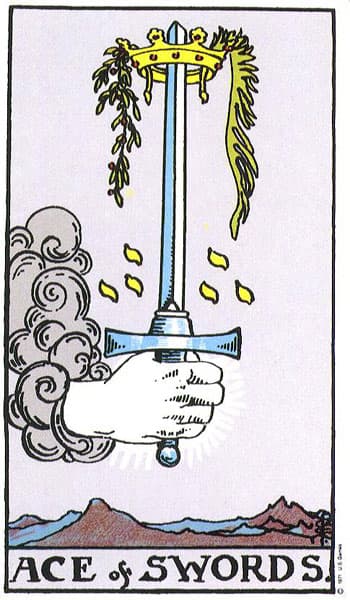
How the shared daily card is selected
The daily card is a transparent study schedule, not a hidden horoscope. The tool normalizes the selected Gregorian date as YYYY-MM-DD, adds a fixed NexaCurrent namespace, applies a stable 32-bit hash, and maps the result into the 78-card deck. A second deterministic value gives roughly one draw in four a reversed orientation. Because the date is the only input, everyone who chooses the same day receives the same card, and past dates can be reproduced. No birth data, zodiac sign, location, name, or account history changes the result. The method creates a shared prompt without pretending that the calendar caused the card or that the card describes events that must occur.
Use the card twice instead of predicting once
A useful daily practice separates observation from interpretation. In the morning, look at the image before reading the supplied text and record one figure, color, direction, object, or contrast that attracts attention. Turn that observation into an intention small enough to test during an ordinary day. In the evening, return to the same card and compare the prompt with lived evidence. Record mismatches as carefully as matches; otherwise hindsight can make any symbol appear accurate. Reddit discussions of card-of-the-day practice repeatedly emphasize this evening review because it turns a vague prediction into a learning loop. The page therefore includes both a morning intention and an evening check-in rather than a single fortune-style sentence.
What a daily update means on this page
The card, visible date, meaning, questions, and related reading change each day on this page. Use the date control to revisit an older selection without creating a separate saved page. The result is offered for cultural study, visual literacy, and private reflection. It cannot establish what will happen, identify another person’s intentions, or replace medical, mental-health, legal, employment, relationship, or financial judgment. If the prompt conflicts with evidence or your safety, discard the prompt and use the evidence.