A Quiet Andean Border Town with a Garden of Cypresses

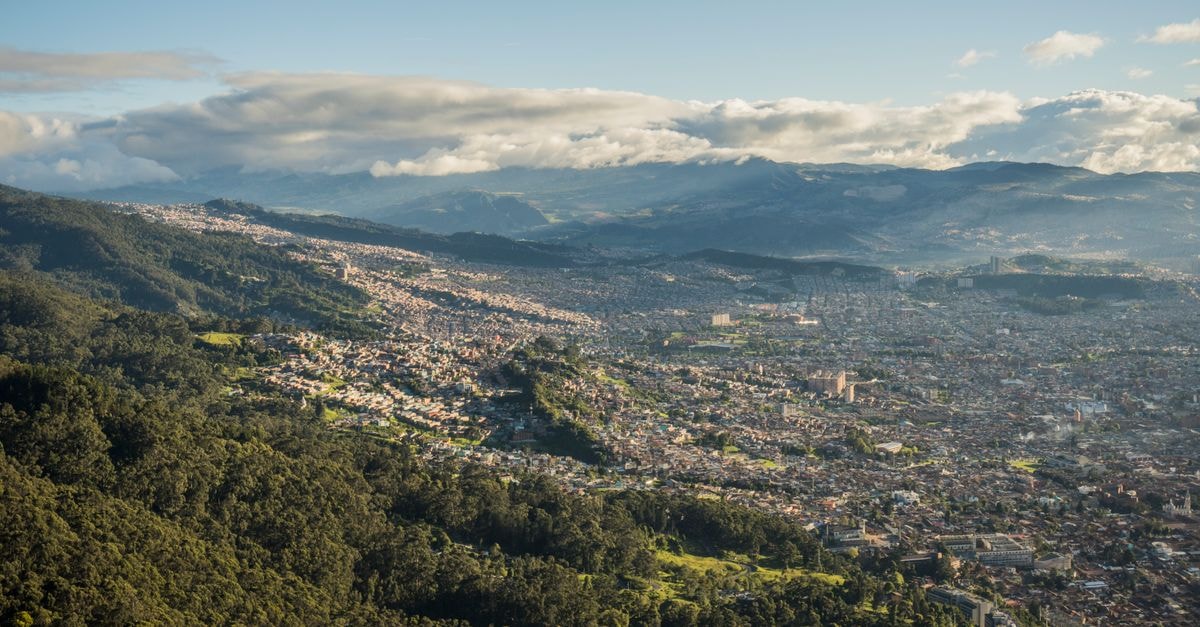
High in the Ecuadorian Andes, where the country narrows toward the Colombian frontier, sits Tulcán, the capital of Carchi province. It is a city of brisk mornings, layered cultural identity, and a landscape that feels closer to the clouds than to the coast. Travelers who arrive here tend to be the curious sort, drawn as much by atmosphere as by a checklist of sights. The city's most distinctive feature is the Cementerio de Tulcán, an ornate cemetery famous for its intricately trimmed cypress hedges sculpted into geometric and figurative shapes, a unique cultural landmark that reflects local horticultural tradition and indigenous heritage. It is the kind of place that rewards unhurried walking, warm layers, and a willingness to let a highland city set its own pace.
Weather and Seasonal Context
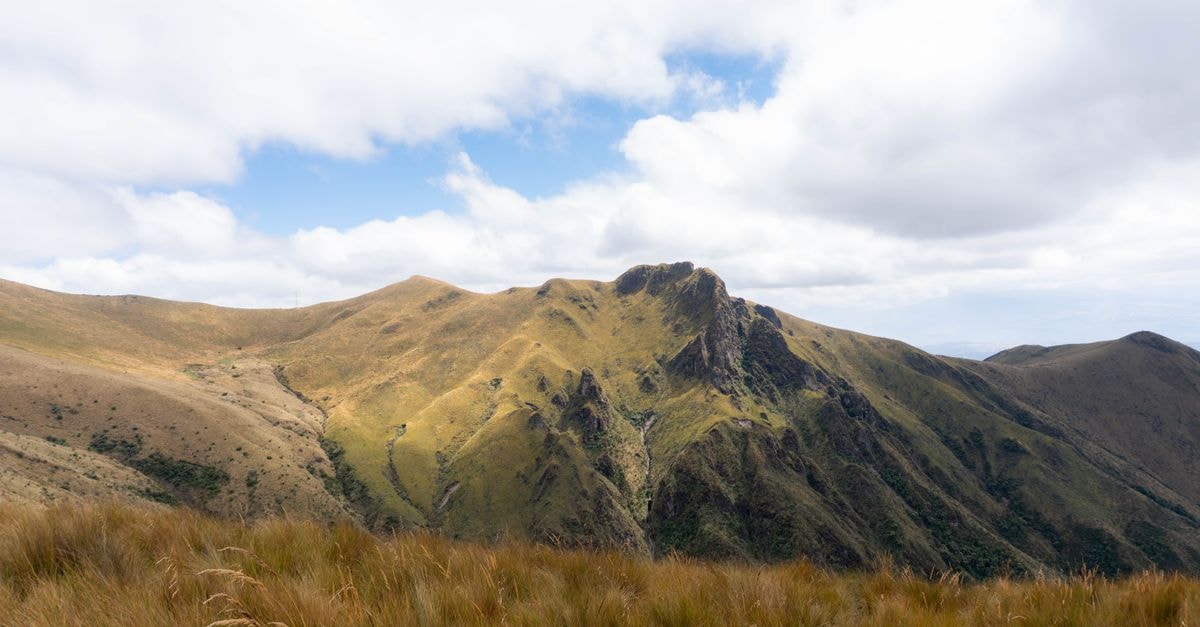
A trip to Tulcán is an encounter with the bracing chill of the Andes and the unique flavor of the borderlands. The highland altitude shapes nearly every part of the experience, from the air in your lungs to the flavor of a morning coffee. To ensure your trip to this high-altitude city in Ecuador is as comfortable as possible and free of surprises, it helps to prepare for cool, changeable conditions and to dress in layers that can be added or shed as the day warms or clouds roll in.
Because the climate in mountain towns can shift quickly between bright sun, mist, and a thin, persistent drizzle, pacing your day around the weather can feel more rewarding than racing between stops. Mornings often start cold, while midday can bring a softer warmth before temperatures drop again toward evening. Travelers sensitive to altitude may find that resting on arrival, drinking water steadily, and keeping meals light at first make the adjustment easier. Treat any specific forecast or temperature as something to confirm with an up-to-date local source close to departure, since conditions in the Andes can vary.
The Living Art of the Cypress Cemetery
The cypress cemetery is not just a stop on a route but a meditation on landscape and memory. The sculpted greenery turns what could be a somber place into something closer to a garden theater, where hedges stand like green architecture and each section reveals new forms. Walking the grounds slowly, camera in hand but not on autopilot, lets the artistry sink in. It is worth asking locally about the gardeners who maintain the topiary, because the practice is a living tradition rather than a static display, and visitors who show genuine curiosity are often warmly received.
Beyond the cemetery itself, the city carries a sense of place shaped by its position near the border. Conversations in cafés, market stalls, and plazas often carry the dual rhythm of two countries, and the cuisine, music, and everyday expressions reflect that crossroads feeling without needing to be staged for tourists. Allow time to wander the central areas on foot; the altitude keeps everything close, and the most rewarding discoveries in Tulcán are usually made at walking pace.
Food and Local Context
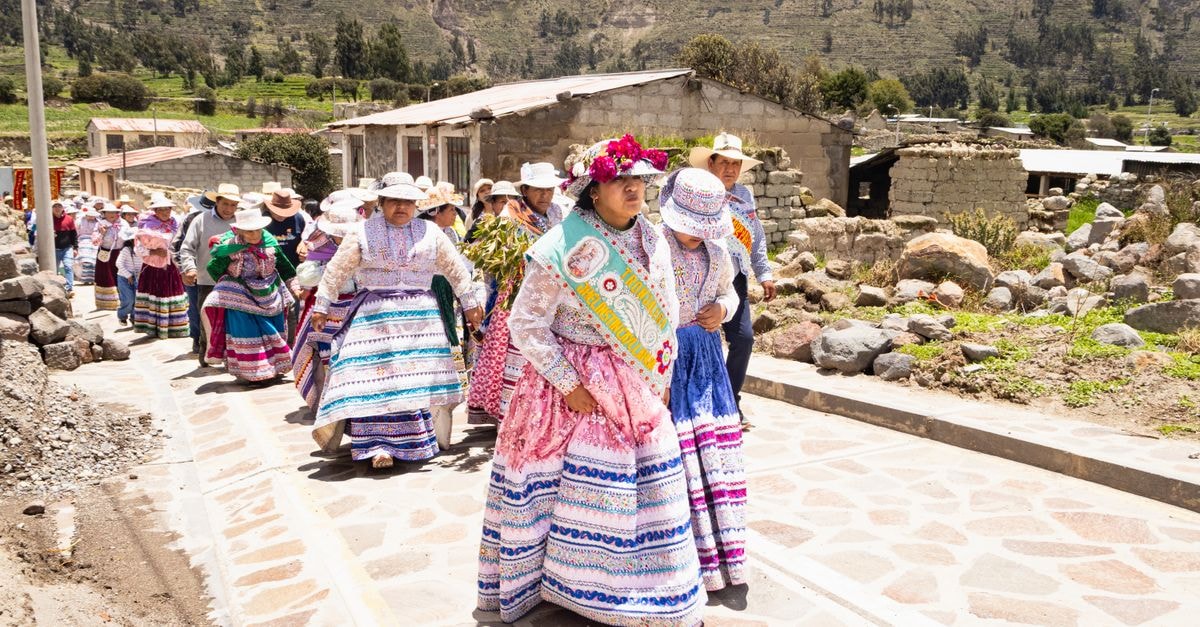
Ecuador's true identity lives in the small details: the sound of a Kichwa lullaby sung over a Spanish waltz, the way Andean ponchos share space with coastal marimba drums, or the different words people use for the same cup of coffee depending on where you are. In a border city like Tulcán, that layering feels especially vivid, and visitors may notice echoes of both highland and neighboring traditions in everyday life. Cuisine and everyday food culture in Ecuador are often described as memory made edible, and travelers who eat where locals eat, rather than only in tourist-oriented spots, tend to feel that story most directly.
While specific Tulcán dishes and venues are best explored on the ground through local recommendation, a few wider Ecuadorian flavors tend to surface across the highlands and may appear on menus during your visit. Hearty potato and corn-based soups, grain bowls featuring quinoa or barley, slow-simmered stews with locally raised beef or pork, and fresh cheeses from nearby farms are common threads in Andean meals. Sweet corn pastries known as humitas, often steamed rather than baked, are another recurring highland staple, and simple plates of rice, beans, and a fried egg appear throughout the country at any hour. These are nationwide patterns a traveler may encounter rather than specific claims about a particular Tulcán restaurant, so it is worth asking what is being cooked today, what is regional, and what is simply a comforting everyday plate.
In practice, the most enjoyable approach to food in a highland border city is unhurried. A morning coffee or herbal infusion can stretch into conversation. A late lunch often becomes the day's main meal, with smaller snacks in between. Markets and family-run restaurants tend to offer the most direct sense of place, while menus in more formal settings may reflect a broader Ecuadorian repertoire. Travelers who keep an open mind, eat with curiosity, and accept that portion sizes and presentation styles differ from lowland or coastal Ecuador will find the food scene a natural extension of the city's cultural crosscurrents.
Practical Notes for a Thoughtful Visit
Because Tulcán sits at altitude and near an international border, a few small habits can make the trip feel smoother. Layers are more useful than a single heavy coat, because the sun can shift the temperature noticeably within an hour. Comfortable walking shoes help with both the cemetery grounds and the city's sloped streets. Spanish unlocks the most everyday interactions, though a friendly attitude and patience go a long way in places where tourism is not the main industry. Carrying some local currency in small bills is sensible for markets and small eateries, while larger establishments may offer other options; the specific payment habits of any given shop or restaurant are best confirmed in person rather than assumed.
It is also worth remembering that conditions described in any guide reflect what was true when the information was gathered. Border policies, transport patterns, and local services can change, and the most responsible way to plan a trip is to treat printed or online guidance as a starting point, then confirm key details with official channels or recent travelers before departure.
A Final Note Before You Go
Tulcán rewards the kind of traveler who is happy to let a city reveal itself slowly. The cemetery's sculpted cypresses, the cool Andean light, and the layered cultural backdrop together create an atmosphere that feels distinct from Ecuador's coastal lowlands or its better-known volcanic routes. Come with warm layers, an appetite for regional food, and a willingness to wander without a fixed schedule, and the city will offer its quieter, more memorable side.
Disclaimer: Travel conditions, services, and local details can change over time. Always check official sources and recent local information before your trip so you can plan with the most current guidance available.
Share this article
TOOLS FOR THIS PLAN
Make the Tulcán plan measurable
Choose a tool only when it answers the next question in your trip. Your values stay in the browser, and each tool offers a route back to this planning context.