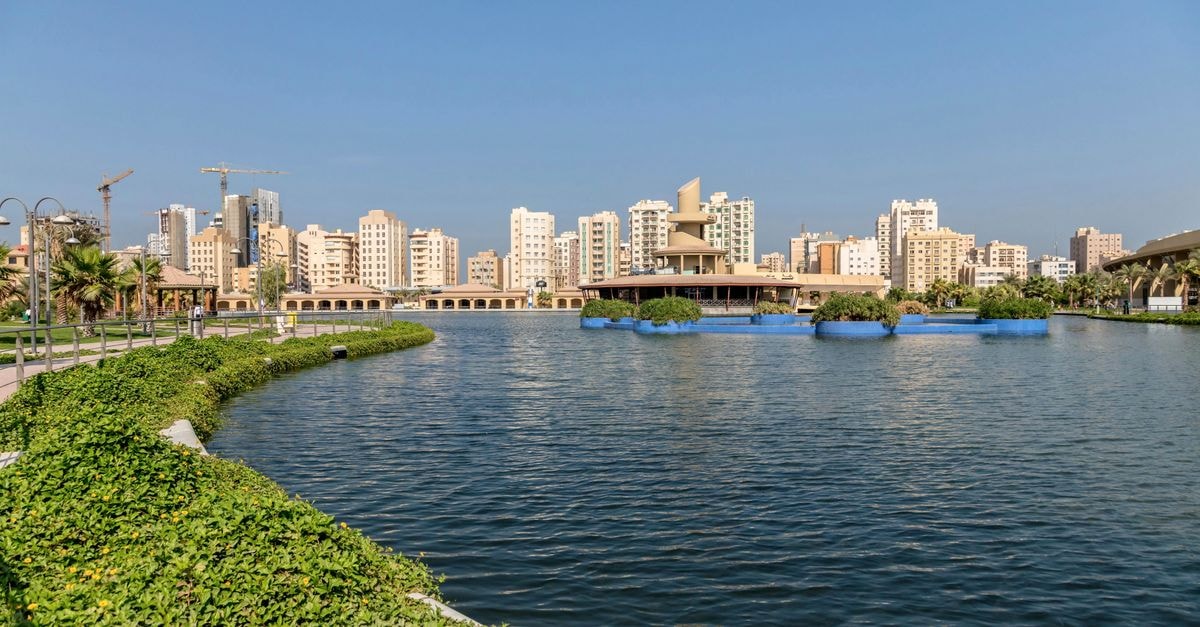
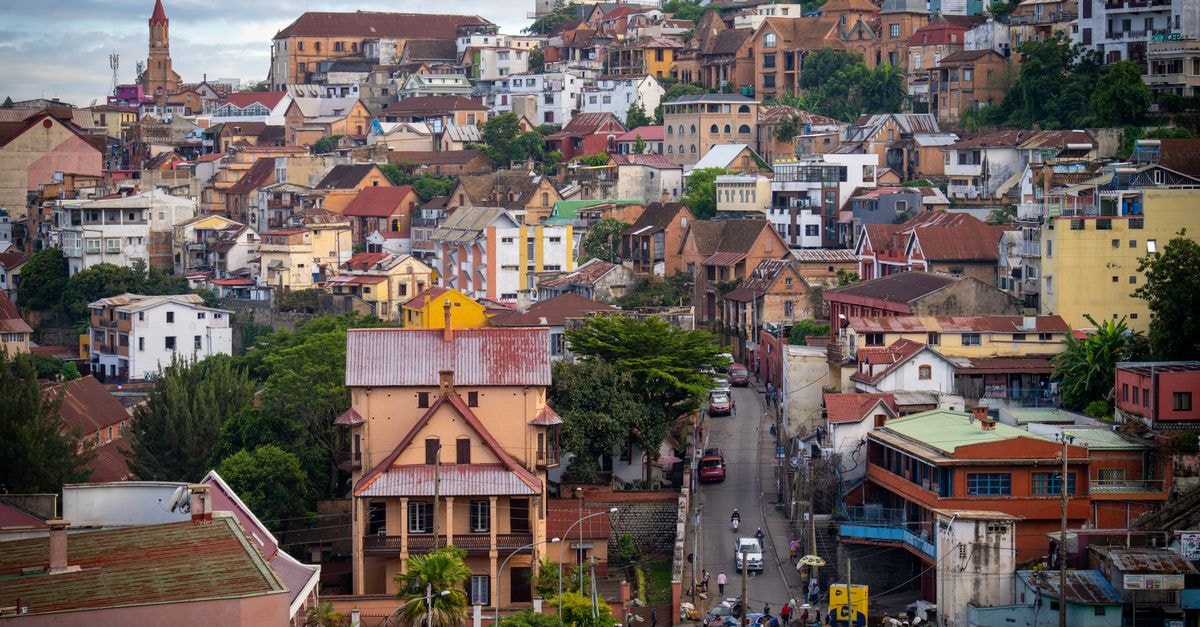
City and district background: this article describes the city, rather than a verified lodging property.
A City That Doubles as a Storybook

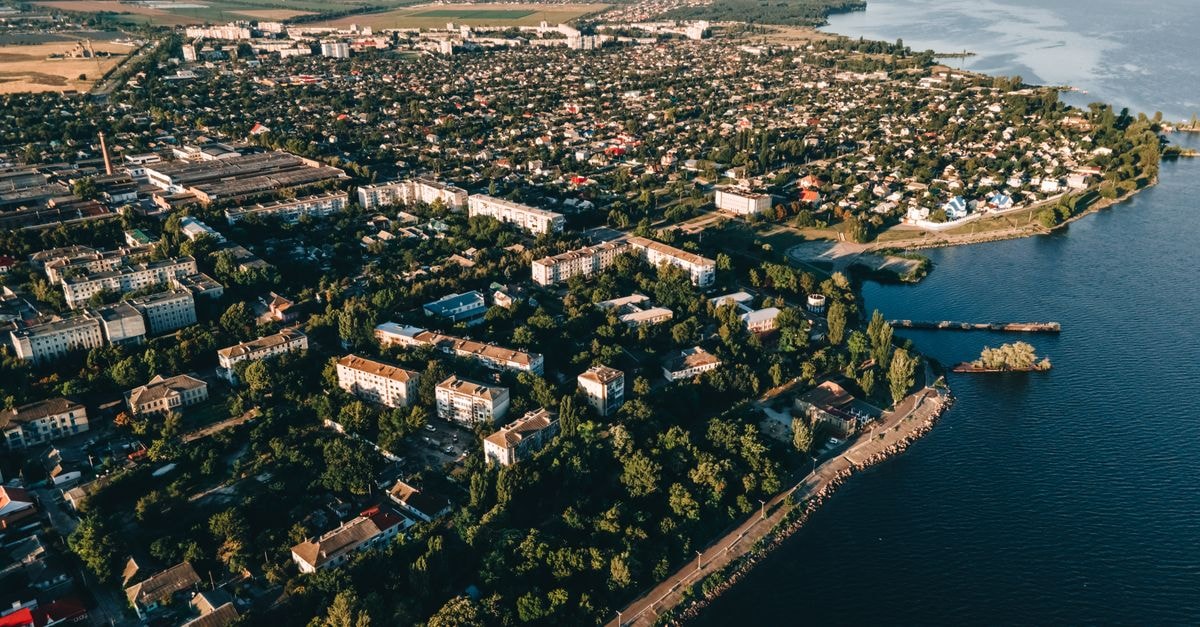
Omdurman is a major city in Sudan, stretching along the west bank of the River Nile opposite and northwest of the capital city of Khartoum. The address sits within Al Khartum State, placing the city on the western side of the confluence where the Blue and White Nile meet. From here, the broad sweep of the river separates Omdurman from central Khartoum across the water, giving the location a distinct sense of being part of a twin-city rhythm rather than a suburb of the capital.
A Mahdist Founding on the Nile
The history of Omdurman is inseparable from the story of the Mahdist movement. The village of Omdurman was chosen in 1884 as the base of operations by the Mahdi, Muhammad Ahmad. The city was the place the Imam Al Mahdi chose as a camp before the siege of Khartoum on 26 January 1885, and his followers moved there after the liberation of Khartoum. That founding moment shaped the urban landscape that visitors encounter today.
The Legend Behind Al-Mahdi's House
One of the most important stories in the history of Omdurman displays the mirroring between Al-Mahdi and Prophet Muhammad in how he chose the location of his house: he left the matter to his horse until it stood, and that is how the location was decided. Al Mahdi lived in a small room next to the Grand Mosque in Omdurman, which later became the site of his burial tomb. The episode captures the way religious tradition and local geography have long intertwined across the city.
Building Traditions Carried in the Walls
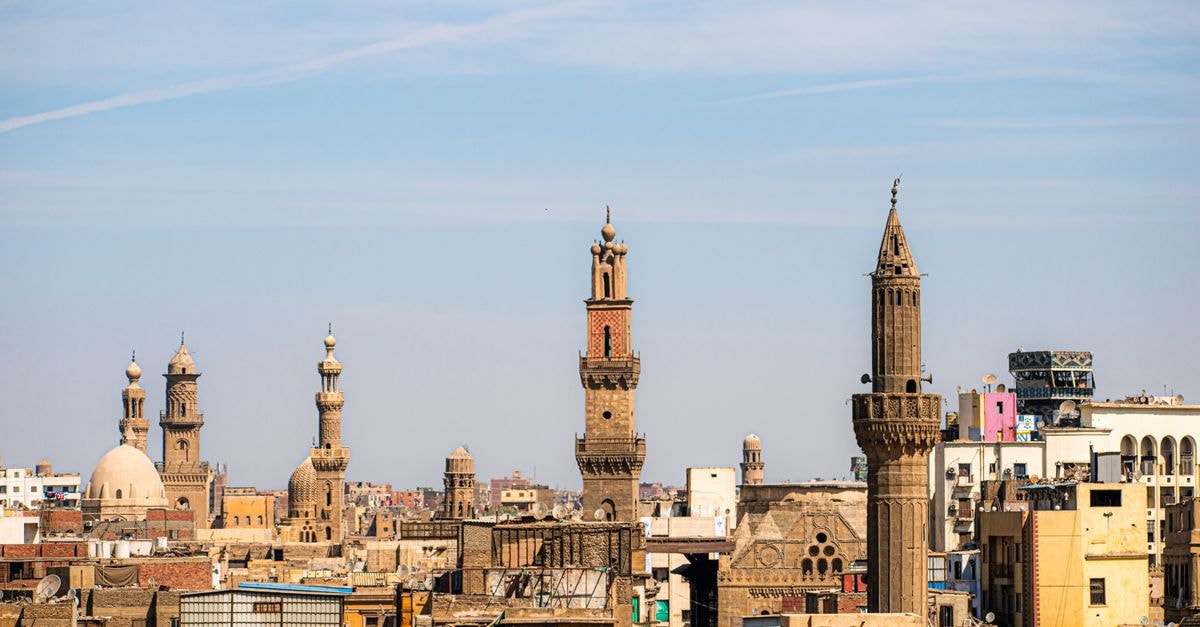
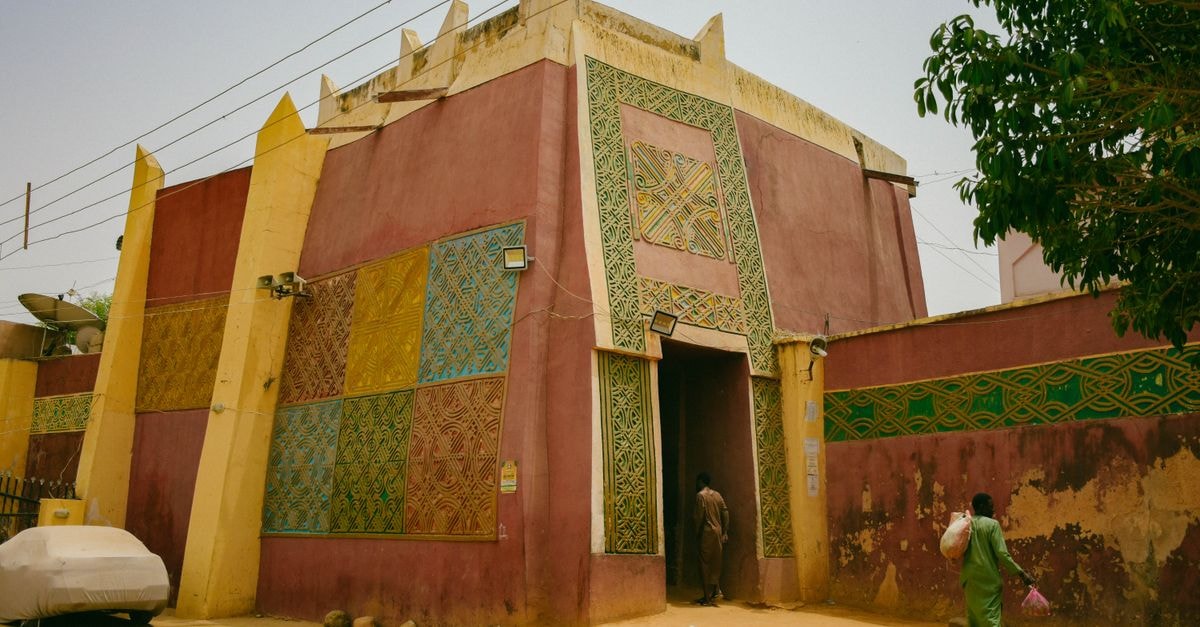
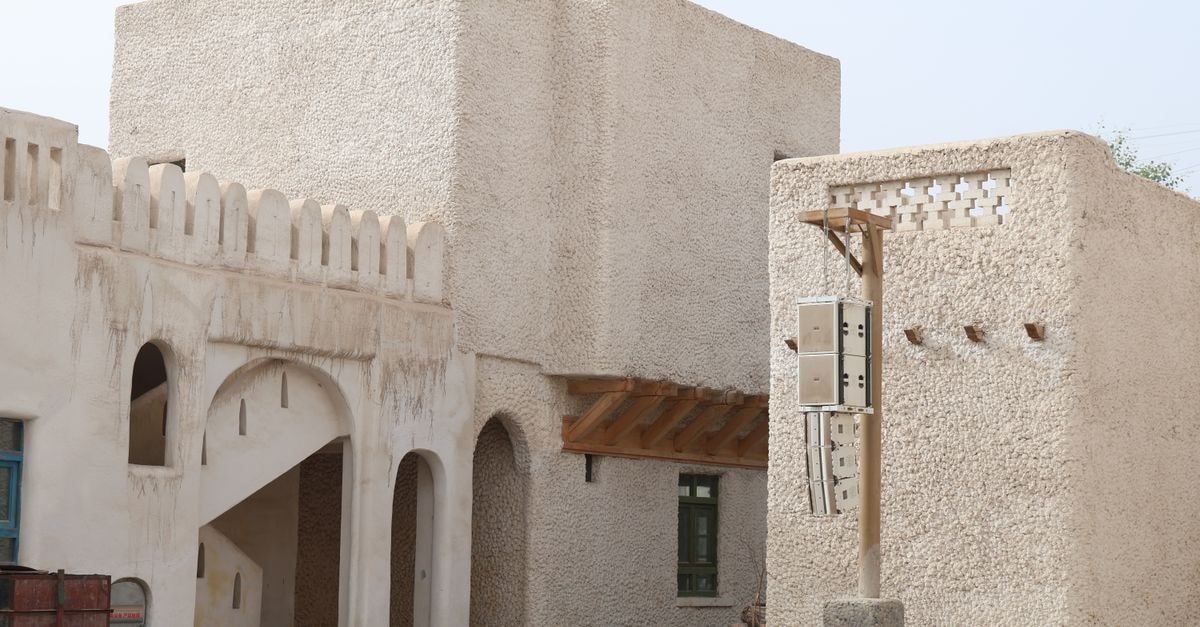
The architecture of Omdurman carries its own signature across the region. The people of Sudan learned to build the outer walls of homes from Omdurman, and examples of these structures still stand today. Among the landmarks that preserve this style are the Khalifa House, the Dome of Imam Al-Mahdi, the Omdurman Wall, Al-Tabiya, and Beit Al-Amana. Walking through the older quarters, the masonry itself becomes a kind of open-air archive of nineteenth-century building practice.
Reading the Skyline Today
Together, the Mahdist heritage sites and the surviving examples of traditional Omdurman wall-building give the city a streetscape where history is literally built into the fabric of the neighbourhoods. The Grand Mosque area, the surviving stretches of the Omdurman Wall, and the cluster of landmark houses around Al-Tabiya and Beit Al-Amana together sketch the outline of a city that grew from a nineteenth-century encampment into one of Sudan's major urban centres without losing the traces of its founding moment.
Share this article